Swinney's SNP returns to power but minority maths force independence reckoning
John Swinney begins a fifth consecutive SNP term at Holyrood after the May election, but with no majority and Reform UK newly installed at parliament, the First Minister's pledge to force a Section 30 confrontation with Westminster is testing his slender authority.
Eleanor Whitfield
Writer ·
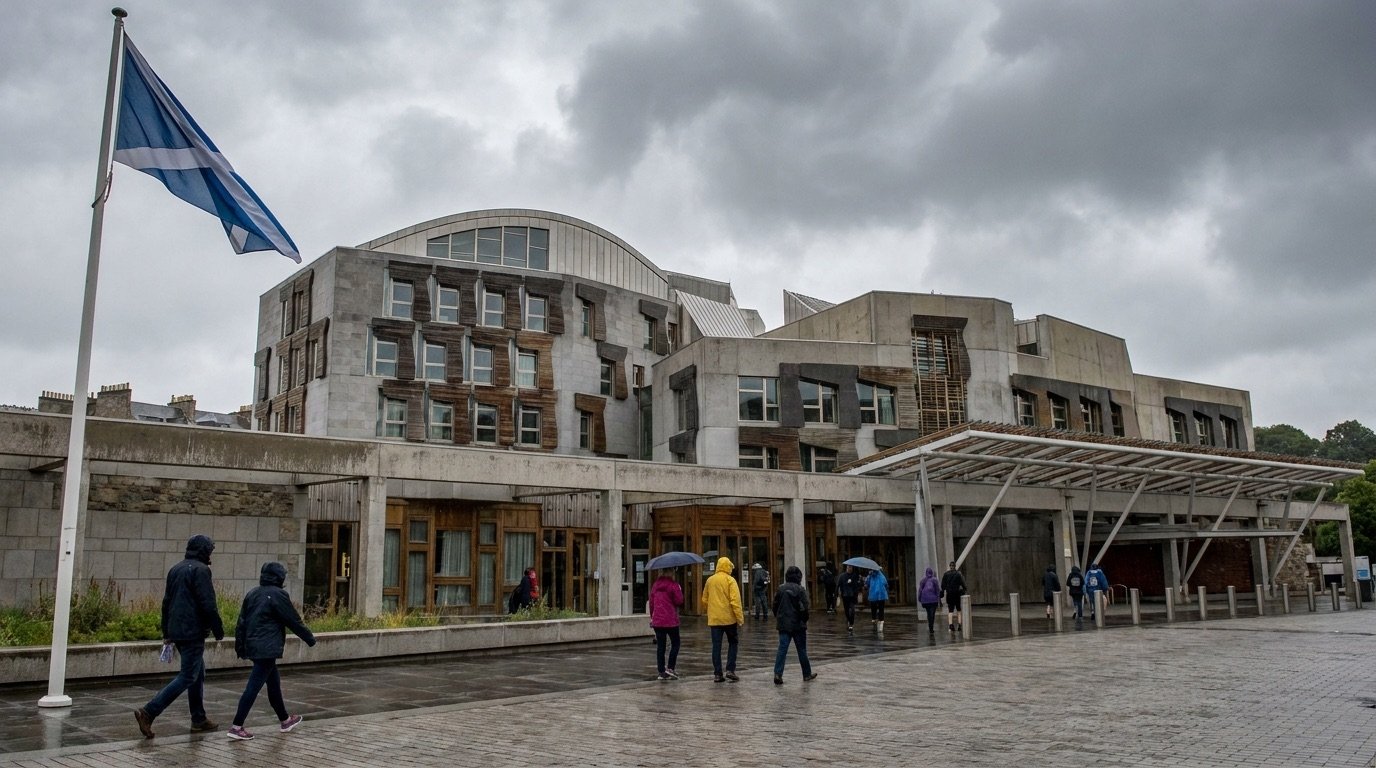
John Swinney has settled into a fifth consecutive term of SNP government at Holyrood, but the comfortable continuity the party once enjoyed has gone. The May election returned 58 SNP seats, enough to keep Swinney in Bute House and to hand him a renewed mandate, yet short of the overall majority that would let him govern as he pleases.
The arithmetic of the new parliament is the defining fact of this term. The chamber that scrutinises the First Minister now contains a bloc of 17 Reform UK members where there were previously none, sitting alongside a Scottish Labour group of similar size. Swinney must assemble support vote by vote, and every contentious piece of legislation becomes a negotiation.
Against that backdrop, the First Minister has chosen to put the constitution front and centre once again, arguing that the very rise of Reform makes the case for Scotland charting its own course more urgent rather than less.
A renewed push for a referendum
Swinney has confirmed that on the first sitting day after the new government was appointed he would bring forward a vote calling for the development of a Section 30 order, the mechanism that would give Holyrood the legal power to stage a second independence referendum.
On 26 May a Holyrood motion calling on Westminster to make that order passed by 72 votes to 55, reflecting the largest pro-independence majority in the devolved parliament's history, with 72 MSPs drawn from pro-independence parties. The symbolism was considerable; the practical effect, so far, has been nil.
The UK government refused the request, as successive administrations have done since 2014. Ministers in London maintain that the question was settled in the first referendum and that there is no public appetite for a rerun, leaving Swinney with a parliamentary majority but no route to act on it.
Opposition attacks the strategy
Opposition parties have demanded to know exactly what tactics the First Minister intends to deploy to break the deadlock, characterising his approach as a strategy held deliberately out of public view.
Former First Minister Nicola Sturgeon and elements of the press have used the same framing, while the Prime Minister has dismissed the entire exercise in blunt terms.
“He is insulting the intelligence of the Scottish people if he suggests there is a quick route to a referendum that Westminster has not already ruled out.”
Governing while campaigning
The danger for Swinney is that constitutional theatre crowds out the day job. Voters tell pollsters they care most about the NHS, the cost of living and public services, and the SNP manifesto pledged to pass on every penny of NHS budget consequentials from Westminster to health and care.
Delivering on those commitments through a minority parliament will require deals with parties that have no interest in helping the SNP look competent ahead of any future plebiscite. The headline pledges that the First Minister wants to govern by:
- Publish a draft independence referendum bill and convene a constitutional convention.
- Open formal discussions with the UK government on transferring referendum powers.
- Protect NHS funding by passing on health consequentials from the Treasury.
- Expand GP access, building on a pledge to deliver 100,000 extra surgery appointments.
- Steer a budget set at around £67.9 billion through a parliament where the SNP lacks a majority.
Background
Swinney became First Minister in 2024 after Humza Yousaf's resignation, elected unopposed to lead a minority administration into the 2026 contest. His tenure has been shadowed by Operation Branchform, the long-running investigation into SNP finances, in which former chief executive Peter Murrell faces an embezzlement charge.
The 2026 result, with Reform's breakthrough and Labour's stagnation, confirmed that the old two-horse race between the SNP and Labour has fractured into a more crowded and unpredictable field.
What happens next: attention turns to whether Swinney can hold his minority government together long enough to pass a budget and his programme for government, while the Section 30 standoff with Westminster looks set to define, and frustrate, the constitutional politics of this parliament.
Referenced coverage: Our reporting and analysis draws on coverage first reported by The Scotsman. The NE Times publishes original reporting and independent analysis written by our editorial team. We credit and link the outlets whose primary reporting informed this article.
The NE Times is an independent news and analysis publisher. Our articles combine factual reporting with clearly-written, impartial analysis. Content is for general information and does not constitute professional advice. Disclaimer.
You may also like to read
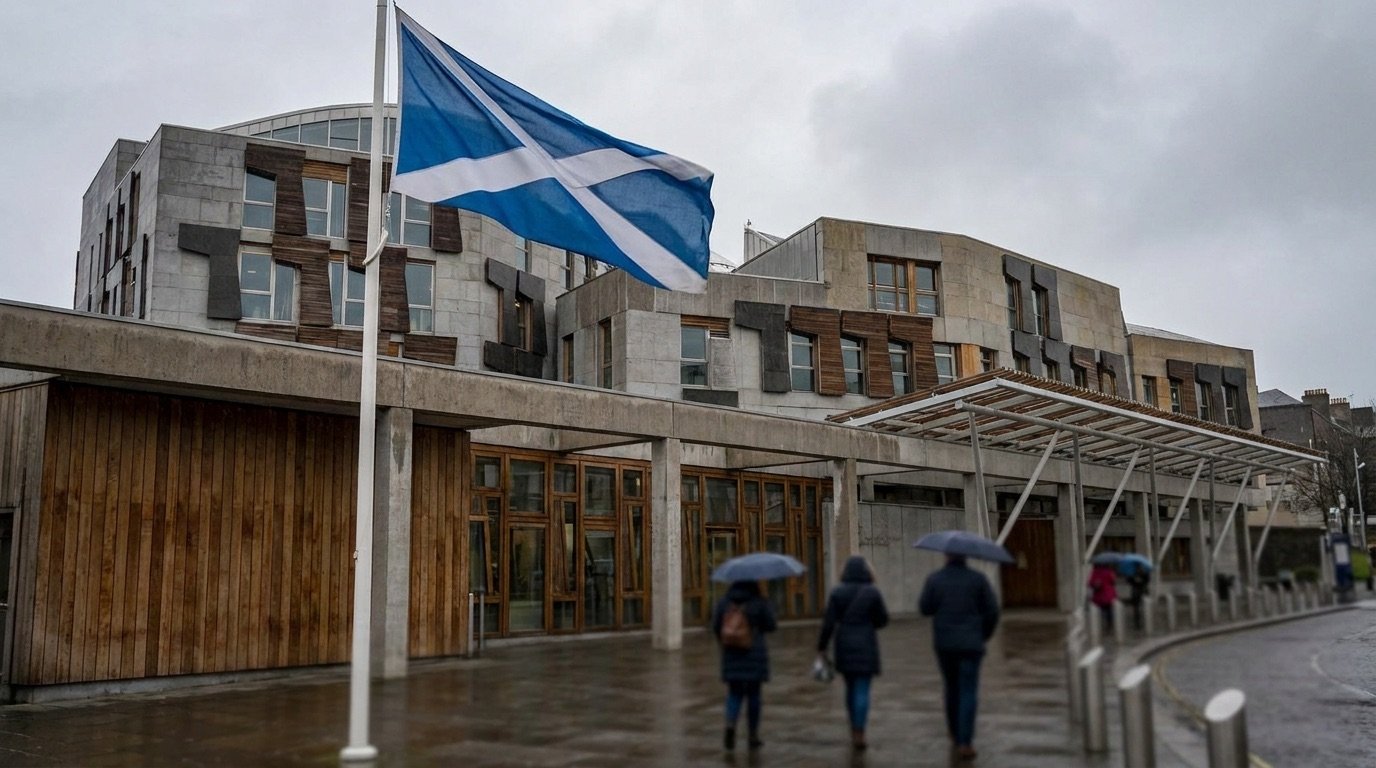
Swinney seizes on Starmer exit to renew independence referendum demand
Scotland's First Minister called Sir Keir's resignation proof that the Westminster system is 'broken', arguing a fresh start is 'only possible with independence'.
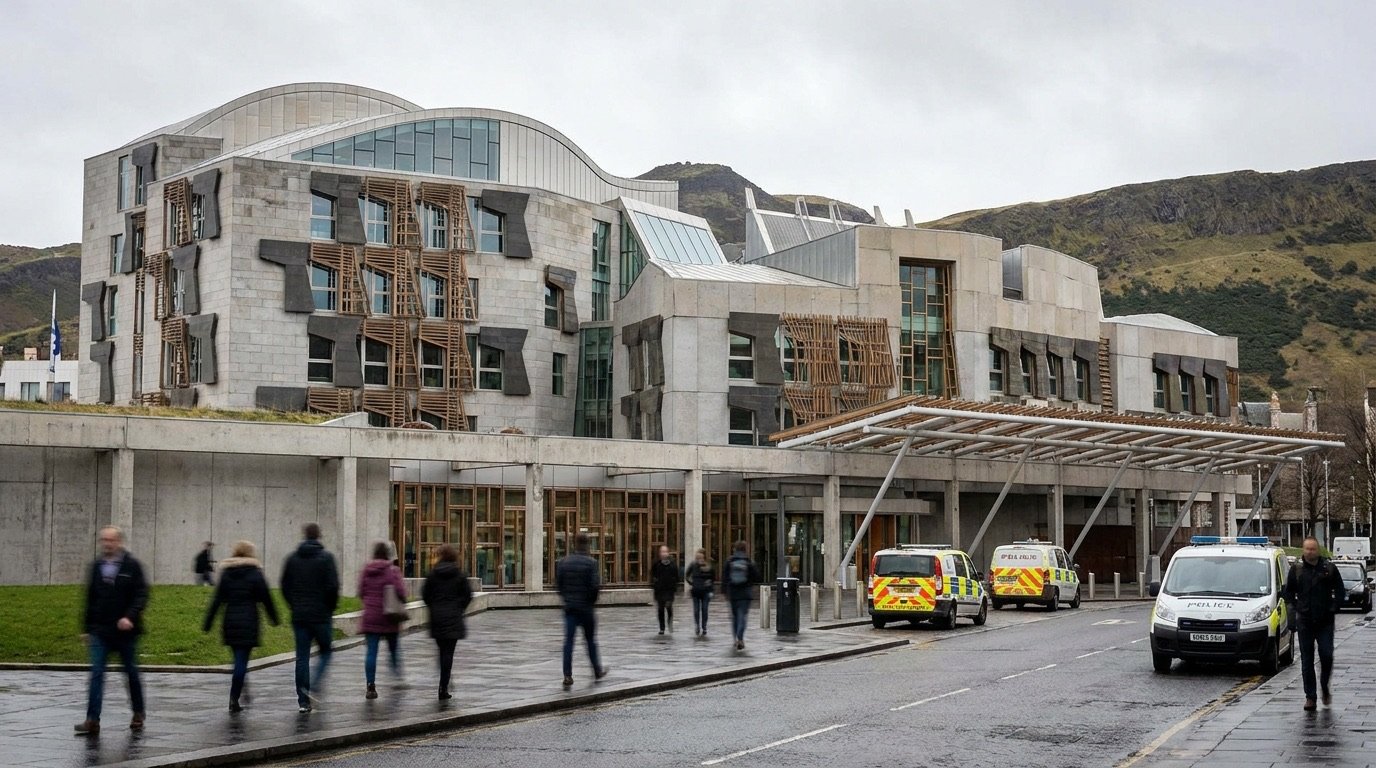
SNP holds power in Scotland but falls short as Reform breaks through
John Swinney's party will govern as a minority after the 2026 Holyrood election, while Reform UK won its first seats and Labour slumped to a record low.
'Sick of the merry-go-round': Lib Dems, Greens and SNP demand real change, not just a new face
Ed Davey, Zack Polanski and John Swinney each welcomed Sir Keir Starmer's exit while warning that another prime ministerial reshuffle means nothing without a change of direction.
Two Scottish by-elections on 18 June test SNP, Labour and Reform north of the border
Voters in Aberdeen South and in Arbroath and Broughty Ferry go to the polls on the same day as Makerfield, in contests watched closely at Holyrood and Westminster.