Two Scottish by-elections on 18 June test SNP, Labour and Reform north of the border
Voters in Aberdeen South and in Arbroath and Broughty Ferry go to the polls on the same day as Makerfield, in contests watched closely at Holyrood and Westminster.
Eleanor Whitfield
Writer ·
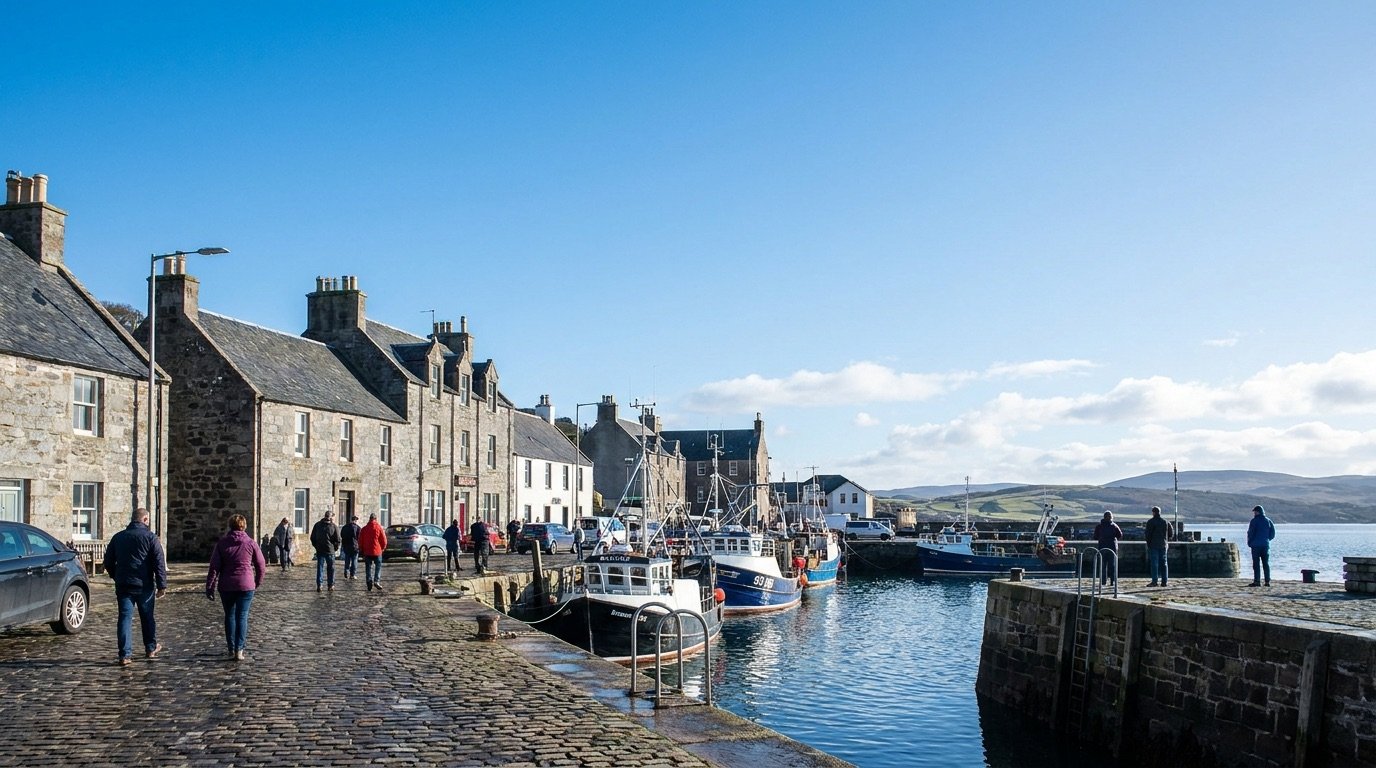
While much of the political attention on 18 June will fall on Makerfield, two parliamentary by-elections in Scotland are also being held that day, offering an important reading of the mood north of the border ahead of next year's Holyrood elections.
The contests, in Aberdeen South and in Arbroath and Broughty Ferry, pit a recovering SNP against a Scottish Labour party that has struggled in the polls and a rising Reform UK hoping to translate its English momentum into Scottish gains. With a Scottish Parliament election due next year, both campaigns have taken on added significance as a dress rehearsal for the bigger battle to come.
Scottish Labour, which made significant advances across Scotland at the 2024 general election, has since seen its support soften amid the wider difficulties facing the UK party. Its leader, Anas Sarwar, was among the earliest senior figures to call for change at the top of the party, and these by-elections will indicate whether voters are willing to give Scottish Labour a fresh hearing despite the turmoil in Westminster.
Arbroath and Broughty Ferry
The Arbroath and Broughty Ferry by-election was triggered after the constituency's SNP MP, Stephen Gethins, won a seat in the Scottish Parliament and chose to take it up at Holyrood. The seat is finely balanced: Labour finished a close second here at the 2024 general election, missing out by fewer than 900 votes, making this one of the tighter contests on the night.
The SNP, which selected lawyer and party worker Lara Bird, will start as favourite to hold the seat, but Labour's Heather Doran is hoping a strong local campaign can overturn the slim 2024 margin. Reform UK and the smaller parties are also fielding candidates in what has become a genuinely competitive race.
- Lara Bird (SNP) — lawyer and party worker, the favourite to hold the seat
- Heather Doran (Labour) — standing in a seat Labour narrowly lost in 2024
- Jack Cruickshanks (Conservative)
- Tanvir Ahmad (Liberal Democrats)
- Bill Reid (Reform UK)
Aberdeen South
The Aberdeen South by-election is the second Scottish contest taking place that day. Like its neighbour, it offers a test of whether the SNP's recent recovery in the opinion polls is translating into resilience on the ground, and of whether Labour can recover any of the support it won across Scotland at the last general election.
For Reform UK, both seats represent an opportunity to demonstrate that its appeal extends into Scotland, where the party has historically struggled to make a breakthrough. A respectable showing would bolster its claim to be a genuinely UK-wide force, while a weak result would suggest its surge remains largely an English phenomenon for now.
The Conservatives and Liberal Democrats are also contesting both seats. The Tories have traditionally polled strongly in parts of north-east Scotland, and will be watching to see whether they can hold their ground against the SNP and a resurgent right, while the Liberal Democrats hope to pick up tactical support from voters looking for an alternative to the larger parties.
“These are the kind of seats that tell you where the political tide is really running in Scotland, well away from the Westminster bubble.”
— A Scottish polling analyst
Background
Scotland's political landscape has been unusually fluid in recent years, with the SNP, Scottish Labour, the Conservatives, the Liberal Democrats and now Reform UK all competing for ground. The outcome of these by-elections will be read as a barometer ahead of the next Scottish Parliament elections, when control of Holyrood will be at stake.
Both contests were prompted by the movement of sitting MPs into other roles, a reminder of the increasingly porous boundary between the Westminster and Holyrood political classes as devolution matures.
What happens next
Polls in both seats open at 7am and close at 10pm, with counts beginning once voting ends. The results, declared in the early hours of Friday, will be pored over by strategists in every party. A strong SNP performance would suggest the nationalists' recovery is real; gains for Labour or Reform would point to a more volatile Scottish electorate heading into a pivotal year.
Turnout will be one of the key variables. By-elections often draw fewer voters than general elections, and the parties that succeed are frequently those best able to motivate their core supporters to turn out on the day. Each campaign has therefore poured resources into local organisation, knocking on doors and identifying sympathetic voters in the hope of securing an edge in what could be close finishes.
Whatever the outcome, the two contests will feed directly into the narrative around the state of the UK parties in Scotland. With the Westminster leadership question dominating headlines south of the border, Scottish politicians have been keen to stress that their own contests turn on local concerns and Scottish priorities. The results will test how far the national mood and the local picture have diverged.
Referenced coverage: Our reporting and analysis draws on coverage first reported by Ballot Box Scotland. The NE Times publishes original reporting and independent analysis written by our editorial team. We credit and link the outlets whose primary reporting informed this article.
The NE Times is an independent news and analysis publisher. Our articles combine factual reporting with clearly-written, impartial analysis. Content is for general information and does not constitute professional advice. Disclaimer.
You may also like to read
Swinney seizes on Starmer exit to renew independence referendum demand
Scotland's First Minister called Sir Keir's resignation proof that the Westminster system is 'broken', arguing a fresh start is 'only possible with independence'.
SNP holds power in Scotland but falls short as Reform breaks through
John Swinney's party will govern as a minority after the 2026 Holyrood election, while Reform UK won its first seats and Labour slumped to a record low.
Swinney's SNP returns to power but minority maths force independence reckoning
John Swinney begins a fifth consecutive SNP term at Holyrood after the May election, but with no majority and Reform UK newly installed at parliament, the First Minister's pledge to force a Section 30 confrontation with Westminster is testing his slender authority.
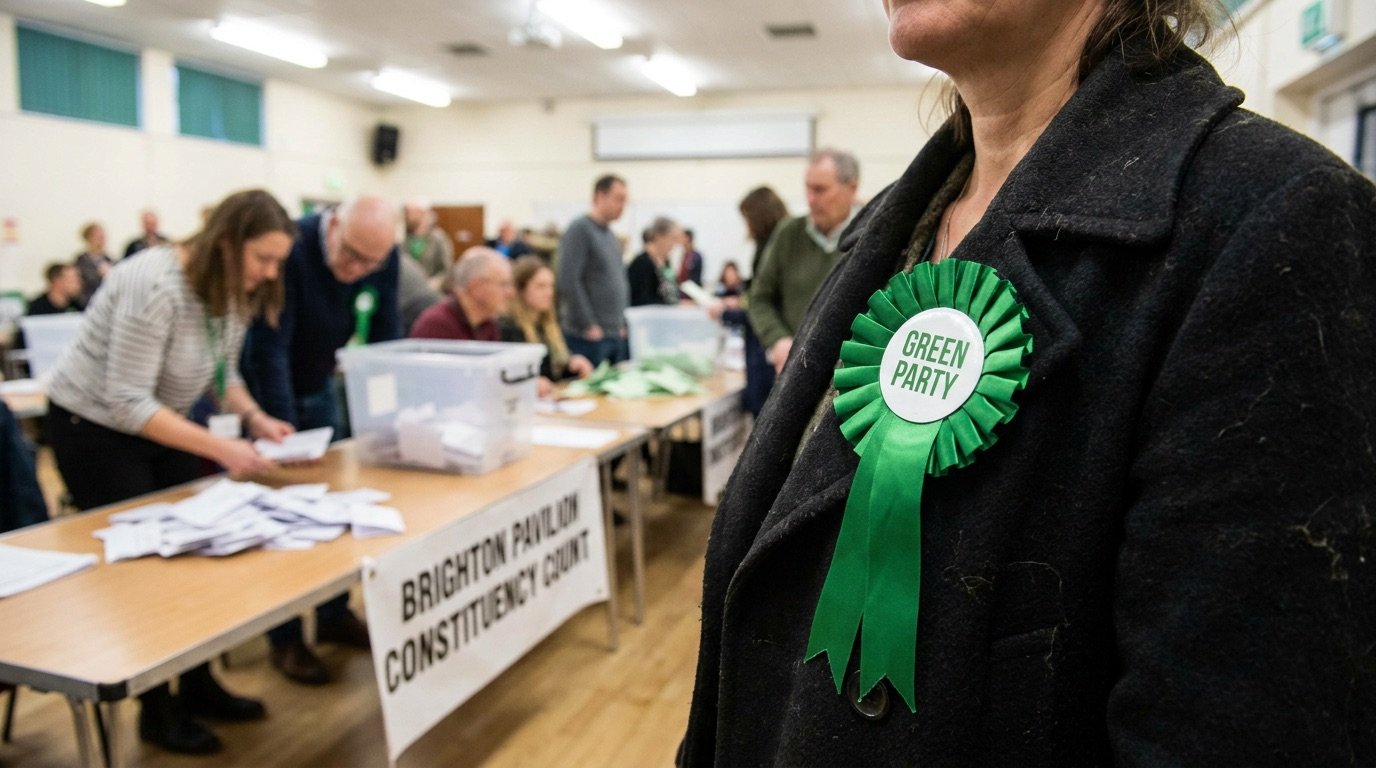
Greens ride high after historic Gorton and Denton by-election win
The party's first northern Westminster victory pushed Labour into third place and reshaped the political map ahead of a knife-edge summer.