NHS rolls out first new ovarian cancer drug in over 20 years
Up to 400 women a year with hard-to-treat ovarian cancer will be offered mirvetuximab soravtansine, a targeted therapy shown to extend survival, after NICE recommended it for use on the NHS in England.
Eleanor Whitfield
Writer ·
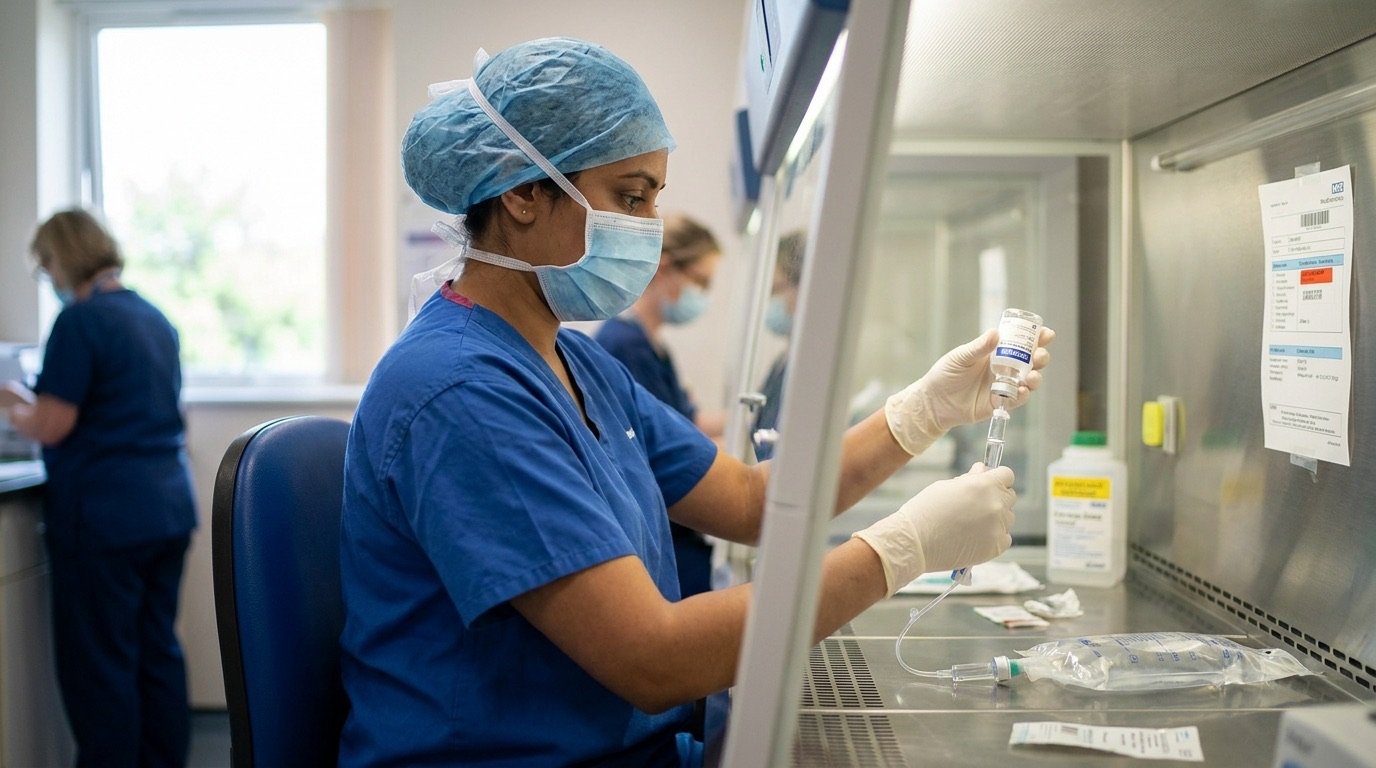
Hundreds of women with hard-to-treat ovarian cancer are to benefit from a new, life-extending drug on the NHS, the first new addition to NHS treatment for the disease in more than two decades. NHS England confirmed on 4 June that the targeted therapy mirvetuximab soravtansine, sold under the brand name Elahere, would be made available after a recommendation from the National Institute for Health and Care Excellence.
The drug is offered to patients whose ovarian cancer has stopped responding to standard platinum-based chemotherapy and whose tumours carry high levels of a protein called folate receptor alpha. The NHS estimates up to 400 women in England each year could be eligible.
The approval has been described by clinicians as the most significant breakthrough in treating this group of patients in over twenty years, a period in which options for women with platinum-resistant disease have been extremely limited.
How the drug works
Mirvetuximab soravtansine is what is known as an antibody-drug conjugate. It combines a homing antibody with a cancer-killing molecule. The antibody attaches to ovarian cancer cells that display the folate receptor alpha protein on their surface, then releases the toxic payload, destroying the cell from within while limiting the impact on healthy tissue. Because the drug is directed at a specific protein, patients are tested to check whether their tumour carries high levels of folate receptor alpha before treatment begins, an example of the increasingly personalised approach to cancer care.
In a major global clinical trial, the treatment delayed the progression of the disease and prolonged survival. Patients lived an average of 16.5 months compared with 12.8 months for those on chemotherapy, and 37 per cent saw their tumours shrink by at least 30 per cent, against 16 per cent on standard treatment.
- Up to 400 women in England each year expected to be eligible
- Average survival of 16.5 months in trials, against 12.8 months with chemotherapy
- 37 per cent of patients saw tumours shrink by at least 30 per cent
- Targets cancers with high levels of folate receptor alpha that resist platinum chemotherapy
What patients say
Women who took part in trials of the drug spoke of being able to maintain a more normal life during treatment, with fewer of the debilitating side effects associated with repeated rounds of chemotherapy.
“It actually adds life to years, rather than spending your life in bed recovering from the side effects.”
— Patricia Hill, a retired NHS physiotherapist who took part in a trial
A long-awaited option
Ovarian cancer is often diagnosed late, when it has already spread, and platinum-resistant disease has long been one of the hardest forms to treat. The arrival of a targeted therapy that can be matched to a tumour's biology marks a shift towards more personalised treatment for the condition.
“This represents the most significant breakthrough in NHS treatment for these hard-to-treat ovarian cancers in over two decades.”
— Professor Ruth Plummer, NHS national clinical lead for cancer drugs
Background
Around 7,500 women are diagnosed with ovarian cancer in the UK each year, and survival rates have historically lagged behind those of some other cancers, partly because the disease is often caught at an advanced stage when symptoms such as bloating and abdominal discomfort can be mistaken for less serious conditions. Treatment usually involves surgery and platinum-based chemotherapy, but a significant proportion of patients eventually develop resistance, at which point options become scarce. The new drug was trialled at NHS centres including University College London Hospitals, and its approval follows the established route of a NICE appraisal before NHS rollout.
With the drug now recommended, NHS teams will identify eligible patients through testing for folate receptor alpha and begin offering the treatment. Clinicians and charities will be watching closely to see how the therapy performs in routine practice and whether it can build on the survival gains seen in trials. Patient groups have welcomed the decision but stressed the need for fast and consistent access across the country, so that women in every region can benefit without delay. They have also called for continued investment in research, in the hope that more targeted options will follow for a cancer that has seen too few advances over the past two decades.
Referenced coverage: Our reporting and analysis draws on coverage first reported by NHS England. The NE Times publishes original reporting and independent analysis written by our editorial team. We credit and link the outlets whose primary reporting informed this article.
The NE Times is an independent news and analysis publisher. Our articles combine factual reporting with clearly-written, impartial analysis. Content is for general information and does not constitute professional advice. Disclaimer.
You may also like to read
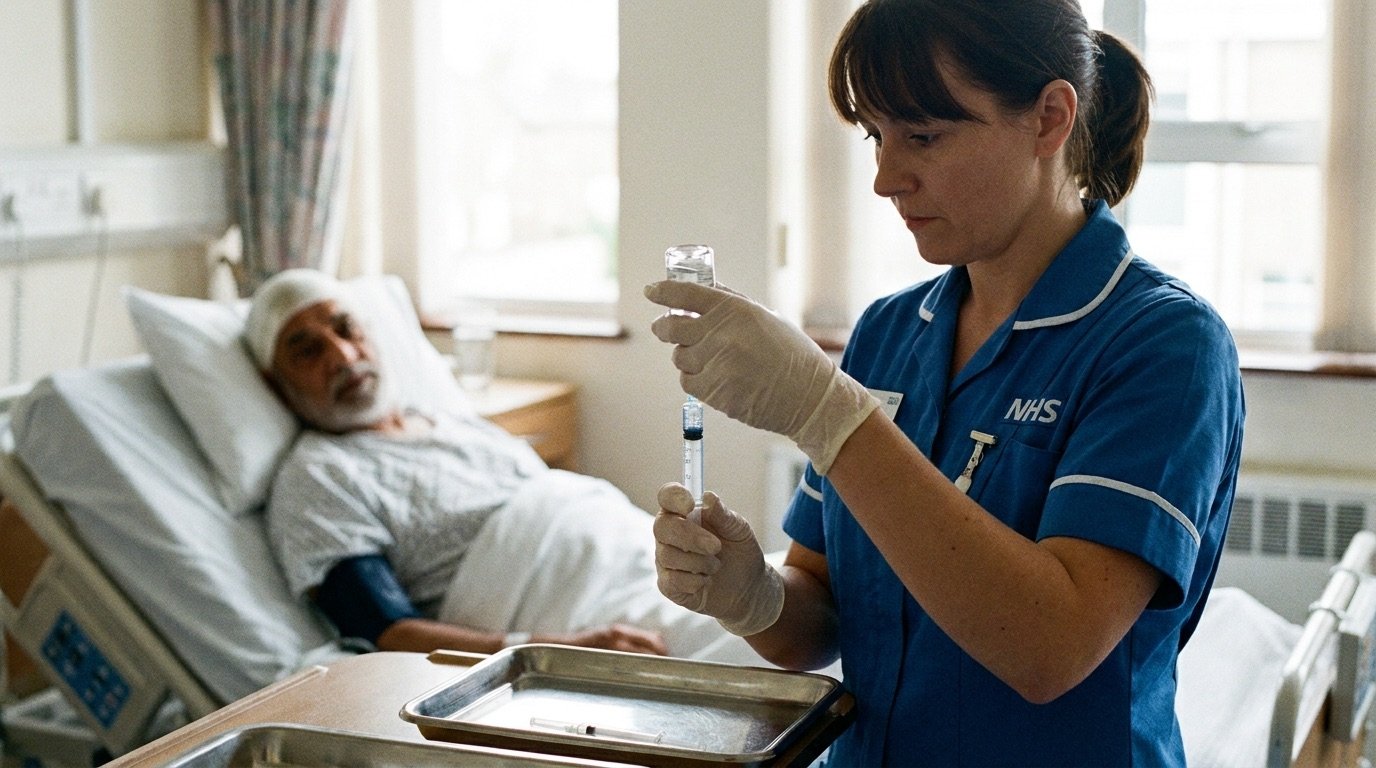
NHS rolls out first new ovarian cancer treatment in two decades for hard-to-treat disease
Around 400 women a year with platinum-resistant ovarian cancer will be offered Elahere, a targeted therapy shown to extend survival compared with standard chemotherapy.

NHS waiting list progress slows as cancer and A&E targets missed
The latest figures show the elective waiting list in England standing at more than 7.2 million cases, with progress on bringing it down described as sluggish and key cancer and emergency targets still being missed.
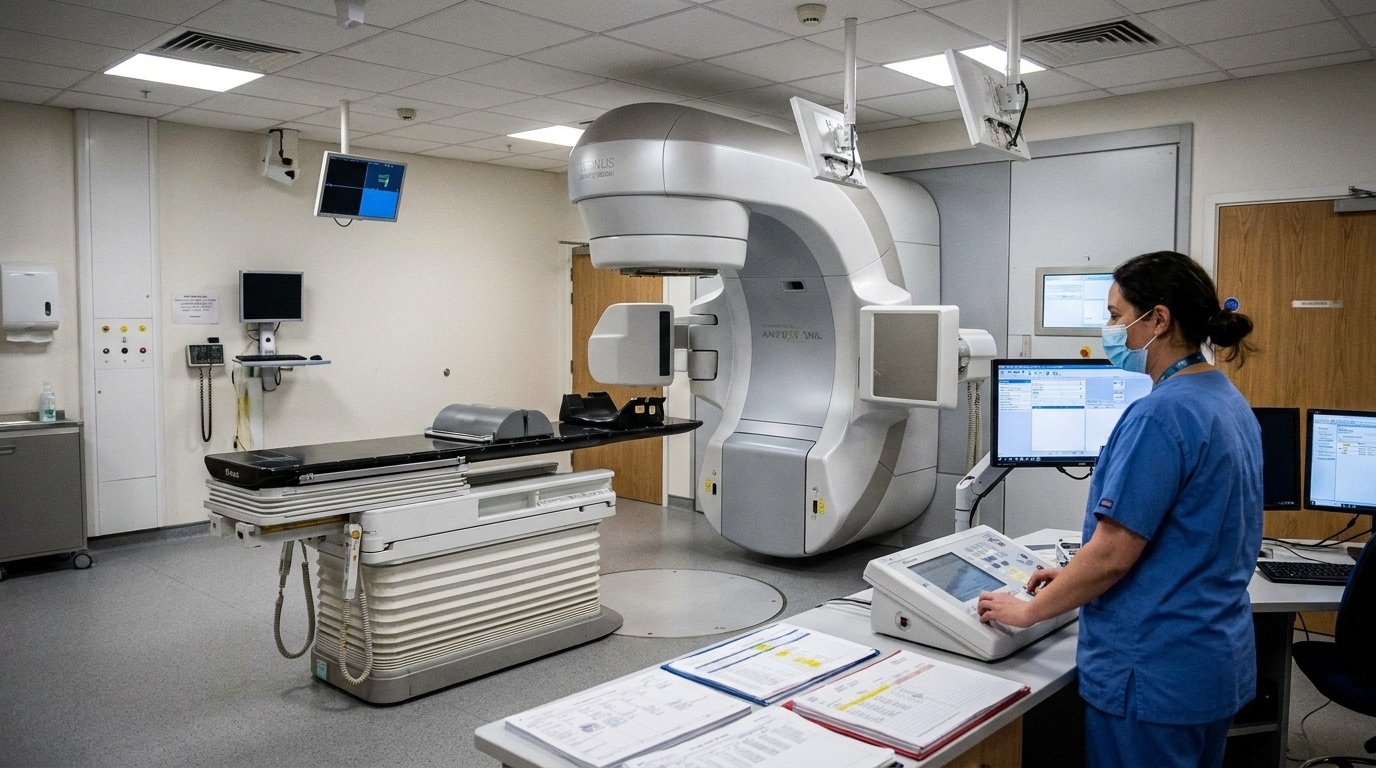
NHS to offer five-session 'precision' radiotherapy for prostate cancer
NHS England has announced that eligible men with early prostate cancer will be offered SABR, a targeted treatment that cuts the number of sessions from at least 20 to five.
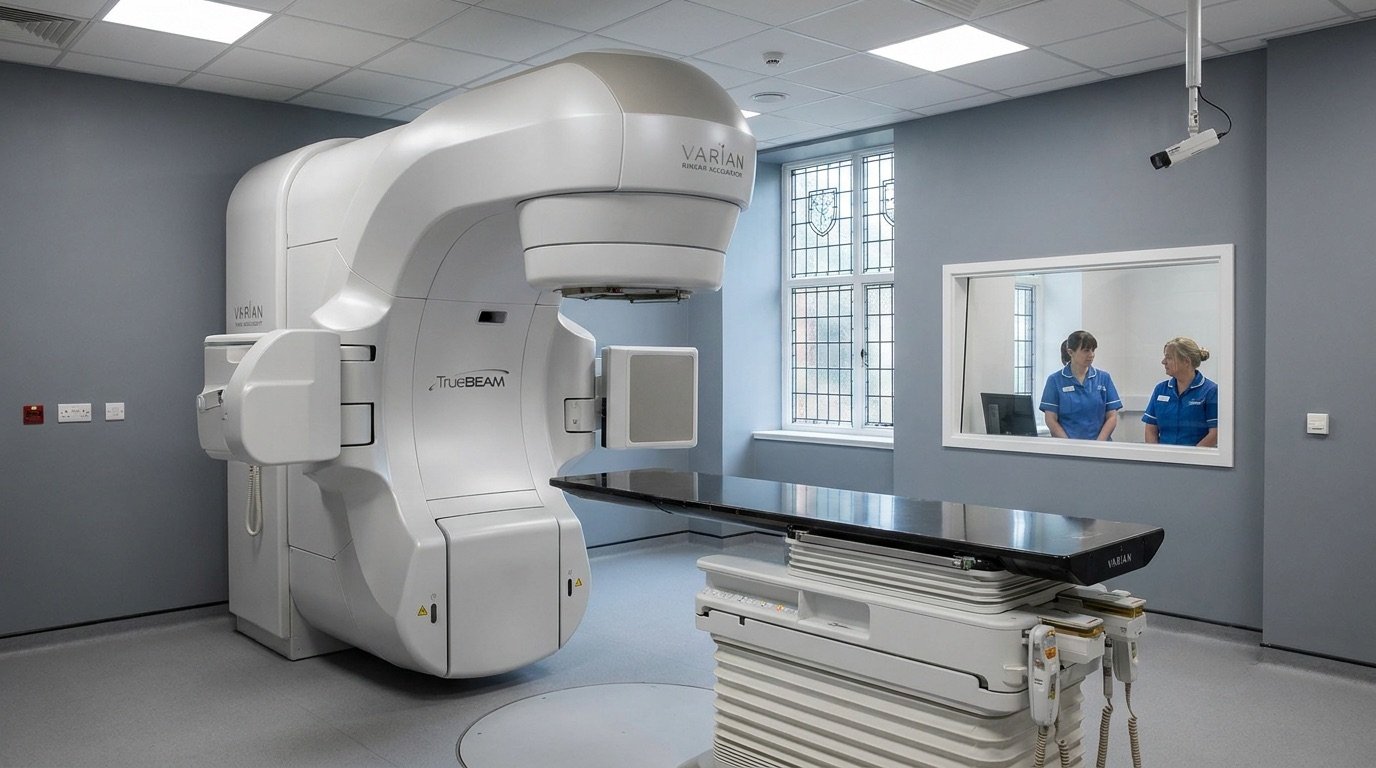
NHS rolls out 'multi-beam' precision radiotherapy for prostate cancer
Thousands of men with localised prostate cancer will be offered SABR, a high-precision radiotherapy that can be delivered in five sessions instead of 20 or more, after a £70 million investment in new machines across England.