NHS rolls out first new ovarian cancer treatment in two decades for hard-to-treat disease
Around 400 women a year with platinum-resistant ovarian cancer will be offered Elahere, a targeted therapy shown to extend survival compared with standard chemotherapy.
Sophie Bennett
Writer ·

The NHS in England has begun offering its first new ovarian cancer treatment in more than 20 years, in what clinicians have called a significant moment for patients with a notoriously difficult form of the disease. The drug, mirvetuximab soravtansine, sold under the brand name Elahere, is a targeted therapy that seeks out and destroys cancer cells while limiting harm to healthy tissue.
It will be available to women with epithelial ovarian, peritoneal or fallopian tube cancer that has become resistant to platinum-based chemotherapy and whose tumours carry a protein called folate receptor alpha. These patients have historically had very limited options once standard chemotherapy stops working, and the arrival of a genuinely new class of treatment has been welcomed by doctors and charities alike.
The information here is general and does not constitute medical advice. Eligibility for the treatment depends on individual circumstances, including the results of a test to confirm whether a tumour carries the relevant protein, and decisions are made by specialist cancer teams.
How the treatment works
Mirvetuximab soravtansine belongs to a group of medicines known as antibody-drug conjugates. These work by combining an antibody, which homes in on a specific marker on the surface of cancer cells, with a potent cell-killing agent. The antibody acts like a guided delivery system, carrying its toxic payload directly to tumour cells while sparing much of the surrounding healthy tissue.
In this case the antibody targets folate receptor alpha, a protein found at high levels on many ovarian cancer cells but far less common on normal cells. Because the drug is so precisely directed, patients often experience a different and sometimes milder profile of side effects compared with conventional chemotherapy, although it carries its own risks, including effects on vision that require monitoring.
What the trials showed
In clinical trials, patients treated with the drug lived for an average of 16.5 months, compared with 12.8 months for those on chemotherapy. More than a third saw their tumours shrink by at least 30 per cent, against 16 per cent of those given chemotherapy. Many patients also reported a better quality of life, with fewer of the gruelling side effects associated with conventional treatment.
For a cancer that is so often diagnosed late and responds poorly once it stops reacting to platinum drugs, an improvement of several months in average survival is regarded as clinically meaningful. Just as importantly, the quality-of-life data suggest patients may be able to spend more of that time feeling well enough to do the things that matter to them.
- Average overall survival of 16.5 months versus 12.8 months with chemotherapy
- Tumour shrinkage of at least 30 per cent in more than a third of patients
- Eligibility limited to tumours that test positive for folate receptor alpha
- Given as an intravenous infusion under specialist supervision
- An estimated 400 women a year expected to benefit in England
NHS England estimates that around 400 women a year could benefit from the therapy, which is given as an infusion. Its introduction follows a recommendation by the National Institute for Health and Care Excellence and a confidential pricing agreement that made the drug affordable for the health service.
“This represents the most significant breakthrough in NHS treatment for these hard-to-treat ovarian cancers in over two decades.”
— Professor Ruth Plummer, NHS national clinical lead for cancer drugs
Background: a long-standing treatment gap
Ovarian cancer is sometimes described as a silent disease because its early symptoms, such as persistent bloating, abdominal pain, feeling full quickly and needing to urinate more often, are vague and easily mistaken for less serious conditions. As a result, a large proportion of cases are not detected until the cancer has already spread, when it is far harder to treat.
For many years, treatment has rested on surgery and platinum-based chemotherapy. While these can be effective initially, a significant number of cancers eventually become resistant to platinum, leaving patients and their doctors with few alternatives. The lack of new options for platinum-resistant disease is precisely why the arrival of a targeted therapy has been greeted as such an important development.
The confidential commercial deal struck between the manufacturer and the NHS reflects an increasingly common approach to bringing expensive new medicines into routine use, allowing the health service to negotiate a price it can sustain while giving patients faster access than they might otherwise have.
What it means for patients
For patients, the difference can be profound. One patient who received the treatment said it added life to years, rather than spending your life in bed recovering from chemotherapy side effects. Charities welcomed the move while urging continued investment in earlier diagnosis, as ovarian cancer is too often detected at an advanced stage.
Looking ahead, specialists say the rollout will require ovarian cancer tumours to be routinely tested for folate receptor alpha so that eligible patients can be identified quickly. Researchers are also studying whether targeted therapies like this one might be used earlier in the course of the disease, or in combination with other drugs. Women concerned about ovarian cancer, or about their treatment options, are encouraged to speak to their GP or cancer team.
Referenced coverage: Our reporting and analysis draws on coverage first reported by NHS England. The NE Times publishes original reporting and independent analysis written by our editorial team. We credit and link the outlets whose primary reporting informed this article.
The NE Times is an independent news and analysis publisher. Our articles combine factual reporting with clearly-written, impartial analysis. Content is for general information and does not constitute professional advice. Disclaimer.
You may also like to read
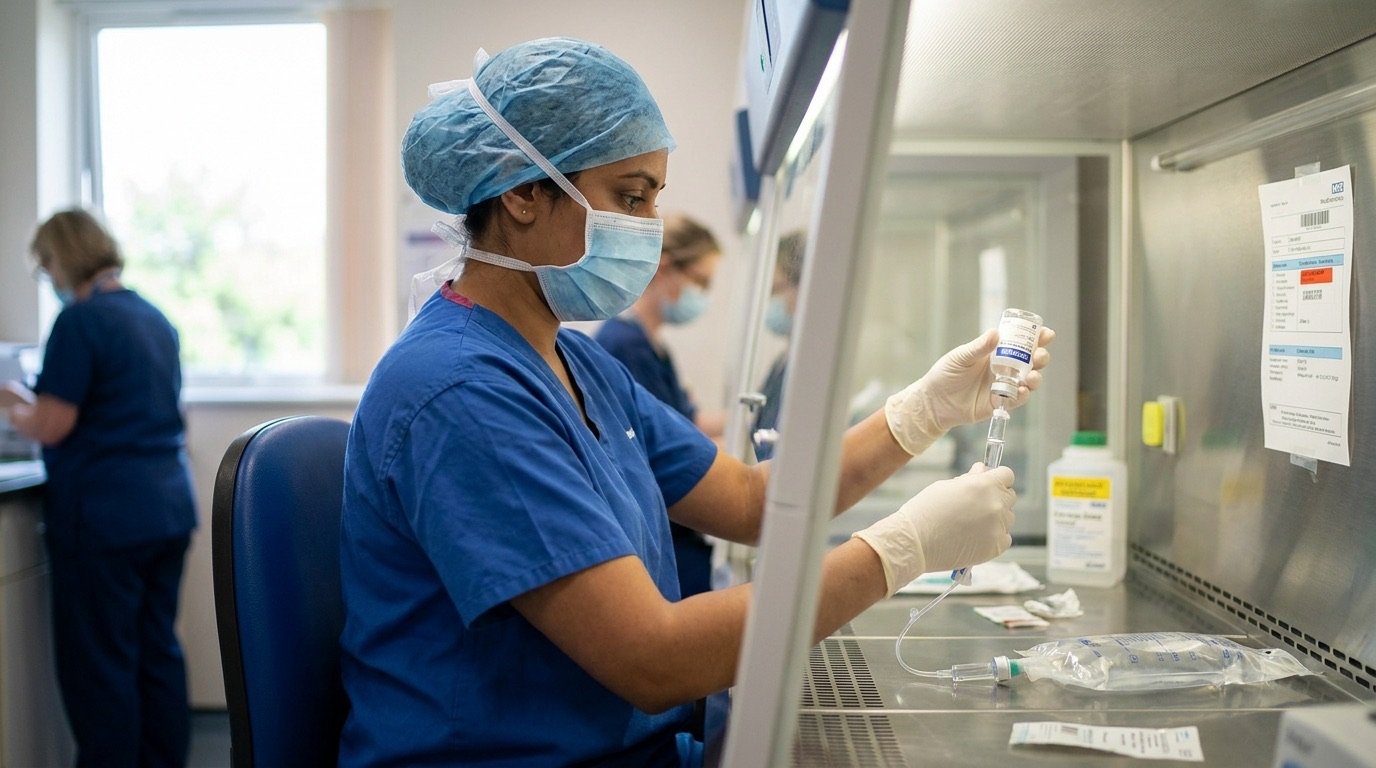
NHS rolls out first new ovarian cancer drug in over 20 years
Up to 400 women a year with hard-to-treat ovarian cancer will be offered mirvetuximab soravtansine, a targeted therapy shown to extend survival, after NICE recommended it for use on the NHS in England.

Hospitals Keep Improvising Through Heatwaves — the Plan Has to Come First
Europe's latest extreme heat shows health systems built for an older climate cannot keep writing heatwave plans after the wards are already hot.

Nottingham maternity review finds avoidable harm and deaths
The Donna Ockenden review uncovers widespread failures in maternity and neonatal care at Nottingham hospitals, prompting families to demand a public inquiry.

Nottingham maternity review set to lay bare a decade of failings affecting thousands
Donna Ockenden's review into maternity care at Nottingham University Hospitals, billed as the largest of its kind in NHS history, is expected to detail deaths, stillbirths and serious injuries spanning 2012 to 2025.