Nottingham maternity review set to lay bare a decade of failings affecting thousands
Donna Ockenden's review into maternity care at Nottingham University Hospitals, billed as the largest of its kind in NHS history, is expected to detail deaths, stillbirths and serious injuries spanning 2012 to 2025.
Sophie Bennett
Writer ·
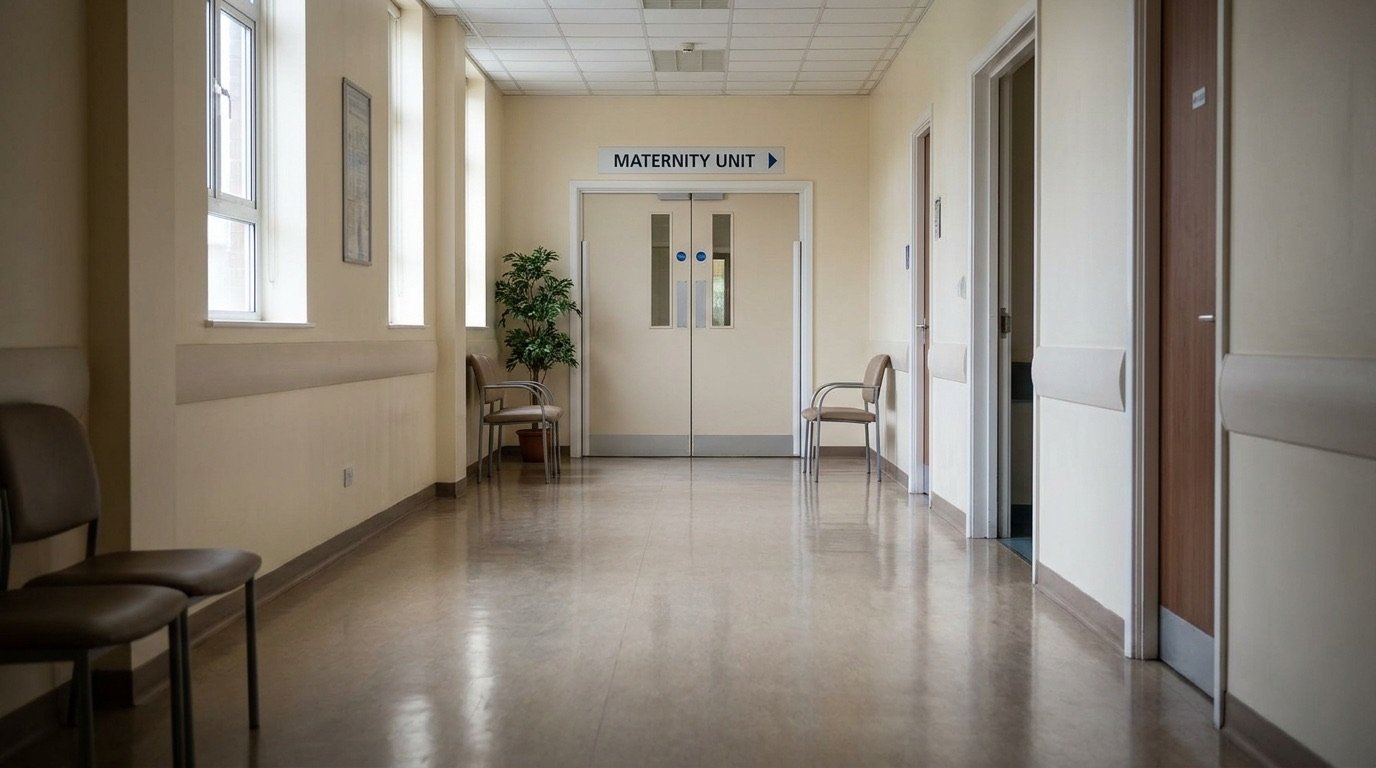
A major independent review into maternity care at Nottingham University Hospitals NHS Trust is expected to set out serious and longstanding failings that affected thousands of families over more than a decade.
Led by the senior midwife Donna Ockenden and due to be published on 24 June, the review has been described in advance as the largest maternity investigation in NHS history. It examines cases from 2012 to 2025, including the deaths of mothers and babies, stillbirths and life-changing injuries.
For the bereaved and the injured, publication is likely to be a profoundly painful moment. Many of those involved have campaigned for years to have their experiences formally acknowledged, and they will be reading the findings as a record of what happened to their own families.
The scale of the inquiry
More than 2,500 families, along with hundreds of current and former staff, contributed evidence to the review. Reporting ahead of publication suggests it will scrutinise unsafe clinical practice, leadership failures and a workplace culture in which families say their concerns were too readily dismissed.
The review is expected to draw on a range of evidence in building its account of what went wrong:
- Testimony from more than 2,500 affected families
- Accounts from hundreds of current and former members of staff
- Cases spanning 2012 to 2025, including deaths, stillbirths and serious injuries
- Examination of clinical practice, leadership, culture and how concerns were handled
Why it matters beyond Nottingham
The findings are expected to intensify pressure on the NHS, regulators and ministers, not least because Nottingham follows earlier maternity scandals that also produced national recommendations. Families have repeatedly argued that those lessons must be enforced rather than simply restated.
The trust says its services have improved, but inspectors have continued to rate some areas as requiring improvement, and professional regulators are examining the conduct of a number of staff.
The questions still unanswered
The report's importance lies not only in the number of cases but in the recurring question it poses for maternity care across England: why have such similar warnings surfaced again and again, and why have families so often had to fight for recognition only after harm has occurred?
Campaigners hope the review will mark a turning point, but only if its recommendations translate into measurable, lasting change rather than another set of pledges. The coming days are likely to test whether the system can move from acknowledging failure to preventing it.
Referenced coverage: Our reporting and analysis draws on coverage first reported by The Guardian. The NE Times publishes original reporting and independent analysis written by our editorial team. We credit and link the outlets whose primary reporting informed this article.
The NE Times is an independent news and analysis publisher. Our articles combine factual reporting with clearly-written, impartial analysis. Content is for general information and does not constitute professional advice. Disclaimer.
You may also like to read
Nottingham maternity review finds avoidable harm and deaths
The Donna Ockenden review uncovers widespread failures in maternity and neonatal care at Nottingham hospitals, prompting families to demand a public inquiry.
Two arrested over Nottingham hospital mortuary practices ahead of maternity review
Nottinghamshire Police have arrested two men on suspicion of misconduct in a public office over mortuary practices at Nottingham University Hospitals, a separate inquiry that has compounded scrutiny of the trust.
NHS to offer five-session 'precision' radiotherapy for prostate cancer
NHS England has announced that eligible men with early prostate cancer will be offered SABR, a targeted treatment that cuts the number of sessions from at least 20 to five.

Hospitals Keep Improvising Through Heatwaves — the Plan Has to Come First
Europe's latest extreme heat shows health systems built for an older climate cannot keep writing heatwave plans after the wards are already hot.