NHS waiting list progress slows as cancer and A&E targets missed
The latest figures show the elective waiting list in England standing at more than 7.2 million cases, with progress on bringing it down described as sluggish and key cancer and emergency targets still being missed.
Eleanor Whitfield
Writer ·

Progress on cutting the NHS waiting list in England has slowed, according to the latest figures, with the backlog for planned hospital treatment still standing at more than seven million cases. The most recent detailed data shows the waiting list at around 7.22 million cases, representing some 6.11 million individual patients, many of whom have been waiting months for treatment.
Analysts described the rate of improvement as sluggish, warning that while the list remains below its earlier peaks, the pace of reduction is not fast enough to meet the government's ambitions within the planned timeframe. Around 2.53 million people on the list have been waiting more than 18 weeks, the threshold the NHS is supposed to meet for routine treatment.
The figures came alongside continued underperformance against key cancer and emergency care standards, underlining the scale of the challenge facing the health service as it tries to recover from years of disruption.
Cancer targets missed
Performance against cancer waiting time standards remained below target. In the most recent month for which figures are available, 70 per cent of patients received their first cancer treatment within 62 days of an urgent referral, well short of the 85 per cent operational standard. Delays at the start of the cancer pathway can have serious consequences for patients, making timely diagnosis and treatment a priority for clinicians and campaigners alike.
- Elective waiting list at around 7.22 million cases
- Approximately 6.11 million individual patients waiting
- Around 2.53 million people waiting more than 18 weeks
- 70 per cent treated within 62 days for cancer, against an 85 per cent standard
A&E under strain
Emergency care also continued to fall short of standards, with a large share of patients at major A&E departments waiting longer than four hours to be seen, admitted or discharged. The pressure on emergency departments, intensified by record summer attendances, has knock-on effects across hospitals, including on the ability to admit patients and free up beds.
“These figures show that progress on the waiting list has stalled, and without sustained action the recovery risks losing momentum.”
— a health policy analyst
What is driving the slowdown
A number of factors have contributed to the slower pace of improvement, including industrial action, high levels of demand, workforce shortages and the difficulty of discharging patients who are medically fit to leave but cannot be safely supported at home or in social care. Each of these pressures makes it harder for hospitals to carry out planned operations and clear the backlog.
Health leaders have argued that lasting progress depends not only on extra activity but on reforms to the way care is delivered, including shifting more services into the community and improving the flow of patients through the system. They point out that hospitals cannot carry out planned operations efficiently if beds are occupied by patients who are ready to leave but have nowhere suitable to go.
There is also wide variation between different parts of the country and different specialties, with some areas and services having made far more progress than others. Tackling that variation, and learning from the places that have managed to cut their lists fastest, is seen as an important part of any sustained recovery.
Background
The waiting list grew sharply during and after the pandemic, when many routine operations and appointments were postponed. Successive governments have promised to bring it down, and there has been some progress from the peaks reached a couple of years ago. However, the sheer size of the backlog, combined with rising demand and repeated disruption, has made sustained reductions difficult to achieve. The government has set out a long-term plan for the NHS that aims to reform services and improve performance over the coming decade.
Attention will now turn to whether the suspension of strike action and continued investment can accelerate progress over the summer and autumn. Campaigners are calling for honesty about the scale of the task and sustained focus on the patients who have been waiting longest.
Referenced coverage: Our reporting and analysis draws on coverage first reported by The King's Fund. The NE Times publishes original reporting and independent analysis written by our editorial team. We credit and link the outlets whose primary reporting informed this article.
The NE Times is an independent news and analysis publisher. Our articles combine factual reporting with clearly-written, impartial analysis. Content is for general information and does not constitute professional advice. Disclaimer.
You may also like to read
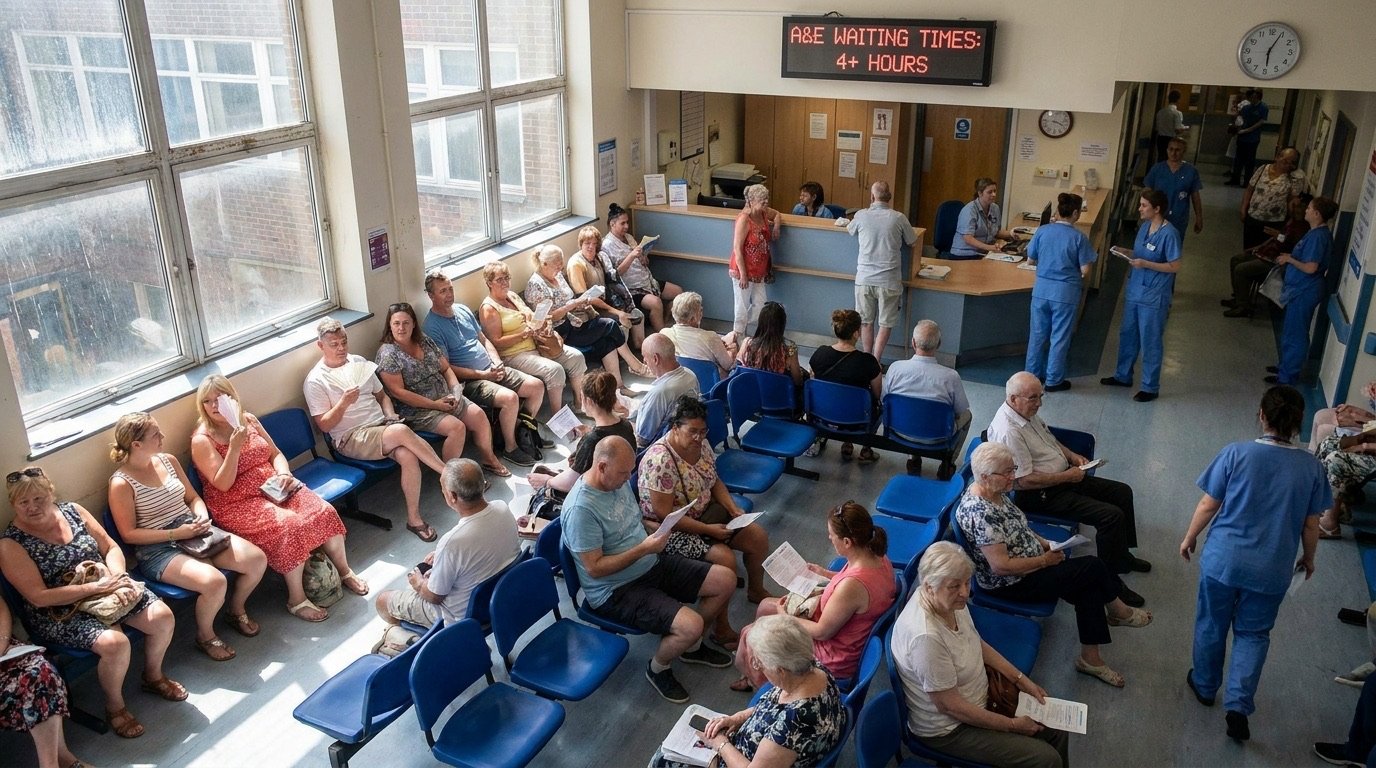
NHS A&E departments record busiest May ever after heatwave
Hospitals in England managed nearly 2.46 million A&E attendances in May, the highest for any month on record, as a heatwave drove a surge in demand and June set a fresh record for the month.
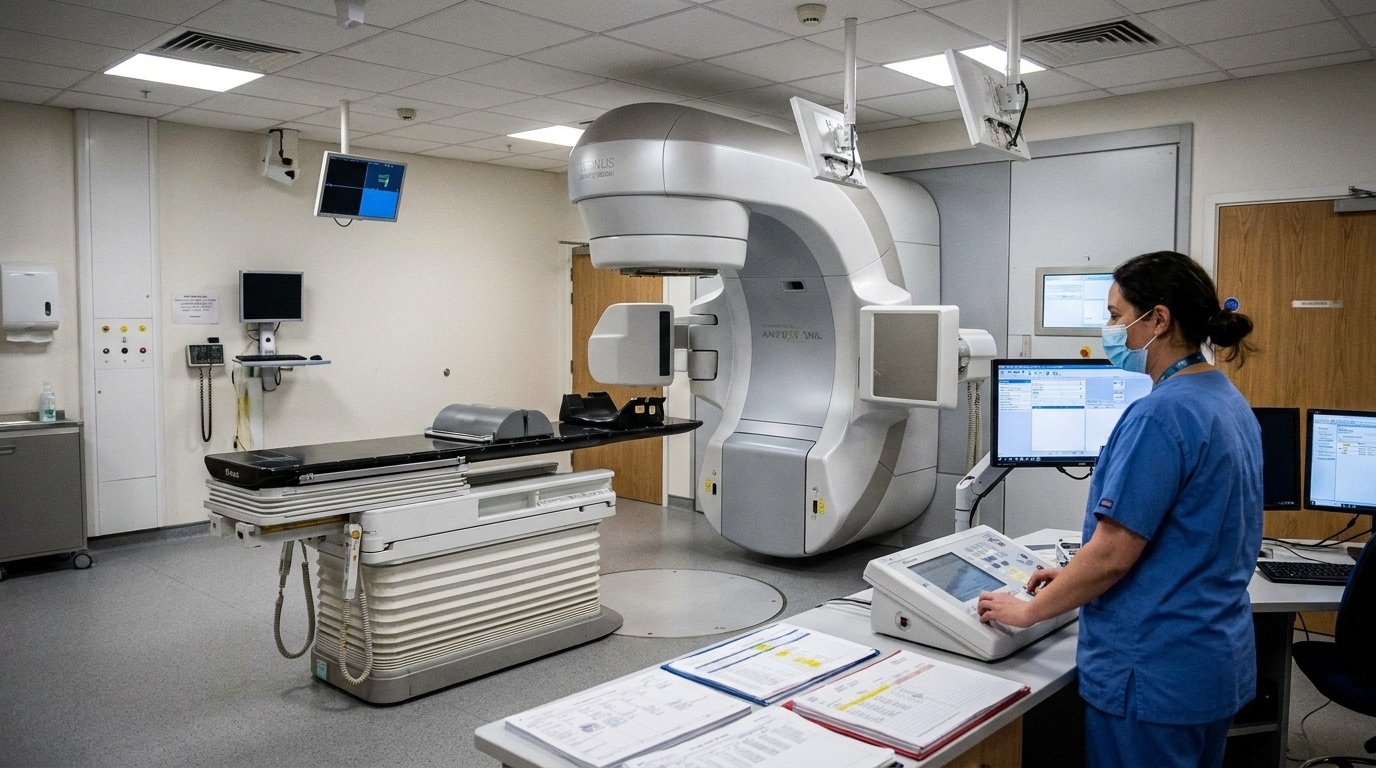
NHS to offer five-session 'precision' radiotherapy for prostate cancer
NHS England has announced that eligible men with early prostate cancer will be offered SABR, a targeted treatment that cuts the number of sessions from at least 20 to five.
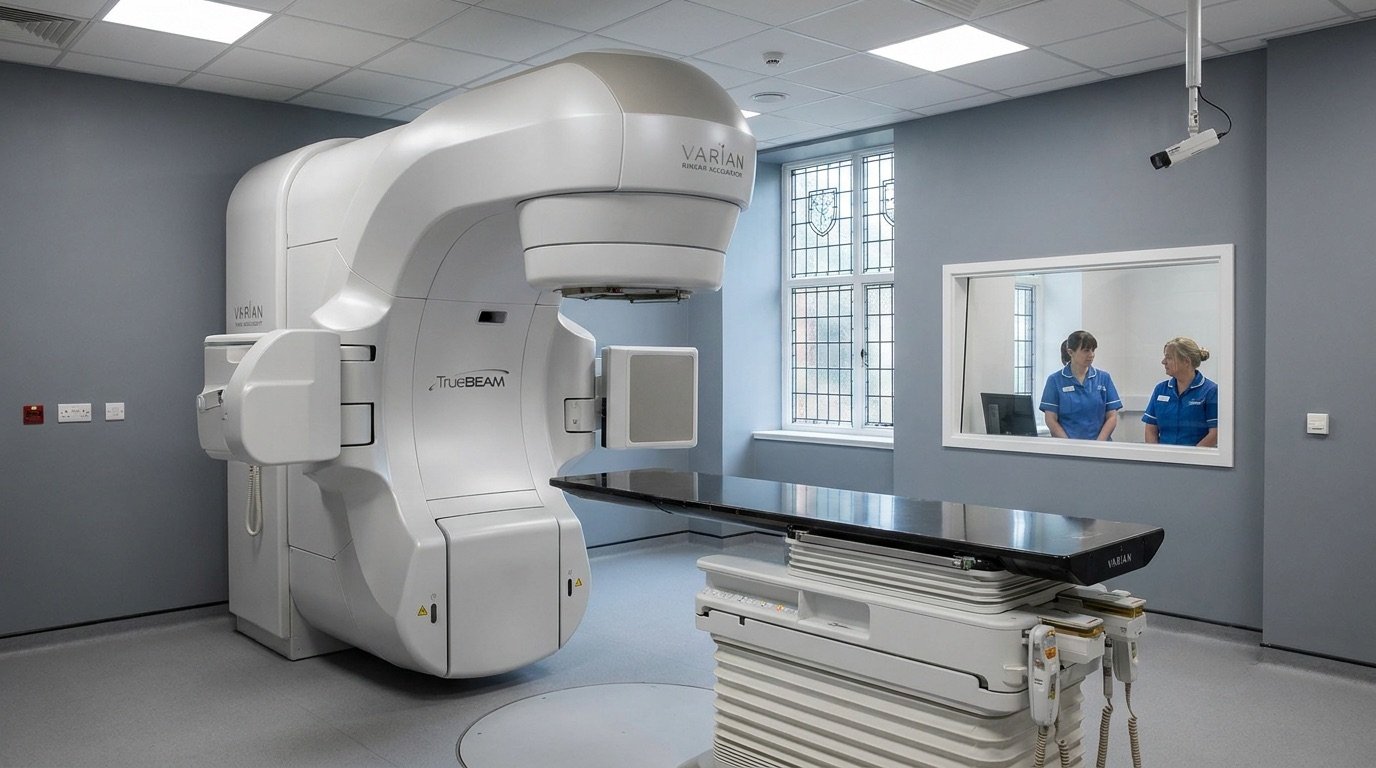
NHS rolls out 'multi-beam' precision radiotherapy for prostate cancer
Thousands of men with localised prostate cancer will be offered SABR, a high-precision radiotherapy that can be delivered in five sessions instead of 20 or more, after a £70 million investment in new machines across England.
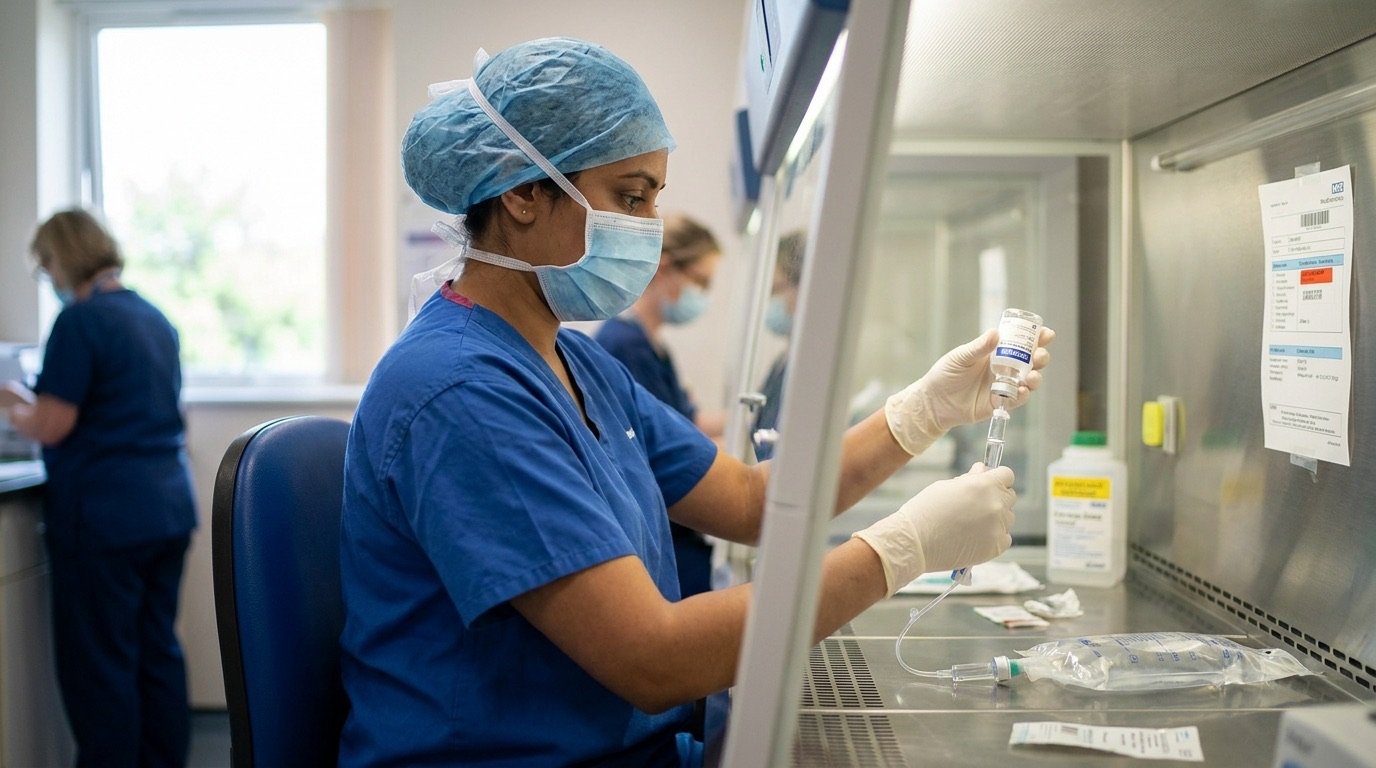
NHS rolls out first new ovarian cancer drug in over 20 years
Up to 400 women a year with hard-to-treat ovarian cancer will be offered mirvetuximab soravtansine, a targeted therapy shown to extend survival, after NICE recommended it for use on the NHS in England.