UK house prices hold broadly steady as borrowing costs bite
The average home cost just under £299,000 in May, with Halifax reporting a slight monthly dip while annual growth ticked up to 0.5 per cent.
Rajan Mehta
Writer ·
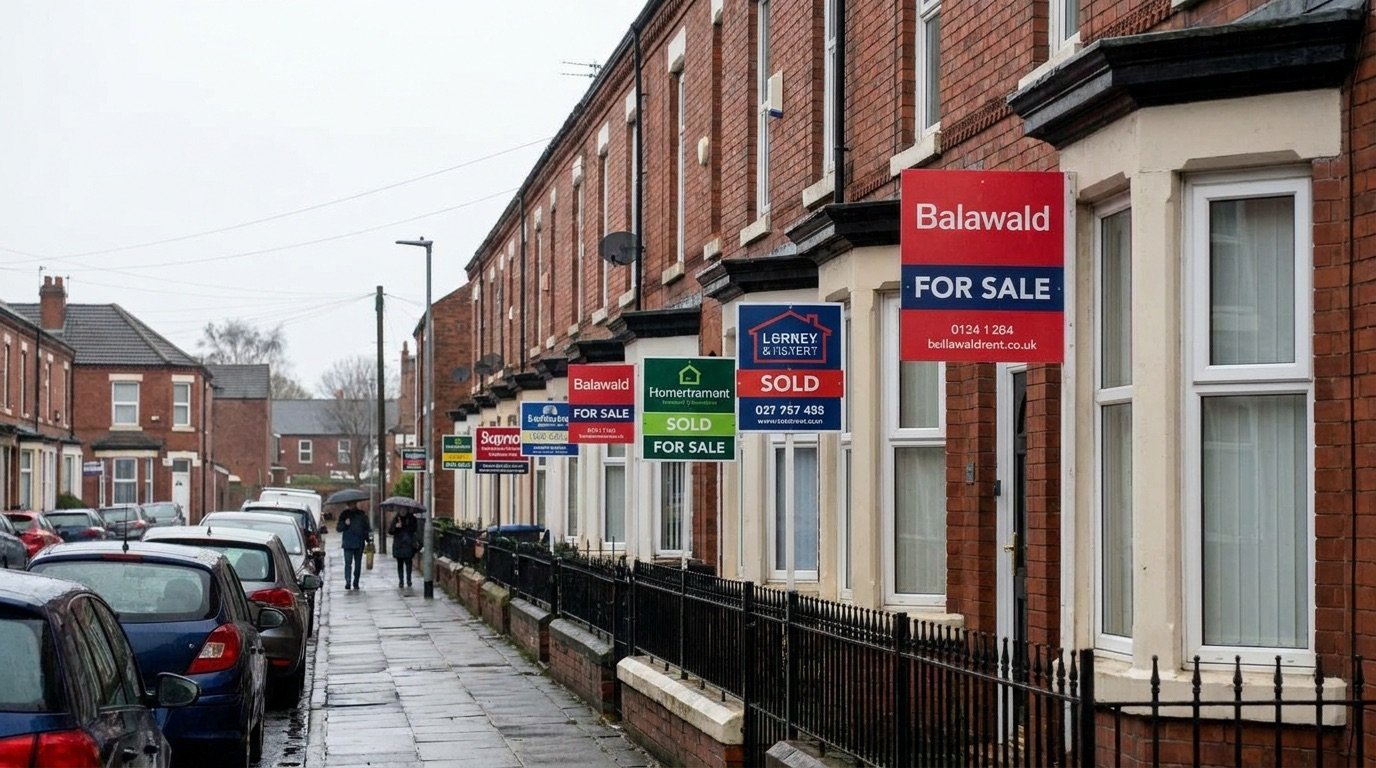
UK house prices remained broadly stable in May, according to Halifax, with the typical property costing £298,806 and the pace of annual growth edging up to 0.5 per cent. The figures depict a market that is neither falling sharply nor recovering with any vigour, but instead drifting sideways under the weight of higher borrowing costs.
On a monthly basis prices slipped by 0.1 per cent, matching the small decline seen in April, as higher borrowing costs continued to temper demand. The back-to-back monthly dips suggest that the affordability pressures squeezing buyers have not yet eased, even as the headline annual figure crept back into positive territory.
For prospective buyers and sellers alike, the stability is a double-edged development. Steady prices offer a measure of predictability after the turbulence of recent years, but the lack of momentum reflects an underlying caution that is keeping many would-be movers on the sidelines.
A widening regional divide
The headline calm masked sharp regional differences. Northern Ireland again led the way with annual growth of 7.8 per cent, while the North West also posted solid gains. These areas, where average prices remain lower than in the south, have benefited from relatively better affordability that has supported demand even as borrowing costs have risen.
By contrast, the South East and London both recorded falls over the year. The capital and its surrounding commuter belt, where prices are highest, are the most exposed to the affordability squeeze created by elevated mortgage rates. Stretched valuations leave less room for growth when the cost of borrowing climbs.
- Average UK property price of £298,806 in May
- Annual growth of 0.5 per cent, monthly fall of 0.1 per cent
- Northern Ireland up 7.8 per cent year on year
- London values down around 1.5 per cent
- Nationwide reported annual growth of 1.7 per cent for the same month
A separate index from Nationwide painted a similar picture of a cooling market, reporting annual growth of 1.7 per cent but a monthly decline of 0.6 per cent in May. The two lenders use different methodologies, which can produce divergent monthly figures, but their broad message is consistent: the market has lost the heat of recent years.
Economists linked the subdued activity to mortgage rates staying above the levels seen at the start of the year, with expectations of firmer inflation keeping borrowing costs elevated. As long as the cost of a typical mortgage remains high relative to incomes, the scope for strong price growth is limited.
The affordability squeeze
Affordability is at the heart of the current standstill. House prices rose dramatically over the past decade, far outpacing wages in many regions, while mortgage rates have climbed from the historic lows of the early 2020s. The result is that buyers now face significantly higher monthly costs than they would have a few years ago for the same property.
That pressure weighs most heavily on first-time buyers, who must save larger deposits and meet stricter affordability tests. Many are delaying purchases or being priced out of the areas where they would prefer to live, which in turn dampens demand and keeps a lid on prices, particularly at the more expensive end of the market.
“The market is being held in check by the simple arithmetic of mortgage costs. Until borrowing becomes cheaper, it is hard to see prices taking off.”
— A property market economist
Background: from boom to balance
The housing market has been through a remarkable cycle in recent years. A pandemic-era boom, fuelled by ultra-low interest rates and a rush for more space, sent prices soaring. That was followed by a sharp adjustment as borrowing costs rose, before the market settled into the more subdued pattern seen today.
The current phase of broad stability represents a kind of equilibrium between buyers wary of high costs and sellers reluctant to accept lower prices. The regional contrasts within that picture, with strong growth in more affordable areas and weakness in the pricey south, reflect how affordability has become the dominant force shaping the market.
What happens next
The outlook hinges largely on the path of interest rates. If the Bank of England is able to lower borrowing costs later in the year, mortgage rates could ease and demand revive, supporting prices. But with energy-driven inflation risks keeping rates elevated for now, a meaningful pick-up may be some way off.
For the time being, the market looks set to continue its sideways drift, with modest national figures concealing sharp regional divides. Buyers and sellers will be watching the Bank of England closely, knowing that the next significant move in house prices is likely to follow the next significant move in the cost of borrowing.
Referenced coverage: Our reporting and analysis draws on coverage first reported by Halifax. The NE Times publishes original reporting and independent analysis written by our editorial team. We credit and link the outlets whose primary reporting informed this article.
The NE Times is an independent news and analysis publisher. Our articles combine factual reporting with clearly-written, impartial analysis. Content is for general information and does not constitute professional advice. Disclaimer.
You may also like to read
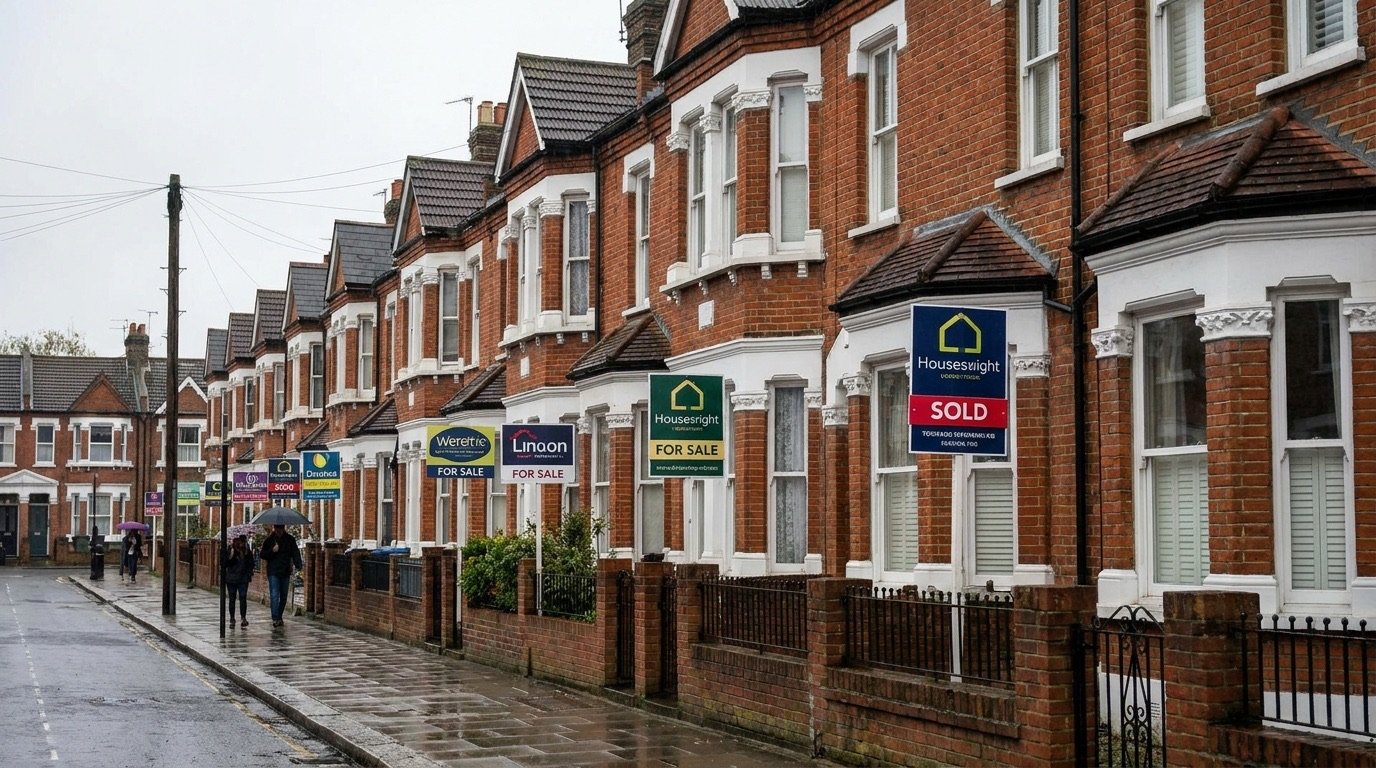
House prices dip in May as lenders trim mortgage rates despite global jitters
Property values edged lower last month as Middle East uncertainty sapped momentum, even as a string of major lenders cut selected fixed deals in a battle for borrowers.
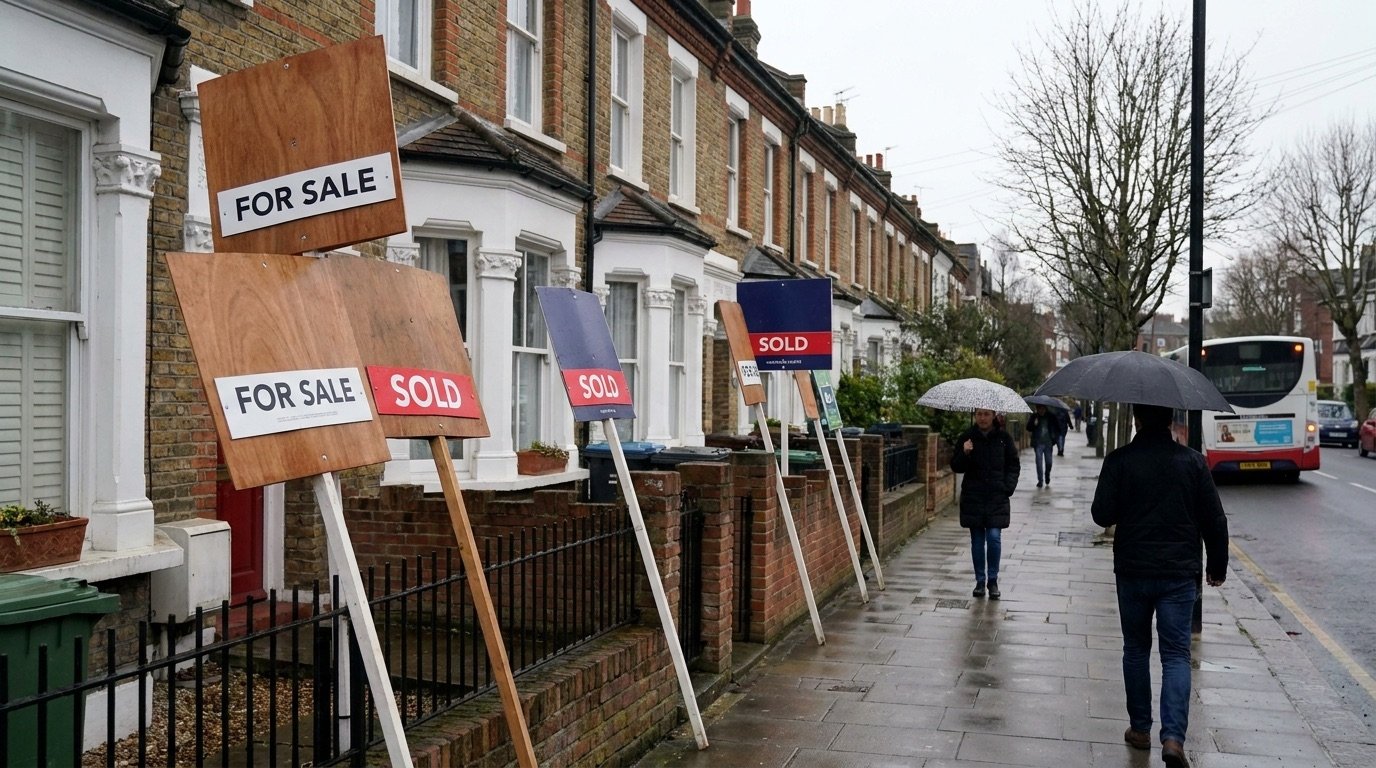
UK house prices fall for first time this year as north-south divide widens
A surprise monthly drop reported by Nationwide has confirmed a cooling property market, with prices sliding in the south while northern regions and the devolved nations continue to climb.
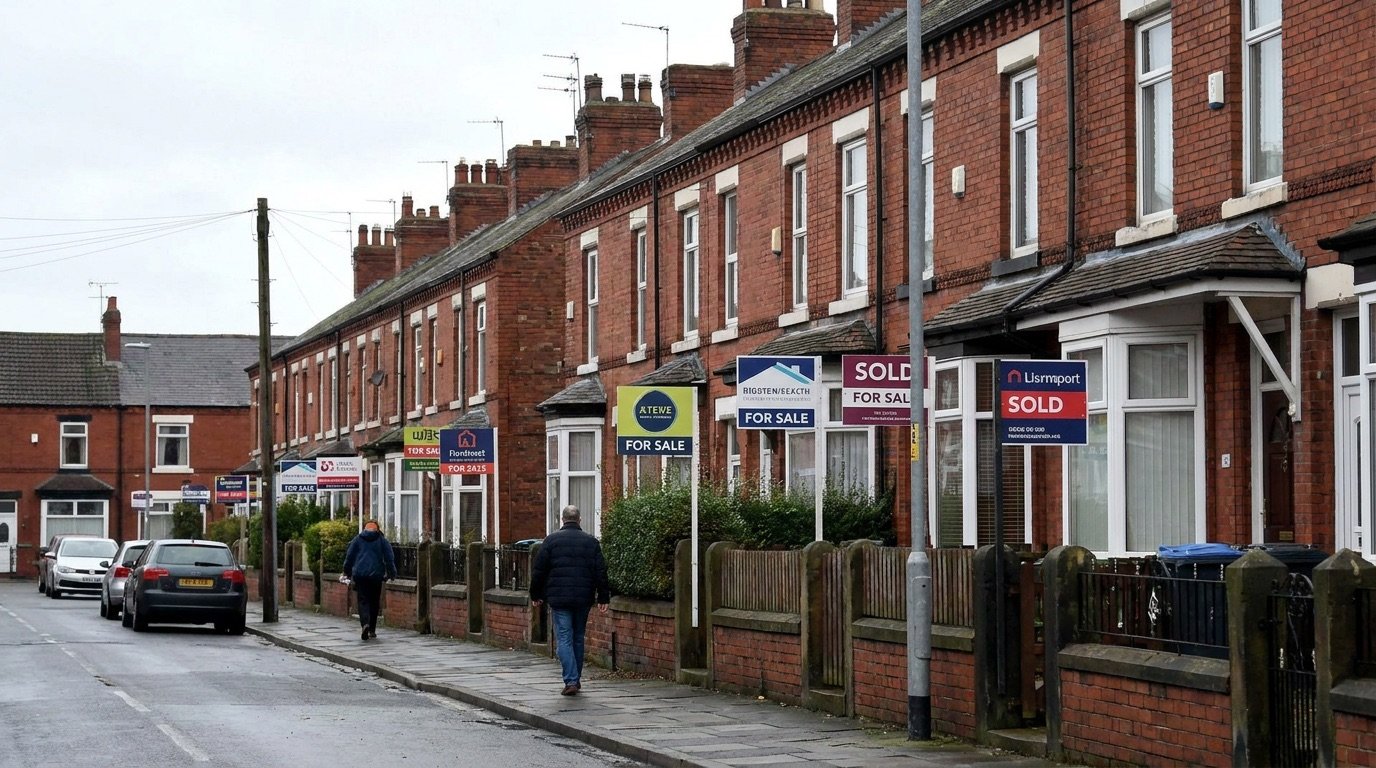
UK house prices flatline in May as a north-south divide hardens
Halifax says the typical home now costs just under £299,000 with annual growth of 0.5%, but the headline masks a stark split between a buoyant north and a weakening south.
Bank of England set to hold rates at 3.75% as oil shock derails hopes of summer cuts
Economists are virtually unanimous that the Monetary Policy Committee will leave borrowing costs unchanged on Thursday, with a Middle East oil-price spike forcing rate-setters into a holding pattern just as households had begun to hope for relief.