New independent asylum appeals body promised as tribunal backlog passes 139,000
Ministers want to lift asylum and human-rights appeals out of the overloaded courts and into a faster body of trained adjudicators. Lawyers warn speed must not come at the cost of fairness.
Eleanor Whitfield
Writer ·
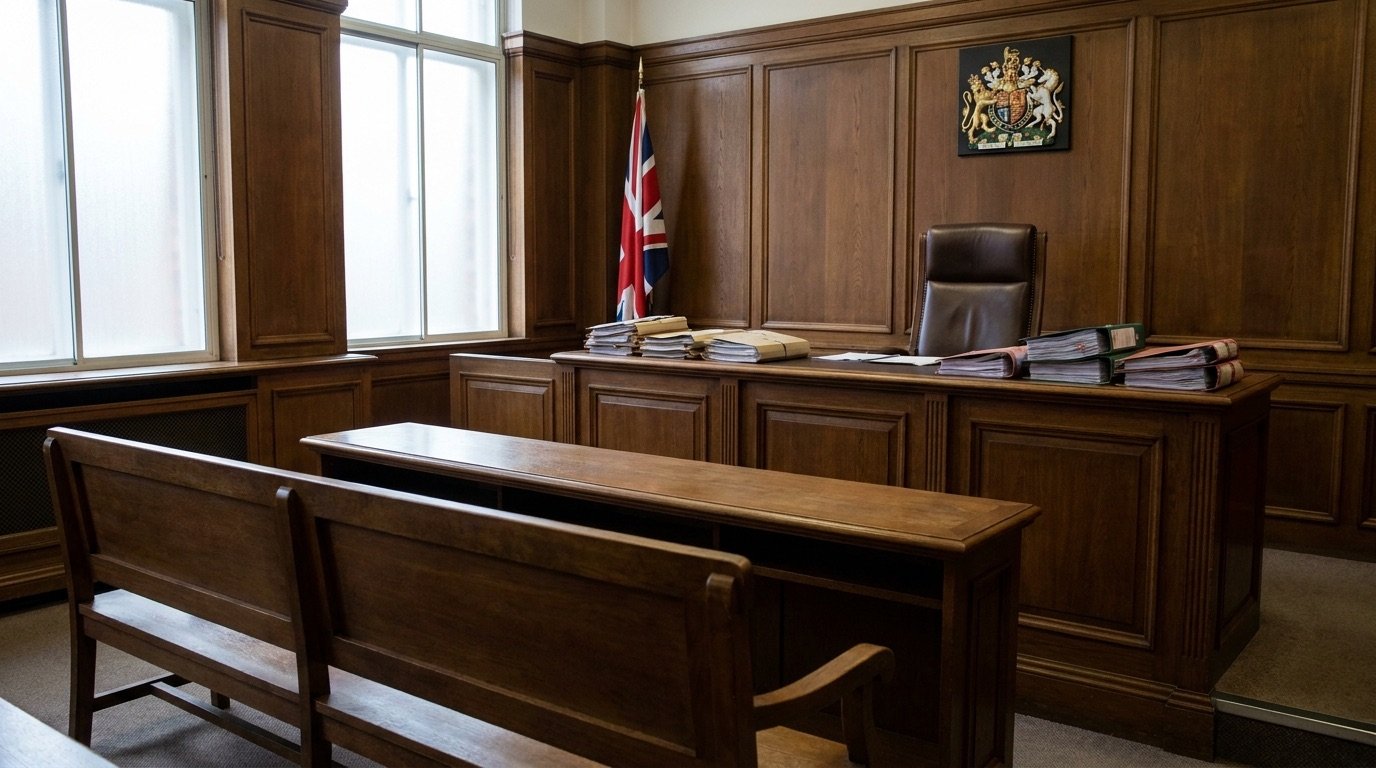
A backlog of asylum and human-rights appeals that has swollen to more than 139,000 open cases has become one of the most intractable problems facing the Home Office, and the government's answer is to take a large share of that work out of the courts altogether.
The proposed Independent Appeals Body would create a new route for challenging refused asylum and protection decisions, staffed by professionally trained adjudicators rather than the legally qualified judges who currently sit in the First-tier Tribunal's Immigration and Asylum Chamber. A call for evidence ran from 25 March to 6 May 2026, and the immigration sector now expects draft legislation to follow.
Supporters say the existing system is buckling. Critics counter that the cause of the delays is chronic under-resourcing, not the structure of the tribunal, and that a parallel body could weaken hard-won legal safeguards.
The scale of the backlog
By the end of 2025 the First-tier Tribunal had around 139,000 open cases, with the average waiting time stretching to roughly 58 weeks, up about nine weeks year on year. Asylum and protection appeals averaged some 63 weeks, and human-rights appeals around 64 weeks.
For cases entering the system now, practitioners say the realistic wait is closer to three years. More than 80,000 of the open cases are asylum and protection appeals, involving an estimated 105,000 people, many of them housed in Home Office accommodation while they wait.
“Justice delayed in this system is not an abstraction. It is years of someone's life spent in limbo, and a bill for the taxpayer that grows every week.”
How the new body would work
Under the proposals the body would hear appeals through a single route designed to bring finality, reducing the repeated or late submissions that ministers blame for clogging the courts. Adjudicators would not necessarily hold formal legal qualifications, in contrast to tribunal judges who currently need at least five years' experience.
The government argues that consolidating all relevant matters into one appeal, with a clearer end point, would speed up decisions and free judicial capacity. The body would sit alongside, rather than fully replace, the wider tribunal structure in the first instance.
- A single appeal route intended to deliver faster, final decisions
- Adjudicators drawn from varied professional backgrounds, not only the judiciary
- A focus on clearing the inherited backlog of asylum and protection appeals
- Tighter rules on further submissions and late or repeat claims
Lawyers sound the alarm
Immigration practitioners have given a guarded response. Many accept the system needs reform but warn that removing the requirement for legally qualified decision-makers risks lowering the quality and consistency of rulings in cases that can carry life-or-death consequences.
There is also concern that a body set up primarily to clear numbers could feel pressure to prioritise speed over careful scrutiny, and that limiting appeal routes might shut off legitimate challenges to flawed Home Office decisions.
“We support reform that clears the backlog fairly. We do not support a system that trades the rule of law for a faster conveyor belt.”
Background
The appeals overhaul sits within a wider package of asylum and returns changes the government set out from late 2025 and through 2026, including a move from a five-year grant of refugee leave to 30 months of temporary protection for most newly recognised refugees who claimed asylum from 2 March 2026.
Ministers have framed the changes as restoring order and control to a system they say lost the public's confidence, while refugee organisations argue the cumulative effect is to make protection harder to secure and easier to lose.
What happens next
With the call for evidence closed, attention turns to whether the government brings forward a Bill to put the Independent Appeals Body on a statutory footing, and how it answers warnings from the legal profession. The detail of who the adjudicators are, what training they receive and what onward challenge remains available will determine whether the reform clears the backlog without eroding fairness.
Referenced coverage: Our reporting and analysis draws on coverage first reported by GOV.UK / Free Movement. The NE Times publishes original reporting and independent analysis written by our editorial team. We credit and link the outlets whose primary reporting informed this article.
The NE Times is an independent news and analysis publisher. Our articles combine factual reporting with clearly-written, impartial analysis. Content is for general information and does not constitute professional advice. Disclaimer.
You may also like to read
Family returns plan sparks backlash as charities warn of 'enforced destitution'
A 12-week consultation on returning refused families would scale back support for those with no legal right to remain. Refugee groups say the proposals risk pushing children into poverty.
Backlog at five-year low as Home Office leans on cash-for-returns pilot
Initial-decision asylum cases have fallen to around 35,700, their lowest since 2020, while a new pilot offering families up to £40,000 to leave voluntarily faces questions over how many have actually taken it up.

710 in one day: Channel sees its busiest day of 2026 as summer crossing season opens
Some 710 people arrived on 11 boats on 15 June, the largest single-day total of the year so far, after a six-day weather lull — underlining how quickly arrivals climb once conditions calm.
Asylum support shifts from legal duty to ministerial discretion
From June, the Home Office no longer has a binding duty to support destitute asylum seekers, replacing it with a discretionary power and the ability to suspend payments for unauthorised work.