Asylum support shifts from legal duty to ministerial discretion
From June, the Home Office no longer has a binding duty to support destitute asylum seekers, replacing it with a discretionary power and the ability to suspend payments for unauthorised work.
Eleanor Whitfield
Writer ·
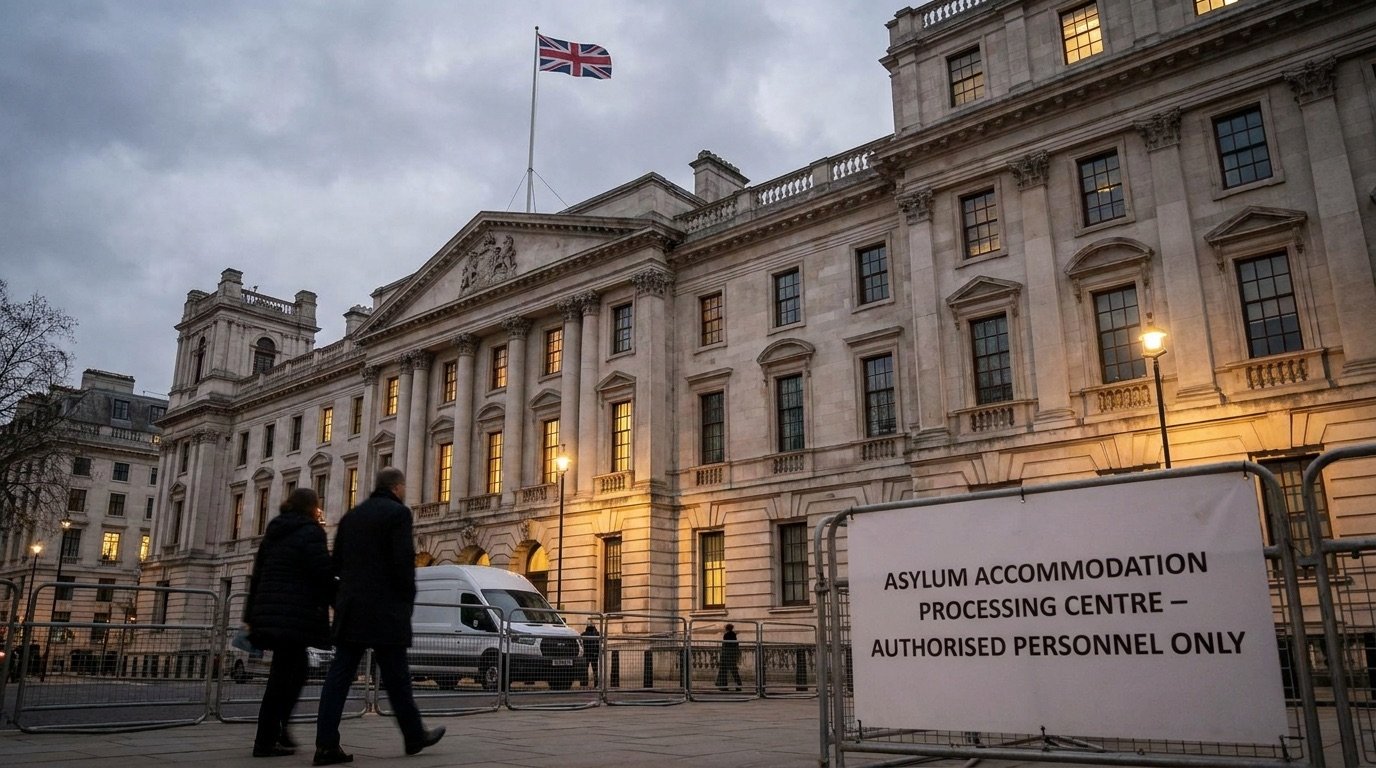
One of the quieter but most consequential changes to the asylum system has now taken effect: from June 2026 the Home Office no longer has a legal duty to provide support to destitute asylum seekers, only a discretionary power to do so.
The shift, delivered through a statutory instrument laid before Parliament, converts what was a binding obligation into a matter of ministerial choice. It is accompanied by new powers to suspend or stop support where there are reasonable grounds to believe a person has worked while not permitted to.
Refugee organisations describe the change as a fundamental weakening of the safety net for people who, by law, are largely barred from working while their claims are decided.
From duty to power
Previously, the Home Office was under a duty to provide accommodation and a small weekly allowance to asylum seekers who would otherwise be destitute. The new framework restores a discretionary power, giving officials greater latitude over whether and how support is offered.
Ministers argue discretion lets them tailor support more closely to individual circumstances and tackle abuse, while critics say it removes a legal guarantee that vulnerable people have relied on to avoid homelessness and hunger.
- Legal duty to support destitute asylum seekers replaced by a discretionary power
- Came into force in June 2026 via secondary legislation
- New power to suspend or stop support over suspected unauthorised work
- Applies while most asylum seekers remain barred from working
Support and the right to work
The Asylum Support (Amendment) Regulations 2026 allow the Secretary of State to suspend or end a person's support if there are reasonable grounds to believe they have worked unlawfully, linking the support regime more tightly to compliance.
Campaigners argue this is contradictory, given that asylum seekers are generally prohibited from working, and warn that the threat of losing support could push people into the very informal economy the government is trying to police.
“You cannot ban people from working, then punish them with destitution on suspicion they have worked. It is a trap, not a policy.”
The government's defence
The Home Office says the changes are about restoring control and ensuring support is properly targeted at those who genuinely need it, rather than maintained as an open-ended entitlement regardless of conduct.
Officials insist discretion will be exercised responsibly and that genuinely destitute claimants will continue to receive help, while those who breach the rules should not expect the same treatment.
“Support should be a backstop for the genuinely destitute, not an unconditional entitlement immune from any expectation of compliance.”
Background
The support change is one element of a sweeping set of reforms across 2026 that included a move to 30-month temporary protection for refugees, the visa brake on high-risk nationalities, a consultation on family returns and plans for an Independent Appeals Body. Together they mark a decisive hardening of the asylum framework.
The Migration Observatory and other analysts have noted that converting duties into powers gives ministers flexibility but reduces the legal certainty available to those affected, shifting the balance of the system.
What happens next
Much will depend on how the discretion is exercised in practice and whether published guidance reassures the courts and charities that genuinely destitute people will not fall through the gaps. Legal challenges are likely if individuals are left without support, testing how far the new power can be stretched.
Referenced coverage: Our reporting and analysis draws on coverage first reported by Migration Observatory. The NE Times publishes original reporting and independent analysis written by our editorial team. We credit and link the outlets whose primary reporting informed this article.
The NE Times is an independent news and analysis publisher. Our articles combine factual reporting with clearly-written, impartial analysis. Content is for general information and does not constitute professional advice. Disclaimer.
You may also like to read

New independent asylum appeals body promised as tribunal backlog passes 139,000
Ministers want to lift asylum and human-rights appeals out of the overloaded courts and into a faster body of trained adjudicators. Lawyers warn speed must not come at the cost of fairness.
Family returns plan sparks backlash as charities warn of 'enforced destitution'
A 12-week consultation on returning refused families would scale back support for those with no legal right to remain. Refugee groups say the proposals risk pushing children into poverty.

Backlog at five-year low as Home Office leans on cash-for-returns pilot
Initial-decision asylum cases have fallen to around 35,700, their lowest since 2020, while a new pilot offering families up to £40,000 to leave voluntarily faces questions over how many have actually taken it up.

710 in one day: Channel sees its busiest day of 2026 as summer crossing season opens
Some 710 people arrived on 11 boats on 15 June, the largest single-day total of the year so far, after a six-day weather lull — underlining how quickly arrivals climb once conditions calm.