Backlog at five-year low as Home Office leans on cash-for-returns pilot
Initial-decision asylum cases have fallen to around 35,700, their lowest since 2020, while a new pilot offering families up to £40,000 to leave voluntarily faces questions over how many have actually taken it up.
Eleanor Whitfield
Writer ·
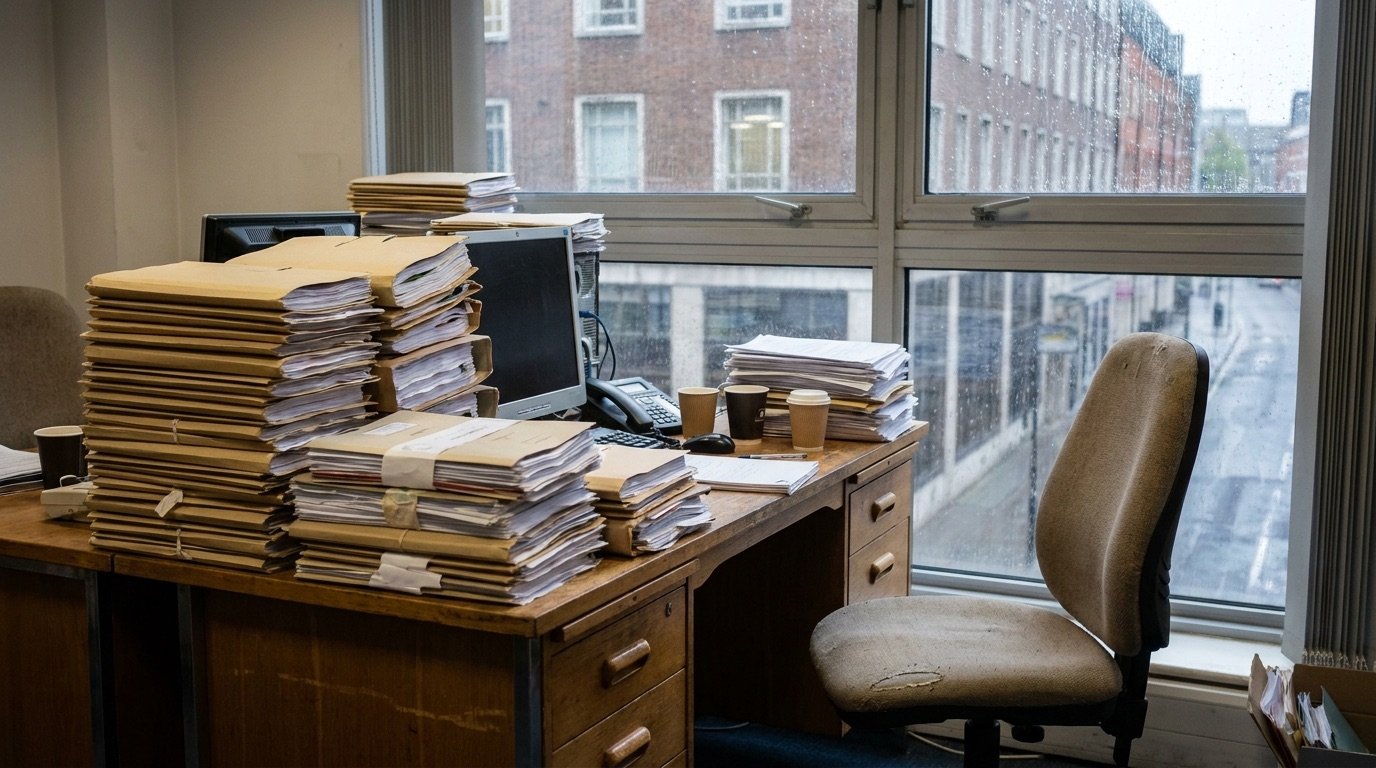
The number of asylum cases awaiting an initial decision has fallen to around 35,700, according to the latest figures to March 2026 — the lowest level since 2020 and a fall of roughly 73% from the peak of about 134,000 reached in June 2023.
The reduction in the so-called initial-decision backlog has been one of the few areas where ministers can point to clear movement. Asylum applications themselves edged down to around 76,700 in the year to March 2026, relating to about 93,500 people, while 42% of applications were granted at initial decision in 2025.
But clearing the queue of first decisions does not end the system's pressures: appeals, removals and the cost of accommodating people while their cases are resolved all continue to weigh on the Home Office.
Cash incentives to leave
Central to the government's returns strategy is a pilot launched in March 2026 offering enhanced voluntary-return packages to certain failed asylum-seeker families. Under the scheme, families can be offered £10,000 per person, up to a maximum of £40,000 per household, alongside free flights, to leave the UK voluntarily.
The Home Office said about 150 families were eligible, with sources suggesting the pilot could be expanded to a further thousand families if judged successful. Ministers have justified the payments by pointing to the cost of supporting families in asylum accommodation, which they say can run to as much as £158,000 per family per year.
- Initial-decision backlog down to around 35,700 cases as of March 2026 — lowest since 2020.
- Asylum applications fell to about 76,700 in the year to March 2026, covering some 93,500 people.
- 42% of applications were granted at initial decision in 2025.
- Voluntary-return pilot offers families £10,000 per person, up to £40,000 per household, plus flights.
- About 150 families eligible; potential expansion to a further 1,000 if successful.
Questions over uptake
The headline offer has drawn scrutiny over transparency. The Home Office has not published a clear figure for how many eligible families have actually accepted the package, leaving open the question of whether the financial incentive is changing behaviour at scale or simply restating an option that few take.
Supporters argue that even a modest uptake can save money relative to long-term accommodation costs, and that voluntary departures are cheaper and less contentious than enforced removals. Critics question both the value for money and the ethics of large cash payments, and note that the scheme sits alongside a consultation on how families with children might be forcibly removed in future.
“Supporting families in asylum accommodation can cost up to £158,000 a year. A successful voluntary returns scheme is far better value for the taxpayer.”
Background
The asylum backlog ballooned during 2022 and 2023 as applications rose and decision-making slowed, peaking at well over 130,000 initial-decision cases. Reducing it has been a cross-party priority because each unresolved case carries accommodation and support costs while people wait.
Voluntary returns have long been part of the immigration system, but the scale of the new family payments marks an escalation in financial incentives, reflecting ministers' search for ways to reduce the population in costly accommodation without resorting solely to enforcement.
What happens next: pressure will grow on the Home Office to publish uptake figures for the voluntary-returns pilot, while attention turns to whether the falling initial-decision backlog can be sustained as appeals and removals become the system's next bottleneck.
Referenced coverage: Our reporting and analysis draws on coverage first reported by House of Commons Library. The NE Times publishes original reporting and independent analysis written by our editorial team. We credit and link the outlets whose primary reporting informed this article.
The NE Times is an independent news and analysis publisher. Our articles combine factual reporting with clearly-written, impartial analysis. Content is for general information and does not constitute professional advice. Disclaimer.
You may also like to read

New independent asylum appeals body promised as tribunal backlog passes 139,000
Ministers want to lift asylum and human-rights appeals out of the overloaded courts and into a faster body of trained adjudicators. Lawyers warn speed must not come at the cost of fairness.
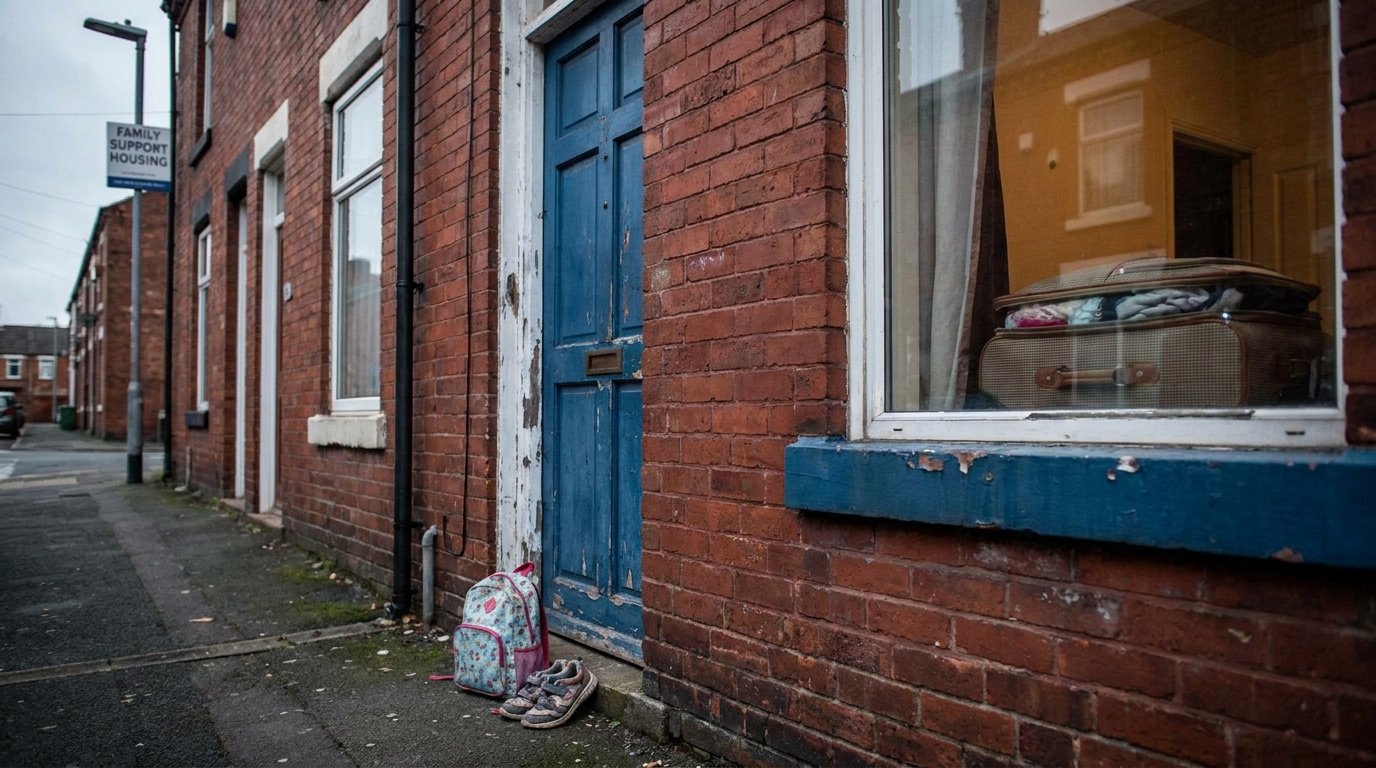
Family returns plan sparks backlash as charities warn of 'enforced destitution'
A 12-week consultation on returning refused families would scale back support for those with no legal right to remain. Refugee groups say the proposals risk pushing children into poverty.
710 in one day: Channel sees its busiest day of 2026 as summer crossing season opens
Some 710 people arrived on 11 boats on 15 June, the largest single-day total of the year so far, after a six-day weather lull — underlining how quickly arrivals climb once conditions calm.
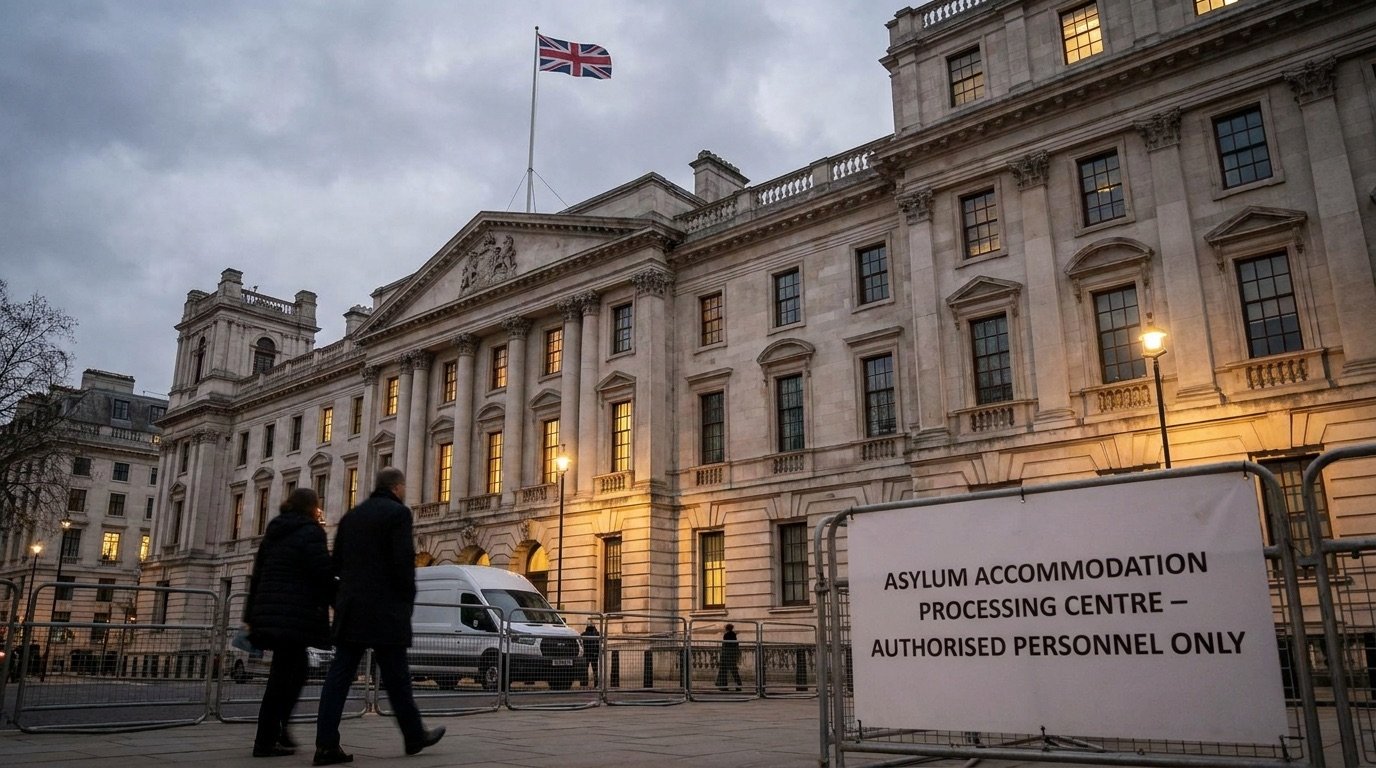
Asylum support shifts from legal duty to ministerial discretion
From June, the Home Office no longer has a binding duty to support destitute asylum seekers, replacing it with a discretionary power and the ability to suspend payments for unauthorised work.