Britain's biggest retailers shed nearly 18,000 jobs as costs bite
Higher employer National Insurance and wage rises have driven a wave of cuts across the high street, with Tesco accounting for the steepest reduction.
Rajan Mehta
Writer ·
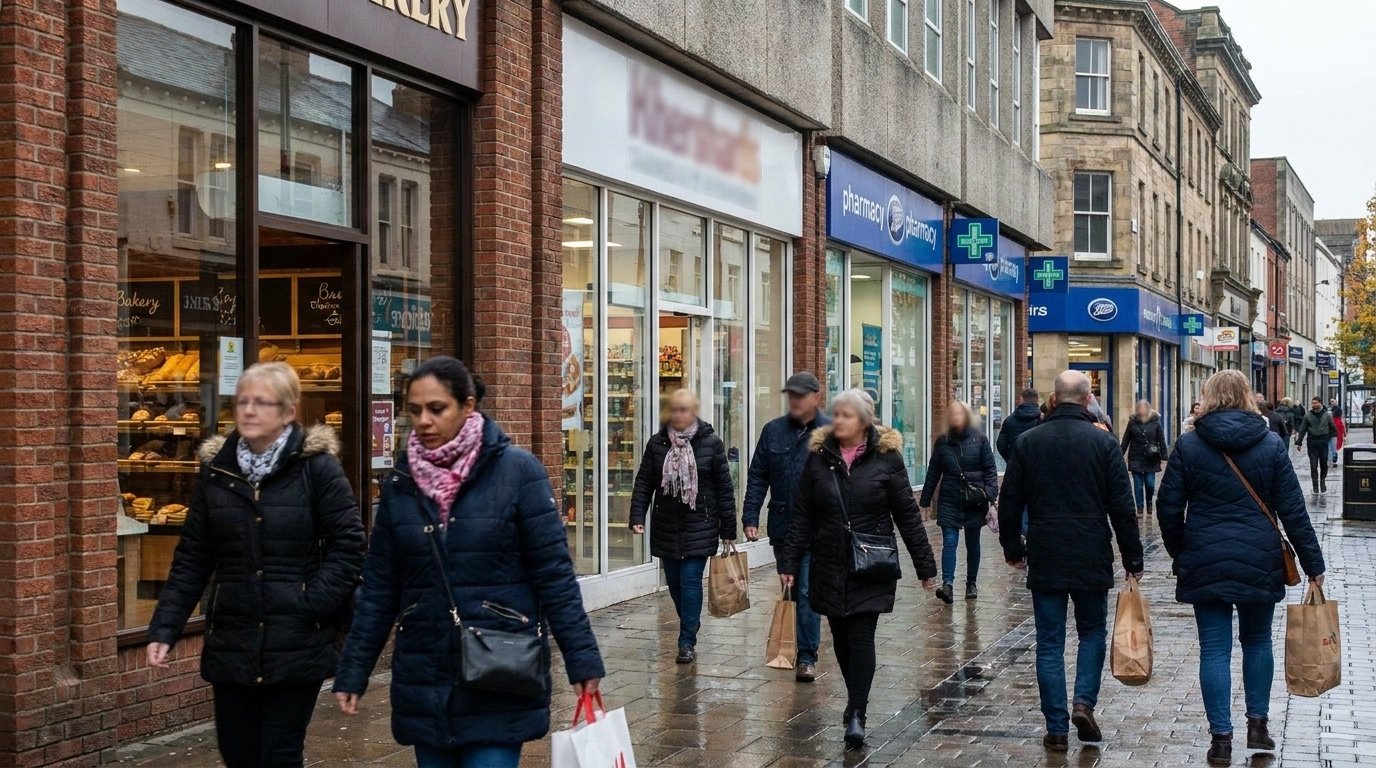
Some of Britain's largest retailers cut almost 18,000 jobs over the past year, as rising employment costs forced chains to trim their workforces and rethink how stores are staffed.
Tesco, the UK's biggest grocer, accounted for the steepest fall, reducing its combined UK and Ireland headcount by nearly 5,000 in the year to March. Sainsbury's, the John Lewis Partnership and Kingfisher, the parent of B&Q and Screwfix, each shed around 3,000 roles, while Next and JD Sports recorded declines of roughly 1,500 apiece.
The scale of the reductions, concentrated among household names that between them employ hundreds of thousands of people, underlines how acutely the high street is feeling the squeeze from higher costs and cautious consumers.
Budget measures blamed
Industry figures point squarely at the rising cost of employing staff. The British Retail Consortium estimates that higher employer National Insurance contributions, increases to the National Living Wage and a new packaging levy have added around £6.5bn in costs to the sector.
Retail operates on famously thin margins, often just a few pence in the pound, which leaves little room to absorb a sudden jump in fixed costs. Faced with that pressure, chains have responded by reducing hours, closing underperforming stores, automating checkouts and slimming down head-office functions.
“Soaring business costs have put retail businesses under significant pressure in the last two years.”
— Helen Dickinson, chief executive of the British Retail Consortium
Because labour is the largest controllable cost for most retailers, payroll is often the first place chains look when overheads climb. That makes the sector unusually sensitive to changes in employment taxes and the minimum wage, both of which rose at last year's Budget.
How retailers are responding
The cuts are not uniform across the sector, but a number of common strategies have emerged as chains adapt to the new cost base. Among the most visible changes:
- Expanding self-service and automated checkouts to reduce staffing on the shop floor
- Trimming opening hours and consolidating shifts to match staffing more tightly to demand
- Closing or relocating underperforming stores, particularly in struggling town centres
- Investing in supply-chain and warehouse automation to cut handling costs
- Reducing back-office and middle-management headcount
Some of the reduction reflects natural turnover that has simply not been replaced, rather than outright redundancies. But the net effect is the same: fewer roles on the high street, and a shift in the kind of work that remains.
Grocers have led the trend, in part because their scale gives them most to gain from efficiency programmes. Tesco's reduction came as it streamlined operations and leaned further into automation, while Sainsbury's and others restructured store management and central teams. Even retailers reporting healthy sales have pursued cuts, underlining that the squeeze is being driven by costs rather than by collapsing demand.
Part-time roles most at risk
The consortium has warned that the squeeze could fall hardest on flexible, part-time roles, with as many as 160,000 such jobs potentially at risk over the next three years as employers automate tasks and consolidate shifts to absorb higher overheads.
“The roles most exposed are often the entry-level, part-time positions that have traditionally given young people and parents a way into work.”
— A retail sector analyst
That has implications beyond the balance sheets of individual chains. Retail has long been one of the largest private-sector employers and a key source of first jobs and flexible work. A sustained contraction would ripple through local economies and the labour market more widely.
Background
The high street has been under structural pressure for years, with the long shift to online shopping hollowing out physical stores and squeezing town-centre footfall. The pandemic accelerated those trends, and the subsequent surge in energy and borrowing costs added further strain. Last year's increases to employer National Insurance and the National Living Wage layered fresh costs on top of an already challenging picture.
What it means
The job losses are a warning sign for policymakers hoping consumer spending will help drive a recovery. If retailers continue to retrench, the effects will be felt in weaker hiring, fewer flexible roles and quieter high streets. Industry bodies are pressing the government for relief on business rates and employment costs, arguing that without it the pace of cuts could accelerate.
Referenced coverage: Our reporting and analysis draws on coverage first reported by HR Review. The NE Times publishes original reporting and independent analysis written by our editorial team. We credit and link the outlets whose primary reporting informed this article.
The NE Times is an independent news and analysis publisher. Our articles combine factual reporting with clearly-written, impartial analysis. Content is for general information and does not constitute professional advice. Disclaimer.
You may also like to read
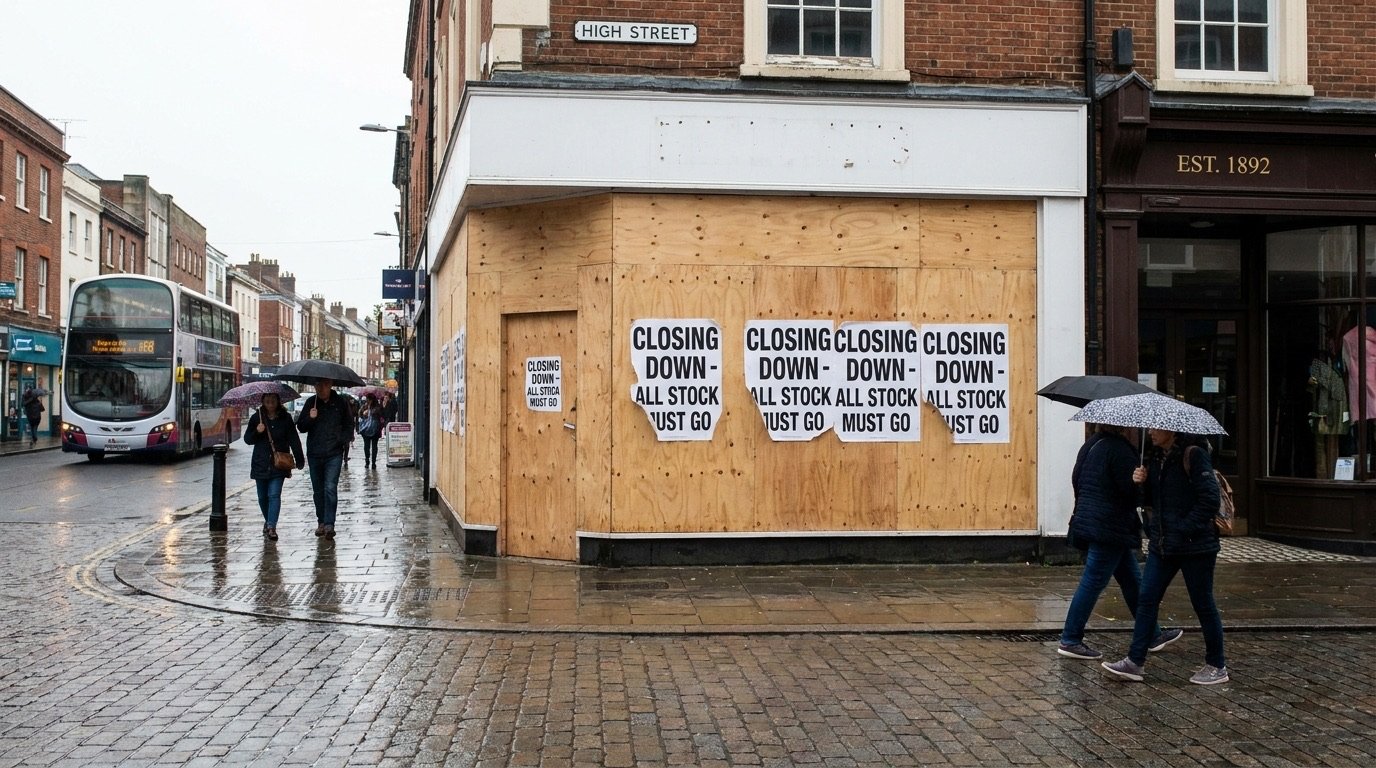
Quiz shutters its last 37 shops as Britain's high street reckoning deepens
The Scottish fashion chain is closing its remaining stores by the end of June after a second collapse into administration in under a year, with around 500 jobs lost and other names following it off the high street.
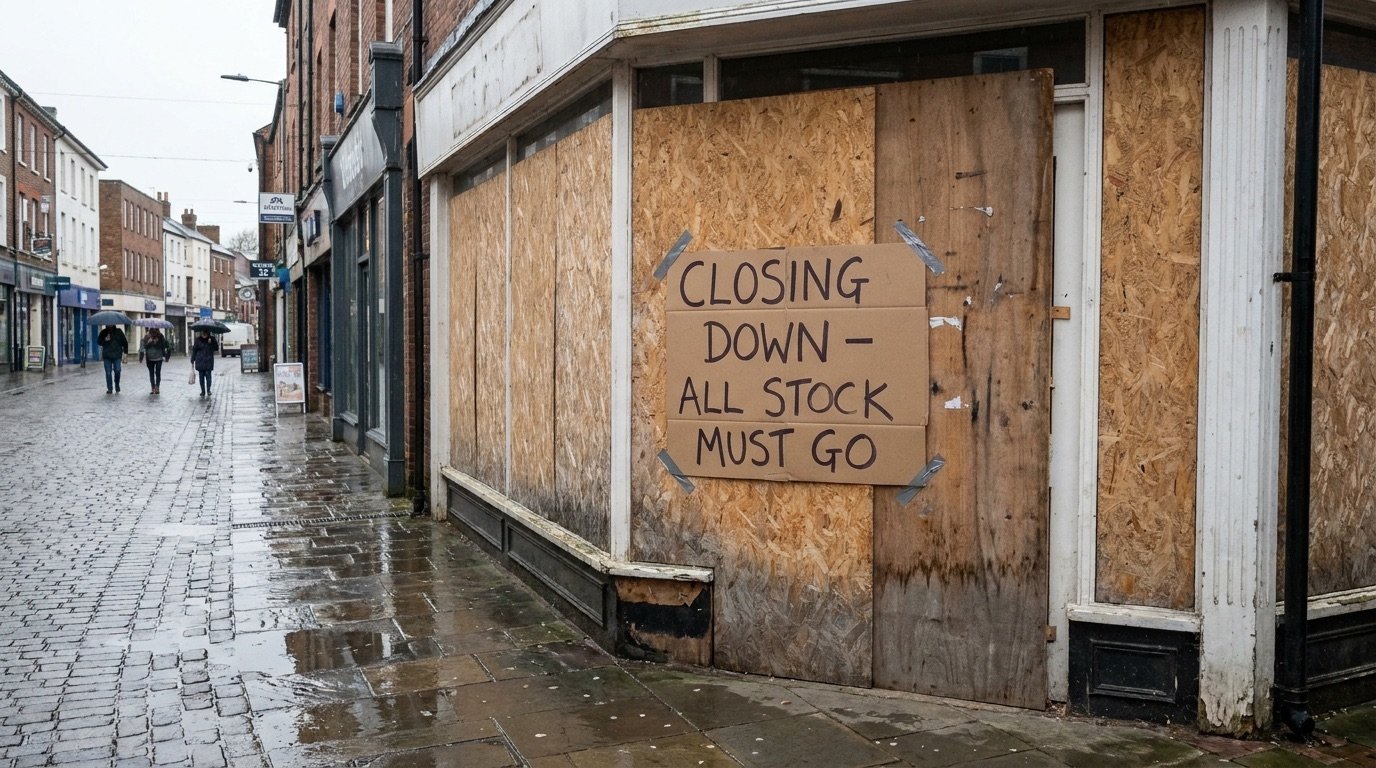
High street braces for fresh wave of closures as Claire's and Phase Eight retreat
Some of Britain's best-known retail names have confirmed store closures this year, with Claire's falling into administration and Phase Eight shutting branches, as rising costs and shifting habits continue to thin out the high street.
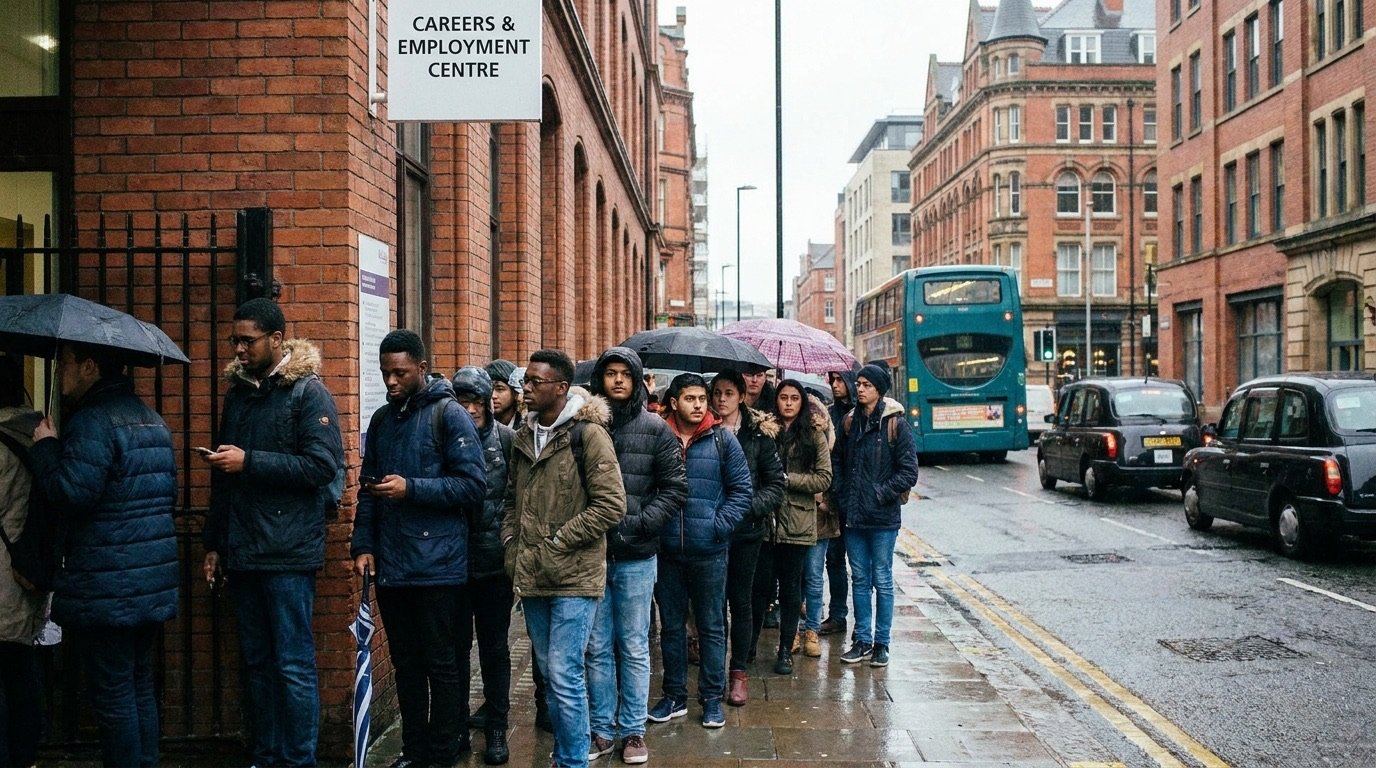
One in seven young people now out of work as UK jobs market weakens further
Youth unemployment has climbed to 14.7%, its highest level in more than a decade, as the broader labour market loses momentum and payrolled employment falls. Economists warn that a generation risks being scarred by a downturn that has crept up almost unnoticed.

Youth unemployment hits decade high as UK job vacancies dry up
One in seven young people are now looking for work, with the youth jobless rate climbing to 14.7 per cent and vacancies falling to their lowest level since 2021.