Lenders cut mortgage rates again as house prices edge lower
NatWest, Barclays, Santander and others have trimmed fixed deals in a fresh wave of reductions, offering relief to borrowers even as the housing market cools.
Rajan Mehta
Writer ·
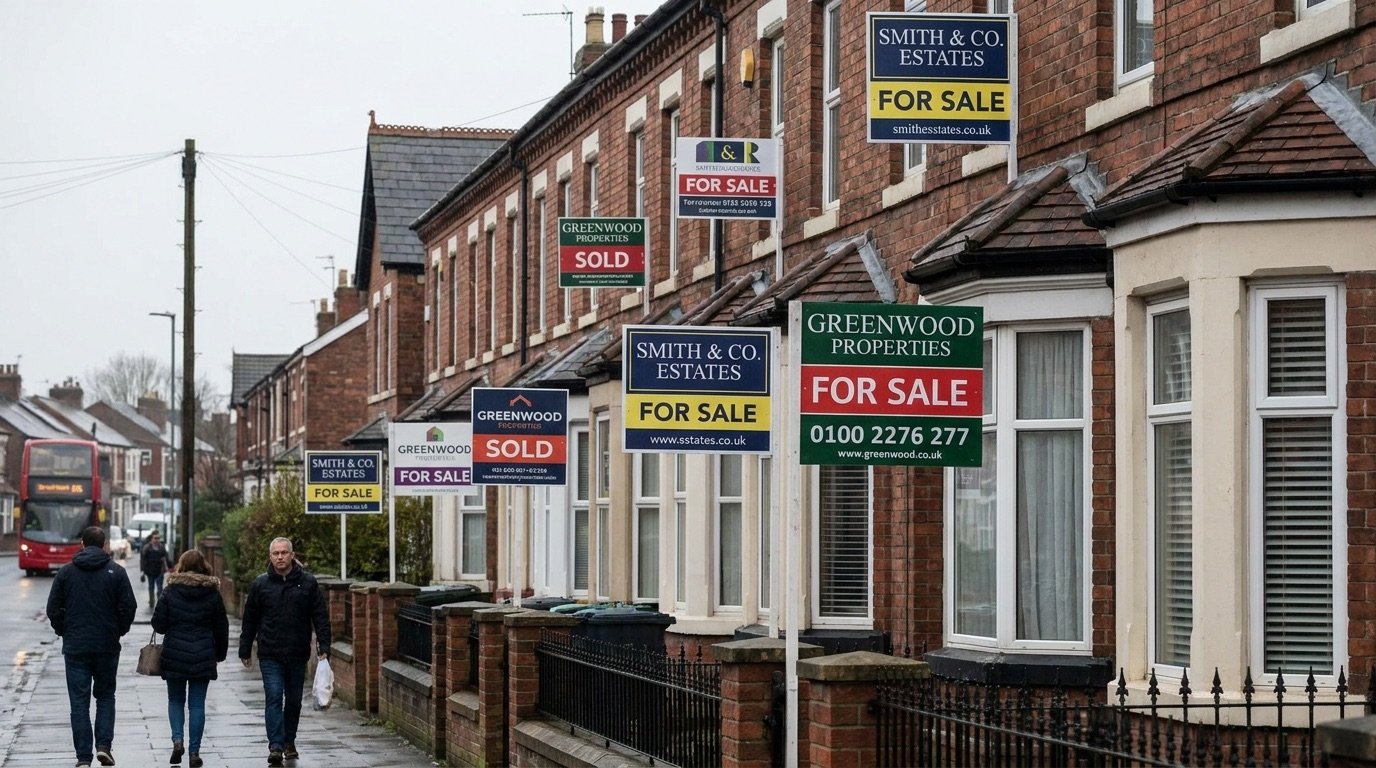
Mortgage borrowers have been handed a fresh round of reductions as several major lenders continue to trim fixed-rate deals, reversing some of the sharp increases seen earlier in the year.
NatWest, Barclays, Santander, Halifax, Coventry Building Society and TSB are among those to have cut pricing on parts of their ranges. NatWest moved for a third time in a fortnight, while Barclays reduced selected fixed rates by up to 0.43%, taking one three-year fixed purchase deal at 95% loan-to-value down to 5.42%.
The cuts will be welcomed by the large number of households due to remortgage this year, many of whom locked in cheap deals before borrowing costs climbed. While rates remain well above the lows of a few years ago, the recent direction of travel offers a measure of relief.
Choice widens for borrowers
The number of available products has climbed past 7,100, and average fixed rates have edged down for a second consecutive month, broadening the options on offer to those remortgaging or buying. Brokers say the shift has been welcomed by households that have weathered an unsettled period for borrowing costs.
A wider choice of products tends to signal that lenders are competing more actively for business, which can be as important as headline rates for borrowers with smaller deposits or more complex circumstances. The return of more deals at higher loan-to-value ratios is a particular boon for first-time buyers.
For those weighing their options, brokers highlight several factors that matter as much as the advertised rate:
- Arrangement and product fees, which can outweigh a slightly lower headline rate on smaller loans
- The length of the fixed term and whether it suits future plans such as moving home
- Early repayment charges that apply if the deal is exited before the term ends
- The loan-to-value band, since rates fall sharply as the deposit or equity rises
- Whether to fix for certainty or track a variable rate in the hope of further falls
Housing market cools
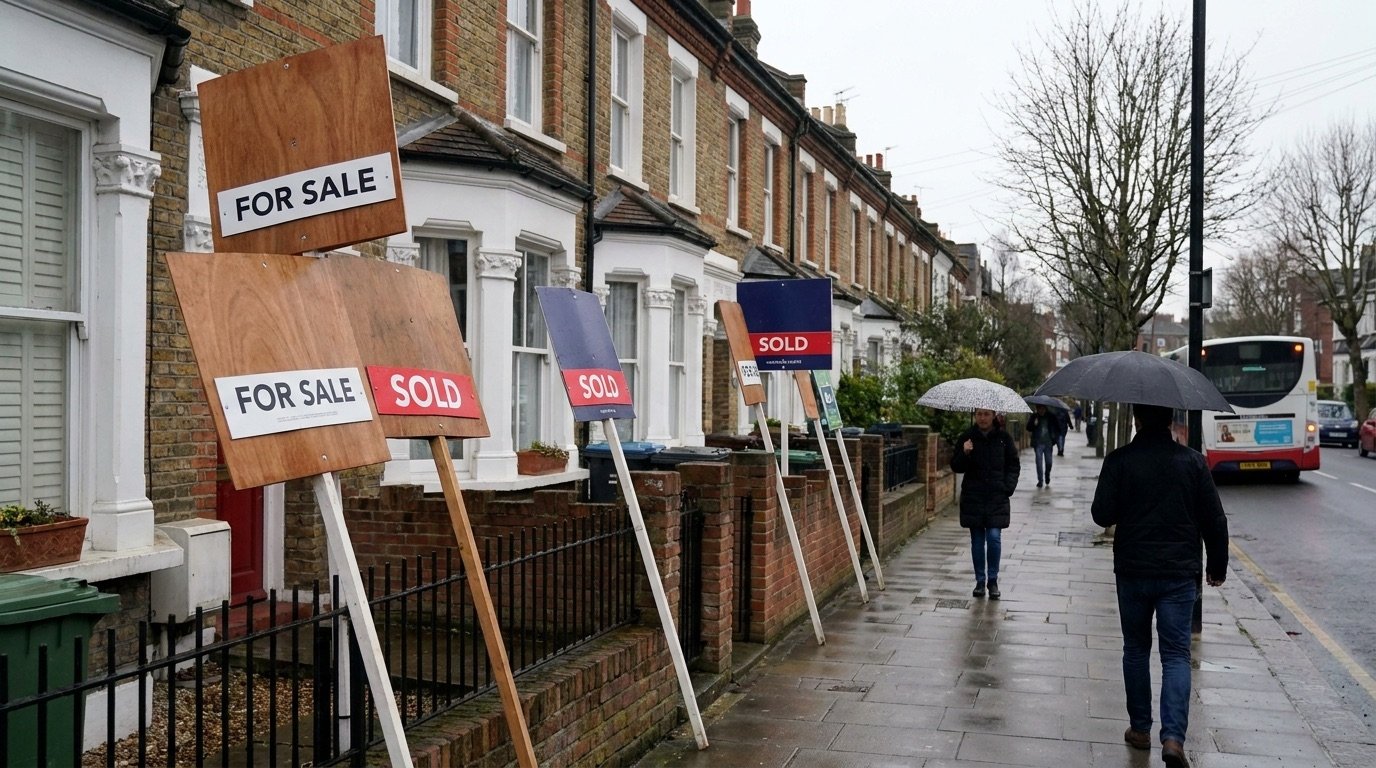
The improvement comes against a softer backdrop for the housing market itself, with Nationwide reporting that average house prices fell for the first time this year. Subdued confidence, a weaker jobs market and still-elevated rates have combined to take the heat out of demand.
Lower mortgage rates would normally support house prices by improving affordability, but the effect is being offset by broader caution. With the labour market cooling and the wider economy fragile, many would-be buyers are choosing to wait, keeping a lid on transactions even as borrowing becomes a little cheaper.
“The outlook could be improving for borrowers, though competition and the wider economic picture remain finely balanced.”
— Moneyfacts
A finely balanced outlook
Analysts cautioned, however, that the recent cuts could stall, or even reverse, if global volatility pushes up funding costs. Mortgage pricing is heavily influenced by money-market expectations of where interest rates are heading, and those expectations can shift quickly in response to inflation data or geopolitical shocks.
“Borrowers should not assume the downward trend is guaranteed; the next move in rates depends heavily on inflation and global events.”
— A mortgage broker
Borrowers were urged to weigh the certainty of fixing now against the possibility of further falls later in the year, and to seek advice tailored to their own circumstances rather than chasing the lowest advertised rate.
Background
Mortgage rates surged following the rapid tightening of monetary policy in recent years, as the Bank of England raised its base rate to combat high inflation. That pushed up the cost of the swap rates lenders use to price fixed deals, ending an era of historically cheap borrowing. The recent reductions reflect a tentative easing of those pressures, though rates remain far above the levels many homeowners had grown used to.
What happens next
Much will hinge on the Bank of England's next moves and the path of inflation over the summer. If the economy continues to weaken, markets may price in earlier rate cuts, allowing lenders to trim mortgages further. But a renewed bout of global volatility, particularly around energy prices, could just as easily send funding costs back up, leaving the recent relief short-lived.
Referenced coverage: Our reporting and analysis draws on coverage first reported by Moneyfacts. The NE Times publishes original reporting and independent analysis written by our editorial team. We credit and link the outlets whose primary reporting informed this article.
The NE Times is an independent news and analysis publisher. Our articles combine factual reporting with clearly-written, impartial analysis. Content is for general information and does not constitute professional advice. Disclaimer.
You may also like to read
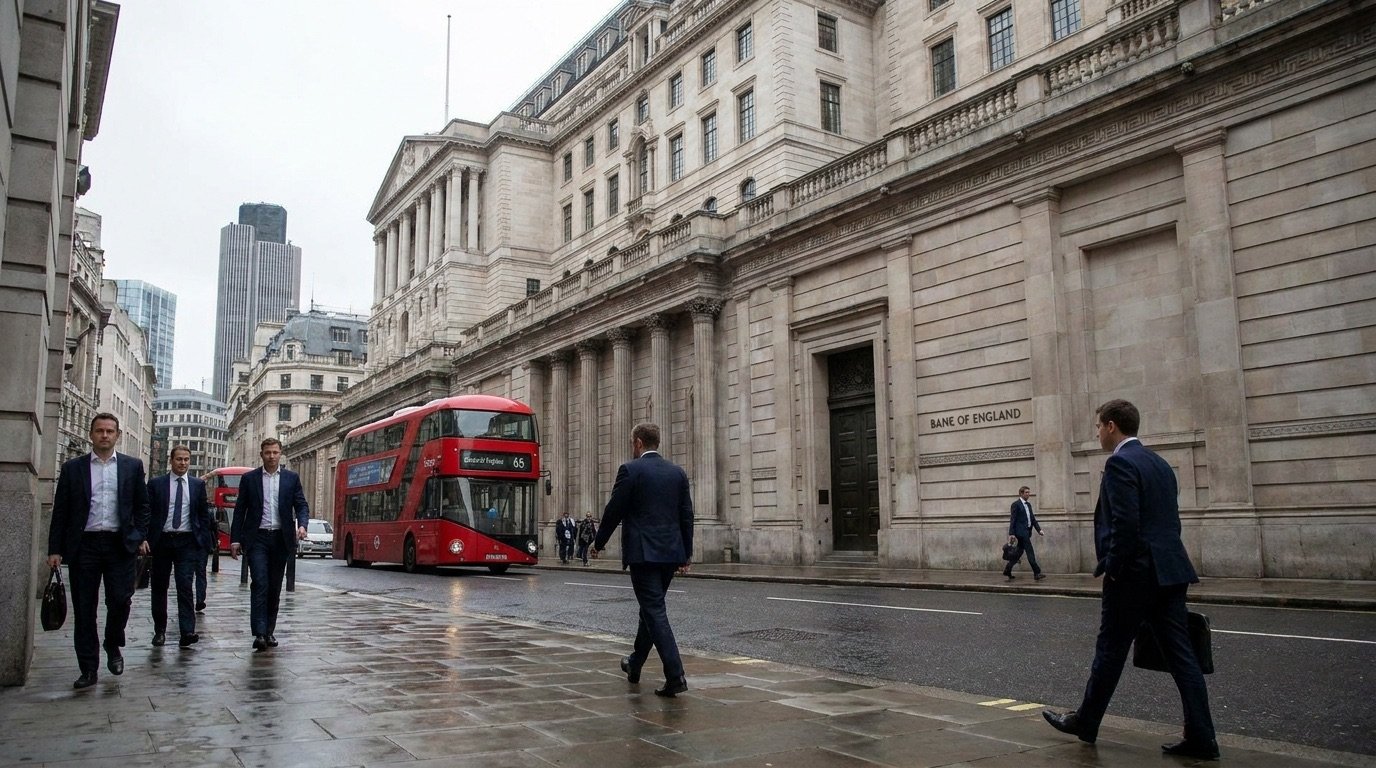
Bank of England set to hold rates at 3.75% as oil shock derails hopes of summer cuts
Economists are virtually unanimous that the Monetary Policy Committee will leave borrowing costs unchanged on Thursday, with a Middle East oil-price spike forcing rate-setters into a holding pattern just as households had begun to hope for relief.
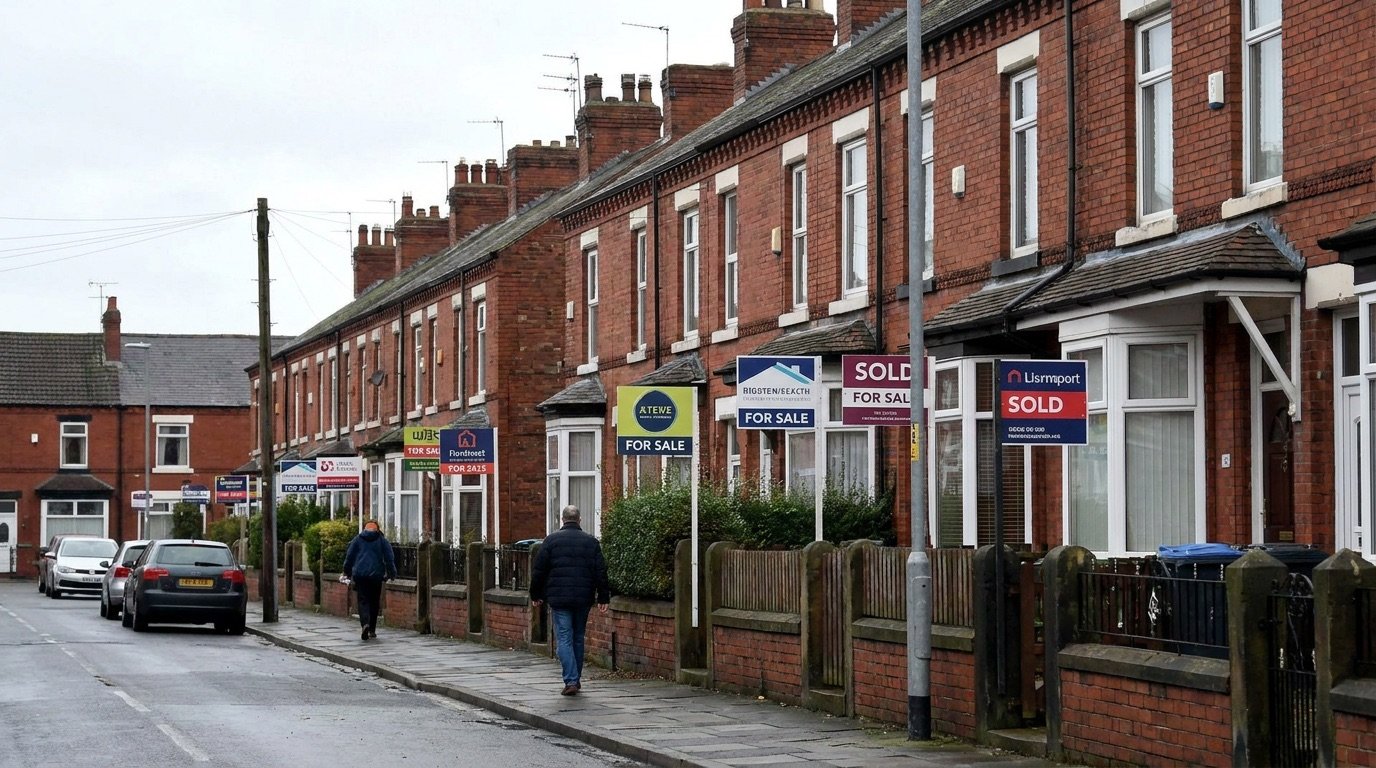
UK house prices flatline in May as a north-south divide hardens
Halifax says the typical home now costs just under £299,000 with annual growth of 0.5%, but the headline masks a stark split between a buoyant north and a weakening south.
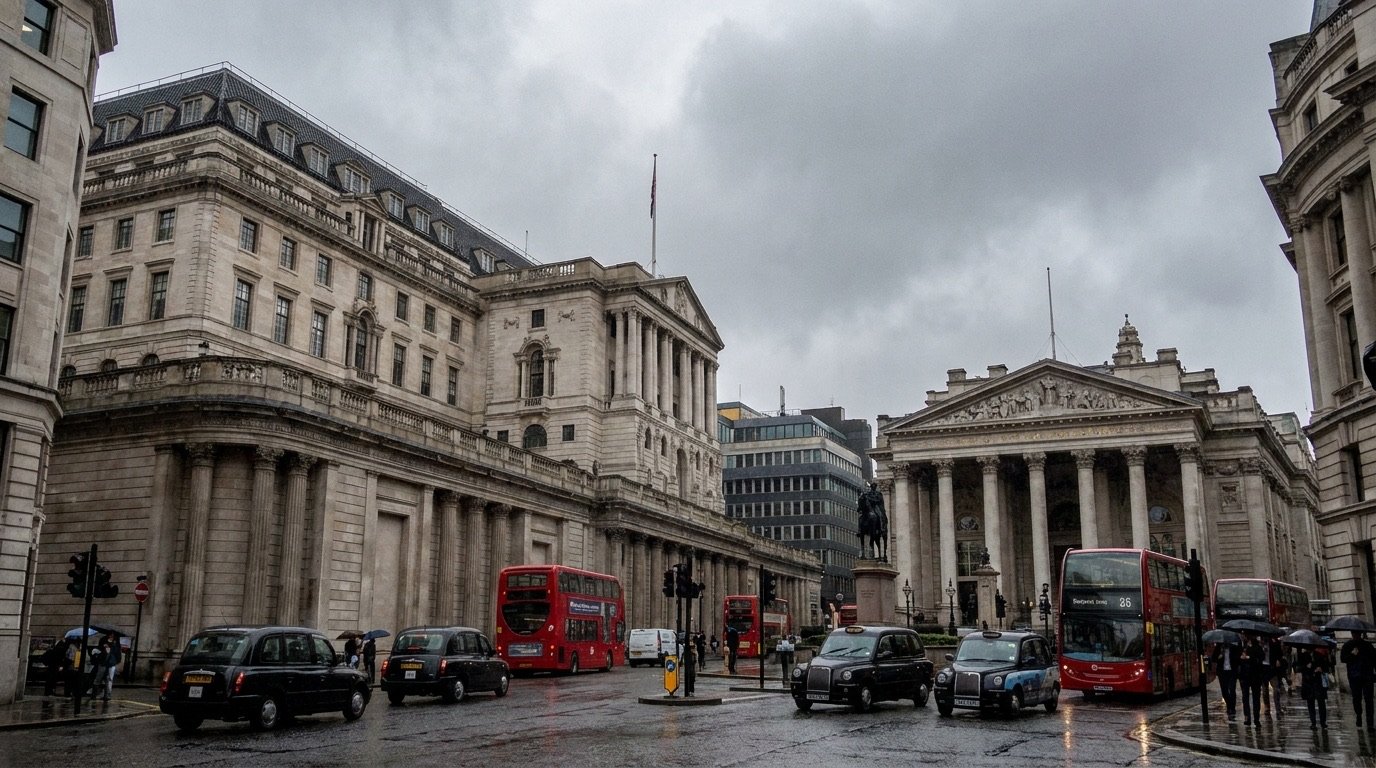
Bank of England expected to hold interest rates at 3.75% as inflation risks resurface
Economists are near-unanimous that the Monetary Policy Committee will leave borrowing costs unchanged on Thursday, with Middle East tensions and a looming energy bill rise tempering hopes of further cuts this year.
UK house prices fall for first time this year as north-south divide widens
A surprise monthly drop reported by Nationwide has confirmed a cooling property market, with prices sliding in the south while northern regions and the devolved nations continue to climb.