SpaceX storms the stock market with a $1.77tn Nasdaq debut
Elon Musk's rocket company sold $75bn of shares as it went public for the first time, then launched a Falcon 9 mission on the very same morning.
Rajan Mehta
Writer ·
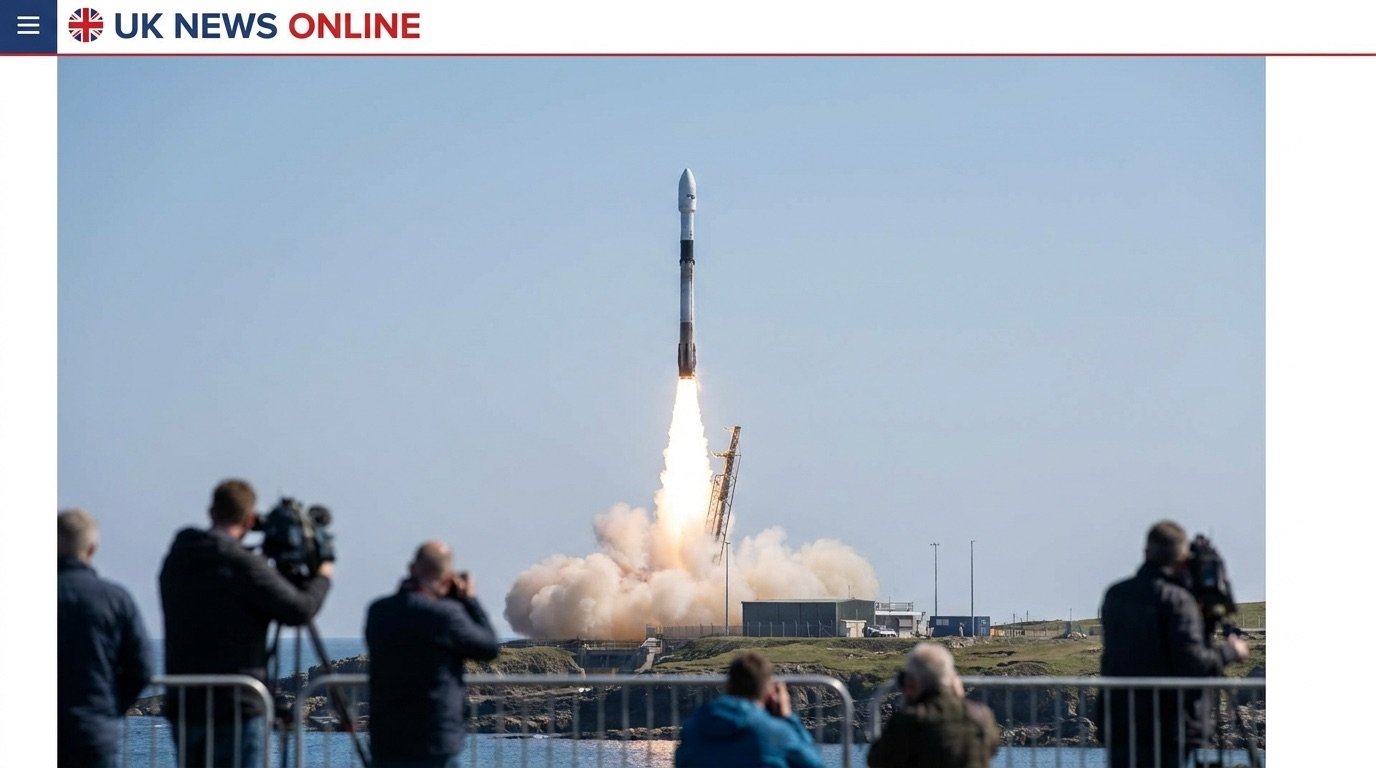
SpaceX has become a publicly traded company for the first time since its founding in 2002, debuting on the Nasdaq on 12 June with a valuation of around 1.77 trillion US dollars. The listing instantly turned the rocket and satellite firm into one of the most valuable companies in the world.
In the offering, SpaceX sold 555.6 million Class A shares at 135 dollars apiece, raising roughly 75 billion dollars for the company. The flotation marks a dramatic shift for a business that had remained tightly held and privately funded throughout its history.
For more than two decades, SpaceX raised money privately, allowing it to pursue long-term and high-risk projects without the quarterly pressures that public companies face. The decision to list now signals both a need for vast new capital and a confidence that the company's finances can withstand the scrutiny that comes with public ownership.
A launch to mark the occasion
True to form, the company did not pause operations for the milestone. The same morning, a Falcon 9 rocket lifted off from Cape Canaveral on the Starlink 10-54 mission, deploying 29 Starlink V2 Mini Optimized satellites. It was the company's 650th Falcon 9 flight overall and its 68th of 2026.
The gesture was characteristic of a firm that has made routine what was once extraordinary. The Falcon 9 has become the workhorse of the global launch industry, flying at a cadence no competitor has matched, and reusing its boosters again and again. Marking a stock-market debut with another flight underlined the operational tempo that underpins the company's valuation.
That cadence is also the foundation of Starlink's economics. Deploying a constellation of thousands of satellites, and continually replacing and upgrading them, is only viable for a company that can launch cheaply and frequently. The launch business and the satellite business reinforce one another, a vertical integration that few rivals can replicate and that investors see as a durable competitive advantage.
“What company would do such a thing on the day they open in the public market? SpaceX would.”
— Gwynne Shotwell, SpaceX chief operating officer
Starlink drives the story
Much of the investor enthusiasm rests on Starlink, the satellite-internet network that has become a major revenue engine. Connectivity revenue rose from about 2 billion dollars in 2024 to roughly 4.4 billion dollars in 2025, underscoring why the unit features so heavily in the company's growth story.
Starlink has transformed SpaceX from primarily a launch provider into a consumer and enterprise internet company with a recurring revenue stream. That combination, a dominant launch business funding a fast-growing services arm, is central to the bull case for the stock. The key pillars investors are watching include:
- Rapidly growing Starlink subscription revenue
- An industry-leading Falcon 9 launch cadence and reusability
- The development of the larger, fully reusable Starship vehicle
- A steady pipeline of next-generation Starlink satellites
- Potential demand from government and defence customers
The flip side is concentration risk. A large share of the company's growth narrative now depends on Starlink continuing to expand and on Starship reaching operational maturity, both of which carry execution risk that public investors will scrutinise closely.
Competition is also intensifying. Rival satellite-internet ventures are racing to deploy their own constellations, and regulators in several countries are weighing the implications of so many spacecraft in low Earth orbit. Astronomers, meanwhile, have raised concerns about the effect of large constellations on the night sky. None of these pressures appears to have dented investor appetite for now, but each represents a variable the company will have to manage in public view.
Background: from near-bankruptcy to trillion-dollar listing
SpaceX's path to this point was anything but smooth. In its early years the company came close to collapse after a string of failed launches, before a successful flight and a pivotal contract helped keep it alive. Over the following years it pioneered reusable rockets, dramatically lowered the cost of reaching orbit and won a central role in carrying cargo and astronauts for NASA.
The listing also intensifies the spotlight on Elon Musk, whose other ventures and public profile have long been entwined with the company's fortunes. As a public company, SpaceX will face disclosure requirements, shareholder expectations and market reactions to every setback and success, a very different environment from the privacy it has enjoyed until now.
“Going public hands SpaceX a vast war chest, but it also subjects one of the most secretive companies in tech to the relentless rhythm of quarterly reporting.”
— Market analyst
What happens next
The listing hands SpaceX an enormous war chest as it pours money into its Starship programme and next-generation Starlink satellites. It also exposes the famously secretive firm to the quarterly scrutiny of public markets for the first time. How the company balances its long-horizon ambitions, above all Starship and eventual missions beyond Earth orbit, against the short-term expectations of shareholders will be one of the defining tests of its new chapter.
Referenced coverage: Our reporting and analysis draws on coverage first reported by Spaceflight Now. The NE Times publishes original reporting and independent analysis written by our editorial team. We credit and link the outlets whose primary reporting informed this article.
The NE Times is an independent news and analysis publisher. Our articles combine factual reporting with clearly-written, impartial analysis. Content is for general information and does not constitute professional advice. Disclaimer.
You may also like to read
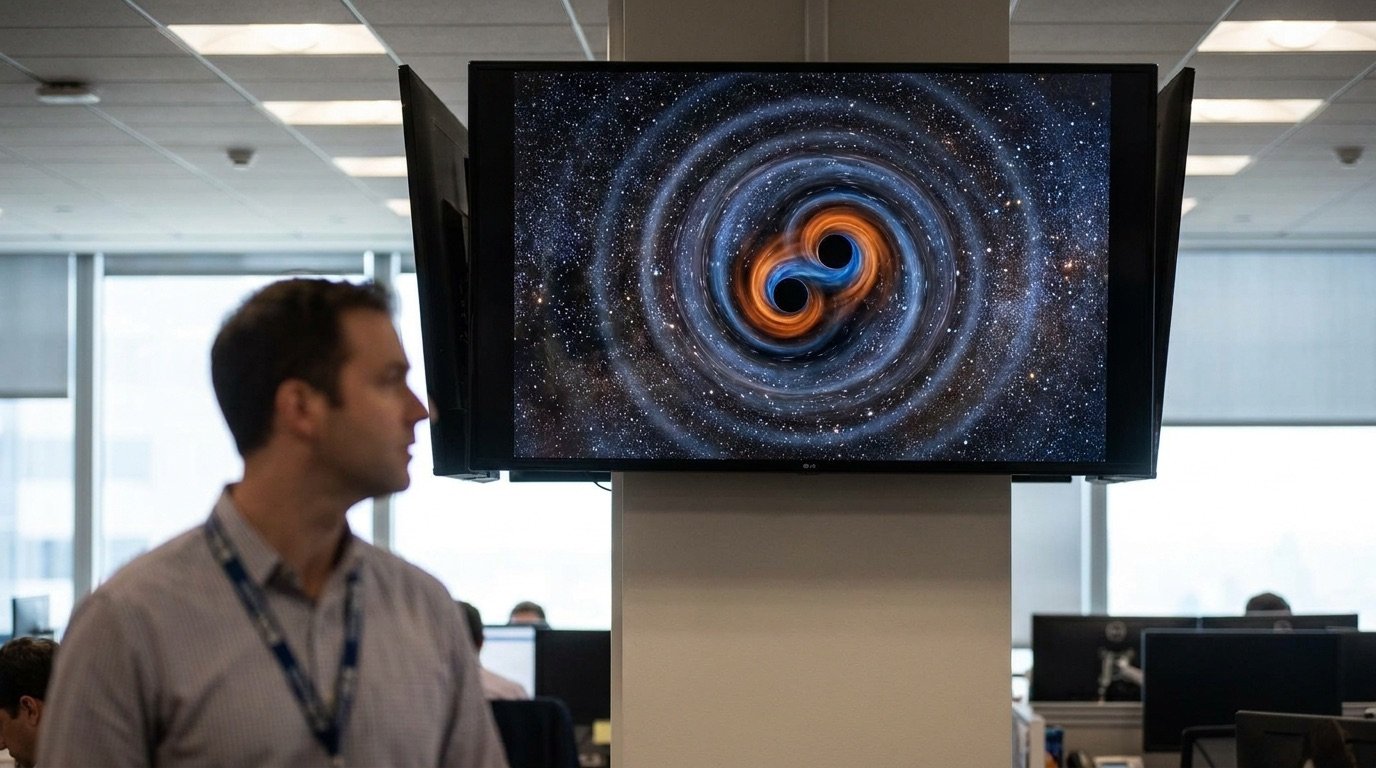
Gravitational-wave hunters log 161 new black hole collisions in record-breaking catalogue
The latest release from the international LIGO-Virgo-KAGRA collaboration nearly doubles the tally of known cosmic mergers and reveals rare second-generation black holes.
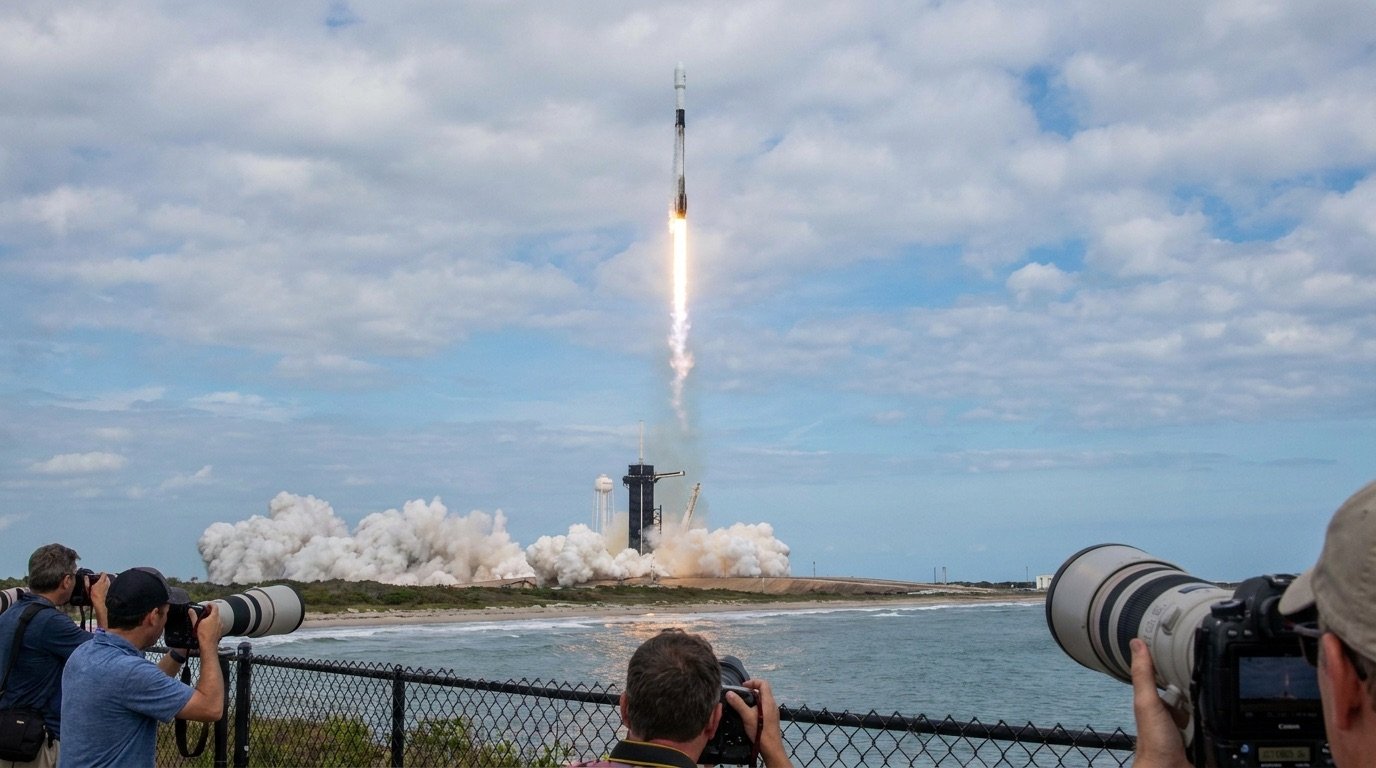
SpaceX rings the Nasdaq bell and launches a rocket on the same morning in record-breaking debut
Elon Musk's rocket company became publicly traded on 12 June at a valuation near $1.77 trillion, marking it out as the largest stock market debut in history while a Falcon 9 climbed to orbit hours earlier.
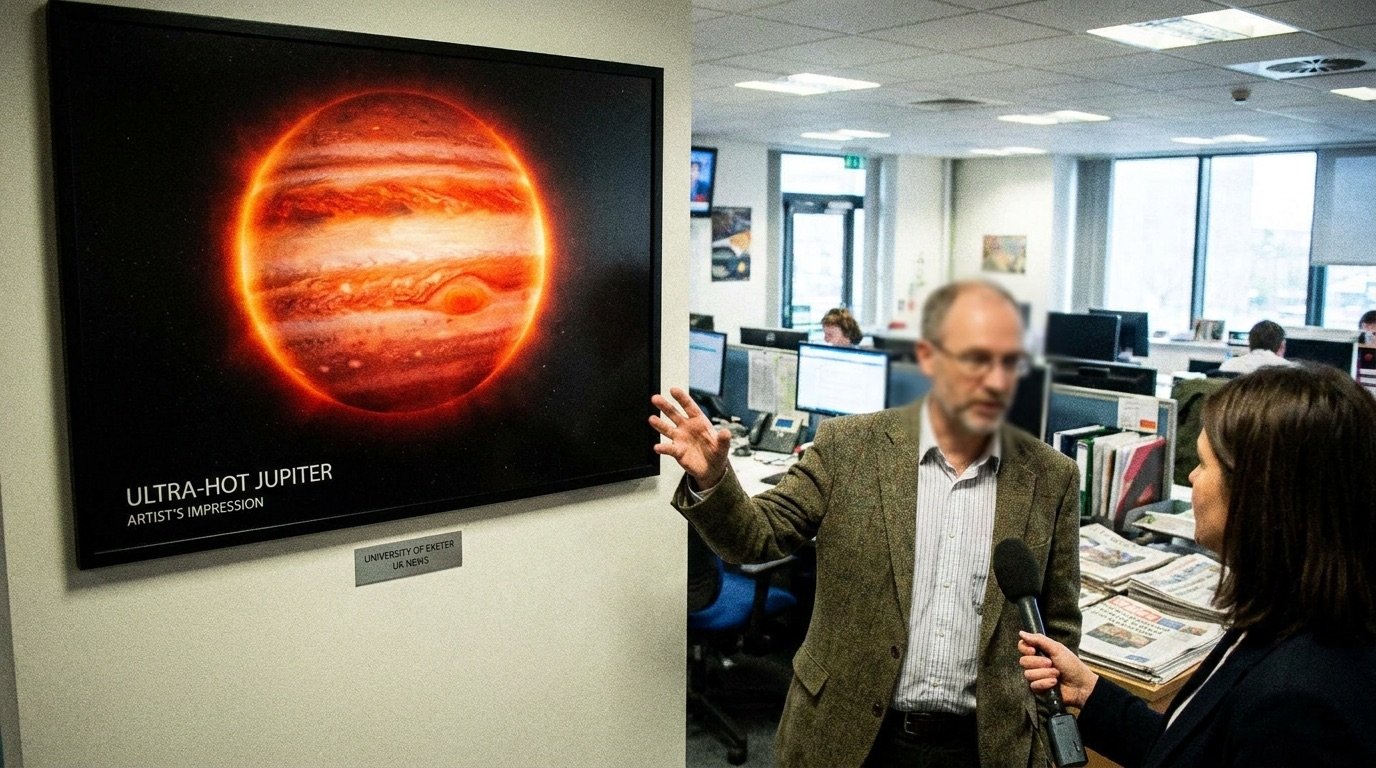
Webb maps two very different twilights on a scorching alien world
The James Webb Space Telescope has revealed sharp contrasts between the dawn and dusk skies of WASP-121 b, where fierce winds drag heat across an ultra-hot planet.

NASA names its Artemis III crew for a mission that will rehearse the return to the Moon
Four astronauts, including a European Space Agency member, were unveiled on 9 June for a flight that will test the commercial landers built to put humans back on the lunar surface.