Gravitational-wave hunters log 161 new black hole collisions in record-breaking catalogue
The latest release from the international LIGO-Virgo-KAGRA collaboration nearly doubles the tally of known cosmic mergers and reveals rare second-generation black holes.
Rajan Mehta
Writer ·
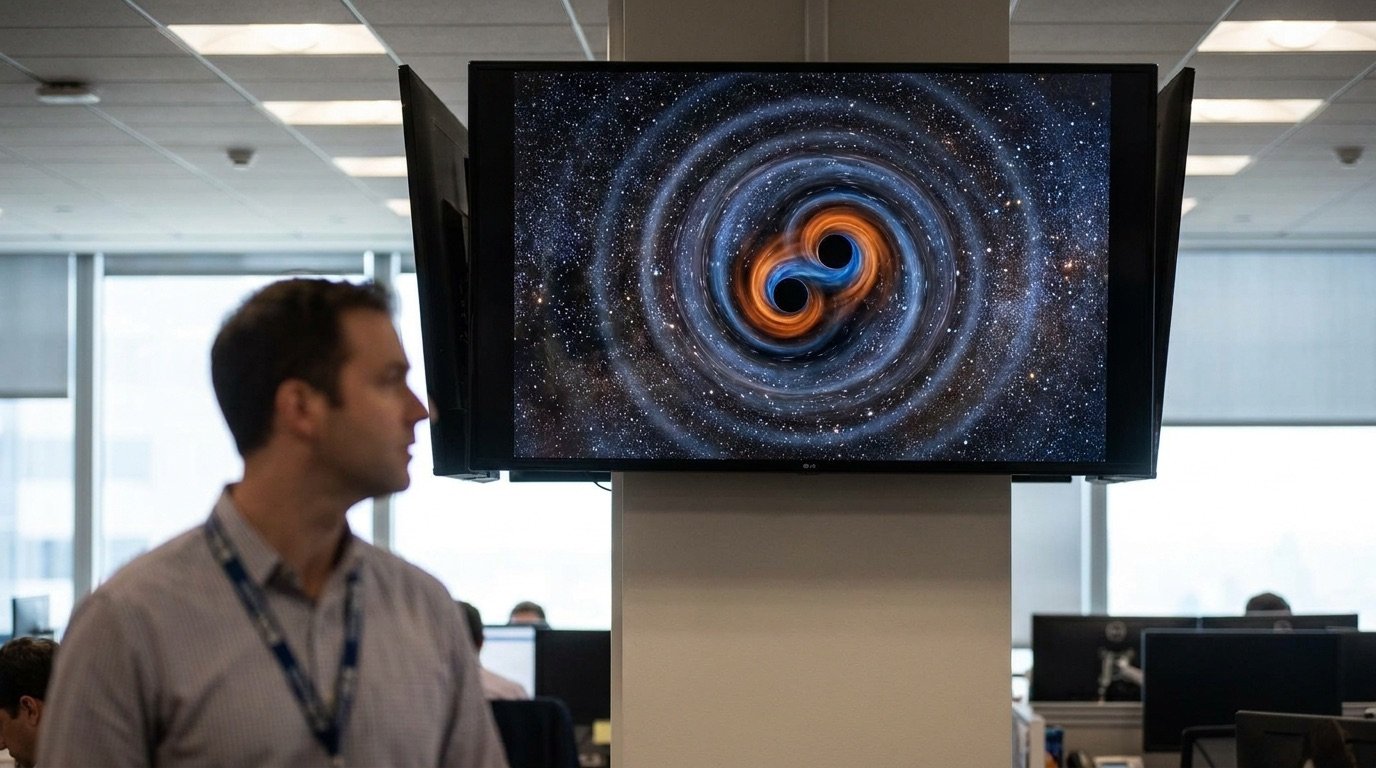
Astronomers have unveiled their largest-ever single haul of gravitational-wave events, adding 161 new detections to the scientific record and bringing the total number of confirmed cosmic mergers to 390. The release marks a step-change in a field that, little more than a decade ago, was celebrating its very first detection, and underlines how quickly the study of ripples in spacetime has matured into a routine astronomical survey.
The detections are gathered in the fifth Gravitational Wave Transient Catalogue, known as GWTC-5, compiled from observations made between April 2024 and January 2025. The data comes from the LVK collaboration, which brings together the LIGO detectors in the United States, Virgo in Italy and KAGRA in Japan. Together these instruments form a global network capable of triangulating the faint signals produced when massive objects collide hundreds of millions or billions of light-years away.
Gravitational waves are tiny distortions in the fabric of spacetime, predicted by Albert Einstein a century ago but only directly observed in 2015. Detecting them requires instruments of extraordinary sensitivity, able to measure changes in distance far smaller than the width of a proton across detector arms several kilometres long. The growing catalogue is testament to steady improvements in that sensitivity.
A landmark signal
Among the standout events is GW250114, described as the clearest gravitational-wave signal recorded to date, with a signal-to-noise ratio of 76.9. It came from the merger of two black holes of around 32 and 34 solar masses more than a billion light-years away, and researchers say it helped confirm a long-standing theory about black hole behaviour first proposed by Stephen Hawking. The clarity of the signal allowed physicists to test predictions of general relativity with unusual precision.
Hawking's area theorem holds that the total surface area of a black hole's event horizon cannot decrease over time, even when two black holes merge into one. A signal as clean as GW250114 offered an exceptional opportunity to check that the area of the final black hole was at least as large as the combined areas of its progenitors, a result that strengthens confidence in the fundamental physics underpinning these objects.
Another event, GW240615, was pinpointed to a patch of sky just six square degrees across, making it the most precisely located gravitational-wave source yet found. Sharper localisation is valuable because it makes it easier for conventional telescopes to search the same region for any accompanying light, a discipline known as multi-messenger astronomy that combines gravitational and electromagnetic observations of the same event.
Black holes that have merged before
Perhaps the most intriguing findings concern rare second-generation mergers, in which one or both black holes appear to have been forged in an earlier collision. Such hierarchical mergers hint at dense stellar environments, such as the cores of star clusters, where black holes can repeatedly find partners and grow heavier over successive generations. Identifying these objects helps astronomers piece together how the population of black holes is built up over cosmic time.
- 161 new mergers recorded in GWTC-5
- Total confirmed events now stands at 390
- GW250114 is the clearest signal yet, with a signal-to-noise ratio of 76.9
- GW240615 is the most precisely located source, within six square degrees
- Rare second-generation mergers detected, hinting at black holes formed from earlier collisions
- Findings sharpen measurements used to study the expansion of the universe
“What was once a once-in-a-lifetime discovery is becoming an everyday observation. We are now surveying the dark universe in a way that simply was not possible a few years ago.”
— A scientist involved in the collaboration
Background
The first gravitational-wave detection, announced in 2016 from a signal recorded the previous year, earned its discoverers the Nobel Prize in Physics and opened an entirely new window onto the cosmos. Since then the detector network has expanded and been progressively upgraded, allowing it to observe a far larger volume of space and to catch fainter, more distant events. Each observing run has yielded more detections than the last, and the catalogues have grown accordingly.
Beyond cataloguing individual collisions, the data carries broader scientific value. By comparing the intrinsic loudness of a merger with how faint it appears from Earth, researchers can estimate cosmic distances independently of other methods, offering a fresh handle on the rate at which the universe is expanding, one of the most contested measurements in modern cosmology.
What it means
Scientists involved in the work say the rapid growth of the catalogue marks the coming-of-age of gravitational-wave astronomy, turning what was once a rare detection into a routine survey of the cosmos. As the statistics accumulate, researchers can move from studying individual oddities to characterising entire populations of black holes, mapping how often they form, how heavy they grow and where in the universe they live. Future detector upgrades and proposed next-generation observatories promise to push the frontier still further, potentially reaching back to the earliest epochs of cosmic history.
Referenced coverage: Our reporting and analysis draws on coverage first reported by SciTechDaily. The NE Times publishes original reporting and independent analysis written by our editorial team. We credit and link the outlets whose primary reporting informed this article.
The NE Times is an independent news and analysis publisher. Our articles combine factual reporting with clearly-written, impartial analysis. Content is for general information and does not constitute professional advice. Disclaimer.
You may also like to read
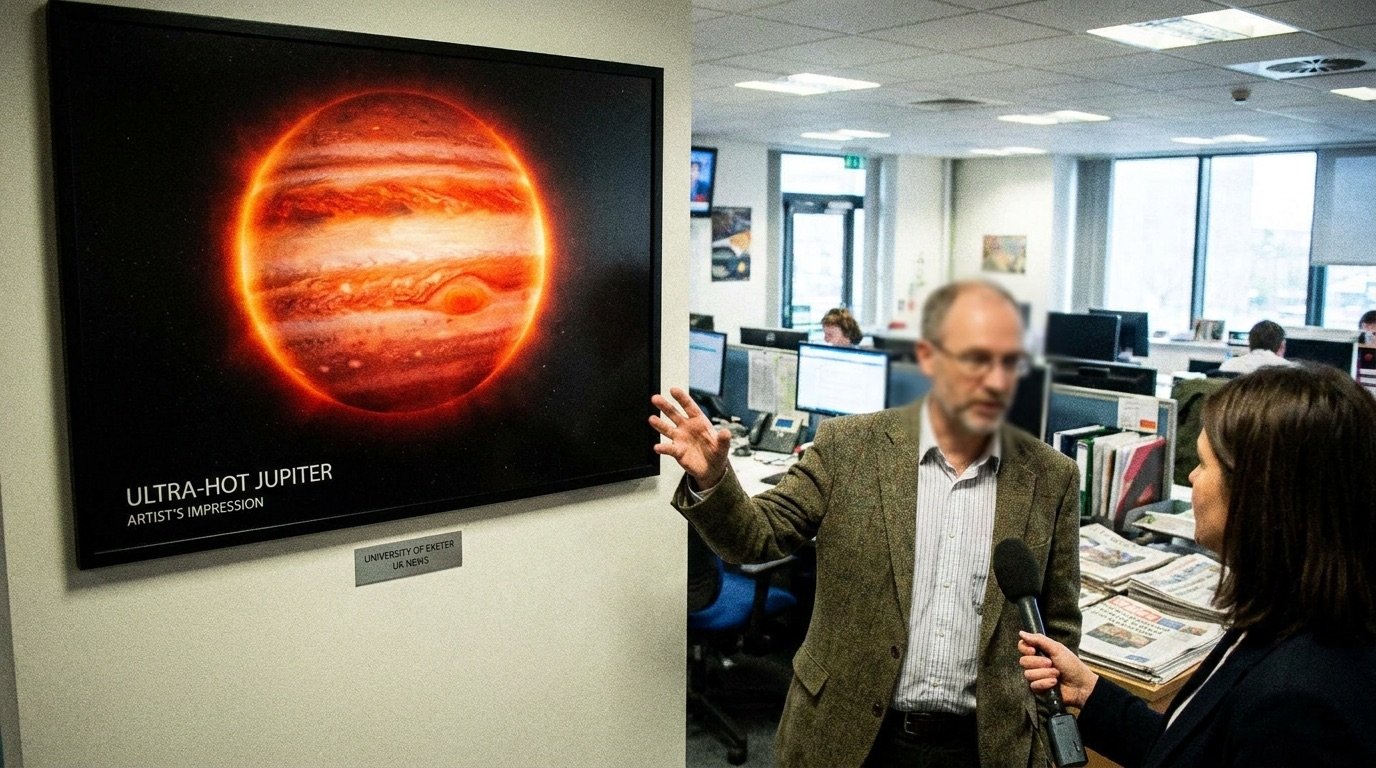
Webb maps two very different twilights on a scorching alien world
The James Webb Space Telescope has revealed sharp contrasts between the dawn and dusk skies of WASP-121 b, where fierce winds drag heat across an ultra-hot planet.
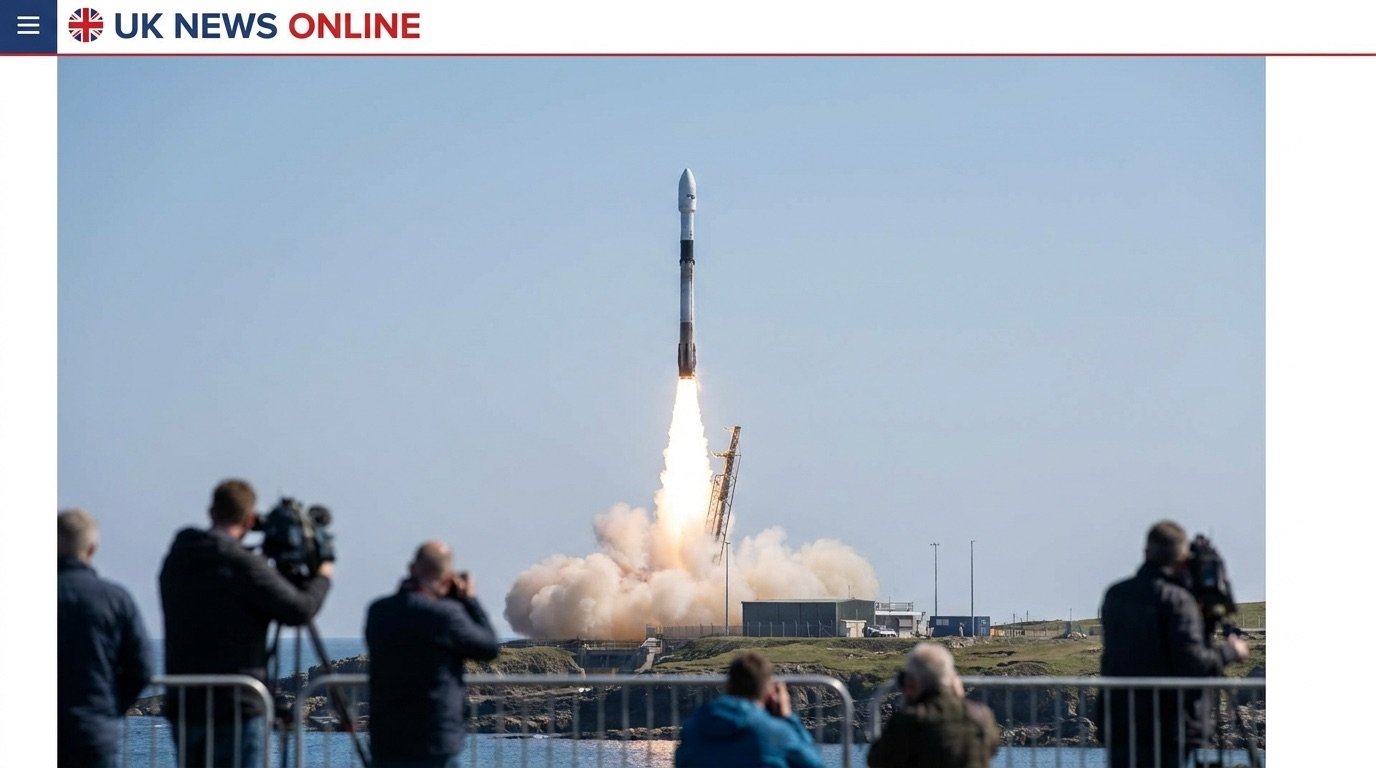
SpaceX storms the stock market with a $1.77tn Nasdaq debut
Elon Musk's rocket company sold $75bn of shares as it went public for the first time, then launched a Falcon 9 mission on the very same morning.
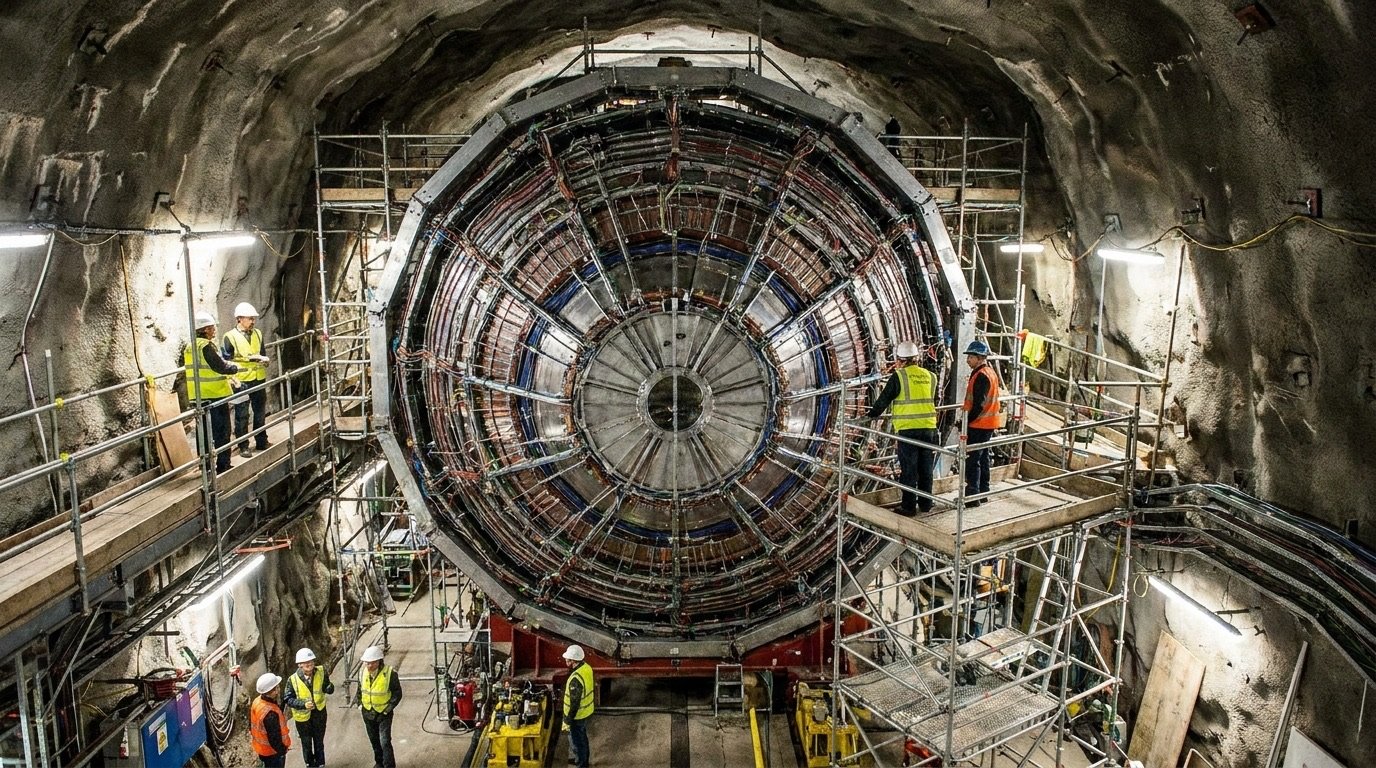
China's giant underground neutrino detector delivers its first results
Buried beneath 650 metres of rock, the JUNO experiment has produced some of the most precise measurements yet of how neutrinos shift identity as they travel.
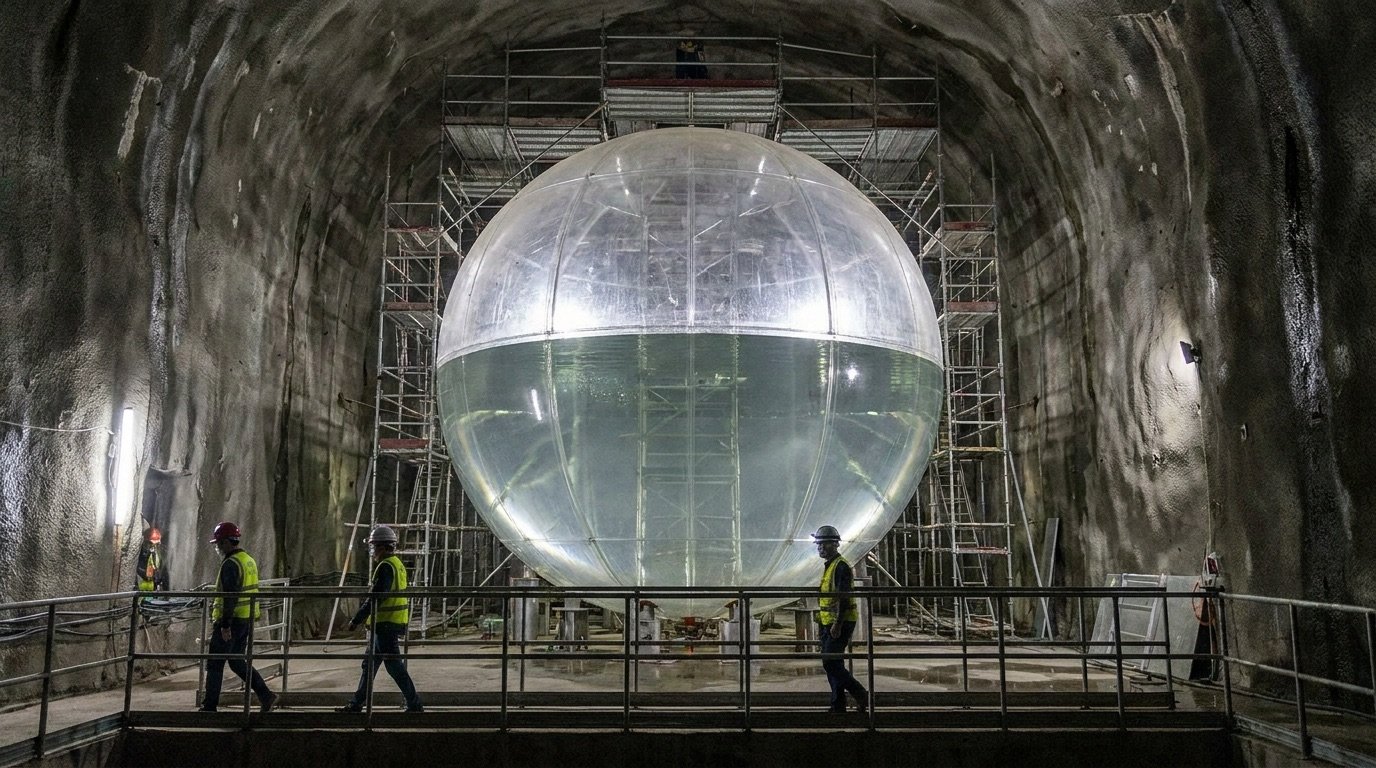
China's JUNO neutrino observatory delivers a landmark first measurement of the universe's most elusive particles
The giant underground detector has produced one of the most precise measurements yet of how neutrinos shift identity as they travel, a result that could reshape our understanding of fundamental physics.