Water firms face mounting penalties as Ofwat presses sewage crackdown and fines are diverted to clean-up
Regulator Ofwat is pursuing a series of enforcement cases against England's biggest water companies over storm overflow spills, with hundreds of millions of pounds in penalties now earmarked for environmental repair.
Eleanor Whitfield
Writer ·
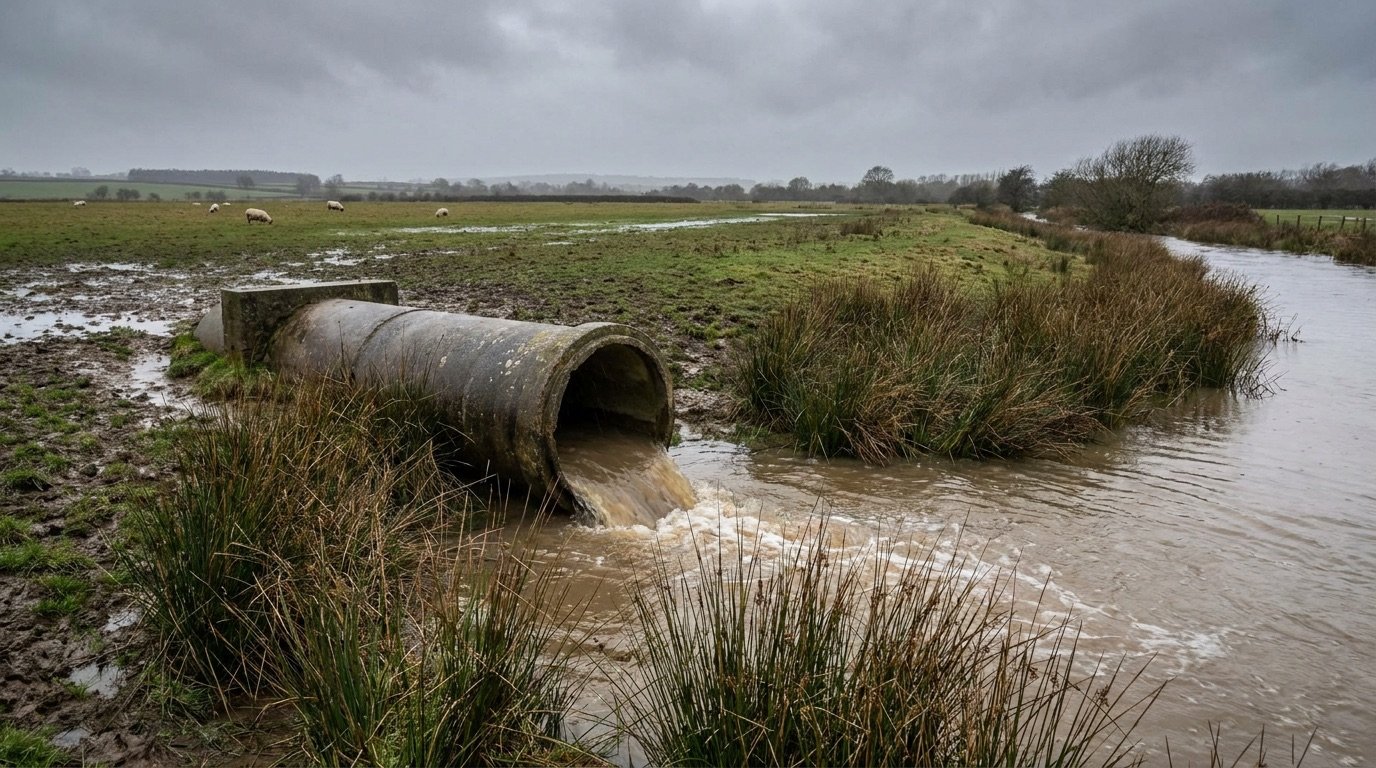
Pressure on England's water companies over sewage pollution shows no sign of easing, with the regulator Ofwat pursuing a string of enforcement cases that have already produced hundreds of millions of pounds in proposed and confirmed penalties. The crackdown follows years of public anger over the routine discharge of untreated wastewater into rivers and coastal waters.
At the heart of the regulator's action is a finding that several companies failed to ensure that storm overflows were used only in exceptional circumstances, as the law requires. Instead, investigators concluded, overflows had been operating far more frequently, causing harm to the environment and to customers.
Ministers have moved to ensure that money raised through fines and penalties is channelled directly into environmental improvements rather than absorbed into general government spending.
Headline penalties
Ofwat has proposed that three of the largest companies face a combined penalty of £168m over their management of wastewater treatment works and sewer networks. Under the proposals, Thames Water would be fined £104m, Yorkshire Water £47m and Northumbrian Water £17m.
Separately, enforcement packages worth a further £86m have been confirmed, with Anglian Water and its shareholders contributing £62.8m and South West Water and its shareholders £24m, the sums to be spent for the benefit of the environment and customers.
“These companies failed to ensure that discharges of untreated wastewater from storm overflows occur only in exceptional circumstances, which has resulted in harm to the environment and their customers.”
A widening set of investigations
The penalties stem from a sweeping investigation that Ofwat opened in 2022 into how effectively companies operate their sewage treatment works and wider networks. The regulator has continued to progress enforcement cases against multiple firms, including Anglian Water, Northumbrian Water, South West Water, Thames Water, Wessex Water and Yorkshire Water.
The investigations have drawn on extensive data from the monitoring of storm overflows, which companies are now required to report in far greater detail than in the past, exposing the scale and frequency of spills.
- Storm overflows are meant to operate only in exceptional circumstances, such as heavy rainfall
- Monitoring has revealed spills occurring far more frequently than permitted
- Penalties are being diverted into environmental clean-up rather than the Treasury
- Multiple companies remain under active enforcement investigation
- Companies face additional scrutiny over executive pay and dividends
Where the money goes
The government has confirmed that revenue from water company fines and penalties will be ring-fenced for projects that repair environmental damage, a change campaigners had long demanded. Previously, such fines flowed into central government coffers with no guarantee they would be used to restore polluted waterways.
Officials say the reform is designed to ensure that those who suffer the consequences of pollution, including river communities and wildlife habitats, see a direct benefit from the penalties imposed on polluters.
Background
Sewage pollution has become one of the most politically charged environmental issues in England, driving protests, campaigns by river and sea swimmers and intense parliamentary scrutiny. Critics argue that decades of underinvestment, combined with large dividend payments and executive bonuses, left the system unable to cope with population growth and heavier rainfall.
Water companies have insisted they are now investing record sums to upgrade treatment works and reduce overflows, while regulators and ministers face questions over whether the pace of improvement is fast enough.
What happens next
Ofwat is expected to confirm further enforcement outcomes as its remaining investigations conclude, with additional penalties possible. Campaigners will be watching closely to see whether the toughened regime translates into a measurable fall in the number of sewage spills, and whether fine revenue delivers visible improvements to the rivers and coastlines worst affected by pollution.
Referenced coverage: Our reporting and analysis draws on coverage first reported by Ofwat. The NE Times publishes original reporting and independent analysis written by our editorial team. We credit and link the outlets whose primary reporting informed this article.
The NE Times is an independent news and analysis publisher. Our articles combine factual reporting with clearly-written, impartial analysis. Content is for general information and does not constitute professional advice. Disclaimer.
You may also like to read
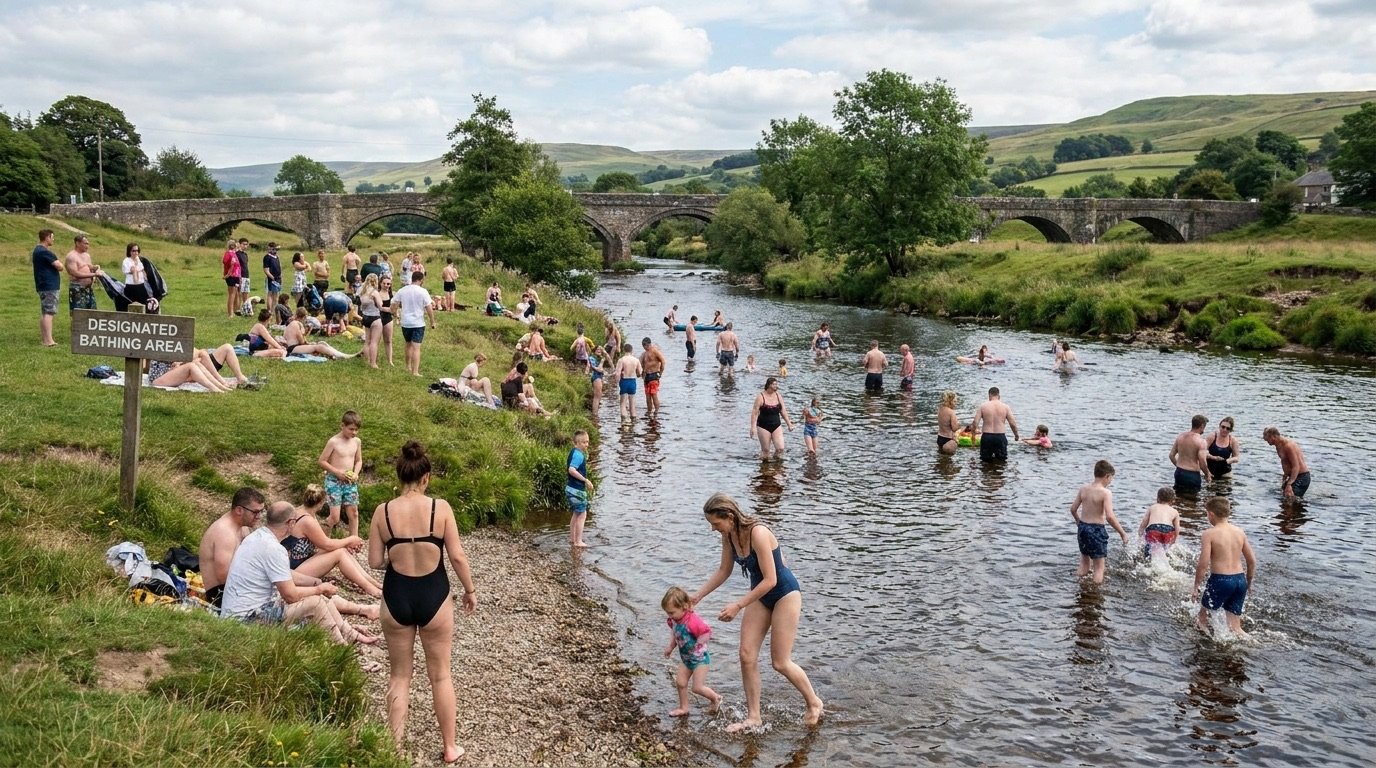
Bathing water reforms come into force as new sites added but river quality concerns persist
Changes to bathing water rules took effect for the 2026 season, adding 13 new monitored sites and tightening the path to designation, even as campaigners warn many inland waters remain badly polluted.
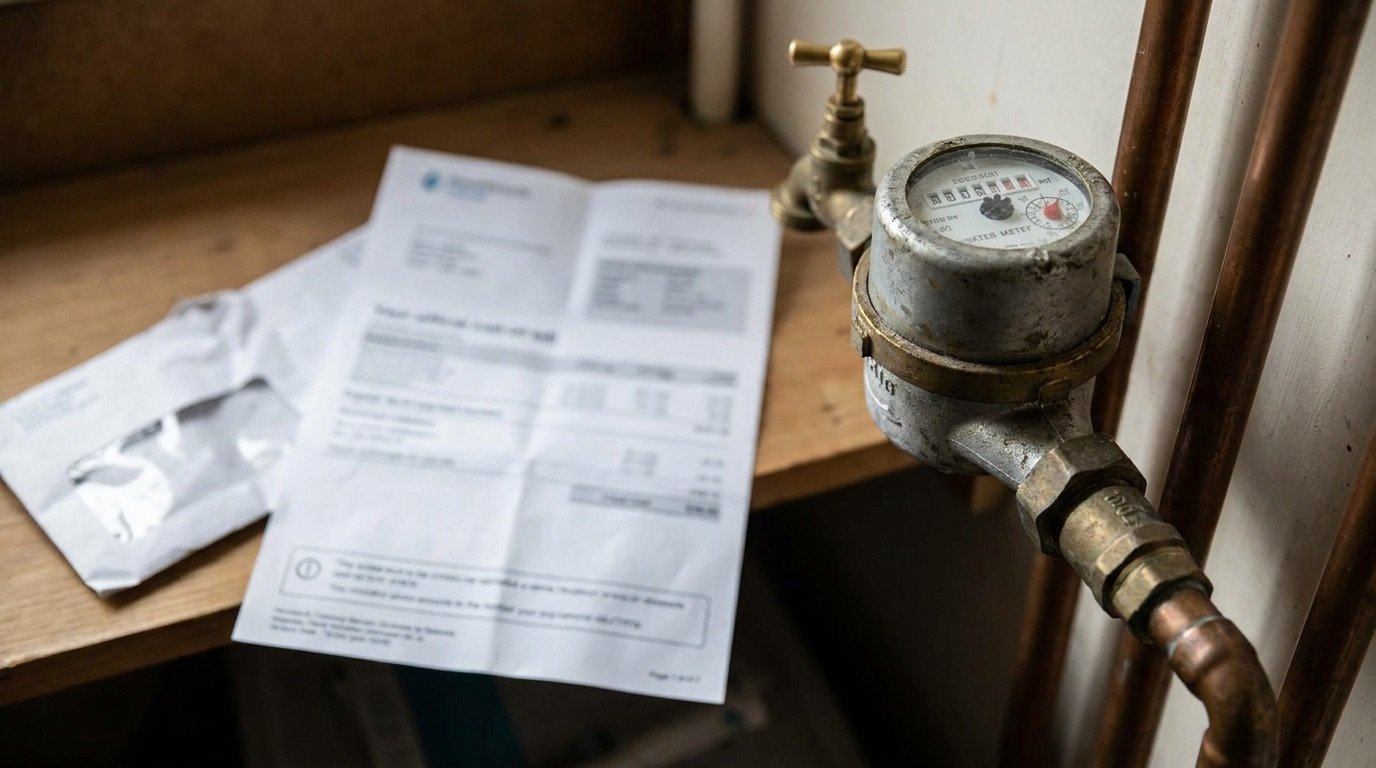
Households face second year of rising water bills as infrastructure debate sharpens
The typical water and wastewater bill in England and Wales is climbing again in 2026-27, with regulators and companies clashing over whether the increases are fixing a fragile system or punishing customers.
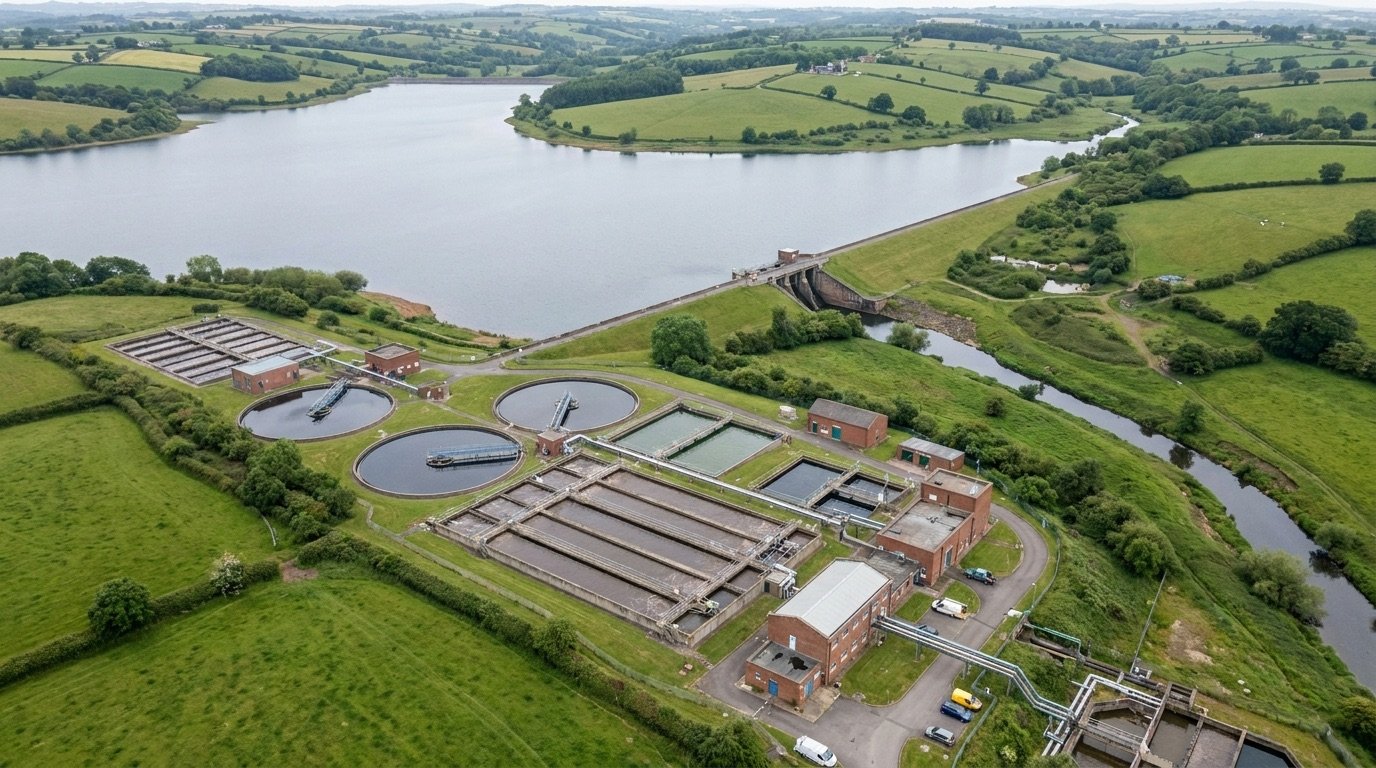
Opinion: If Thames Water is nationalised, let us at least admit the experiment failed
Ministers are edging towards temporary state control of Britain's biggest water company. Whatever happens next, the priority must be customers and rivers, not the creditors who profited on the way up.

Green Man's refugee training scheme shows what a festival can do beyond the stage
The Welsh festival's decade-old programme has trained 191 refugees from 52 countries, turning a music event into practical civic infrastructure.