Households face second year of rising water bills as infrastructure debate sharpens
The typical water and wastewater bill in England and Wales is climbing again in 2026-27, with regulators and companies clashing over whether the increases are fixing a fragile system or punishing customers.
Eleanor Whitfield
Writer ·
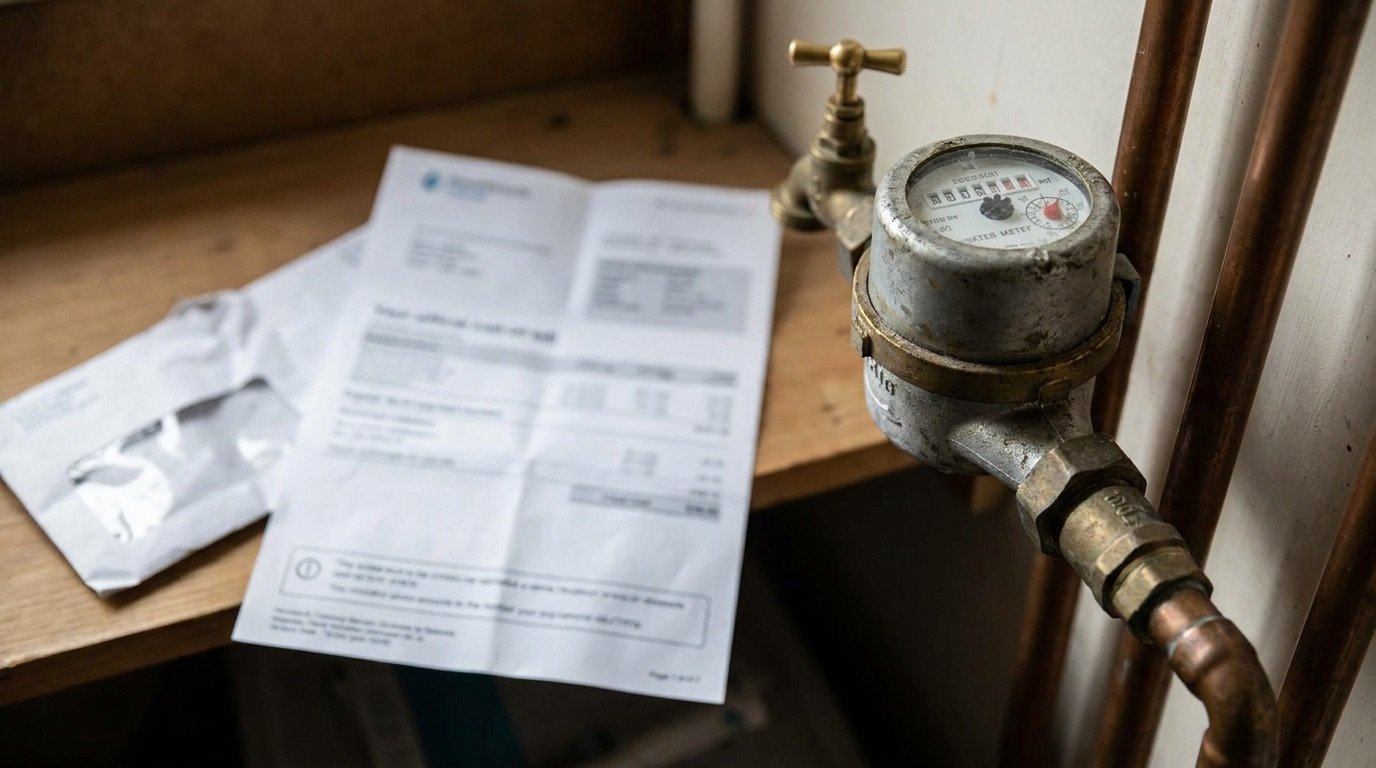
Millions of households across England and Wales are absorbing another increase in their water bills, the second in a five-year cycle of rises that has reignited a fierce argument about who should pay for fixing the country's ageing pipes and treatment works. For 2026-27, the average forecast water and wastewater bill is rising by around £33, taking the typical yearly charge from £606 to £639, an increase of about 5.4 per cent.
Because water companies operate as regional monopolies, no single figure captures what any individual household will actually pay. The increase varies significantly depending on where you live, with some areas facing steeper rises than others according to the investment plans approved for each company's region.
The rise lands at a sensitive moment for family finances, with households still navigating elevated costs across a range of essentials. Unlike energy, water cannot be switched to a cheaper supplier, which leaves customers with little choice but to absorb whatever increase their regional company is permitted to charge.
The case for the increases
Water companies and the regulator argue that the higher bills are unavoidable if the industry is to repair infrastructure that has been described as dangerously fragile after decades of under-investment. The current five-year settlement, overseen by the regulator Ofwat, is designed to channel substantial sums into replacing pipes, upgrading treatment works and reducing the sewage spills that have provoked widespread public anger.
Supporters of the plan say that without sustained investment the system will continue to deteriorate, leading to more leaks, more pollution incidents and ultimately higher costs down the line. From this perspective, the increases are a delayed bill for years in which charges were held down while the underlying network aged.
The companies also point to the scale of the challenge, from securing future water supplies against the pressures of a changing climate and a growing population, to meeting tougher environmental standards. All of that, they argue, has to be paid for, and in a monopoly model funded largely through customer bills, that means asking households to contribute more.
“We understand that any increase is unwelcome, but years of under-investment have left the system fragile, and putting that right cannot be done without funding.”
— Water industry spokesperson on the 2026-27 increases
Anger over performance and pay
For many customers, the justification rings hollow. The sector has faced sustained criticism over sewage discharges into rivers and seas, leaks that waste vast quantities of treated water, and the dividends and executive pay packages that flowed out of some companies during the years when investment was lagging. Asking the same households to fund the repairs now strikes critics as deeply unfair.
Consumer groups have warned that the rises will fall hardest on those least able to afford them, and have urged companies to do more to publicise social tariffs and support schemes for struggling customers. They argue that the monopoly structure of the industry removes the competitive pressure that might otherwise force companies to deliver better value.
- Average water and wastewater bill rising by around £33 in 2026-27
- Typical yearly charge moving from £606 to £639, a 5.4 per cent rise
- Increases form part of a five-year investment cycle regulated by Ofwat
- Bills vary by region because companies are regional monopolies
- Customers cannot switch supplier to find a cheaper deal
Background
The water industry in England and Wales was privatised in 1989, creating a patchwork of regional monopolies overseen by Ofwat. Every five years the regulator sets the framework for how much companies can invest and how much they can charge, a process known as a price review. The current settlement front-loads a major programme of spending, which is why bills are rising across the period rather than staying flat.
Public scrutiny of the sector has intensified dramatically in recent years, with campaigners, anglers and swimmers highlighting the frequency of sewage spills and the gap between the dividends paid to shareholders and the state of the infrastructure. That backdrop has made every bill increase politically charged.
What it means for households is straightforward in the short term: higher direct debits and, for some, difficult choices about other spending. In the longer term, the increases are a test of whether a privatised, monopoly-based model can deliver both the investment the country needs and the fairness that customers demand, a question that is unlikely to be settled by a single year's bill.
Referenced coverage: Our reporting and analysis draws on coverage first reported by Water UK. The NE Times publishes original reporting and independent analysis written by our editorial team. We credit and link the outlets whose primary reporting informed this article.
The NE Times is an independent news and analysis publisher. Our articles combine factual reporting with clearly-written, impartial analysis. Content is for general information and does not constitute professional advice. Disclaimer.
You may also like to read
Water and council tax rises tighten the squeeze on UK household budgets
Average water bills have climbed above £600 and Band D council tax has passed £2,300, with families in some regions facing the steepest increases as infrastructure costs and council finances bite.
Energy bills set to jump 13% in July as price cap climbs back above £1,860
Households face a £221 increase in typical annual energy costs from 1 July after the regulator confirmed a 13% rise in the price cap, driven by higher wholesale gas prices linked to renewed conflict in the Middle East.
Water firms face mounting penalties as Ofwat presses sewage crackdown and fines are diverted to clean-up
Regulator Ofwat is pursuing a series of enforcement cases against England's biggest water companies over storm overflow spills, with hundreds of millions of pounds in penalties now earmarked for environmental repair.

Food inflation eases to 2.2% as grocery price pressure finally loosens its grip
Annual food and drink inflation slowed from 3.0% to 2.2% in the year to May, the latest tracking shows, offering tentative relief to households even as the weekly shop remains far dearer than it was three years ago.