Voters want Stormont fixed, not felled, survey finds as priorities diverge from politicians
A major academic survey for the Sunday Times has found broad cross-community support for keeping Northern Ireland's power-sharing institutions, alongside an appetite for reform that would stop any single party collapsing them, and a striking gap between public and political priorities.
Eleanor Whitfield
Writer ·

Northern Ireland's voters want their devolved institutions mended rather than scrapped, according to a substantial new survey that lays bare both the public's commitment to power-sharing and its frustration with the politicians who run it.
The research, carried out by the University of Liverpool's Institute of Irish Studies for the Sunday Times, found a 40-point gap between those who would punish a party for collapsing Stormont and those who would tolerate it.
Some 55.2 per cent of respondents said they would refuse to support any party that brought down the assembly, against just 14 per cent who would accept it, a finding that cuts across the traditional divide.
A cross-community consensus
The support for keeping the institutions running spans the constitutional divide. Among nationalists, 62.5 per cent oppose any party that would cause a collapse, while 56.2 per cent of all voters regard the current or a reformed Stormont as the best basis for governing the region.
Even among the growing bloc of voters who identify as neither unionist nor nationalist, roughly 30 per cent of the electorate, only 8.3 per cent would accept institutional collapse.
The clear message, researchers said, is that the public wants the structures reformed so that no single party can hold the assembly hostage, rather than abandoned altogether.
Bread-and-butter priorities
Perhaps the most striking finding is the mismatch between what voters care about and what dominates political debate at Stormont.
Asked to rank their concerns, respondents put healthcare reform first on 35.4 per cent and economic issues second on 28.8 per cent, while constitutional matters languished in ninth place on just 2 per cent and legacy issues came last on 1.3 per cent.
The survey's headline numbers underline the disconnect:
- 55.2 per cent would refuse to back a party that collapsed Stormont; 14 per cent would tolerate it.
- 56.2 per cent see current or reformed Stormont structures as the best basis for governance.
- 62.5 per cent of nationalists oppose parties that would cause collapse.
- Healthcare reform topped voter priorities at 35.4 per cent, the economy second at 28.8 per cent.
- Constitutional matters ranked ninth at 2 per cent and legacy issues last at 1.3 per cent.
Pressure for reform
The findings will add weight to long-running arguments for changing the rules that allow either of the two largest designations to bring the whole executive down by withdrawing.
Reform advocates argue that the mutual veto built into the Good Friday architecture, designed to guarantee cross-community consent, has too often been used as a weapon to stall government for months or years.
“The demand from voters is straightforward: fix the institutions so no single party can hold the assembly hostage, but do not walk away from power-sharing itself.”
Background
Stormont has been suspended or collapsed repeatedly since its creation, most recently for two years until early 2024, when the DUP ended a boycott over post-Brexit trading arrangements.
Those repeated breakdowns have fuelled public weariness, and a sense that the institutions are too easily held to ransom by whichever party finds it expedient to walk out.
What happens next: the survey strengthens the hand of those pressing for procedural reform, but any change to the power-sharing rules would itself require cross-party agreement, the very thing the structures have so often struggled to produce.
Referenced coverage: Our reporting and analysis draws on coverage first reported by Slugger O'Toole. The NE Times publishes original reporting and independent analysis written by our editorial team. We credit and link the outlets whose primary reporting informed this article.
The NE Times is an independent news and analysis publisher. Our articles combine factual reporting with clearly-written, impartial analysis. Content is for general information and does not constitute professional advice. Disclaimer.
You may also like to read
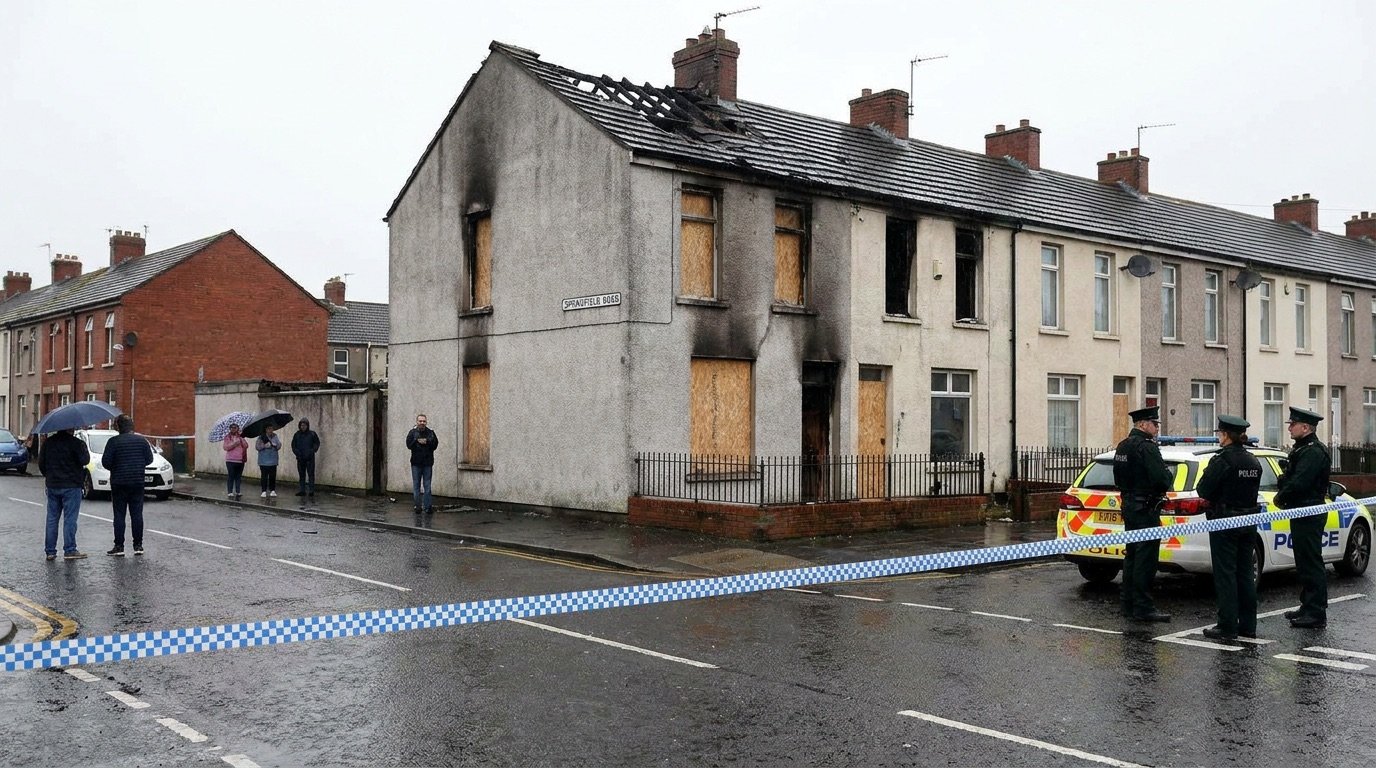
Belfast counts the cost after racially-motivated riots leave 27 homeless
Days of disorder across Belfast and beyond, triggered by a stabbing in the north of the city, have left dozens of people without homes and prompted Stormont's leaders to unite in condemnation as the PSNI works through a growing list of arrests and charges.
Stormont prepares contested bovine TB plan with 'wildlife intervention' on the table
Agriculture Minister Andrew Muir is finalising long-awaited proposals to tackle bovine tuberculosis in Northern Ireland, with a public consultation set to include options for controversial wildlife intervention, pitting the demands of the farming lobby against conservation concerns.
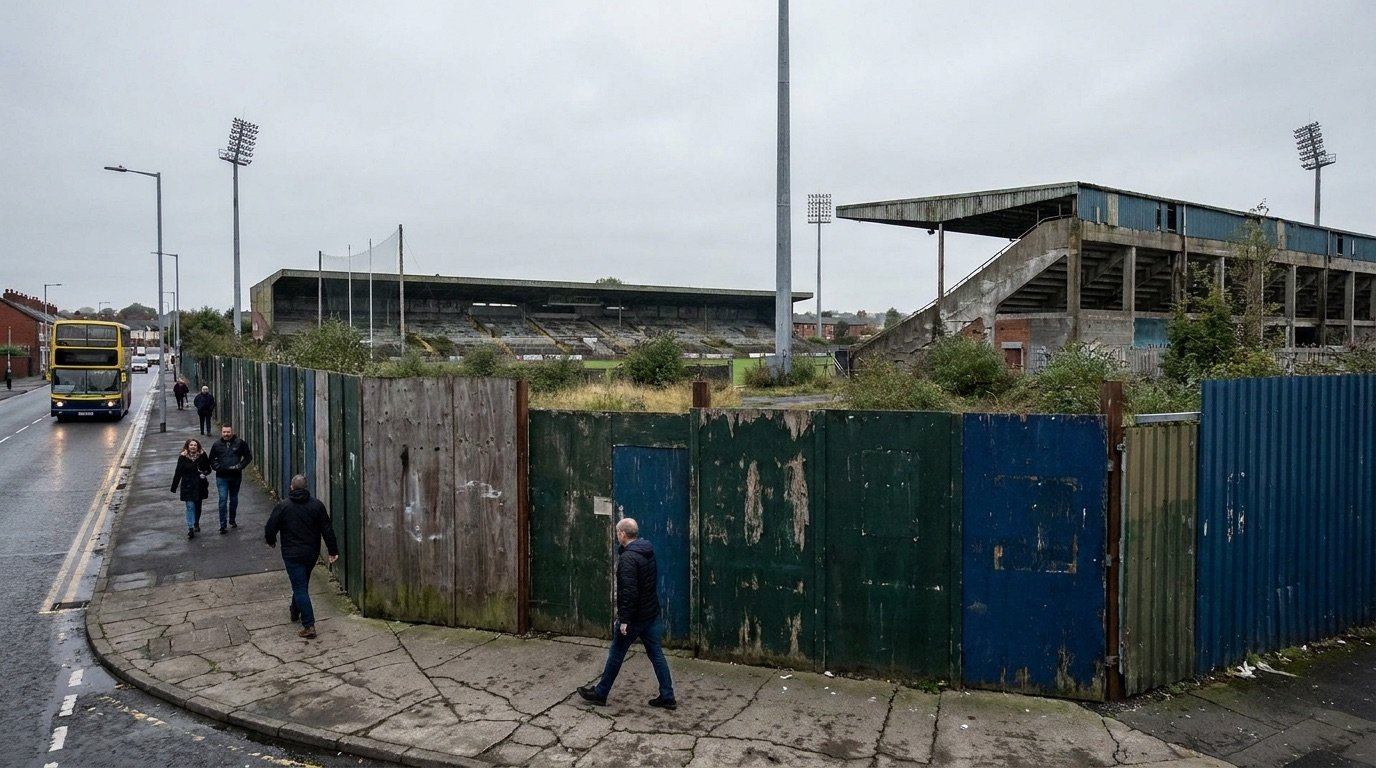
Casement Park edges towards delivery as funding package nears £210m
After more than a decade of dereliction, the redevelopment of Belfast's Casement Park is moving into its delivery phase, with a funding package approaching £210m drawn from Stormont and the two governments, even as unionist voices warn of political sensitivities over the GAA stadium.
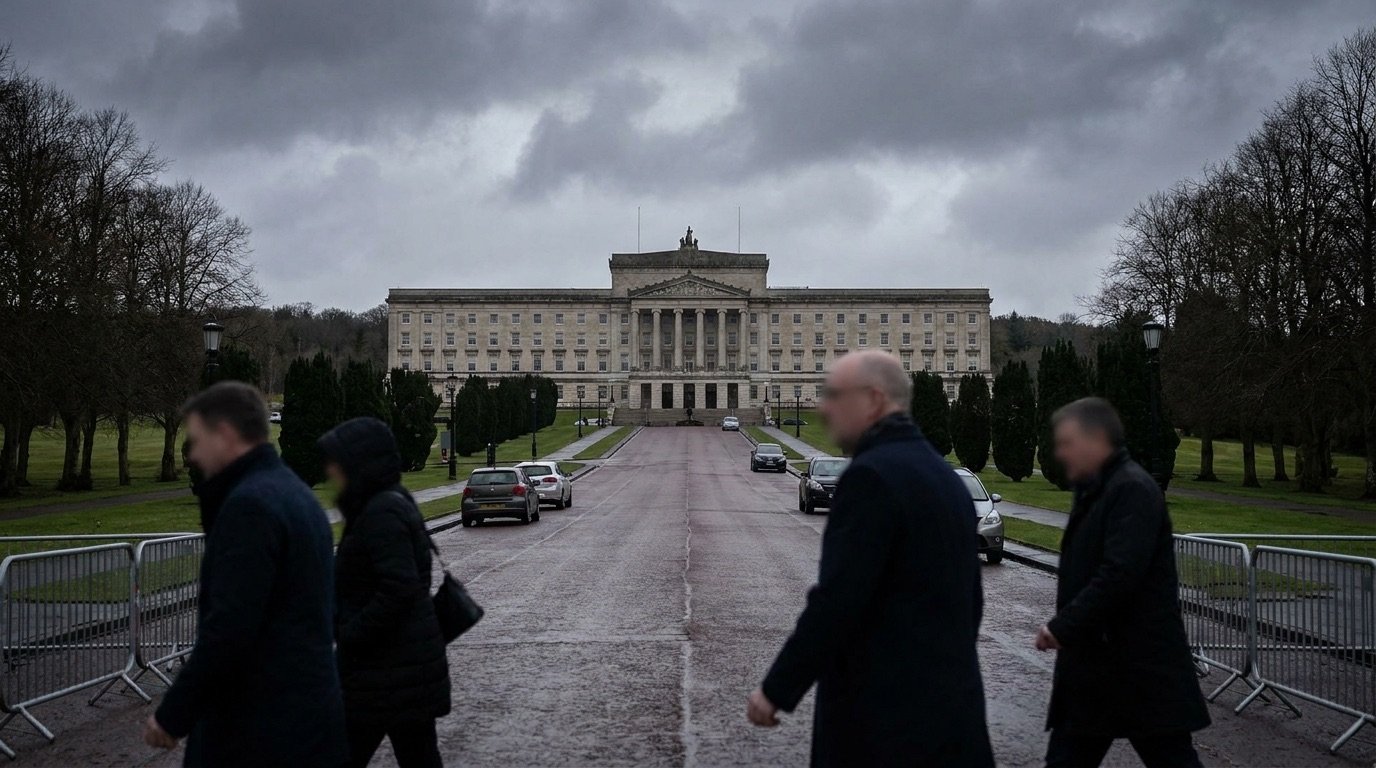
From 'opportunity' to 'Irish unity': Northern Ireland's split verdict on Starmer's exit
Sinn Féin called the resignation a sign Westminster is broken and a spur to prepare for Irish unity, while the DUP framed it as a chance to 'get the UK back on track'.