Belfast counts the cost after racially-motivated riots leave 27 homeless
Days of disorder across Belfast and beyond, triggered by a stabbing in the north of the city, have left dozens of people without homes and prompted Stormont's leaders to unite in condemnation as the PSNI works through a growing list of arrests and charges.
Eleanor Whitfield
Writer ·
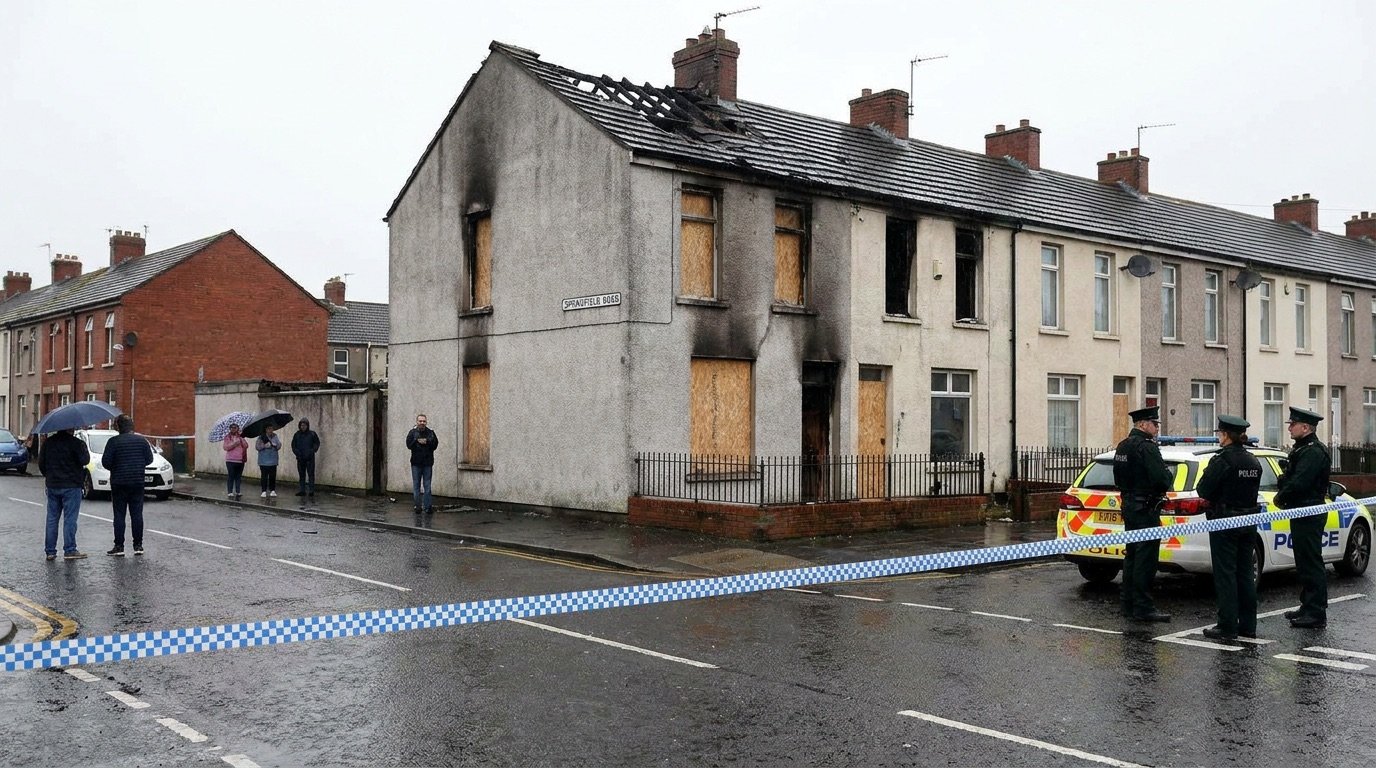
Belfast is taking stock after several nights of violence that left at least 27 people homeless, businesses and vehicles burnt out, and a city once defined by sectarian division confronting a wave of racially-motivated disorder.
The trouble began after a stabbing attack on 8 June in the north of the city, in which a disabled resident suffered severe facial and eye injuries. A 30-year-old man was charged in connection with the assault, and within 24 hours masked crowds had taken to the streets.
Over the following nights rioters moved door to door targeting the homes of immigrants, setting fires to residences, businesses and vehicles, with disorder concentrated on the Crumlin and Lower Newtownards Roads before spreading to other towns and across the water.
Stormont speaks with one voice
In a rare show of unity, the leaders of Sinn Féin, the DUP, the Ulster Unionists, Alliance and the SDLP issued a joint statement condemning both the original attack and the violence that followed it.
First Minister Michelle O'Neill described the burning of homes as disgusting cowardice and insisted there could be no equivocation about where responsibility lay.
“Racism, intimidation and violence are wrong wherever they occur. What we have seen is disgusting cowardice and it does not represent the people of this city.”
Justice Minister Naomi Long was equally unsparing, condemning those responsible in the strongest terms and warning that the full weight of the law would be brought to bear.
“There is no place for masked thugs to take to the streets and threaten, intimidate, disrupt and cause wanton damage.”
The policing operation
The PSNI mounted a major operation, supported by 200 officers drawn from forces in Great Britain, and used plastic baton rounds and water cannon to disperse crowds over successive nights.
By 13 June officers had made 23 arrests, with 17 people charged in court, and the force warned that those figures were likely to climb as detectives worked through video evidence and intelligence.
The human cost is already clear. Among the consequences of the disorder:
- At least 27 people were made homeless after their houses were attacked.
- Homes, businesses and numerous vehicles were set ablaze across the city.
- Twenty-three people were arrested by 13 June, with 17 charged in court.
- 200 mutual-aid officers were deployed from forces in Great Britain.
- Disorder spread beyond Belfast to other towns and to cities across the UK.
A family's appeal
The family of the stabbing victim publicly rejected any attempt to use the attack to fuel anti-immigrant sentiment, pointing to the contribution migrants make to healthcare and hospitality across Northern Ireland.
Community workers and faith leaders echoed the appeal, urging residents to resist the rumour and disinformation that had spread rapidly online in the hours after the assault.
Background
The violence came almost a year after similar unrest in Ballymena and other towns in 2025, which followed charges against two teenagers later dropped for lack of evidence, leaving a pattern of disorder erupting quickly from local incidents.
Analysts have noted that in parts of Northern Ireland racially-motivated violence is increasingly displacing the sectarian confrontations of the past, presenting the PSNI and the Executive with a different kind of challenge.
What happens next: the courts will work through the charges in the coming weeks while the Executive faces pressure to support those who lost their homes and to confront the disinformation that helped ignite the disorder.
Referenced coverage: Our reporting and analysis draws on coverage first reported by BBC News. The NE Times publishes original reporting and independent analysis written by our editorial team. We credit and link the outlets whose primary reporting informed this article.
The NE Times is an independent news and analysis publisher. Our articles combine factual reporting with clearly-written, impartial analysis. Content is for general information and does not constitute professional advice. Disclaimer.
You may also like to read
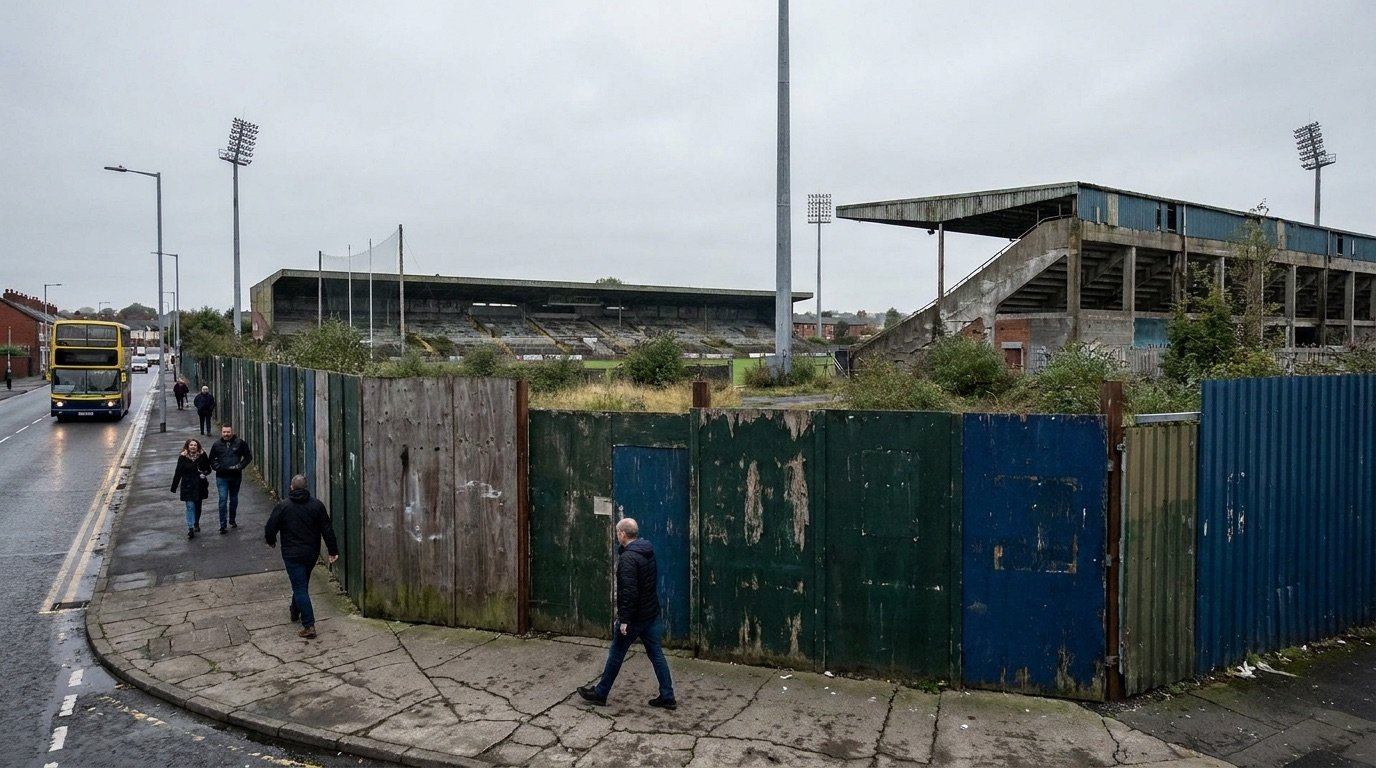
Casement Park edges towards delivery as funding package nears £210m
After more than a decade of dereliction, the redevelopment of Belfast's Casement Park is moving into its delivery phase, with a funding package approaching £210m drawn from Stormont and the two governments, even as unionist voices warn of political sensitivities over the GAA stadium.
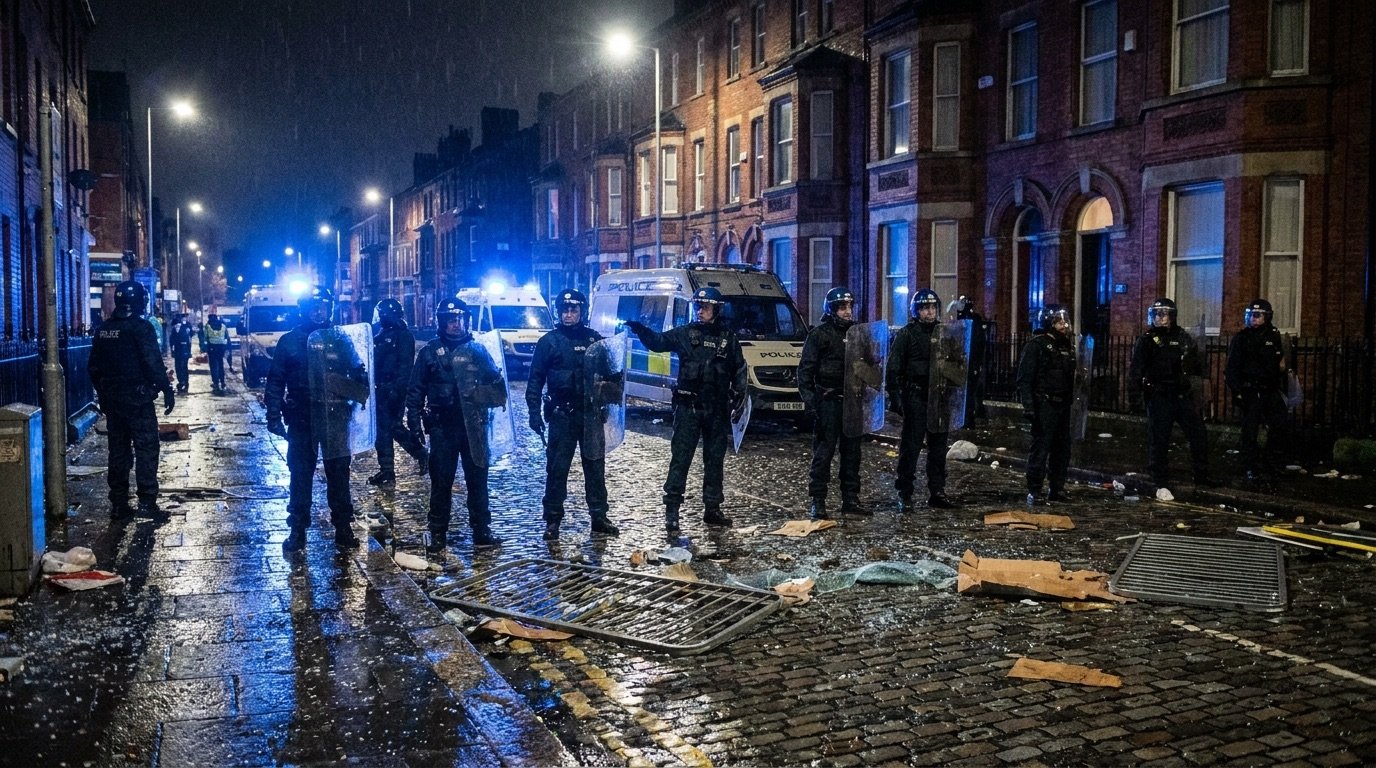
Belfast counts the cost as week of disorder grips Northern Ireland
Several nights of violence that left families homeless and dozens of officers injured have prompted soul-searching across Northern Ireland, with politicians condemning attacks that spread from Belfast to other towns.

Voters want Stormont fixed, not felled, survey finds as priorities diverge from politicians
A major academic survey for the Sunday Times has found broad cross-community support for keeping Northern Ireland's power-sharing institutions, alongside an appetite for reform that would stop any single party collapsing them, and a striking gap between public and political priorities.
Stormont prepares contested bovine TB plan with 'wildlife intervention' on the table
Agriculture Minister Andrew Muir is finalising long-awaited proposals to tackle bovine tuberculosis in Northern Ireland, with a public consultation set to include options for controversial wildlife intervention, pitting the demands of the farming lobby against conservation concerns.