NHS dental contract reforms bring complex care pathways from 23 June
The second wave of NHS dentistry reforms in England introduces new complex care pathways for patients with serious decay and gum disease, alongside changes to denture payments, as ministers try to improve access to NHS care.
Eleanor Whitfield
Writer ·
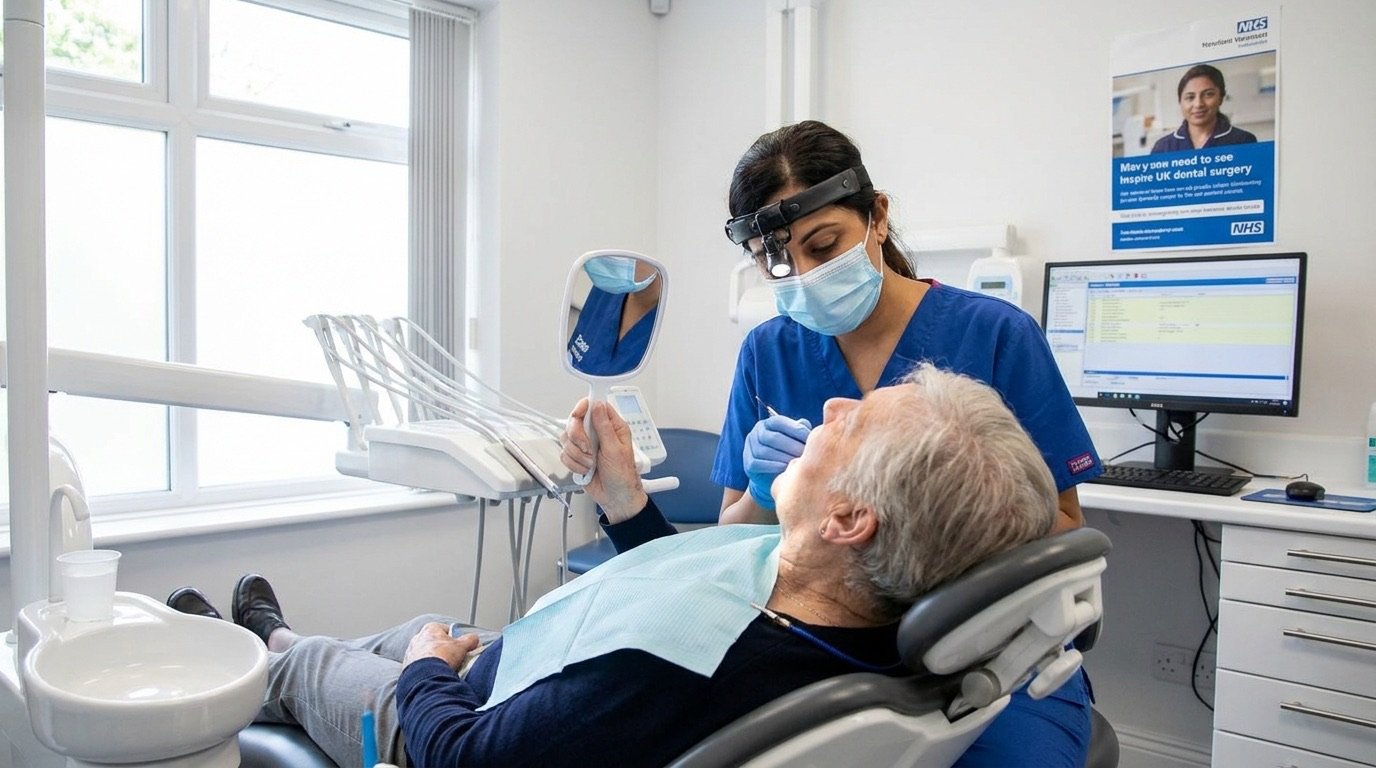
A second wave of reforms to the NHS dental contract in England is due to come into force on 23 June, introducing new pathways for patients with the most serious oral health problems and changing the way dentists are paid for some treatments. The changes are part of a broader effort to reshape how NHS dentistry is commissioned, delivered and funded after years of concern about access.
The reforms have been rolled out in stages, with an initial set of changes taking effect from April and the latest tranche following in June. Among the most significant new elements are three complex care pathways for patients with significant tooth decay or more severe gum disease, structured as six or twelve month packages of care.
Ministers and NHS leaders have framed the reforms as a step towards a more preventive and needs-based system, after long-standing criticism that the previous contract failed to reward dentists for treating the patients with the greatest need.
What is changing in June
The headline change is the introduction of complex care pathways for patients with significant caries, or tooth decay, and those with unstable or more severe periodontitis, a serious form of gum disease. These are designed as structured courses of treatment over six or twelve months, rather than one-off interventions, reflecting the reality that complex oral health problems require sustained care.
- Three new complex care pathways from 23 June for severe decay and gum disease
- Care structured as six or twelve month packages
- Updated payment values for denture modifications, relines and rebasing
- Higher rewards for more complex combined courses of treatment
Alongside the new pathways, the reforms update the values attached to denture work, including modifications, relines and rebasing, with higher payments for more complex combined courses of treatment. The aim is to better reflect the time and skill involved in caring for patients with more demanding needs.
Why reform was needed
Access to NHS dentistry has been a persistent source of public frustration, with many people reporting difficulty finding an NHS dentist taking on new patients. The previous payment system, based on units of dental activity, was widely criticised for incentivising high volumes of simpler work over the more time-consuming treatment of patients with complex needs.
“The old system simply did not reward dentists for taking on the patients who needed the most help, and these reforms are an attempt to put that right.”
— a dental sector representative
Concerns and questions
While the profession has broadly welcomed a move towards rewarding complex care, some dentists have raised questions about how the new pathways will work in practice and whether the funding will be sufficient to make NHS work financially viable for practices. The reforms also touch on urgent care, prevention in children and quality measurement, areas where implementation will be closely watched.
There is also concern about workforce, with many practices reporting difficulty recruiting and retaining dentists for NHS work, a challenge that no payment change can resolve on its own. In some parts of the country, so-called dental deserts have left patients with little or no local access to NHS care, and reforms to the payment system will need to be accompanied by efforts to attract and keep dentists in the public system.
Background
NHS dentistry has been under strain for years, with reports of patients travelling long distances, joining lengthy waiting lists or resorting to private care to be seen. The contract reforms have been developed as part of a wider plan to rebuild NHS dental services and improve access, particularly for children and those with the greatest clinical need. The changes from June represent one of the most substantial overhauls of the dental payment system in years.
Commissioners, providers and dental groups will now begin operating under the new arrangements, and the early months are likely to reveal how well the complex care pathways function in practice. The government will be hoping the reforms translate into improved access and better outcomes for patients who have struggled to get NHS care.
Referenced coverage: Our reporting and analysis draws on coverage first reported by NHS England. The NE Times publishes original reporting and independent analysis written by our editorial team. We credit and link the outlets whose primary reporting informed this article.
The NE Times is an independent news and analysis publisher. Our articles combine factual reporting with clearly-written, impartial analysis. Content is for general information and does not constitute professional advice. Disclaimer.
You may also like to read

Ministers pledge AI-driven NHS overhaul, insisting service must 'transform its way out' of crisis
The Health and Social Care Secretary has set out plans to accelerate the digitisation of the NHS, telling the ConfedExpo conference that the service cannot manage its way out of pressure but must reform through technology.

Two arrested over Nottingham hospital mortuary practices ahead of maternity review
Nottinghamshire Police have arrested two men on suspicion of misconduct in a public office over mortuary practices at Nottingham University Hospitals, a separate inquiry that has compounded scrutiny of the trust.
GPs to prescribe Mounjaro weight-loss jab from late June
From 23 June, family doctors in England will be able to prescribe the weight-loss injection tirzepatide to prioritised patients, with eligibility widening and every patient required to take part in wrap-around lifestyle support.
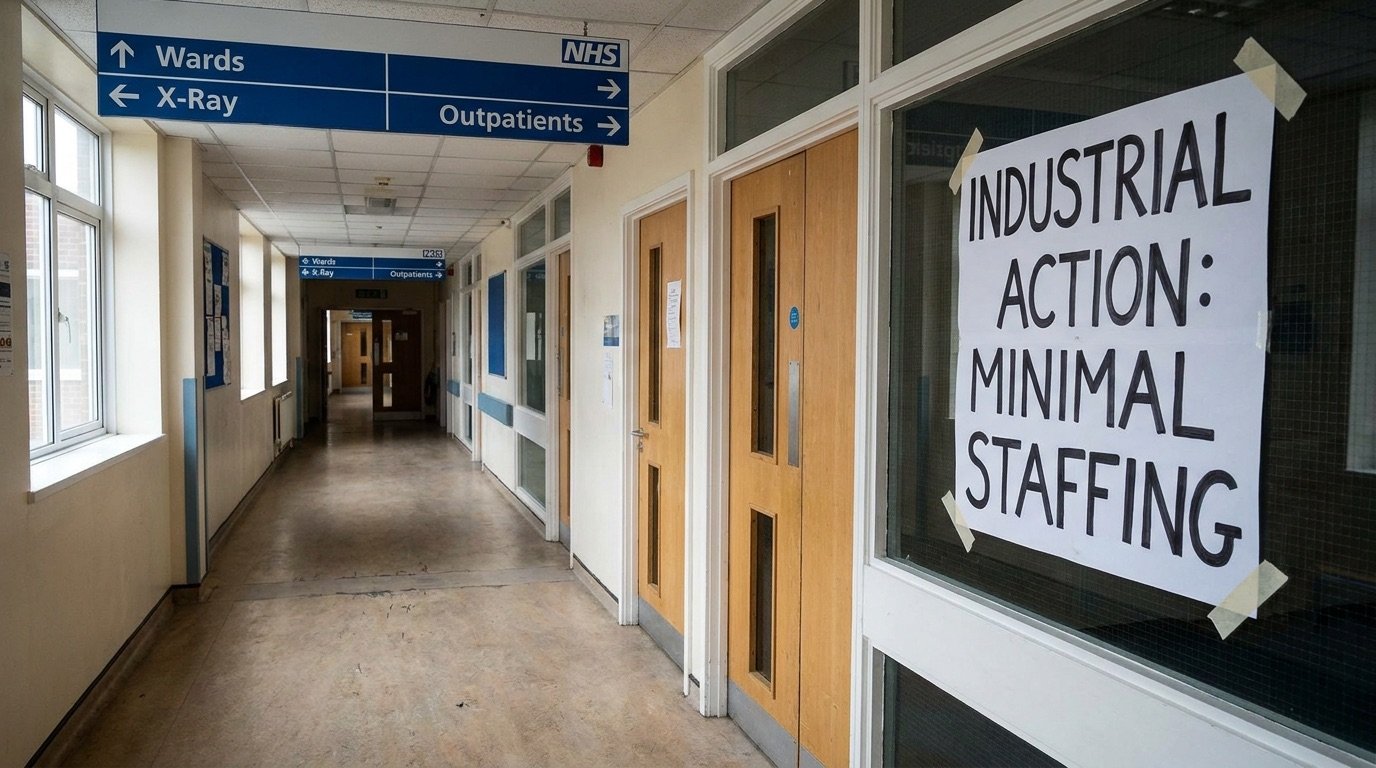
Resident doctors vote on pay offer that suspended four-day strike
A four-day walkout planned for the heatwave-hit week of 15 June was called off so that resident doctors in England could vote on a government offer worth an average 6.6 per cent and 4,500 new training places, with the ballot closing on 26 June.