GPs to prescribe Mounjaro weight-loss jab from late June
From 23 June, family doctors in England will be able to prescribe the weight-loss injection tirzepatide to prioritised patients, with eligibility widening and every patient required to take part in wrap-around lifestyle support.
Eleanor Whitfield
Writer ·
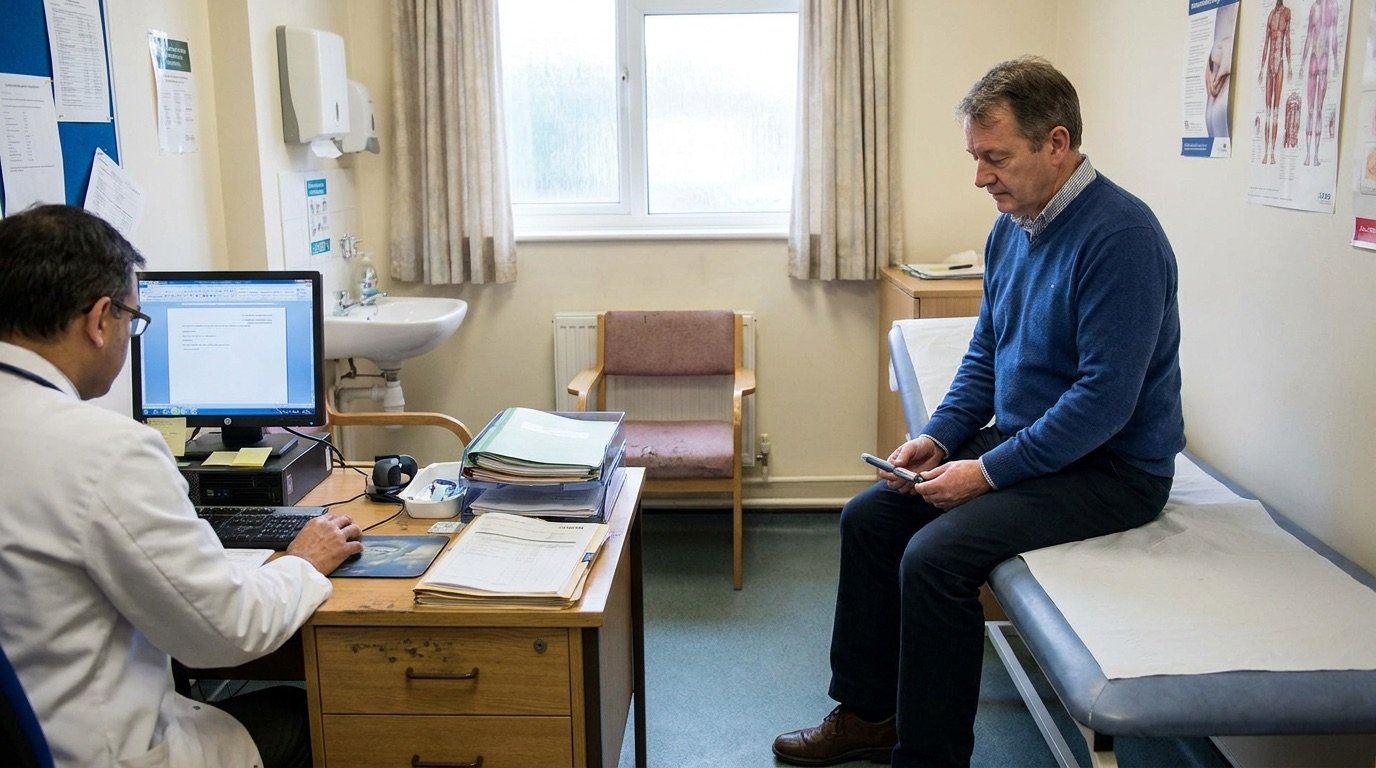
Family doctors in England will be able to prescribe the weight-loss injection Mounjaro to patients from late June, in a significant expansion of access to the medication. Integrated care boards are required to fund access to tirzepatide, the drug's generic name, for obesity in primary care from 23 June, moving the treatment out of specialist services and into GP surgeries for prioritised groups of patients.
The change builds on a phased rollout that began the previous year and reflects the inclusion of tirzepatide prescribing within the new GP contract. From June, eligibility is being extended to people with a body mass index between 35 and 39.9 who also have several weight-related health conditions.
NHS officials have stressed that the medication is not a standalone fix and that every patient prescribed the drug must take part in a wrap-around care service covering diet, nutrition and physical activity. Patients who do not wish to take up that support cannot be prescribed the jab.
Who qualifies
The rollout is being phased so that those at highest clinical need are reached first. From June 2026, eligibility extends to patients with a BMI in the 35 to 39.9 range who also have four of five listed weight-related conditions, such as type 2 diabetes, high blood pressure or cardiovascular disease.
- ICBs required to fund GP-prescribed tirzepatide for obesity from 23 June
- Eligibility widening to a BMI of 35 to 39.9 with four of five qualifying conditions
- Every patient must join a wrap-around lifestyle support programme
- GP practices are not mandated to prescribe, so availability may vary locally
Crucially, individual GP practices are not obliged to offer the medication, meaning patients in some areas may find it more readily available than in others depending on local decisions and capacity.
Wrap-around support
The requirement for lifestyle support reflects the evidence that weight-loss medication works best alongside changes to diet and activity, and concern among clinicians about prescribing the drugs in isolation. The wrap-around service is intended to help patients sustain weight loss and manage the transition if and when they come off the medication.
“These medicines are a tool, not a cure, and they have to come with proper support around diet and activity if the benefits are going to last.”
— a primary care clinician involved in the rollout
Pressure on practices
The expansion places new demands on general practice at a time when many surgeries are already stretched. Prescribing the injections, monitoring patients and delivering the associated support all require staff time and clinical oversight, and some doctors have raised concerns about funding and workload as the programme widens.
Demand for weight-loss injections has been high, with many people having turned to private providers, and the NHS expansion is likely to be closely watched as a test of whether the health service can deliver the treatment at scale. Some clinicians have also cautioned that supply of the medication needs to keep pace with demand, and that patients should be wary of buying unregulated products online.
The phased approach means that not everyone who might benefit will be able to access the drug immediately. Health officials have said prioritising those with the highest clinical need is necessary to manage demand and ensure the programme is sustainable as it expands over the coming years.
Background
Tirzepatide is one of a new generation of medications, originally developed for type 2 diabetes, that have been shown to produce substantial weight loss. The drugs work by mimicking hormones that regulate appetite and blood sugar, helping people feel fuller and eat less. With obesity rates high in the UK and linked to a wide range of serious conditions, ministers have framed wider access as part of a strategy to improve population health and reduce long-term pressure on the NHS.
As prescribing moves into primary care, attention will focus on how quickly practices take it up, whether eligible patients can access it consistently across the country, and how the wrap-around support is delivered. Future phases are expected to widen eligibility further over the coming years.
Referenced coverage: Our reporting and analysis draws on coverage first reported by Pulse. The NE Times publishes original reporting and independent analysis written by our editorial team. We credit and link the outlets whose primary reporting informed this article.
The NE Times is an independent news and analysis publisher. Our articles combine factual reporting with clearly-written, impartial analysis. Content is for general information and does not constitute professional advice. Disclaimer.
You may also like to read

NHS widens access to weight-loss jab as GP prescribing threshold lowered
From 23 June, more people in England will qualify for tirzepatide on the NHS as the BMI threshold for primary-care prescribing drops, in the next phase of a carefully managed rollout.

More patients to qualify for weight-loss jab as NHS lowers BMI threshold
GPs in England will be able to prescribe the weight-loss drug Mounjaro to a wider group of patients from late June, as the NHS lowers the BMI threshold for the next phase of its rollout.

NHS dental contract reforms bring complex care pathways from 23 June
The second wave of NHS dentistry reforms in England introduces new complex care pathways for patients with serious decay and gum disease, alongside changes to denture payments, as ministers try to improve access to NHS care.

Two arrested over Nottingham hospital mortuary practices ahead of maternity review
Nottinghamshire Police have arrested two men on suspicion of misconduct in a public office over mortuary practices at Nottingham University Hospitals, a separate inquiry that has compounded scrutiny of the trust.