Police facial recognition expands rapidly as watchdogs warn law is lagging behind
Forces have scanned millions of faces this year and ministers plan a national rollout, but biometrics regulators caution that the legal framework is struggling to keep pace with the technology.
Eleanor Whitfield
Writer ·
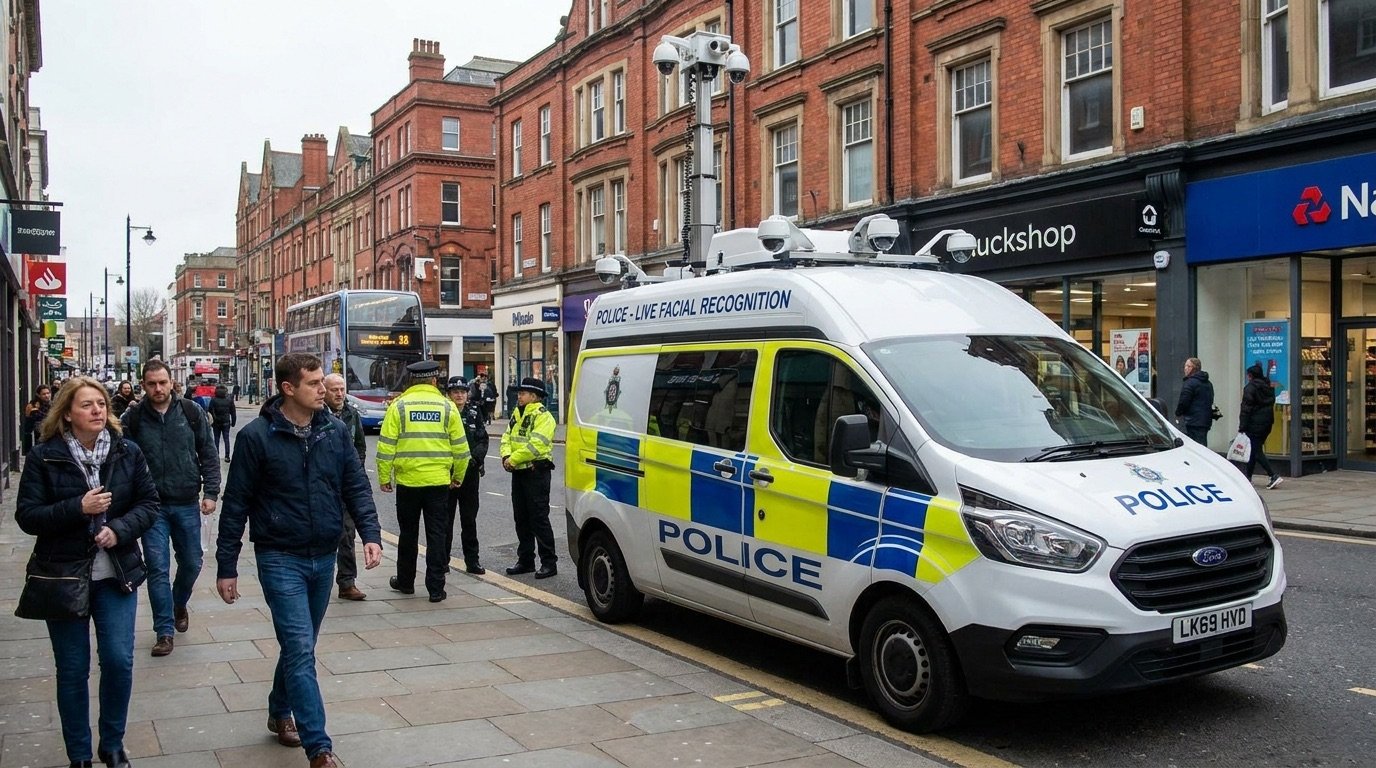
The use of live facial recognition by police in England and Wales is expanding at pace, with millions of faces scanned this year and ministers committed to a national rollout, even as watchdogs warn that the law governing the technology has fallen behind its deployment.
The Metropolitan Police alone has scanned more than 1.7 million faces in London so far this year, a sharp increase on the same period last year. Live facial recognition is now used by around a third of forces, with the government planning to extend the capability nationwide.
Supporters say the technology helps officers locate wanted suspects and missing people quickly. Critics argue it amounts to mass surveillance and risks entrenching bias, and they question whether adequate safeguards are in place.
A rapid expansion
Earlier this year the Home Office announced plans to extend facial recognition to every regional force, including the purchase of new dedicated vans to carry the cameras. The move was presented as part of a broader package of policing reforms.
The Met's figures illustrate the scale of the increase, with the number of faces scanned rising substantially year on year. Forces argue that the technology has helped them make arrests that would otherwise have been difficult or impossible.
“The technology is being deployed faster than the law that is supposed to govern it can be written.”
The oversight gap
Biometrics regulators and legal scholars have repeatedly warned that the rules around facial recognition remain a patchwork, relying heavily on police policy rather than clear, dedicated legislation. A government consultation on a new legal framework concluded earlier this year.
Commentators have cautioned that a comprehensive statutory framework may still be years away, leaving a significant gap between the speed of the rollout and the maturity of the rules intended to constrain it.
Concerns over bias and consent
Civil liberties groups have criticised both the scale and speed of the expansion, pointing to evidence that some facial recognition systems can produce higher rates of false positives for certain groups, raising concerns about discrimination.
Campaigners argue that members of the public are often unaware they are being scanned, and that the absence of a clear legal basis undermines accountability. They are calling for stronger oversight, transparency and limits on how the technology is used.
- The Met has scanned more than 1.7 million faces in London this year.
- Around a third of forces in England and Wales now use live facial recognition.
- The Home Office plans a national rollout, including new camera vans.
- A government consultation on a legal framework concluded earlier in 2026.
- Regulators warn the law is lagging well behind deployment.
Background
Facial recognition has become one of the most contested issues in modern policing, pitting the operational case for new technology against long-standing concerns about privacy, bias and the proper limits of state surveillance.
Courts and parliamentary bodies have examined the technology in recent years, and the current debate centres on whether a single, clear legal framework is needed to consolidate the existing rules and keep pace with rapid technological change.
What happens next
The government is expected to set out the next steps for both the national rollout and the legal framework following its consultation. Civil liberties groups, regulators and police will continue to press their competing cases, and the balance struck between effective policing and individual rights is likely to remain a flashpoint.
Referenced coverage: Our reporting and analysis draws on coverage first reported by Biometric Update. The NE Times publishes original reporting and independent analysis written by our editorial team. We credit and link the outlets whose primary reporting informed this article.
The NE Times is an independent news and analysis publisher. Our articles combine factual reporting with clearly-written, impartial analysis. Content is for general information and does not constitute professional advice. Disclaimer.
You may also like to read
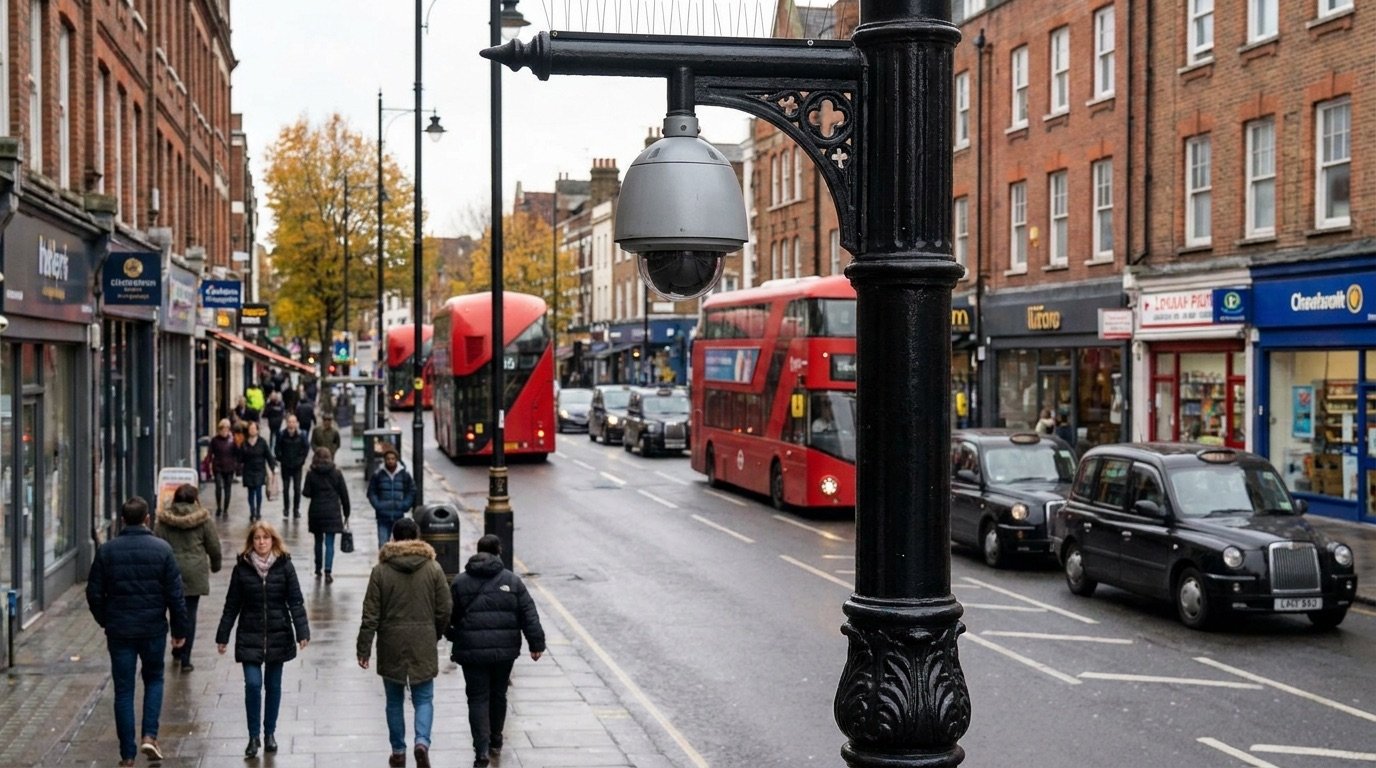
Met hails fixed facial-recognition cameras after one arrest every 35 minutes in Croydon
A six-month trial of permanent live facial recognition cameras on Croydon High Street produced 173 arrests, but civil-liberties campaigners remain uneasy about the spread of the technology.
Hundreds of county lines shut down in national crackdown as Liverpool dealer jailed
A co-ordinated police intensification week dismantled 241 drug lines and safeguarded more than 1,000 vulnerable people, as a Merseyside investigation put a city-centre line controller behind bars.
Fraud fightback ramps up as new online crime squad targets scam gangs
Investigators are stepping up efforts against the criminals behind online scams, from cryptocurrency fraud to services that defeat banking security, as a new Online Crime Centre brings together police, banks and tech firms.
Ministers pledge AI-driven NHS overhaul, insisting service must 'transform its way out' of crisis
The Health and Social Care Secretary has set out plans to accelerate the digitisation of the NHS, telling the ConfedExpo conference that the service cannot manage its way out of pressure but must reform through technology.