EV charger grants boosted to £500 as public charging network passes 88,500 points
The Government has increased grants towards home and workplace EV chargers and is pumping fresh funding into the public network, as Britain's switch to electric vehicles gathers pace outside London.
Eleanor Whitfield
Writer ·
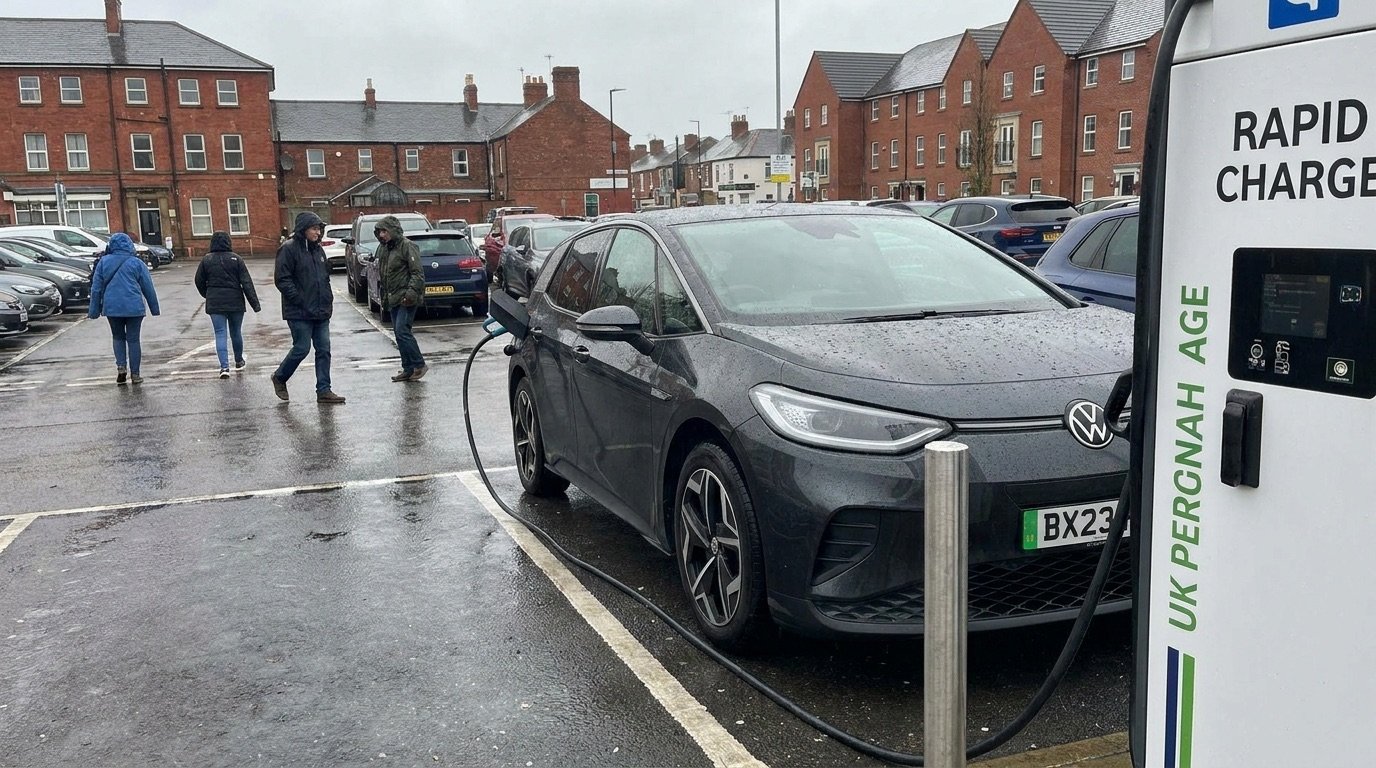
Grants towards installing electric vehicle chargers have been increased and Britain's public charging network has now passed 88,500 points, as ministers seek to keep up momentum behind the switch to electric motoring. The package is aimed at tackling one of the biggest barriers cited by would-be EV drivers: the worry over where and how they will charge.
The maximum grant available towards a home or workplace charge point has risen from £350 to £500 per socket, with several schemes extended through to March 2027 to give households and businesses more time to make the switch.
Alongside the grant increase, the Government has set out further funding to accelerate the rollout of public chargers, building on a network that has been growing fastest outside the capital in regions including Yorkshire, Wales, the West Midlands and the East of England.
Who benefits from the grants
The higher grants are targeted at groups that have historically found it hardest to install a charger, including people in rented accommodation, flat owners, residential landlords and households reliant on on-street parking. Businesses are also eligible for the increased support.
Schools can apply for grants of up to £2,000 per socket, building on thousands already installed, while a dedicated depot charging scheme offers fleet operators substantial help with the cost of installing chargers and the associated groundworks.
- Maximum home and workplace charger grant raised from £350 to £500 per socket.
- Several grant schemes extended until 31 March 2027.
- Schools eligible for grants of up to £2,000 per socket.
- Public network now exceeds 88,500 charge points.
- Further funding announced to accelerate the public charging rollout.
Building the public network
Ministers say the expanding public network is central to giving drivers the confidence to go electric, with hundreds of millions of pounds committed to help councils install tens of thousands of additional chargers in the coming years.
The fastest growth has come outside London, a sign that the rollout is spreading beyond the early-adopter heartlands and into the regions where many drivers without off-street parking live.
The expansion also extends to the strategic road network, where rapid chargers at motorway services are seen as essential to making longer electric journeys viable. Ministers point to the growth in ultra-rapid units capable of adding substantial range in minutes as evidence that range anxiety, once the defining worry of EV ownership, is steadily receding.
“Charging an electric car should be as easy as filling up at a petrol station. These grants and the rapidly expanding network are about giving every driver the confidence to make the switch, wherever they live.”
Challenges that remain
Despite the progress, campaigners and motoring groups warn that significant gaps remain, particularly for the millions of households without a driveway who cannot easily charge at home. They argue that reliable, affordable on-street and rapid charging is essential if the transition is to be fair.
Concerns also persist over the cost of public charging compared with home charging, and over the reliability of some chargers, with drivers reporting out-of-service units and confusing payment systems.
“The grants are welcome, but the real test is whether a driver without a driveway can charge quickly, reliably and at a fair price. Until that is true everywhere, the transition will not feel fair to everyone.”
Background
The drive to electrify Britain's roads is central to the country's plans to cut transport emissions, with the sector among the largest contributors to the national total. The Government has set out a trajectory towards phasing out new petrol and diesel cars, making the availability of charging infrastructure increasingly important.
Grant schemes and public funding have evolved repeatedly as the market has matured, shifting support towards the groups and locations where charging remains hardest to provide.
What happens next: the extended grant schemes run to March 2027, giving households and businesses a clear window to invest, while the public network continues its rapid expansion. The key question for drivers will be whether charging becomes genuinely convenient and affordable everywhere, not just in the areas leading the rollout.
Referenced coverage: Our reporting and analysis draws on coverage first reported by GOV.UK. The NE Times publishes original reporting and independent analysis written by our editorial team. We credit and link the outlets whose primary reporting informed this article.
The NE Times is an independent news and analysis publisher. Our articles combine factual reporting with clearly-written, impartial analysis. Content is for general information and does not constitute professional advice. Disclaimer.
You may also like to read
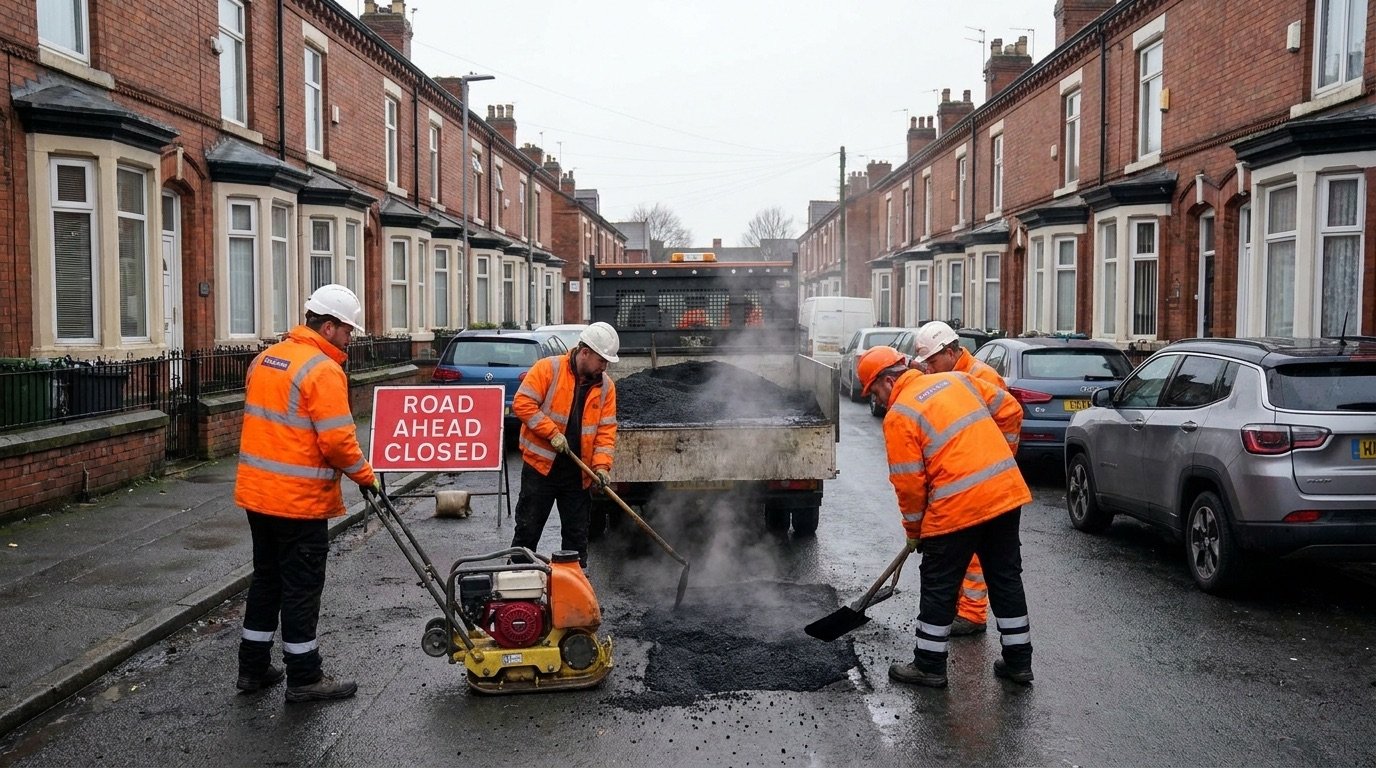
Councils warned they risk losing pothole cash unless they prove roads are improving
Local authorities in England could forfeit around a third of their £1.6bn road maintenance funding unless they demonstrate the money is being spent effectively, as the pothole crisis tops drivers' concerns.

Nissan pauses electric Qashqai plan at Sunderland, clouding UK car transition
A decision to halt plans for an electric version of its flagship model as part of wider restructuring has reignited questions over investment, supply chains and Britain's shift to electric vehicles.
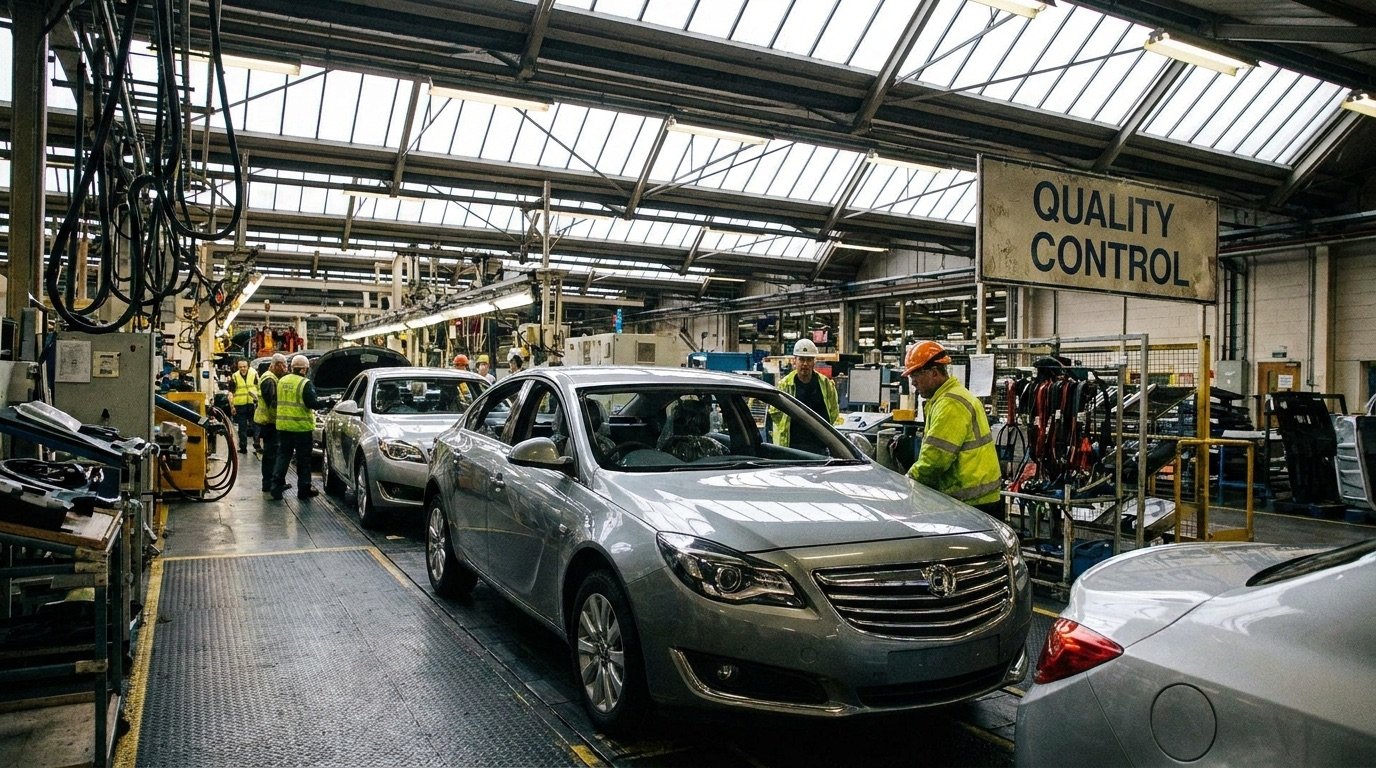
UK car output set to rebound in 2026 after bruising year, says SMMT
The motor industry body expects production to climb back towards 800,000 units this year, helped by new electric models and a multi-billion-pound investment drive.

Green Man's refugee training scheme shows what a festival can do beyond the stage
The Welsh festival's decade-old programme has trained 191 refugees from 52 countries, turning a music event into practical civic infrastructure.