Nissan pauses electric Qashqai plan at Sunderland, clouding UK car transition
A decision to halt plans for an electric version of its flagship model as part of wider restructuring has reignited questions over investment, supply chains and Britain's shift to electric vehicles.
Rajan Mehta
Writer ·

Nissan has halted plans for an electric Qashqai at its Sunderland plant as part of a wider restructuring, a move that has sharpened concerns over the timing of investment and the trajectory of Britain's electric-vehicle transition. The pause was reported through business live coverage as the carmaker reshapes its priorities.
For Sunderland, the issue extends beyond a single model. The plant is a cornerstone of UK automotive manufacturing, and any wobble in its electrification roadmap raises broader questions about confidence in the next phase of vehicle production in Britain.
The decision lands at a moment when the entire industry is weighing how quickly to commit to electric models against uncertain demand, shifting policy signals and intense global competition.
Why the pause matters
Decisions about which models to build, and when, ripple through supply chains, jobs and regional economies. A halt to an electric version of a flagship vehicle is the kind of signal that investors, suppliers and workers read carefully for clues about the direction of travel.
- Nissan halted plans for an electric Qashqai at Sunderland.
- The pause forms part of a wider corporate restructuring.
- It raises questions over investment timing and supply chains.
- Sunderland is a key pillar of UK automotive manufacturing.
Confidence in the transition
Britain's shift to electric vehicles depends on a steady drumbeat of investment commitments. When a major manufacturer pauses, it can dampen confidence across the sector and prompt fresh debate about whether the policy and market conditions are aligned.
“What is at stake is not just one model, but confidence in the next phase of automotive manufacturing in the region.”
Background
The Sunderland plant has long been central to the UK car industry, and its electrification plans have been viewed as a barometer for the country's wider transition. Carmakers globally are recalibrating EV strategies in response to demand patterns, costs and supply-chain pressures.
Restructuring decisions are often about sequencing rather than abandonment, but the distinction can be hard to read from the outside, leaving stakeholders to interpret intent from limited signals.
What happens next: attention will focus on how Nissan reshapes its plans for Sunderland and whether the pause proves a temporary recalibration or a longer delay, with implications for jobs, suppliers and the UK's electric-vehicle ambitions.
Referenced coverage: Our reporting and analysis draws on coverage first reported by The Guardian. The NE Times publishes original reporting and independent analysis written by our editorial team. We credit and link the outlets whose primary reporting informed this article.
The NE Times is an independent news and analysis publisher. Our articles combine factual reporting with clearly-written, impartial analysis. Content is for general information and does not constitute professional advice. Disclaimer.
You may also like to read
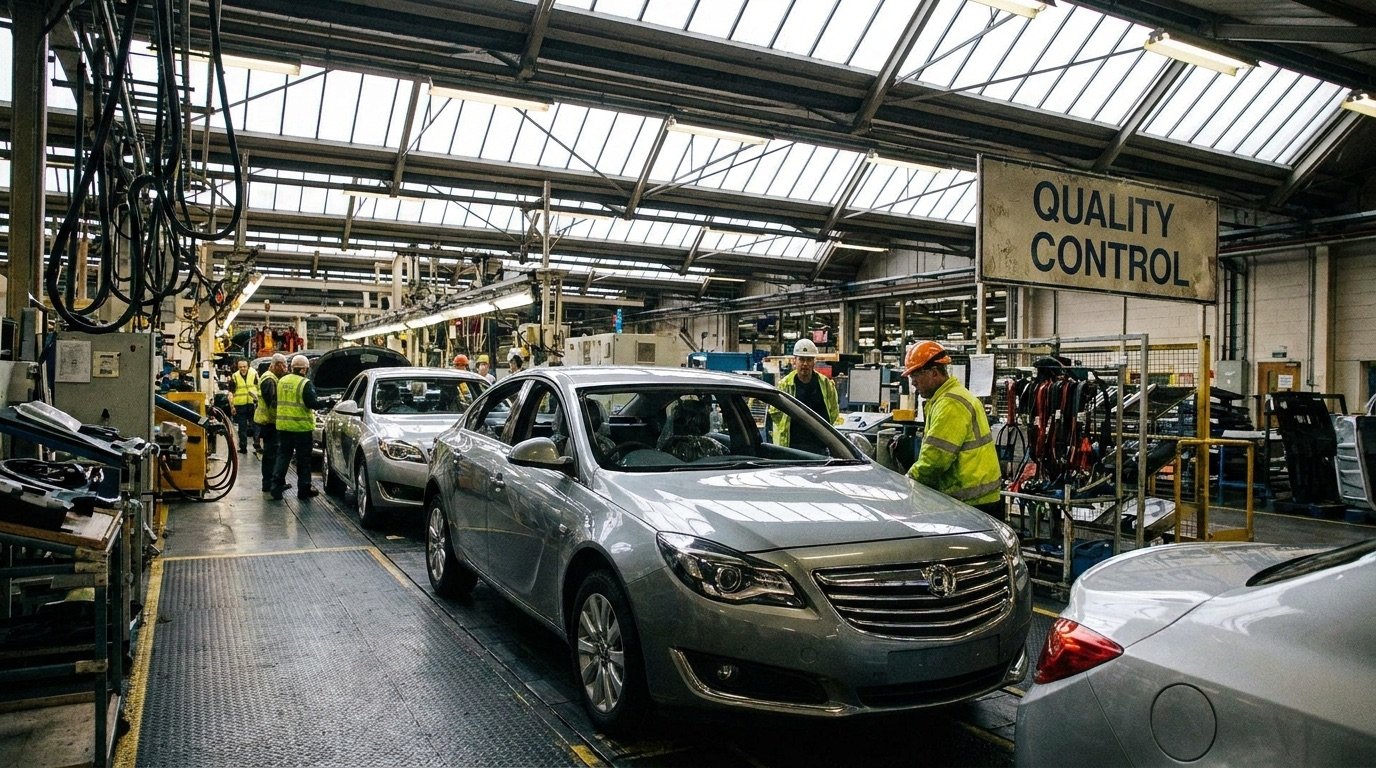
UK car output set to rebound in 2026 after bruising year, says SMMT
The motor industry body expects production to climb back towards 800,000 units this year, helped by new electric models and a multi-billion-pound investment drive.
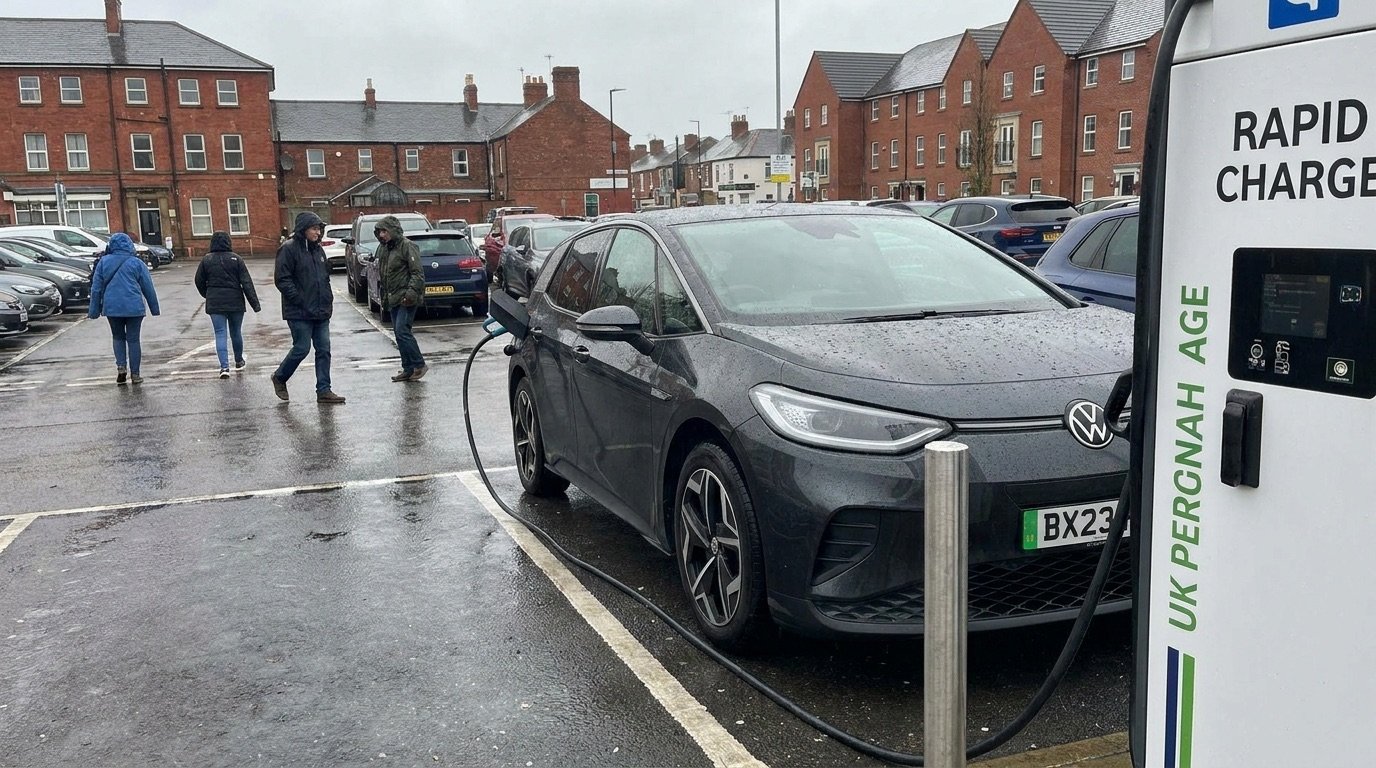
EV charger grants boosted to £500 as public charging network passes 88,500 points
The Government has increased grants towards home and workplace EV chargers and is pumping fresh funding into the public network, as Britain's switch to electric vehicles gathers pace outside London.

The Quiet Studio That Keeps Winning: Inside Illumination's Minions Economics
With Minions & Monsters out and Mario the year's only billion-dollar film, Illumination's low-cost, globally legible formula is Hollywood's model to beat.

Hollywood's June jobs drop shows entertainment is still hunting for a new normal
US movie and music employment fell by 3,600 in June to 321,700, a reminder that the post-streaming-boom correction is hitting the workers behind the credits.