Channel crossings and asylum claims fall, but small boats remain stubbornly visible
Official figures show around 36,000 people arrived by small boat in the year to May 2026, down 13 per cent, as net migration drops close to pre-pandemic levels.
Eleanor Whitfield
Writer ·
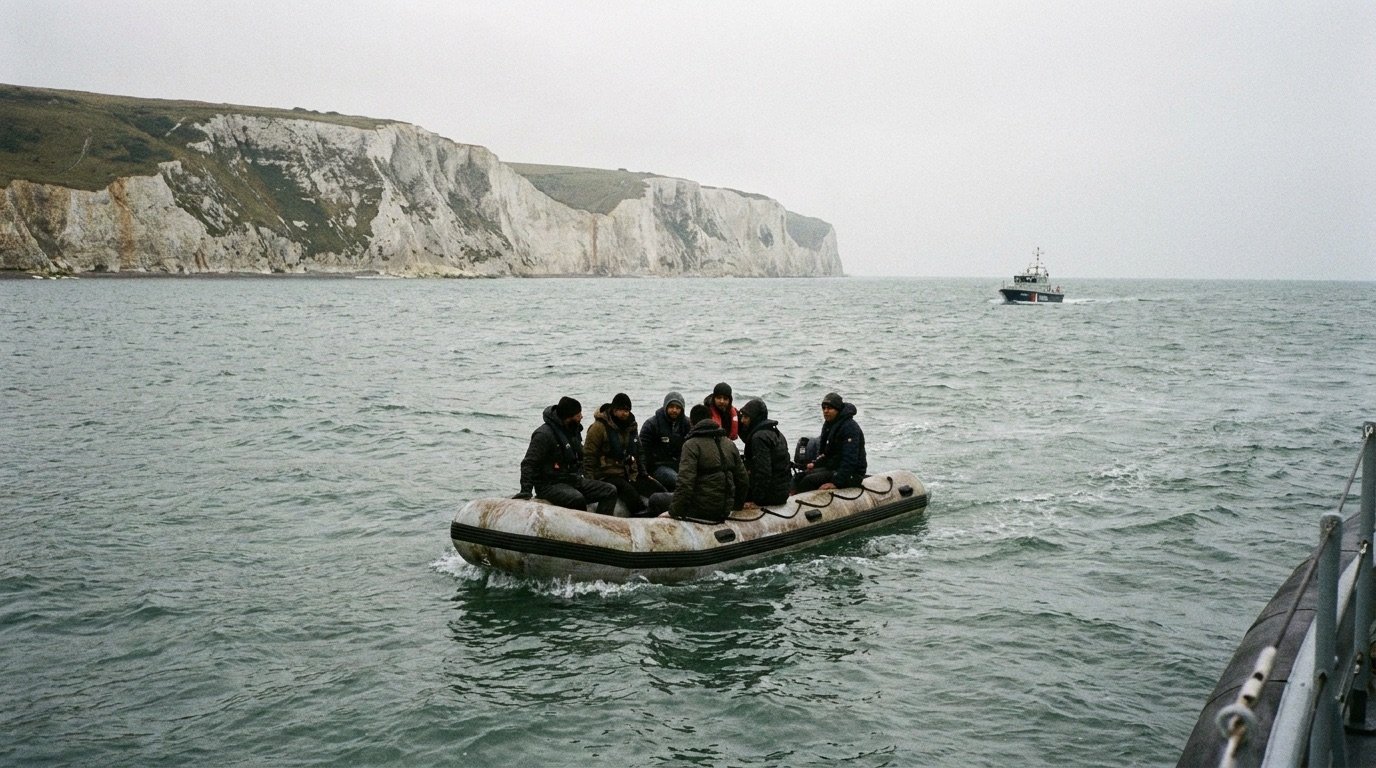
The number of people crossing the English Channel in small boats has fallen over the past year, according to the latest official data, even as the issue remains one of the most politically contested in the country. The figures suggest a genuine downward trend, but they have done little to dampen the intensity of the debate surrounding irregular arrivals.
Around 36,000 people arrived by small boat in the year ending 31 May 2026, 13 per cent fewer than in the same period a year earlier. Figures for the first part of 2026 show a sharper drop, with crossings to the end of May running around 38 per cent below the equivalent point in 2025. Analysts caution that crossing numbers are highly seasonal and sensitive to weather, meaning month-to-month comparisons can be misleading.
The decline arrives against a backdrop of sustained government efforts to disrupt the smuggling networks behind the crossings and to deter departures from the French coast. Whether the fall reflects those measures, shifting conditions on the routes, or a combination of factors is a matter of continuing dispute.
Who is arriving
In the year to March 2026, small boats accounted for roughly 90 per cent of all people detected arriving without authorisation. Eritrean nationals made up the largest share of arrivals, followed by Afghan, Sudanese and Iranian nationals. Asylum claims have also fallen, down about 12 per cent year on year, broadly mirroring the reduction in crossings.
The nationality mix is significant because it shapes the likely outcome of asylum claims. People fleeing conflict and persecution in countries such as those at the top of the arrivals list have historically had relatively high rates of recognition, complicating arguments that all those crossing are without a valid claim.
The composition of arrivals also tends to shift over time in response to global events, with conflicts, repression and economic collapse in particular regions driving changes in who attempts the journey. Analysts caution against drawing firm conclusions from a single year's figures, noting that the drivers of irregular migration are complex and often lie far beyond the United Kingdom's borders.
- Around 36,000 people arrived by small boat in the year to May 2026, down 13 per cent
- Crossings to the end of May 2026 ran about 38 per cent below the 2025 point
- Small boats made up roughly 90 per cent of irregular arrivals detected
- Eritrean, Afghan, Sudanese and Iranian nationals were the largest groups
- Asylum claims fell about 12 per cent year on year
The wider migration picture
The wider migration picture has shifted markedly: net migration fell to 171,000 in 2025, a decline of more than 80 per cent from its early-2023 peak. The bulk of that reduction stems from changes to legal migration routes, including tighter rules on work and study visas and on the dependants who can accompany migrants, rather than from changes at the Channel.
This distinction is often lost in public debate. Small boat arrivals, while highly visible and politically charged, represent a small fraction of overall migration to the UK. The far larger movements occur through legal routes, where policy changes have driven the headline net figure down to levels close to those seen before the pandemic.
“The data shows a clear downward trend, but the political salience of crossings has not eased.”
— Migration policy analyst
Why the issue stays prominent
Despite the falling numbers, small boats continue to dominate the political conversation. The visibility of dinghies crossing one of the world's busiest shipping lanes, the dangers involved, and the periodic tragedies at sea ensure the issue retains an emotional and political charge that statistics alone cannot dispel. Pressure on accommodation, including the use of hotels to house asylum seekers awaiting decisions, has kept the topic in the headlines and in local politics.
Ministers face competing demands: to reduce arrivals and clear the backlog of claims, while meeting legal obligations to those with genuine protection needs. The pace at which claims are processed has a direct bearing on costs and on public perception, making the efficiency of the asylum system as politically important as the raw arrival figures.
Background: a decade of escalation and response
Small boat crossings rose sharply from the late 2010s, transforming from a marginal phenomenon into a defining political issue. Successive governments have trialled a range of deterrence and enforcement measures, cooperation with French authorities, and efforts to speed up decision-making, with varying and contested results. The current downward trend, if sustained, would mark a notable shift after years of broadly rising numbers.
What happens next
Ministers point to the figures as evidence their approach is working, while critics argue the continued visibility of crossings keeps pressure on the asylum system. The key tests in the months ahead will be whether the decline holds through the summer peak, when calmer seas typically encourage more attempts, and whether the government can demonstrate progress on processing claims and reducing reliance on costly temporary accommodation. The numbers may be falling, but the political stakes attached to them show little sign of easing.
Referenced coverage: Our reporting and analysis draws on coverage first reported by Migration Observatory. The NE Times publishes original reporting and independent analysis written by our editorial team. We credit and link the outlets whose primary reporting informed this article.
The NE Times is an independent news and analysis publisher. Our articles combine factual reporting with clearly-written, impartial analysis. Content is for general information and does not constitute professional advice. Disclaimer.
You may also like to read
710 in one day: Channel sees its busiest day of 2026 as summer crossing season opens
Some 710 people arrived on 11 boats on 15 June, the largest single-day total of the year so far, after a six-day weather lull — underlining how quickly arrivals climb once conditions calm.
Channel small-boat arrivals down sharply in early 2026 — but ministers brace for summer surge
Home Office figures show crossings 38% lower than the same period last year, yet officials caution the warmer months historically drive the largest numbers.
UK and France extend 'one-in, one-out' migrant returns scheme until October
The pilot, which swaps Channel arrivals for asylum seekers with UK ties, is extended and amended — but figures show it has so far affected only a fraction of crossings.

New independent asylum appeals body promised as tribunal backlog passes 139,000
Ministers want to lift asylum and human-rights appeals out of the overloaded courts and into a faster body of trained adjudicators. Lawyers warn speed must not come at the cost of fairness.