The garden becomes a room: how outdoor living is reshaping the British home in 2026
Outdoor kitchens, modular seating and drought-tolerant Mediterranean planting are turning back gardens into year-round living spaces, while garden rooms cement their place as permanent fixtures of the modern home.
Sophie Bennett
Writer ·
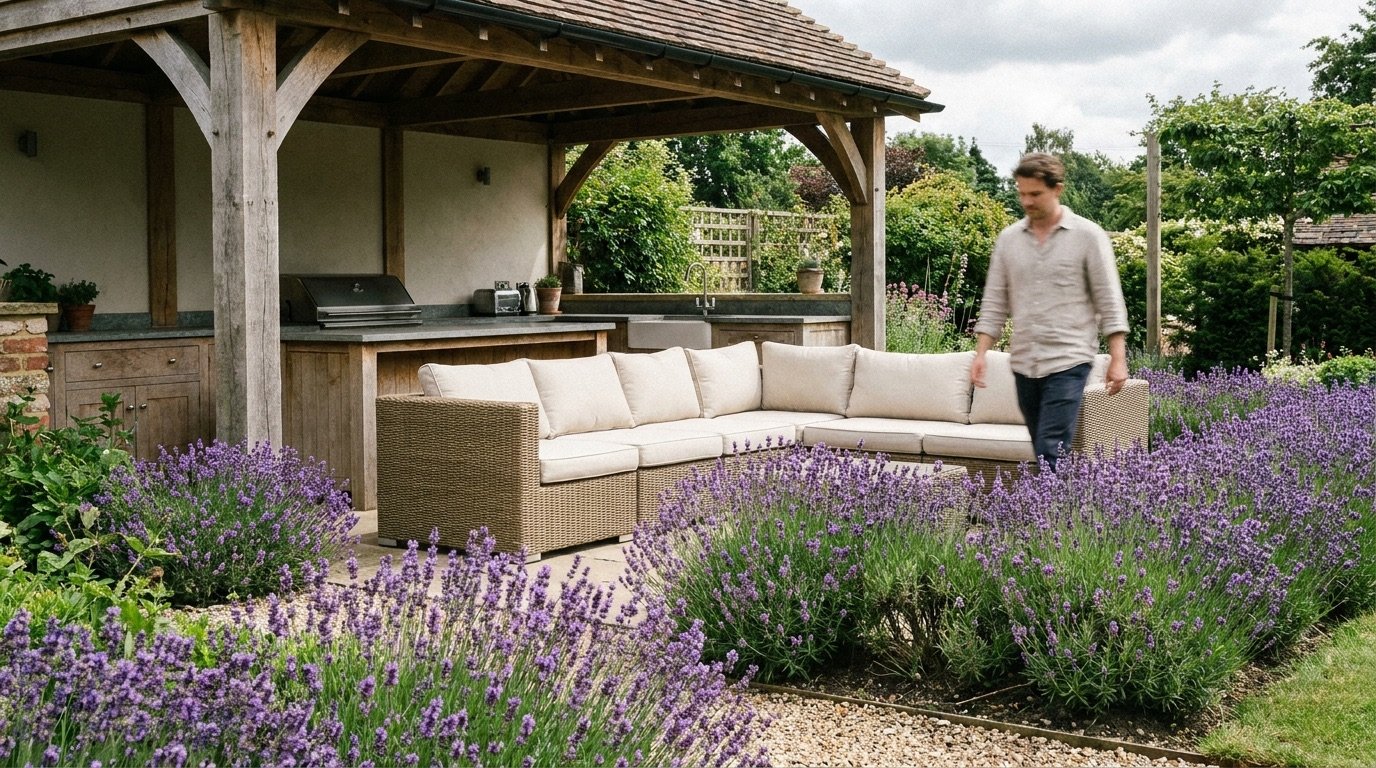
The British garden has always been a place of quiet ambition, a patch of green to be mowed, weeded and admired from the kitchen window. In 2026 that ambition has changed shape. Increasingly the garden is being treated not as a decorative backdrop to the house but as another room of it, designed to be lived in from late spring through to early autumn.
Designers and retailers report the same shift: homeowners want their outdoor space to do real work. Outdoor kitchens, weatherproof modular seating, covered dining areas and proper lighting are turning patios into spaces for cooking, working and entertaining, rather than somewhere to perch on a folding chair on the three reliably sunny days of the year.
It is, in part, a response to the way Britons have come to value home. After years of investing indoors, attention has moved outward, and the garden has become the next frontier of the home-improvement instinct.
From decoration to function
The defining idea of the 2026 garden is function. Where a previous generation prized neat borders and an ornamental lawn, today's gardeners want zones: a place to cook, a place to lounge, a place to eat, ideally sheltered enough to use when the weather is merely tolerable rather than glorious.
Modular furniture has become central to this, allowing a single seating set to be reconfigured from a dining arrangement to a lounge depending on the occasion. Covered structures, from pergolas to fully roofed dining areas, extend the usable season at both ends, and outdoor heating and lighting push the day into the evening. The garden, in short, is being engineered for use, not just for show.
“People no longer think of the garden as something separate from the house. They want it to function like an extra room, somewhere they can actually live, cook and relax, not just look at.”
— A UK garden designer
Planting for a hotter, drier Britain
The climate is rewriting the planting list. With hotter summers and less reliable rainfall, British gardeners are turning to Mediterranean-style schemes built around plants that can cope with drought. Lavender, rosemary, ornamental grasses, olive trees and hardy perennials are increasingly favoured for their resilience as much as their looks.
Edible planting is the other strong theme, with the kitchen garden migrating into the decorative one. Herbs, salad leaves, strawberries, tomatoes and edible flowers are being woven into borders, patio pots and balcony planters, blurring the line between an ornamental garden and a productive one. For renters and flat-dwellers, the same instinct is playing out in miniature on balconies and windowsills.
The most popular moves of the season cluster around this practical, climate-aware approach:
- Drought-tolerant Mediterranean planting that needs less watering
- Outdoor kitchens and built-in barbecue or pizza-oven setups
- Modular, weatherproof seating that reconfigures for different uses
- Edible plants mixed into ornamental borders and patio pots
- Garden rooms used as offices, gyms or quiet retreats year-round
The garden room comes of age
Perhaps the clearest sign of the garden's promotion is the rise of the garden room. Once a glorified shed, the garden room has become a permanent, carefully designed structure used as a home office, a gym, a studio or a quiet retreat from a busy household. Insulated, wired and finished to the standard of an indoor room, it answers the lasting demand for separate space to work and unwind that hybrid working created and never relinquished.
Indoors, the same sensibility is softening interiors towards what designers call a modern organic look, pairing neutral, tactile finishes such as limewash and Venetian plaster with natural materials, an aesthetic that flows naturally out through the back doors and into the garden.
Background
The roots of the trend lie in the pandemic, when gardens became precious and home-working became normal. What began as making the best of confinement has hardened into a lasting set of expectations: that the home should extend outdoors, that gardens should be useful as well as pretty, and that planting should suit a changing climate rather than fight it.
What it means
For homeowners, the message is that thoughtful investment outdoors now competes with the kitchen extension for attention, and a well-designed garden adds genuine living space rather than mere kerb appeal. For renters and those on tighter budgets, much of the spirit is achievable in miniature, through pots, portable seating and a few resilient plants. The garden, however large or small, is no longer the bit you tidy before guests arrive. It is where you invite them to stay.
Referenced coverage: Our reporting and analysis draws on coverage first reported by Argos Outdoor Living Report 2026. The NE Times publishes original reporting and independent analysis written by our editorial team. We credit and link the outlets whose primary reporting informed this article.
The NE Times is an independent news and analysis publisher. Our articles combine factual reporting with clearly-written, impartial analysis. Content is for general information and does not constitute professional advice. Disclaimer.
You may also like to read

The sober-curious summer: how no-and-low drinks took over Britain's pub gardens
Alcohol-free pints are no longer a January novelty. With nearly half of UK drinkers now moderating and draught taps multiplying, the low-and-no category has become a year-round fixture worth hundreds of millions to pubs.

Wide legs, utility and linen: the high-street looks defining summer 2026
The skinny jean is officially over. As Britain's high street embraces wide-leg trousers, utilitarian cargo and breezy linen, this summer's wardrobe is built around comfort that still looks considered.
Beyond the cortisol panic: why nervous-system regulation is 2026's defining wellbeing trend
Cortisol has become the buzzword of the year, fuelling a wave of products and viral advice. But behind the hype is a more credible shift towards calming the nervous system, better sleep and personalised, realistic routines.
The thermostat question: why the smartest air-conditioning setting is neither off nor arctic
Experts say raising the thermostat for hours beats switching cooling off entirely — advice with cost, health and grid stakes as heat waves intensify.