The sober-curious summer: how no-and-low drinks took over Britain's pub gardens
Alcohol-free pints are no longer a January novelty. With nearly half of UK drinkers now moderating and draught taps multiplying, the low-and-no category has become a year-round fixture worth hundreds of millions to pubs.
Sophie Bennett
Writer ·
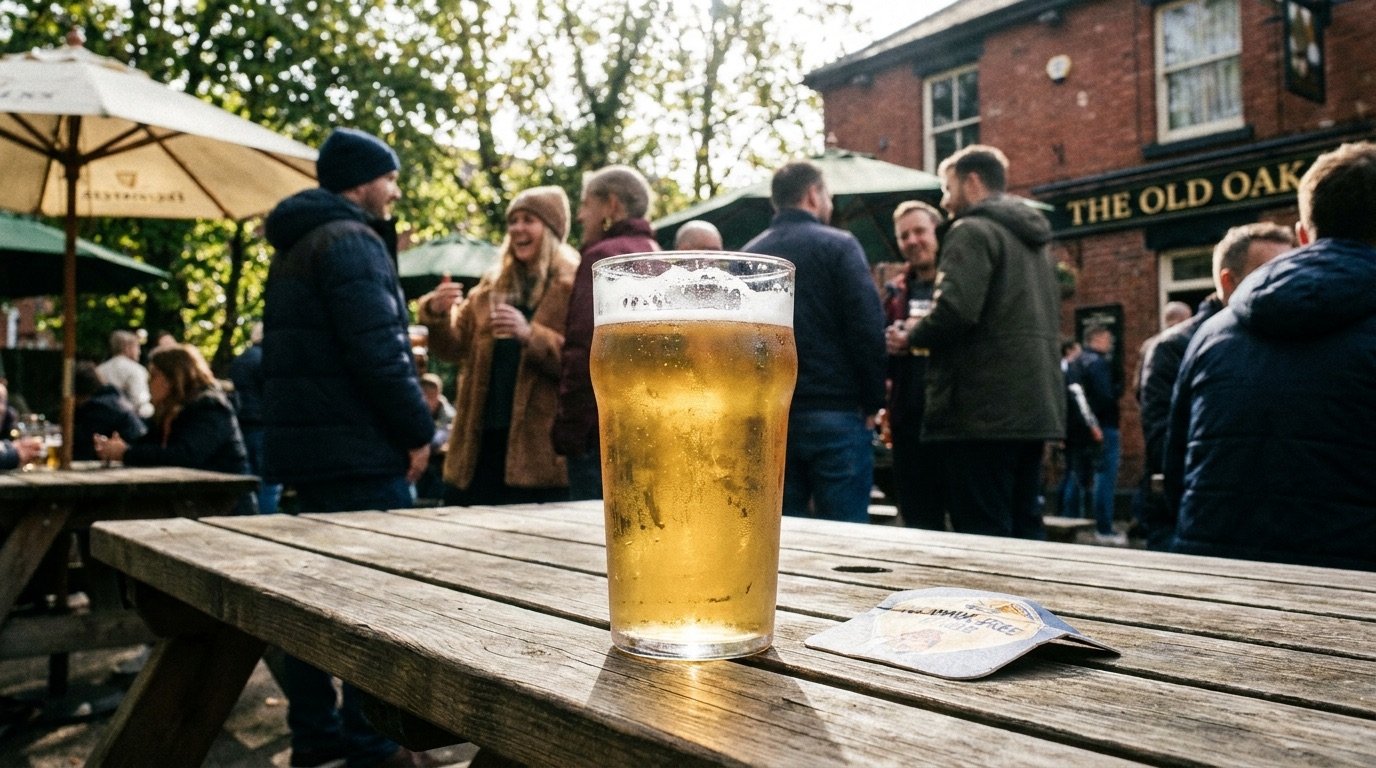
Walk into a busy pub garden this June and you will see something that would have looked faintly eccentric a decade ago: tables of people in their twenties and thirties clinking glasses of beer that contain almost no alcohol at all. The alcohol-free pint, once the awkward order that drew a raised eyebrow from the bar staff, has quietly become one of the most ordinary sights of the British summer.
The numbers behind that shift are striking. Industry figures suggest that no- and low-ABV beer volumes have grown by hundreds of per cent over the past decade, and summer sales now run into the tens of millions of pints. Where the category was once boxed into a tidy January slot alongside gym memberships and detox plans, it now peaks twice a year, with a December surge and a long summer climb that tracks the rise of pub-garden weather.
For publicans squeezed by high energy bills and cautious customers, the maths is increasingly hard to ignore. Drinkers who once nursed a single lime and soda are now spending money on premium alcohol-free lagers and craft-style stouts, keeping rounds going and tabs open well into the evening.
Mindful drinking goes mainstream
The driving force is a behaviour the trade has taken to calling moderation. Rather than abstaining entirely, a growing share of drinkers are simply switching: a real pint to start, an alcohol-free one to follow, and back again. Survey work cited across the sector suggests that around 44 per cent of UK drinkers now moderate their intake using alcohol-free or low-alcohol options, up sharply from under a third in 2018.
Crucially, this is no longer a story about people who have given up alcohol. It is about people who still want the ritual of the pub, the cold glass and the social round, but who would rather not write off the next morning. That reframing has been decisive, because it widens the market from a small group of non-drinkers to almost everyone who walks through the door.
Brewers have responded by pouring investment into draught. Heineken 0.0 is expected to reach around 2,000 draught taps across the UK this year, while large managed-pub groups report alcohol-free sales up by more than a third over the past twelve months. A pint pulled fresh from a tap, rather than decanted from a bottle behind the bar, has done more than any marketing campaign to make the category feel normal.
“People used to apologise for ordering an alcohol-free pint. Now they ask for it by brand, the same way they would a craft IPA. The stigma has gone, and the quality is finally good enough to back it up.”
— A London publican, speaking to trade press
What is actually in your glass
The quality leap is real. Early alcohol-free beers were thin and watery, undone by the very process of stripping out the alcohol. Modern techniques, from arrested fermentation to gentle vacuum distillation, have closed much of the flavour gap, and a new generation of dedicated alcohol-free breweries has pushed the category well beyond pale lager.
Shoppers and pub-goers now have far more to choose from than they did even two years ago. The category has fanned out across styles and occasions:
- Alcohol-free lagers and pilsners, now the workhorse of the draught market
- Hazy alcohol-free IPAs aimed at craft drinkers
- Nitro stouts engineered to mimic the creamy head of the real thing
- Adult soft drinks and botanical sodas designed to feel grown-up without alcohol
- Premium alcohol-free spirits and aperitifs for cocktails and long drinks
There are caveats worth knowing. In the UK, drinks labelled alcohol-free can legally contain up to 0.05 per cent ABV, while those marked low alcohol can go up to 1.2 per cent, so the very strictest abstainers should read the label rather than the front-of-can branding. For the vast majority, though, the practical effect is the same: a drink you can have several of and still drive home.
Background
Britain's relationship with drink has been cooling gradually for years. Younger adults in particular drink less than previous generations did at the same age, and the pandemic accelerated a broader interest in health, sleep and what people put into their bodies. The wellness conversation that reshaped food has now reached the bar.
For the hospitality industry, that could have been an existential threat. Instead, the trade has turned moderation into a commercial opportunity, treating the alcohol-free drinker not as lost custom but as a customer to be served properly, with a credible product at a fair price.
What happens next
Expect the category to keep climbing through the summer and to consolidate around draught and premium options rather than cheap bottles. As more pubs add a second or third alcohol-free tap, the choice on offer will start to rival the choice in the wine list. The era when ordering an alcohol-free pint felt like a confession is, mercifully, over, and the British summer is quietly better for it.
Referenced coverage: Our reporting and analysis draws on coverage first reported by The Morning Advertiser. The NE Times publishes original reporting and independent analysis written by our editorial team. We credit and link the outlets whose primary reporting informed this article.
The NE Times is an independent news and analysis publisher. Our articles combine factual reporting with clearly-written, impartial analysis. Content is for general information and does not constitute professional advice. Disclaimer.
You may also like to read
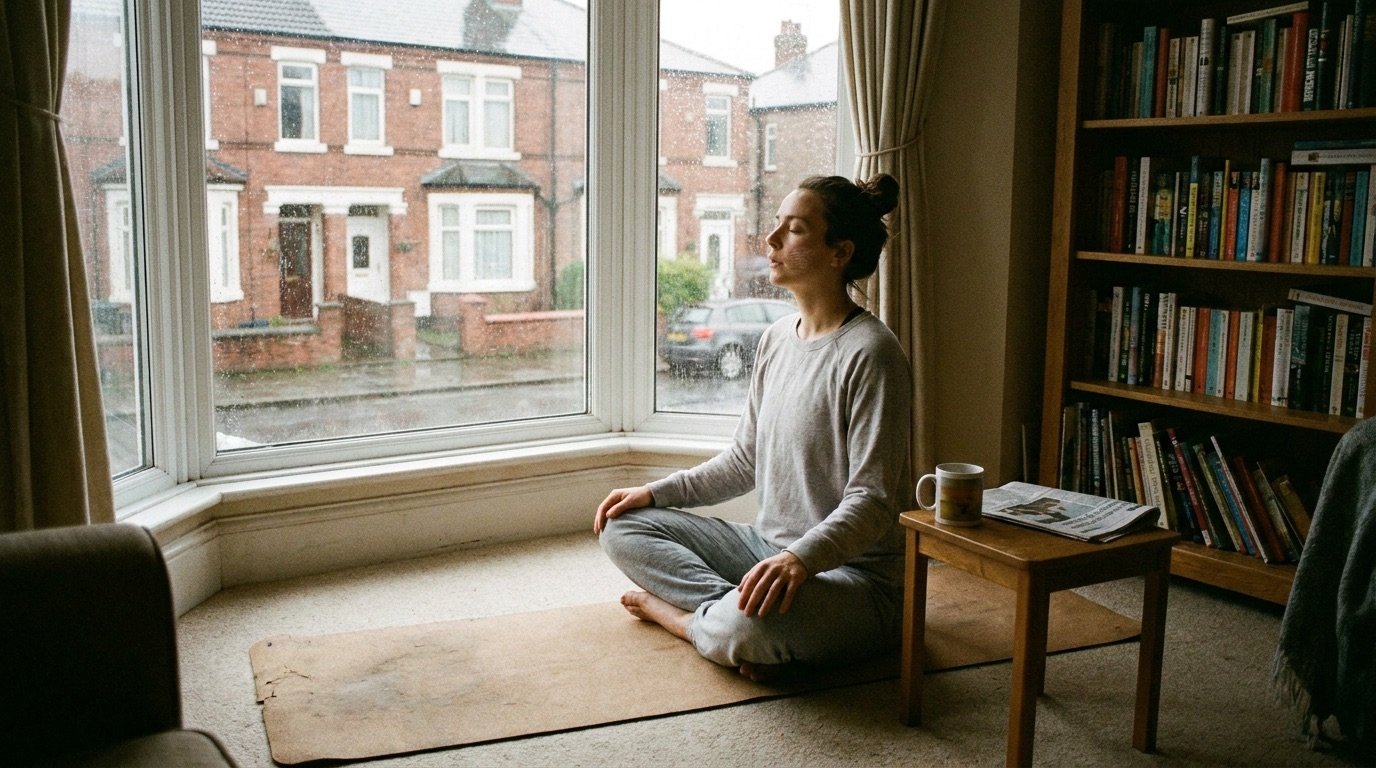
Beyond the cortisol panic: why nervous-system regulation is 2026's defining wellbeing trend
Cortisol has become the buzzword of the year, fuelling a wave of products and viral advice. But behind the hype is a more credible shift towards calming the nervous system, better sleep and personalised, realistic routines.
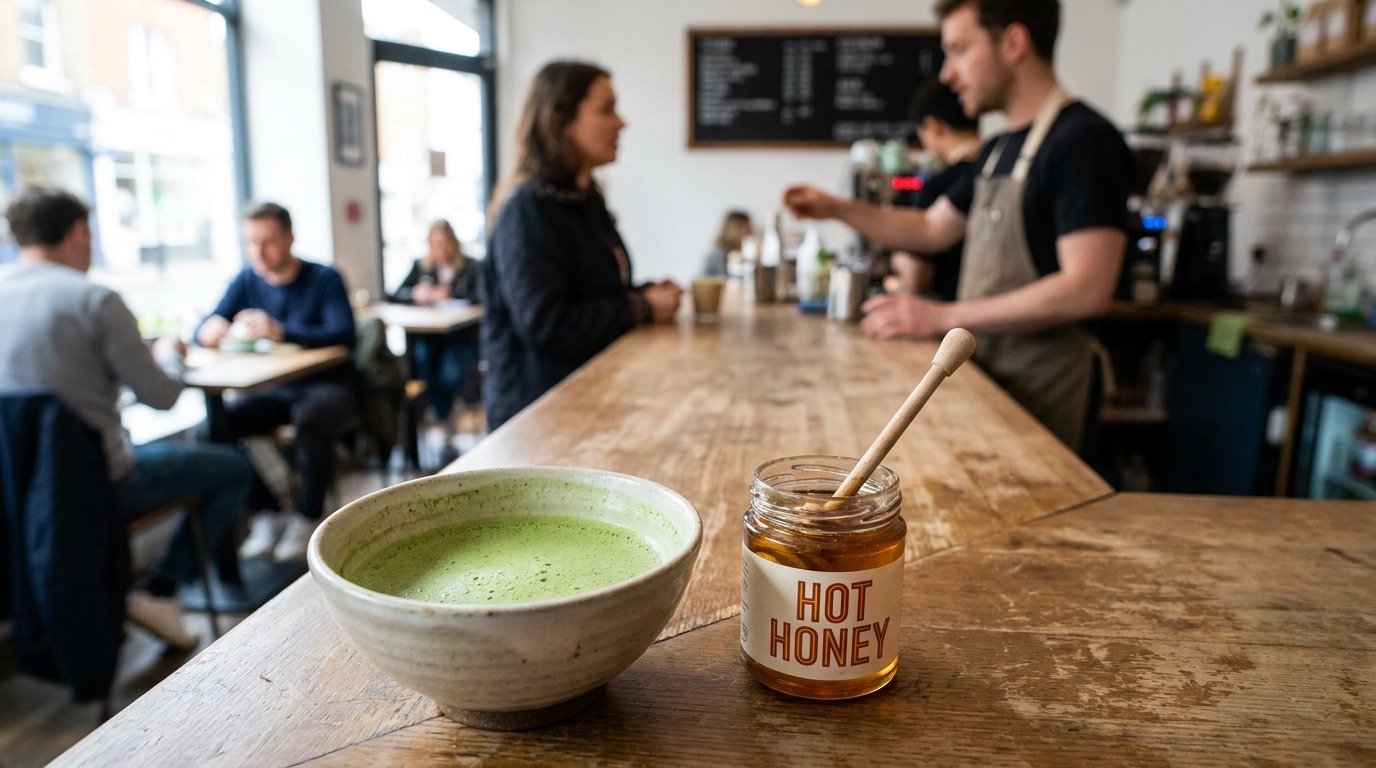
Matcha, hot honey and the 'what am I paying for?' test: the flavours defining 2026
From a 158% surge in matcha to the rise of justify-it-to-me premium spending, here are the food trends reshaping British menus and trolleys this year.
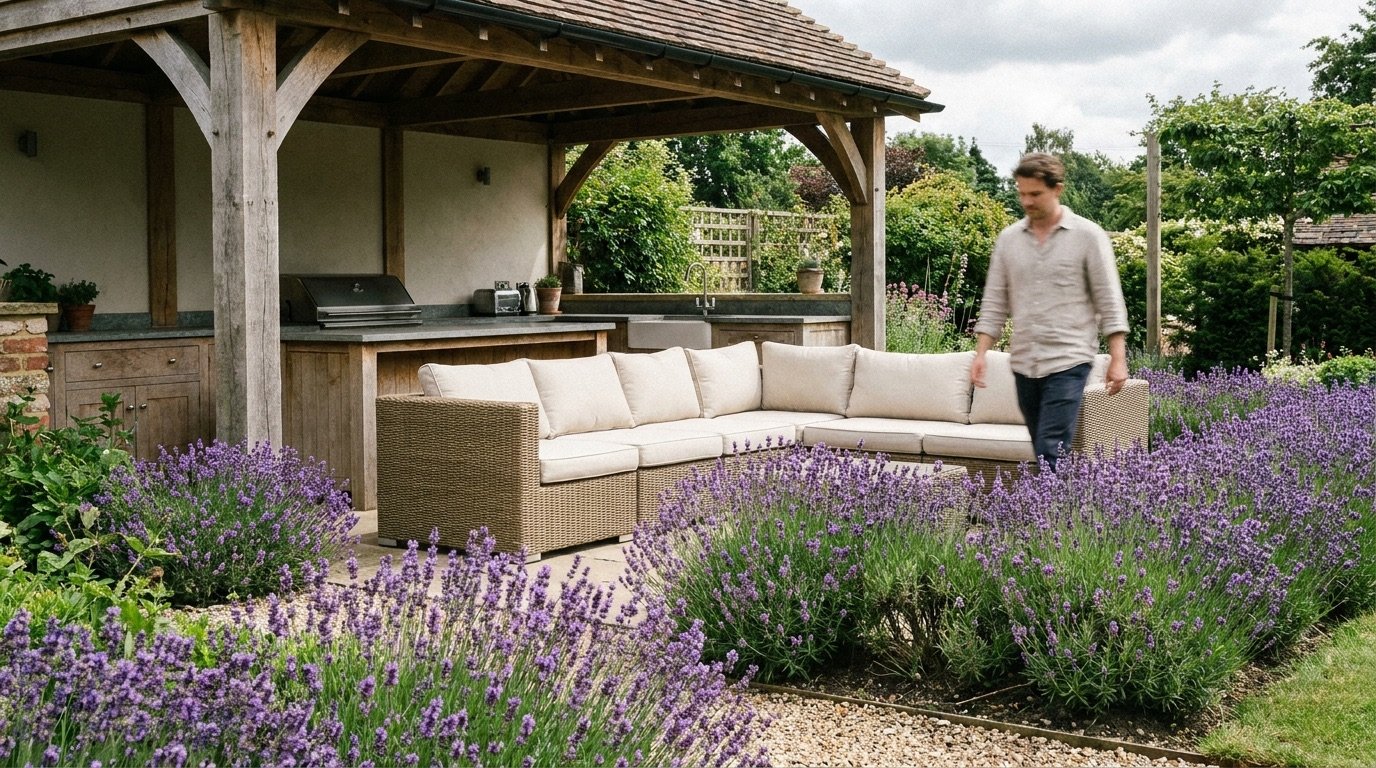
The garden becomes a room: how outdoor living is reshaping the British home in 2026
Outdoor kitchens, modular seating and drought-tolerant Mediterranean planting are turning back gardens into year-round living spaces, while garden rooms cement their place as permanent fixtures of the modern home.
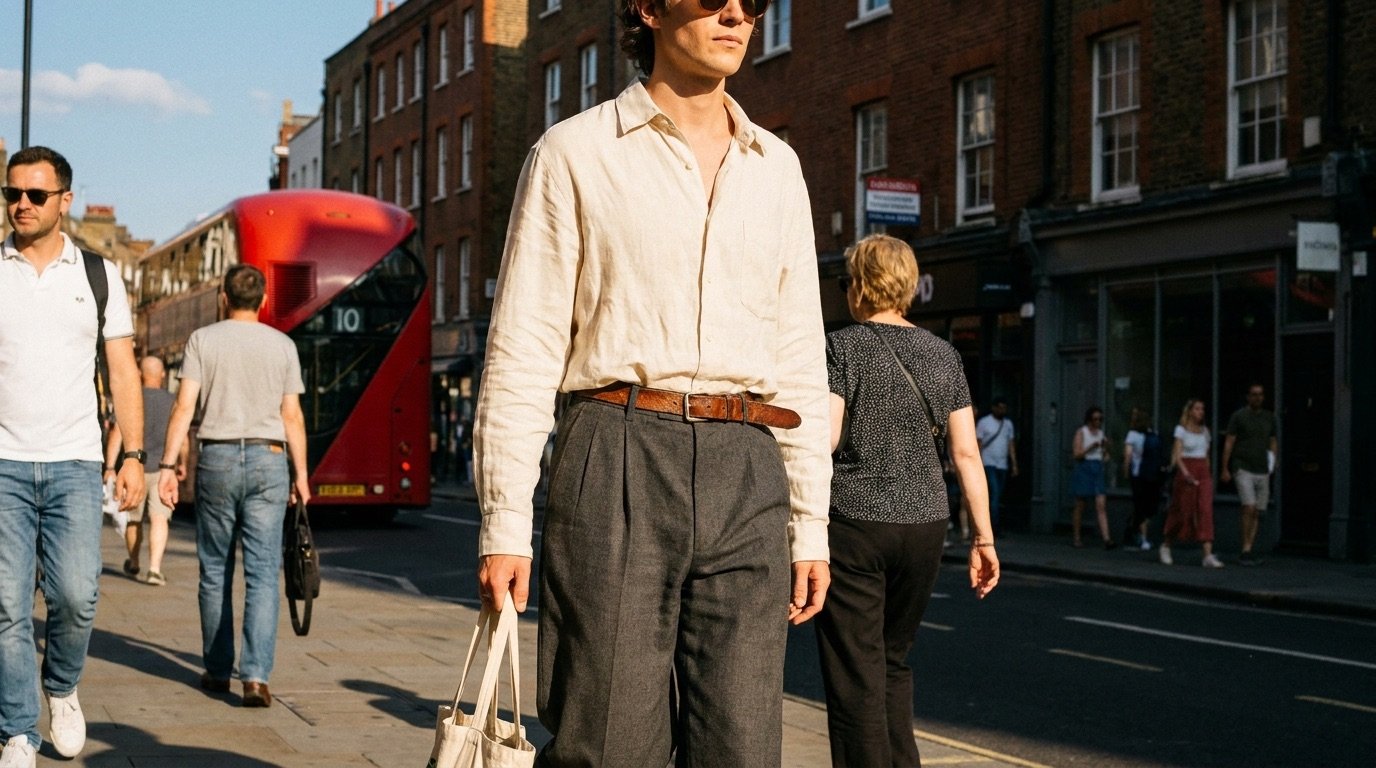
Wide legs, utility and linen: the high-street looks defining summer 2026
The skinny jean is officially over. As Britain's high street embraces wide-leg trousers, utilitarian cargo and breezy linen, this summer's wardrobe is built around comfort that still looks considered.