Five weeks to a new Prime Minister: the rules and timetable that will decide Labour's leader
With Sir Keir Starmer's resignation triggering a contest, the National Executive Committee has set a fast timetable: nominations open on 9 July and close on 16 July, with a contested result due by 1 September. Here is how the race actually works.
Eleanor Whitfield
Writer ·
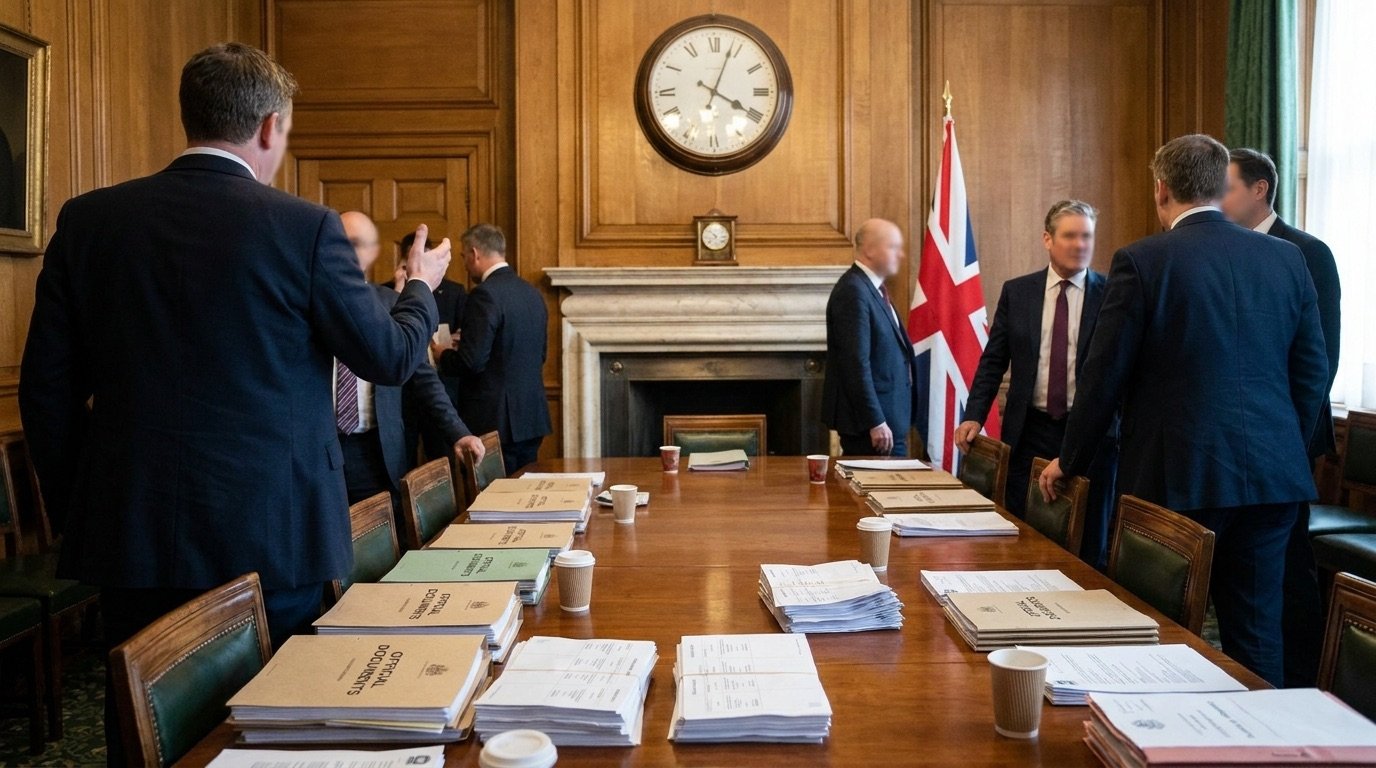
Sir Keir Starmer's decision to stand down as Labour leader and Prime Minister on 22 June has set in motion one of the fastest leadership contests in the party's modern history. Within hours of his statement, attention turned from the question of whether he would go to the far more consequential matter of how his successor will be chosen, and how quickly.
Because the winner will not merely lead the Labour Party but also walk into Downing Street, the stakes could hardly be higher. The party's rulebook, drafted with internal democracy rather than national crisis in mind, now has to deliver a Prime Minister in a matter of weeks.
The National Executive Committee, which controls the machinery of any contest, met to agree a compressed timetable designed to install a new leader before Parliament returns in September.
The timetable
Sir Keir confirmed in his resignation speech that the contest would formally begin on 9 July, when MPs can start gathering the nominations they need to get on the ballot. The window is deliberately tight, reflecting both the urgency of the moment and a desire among many MPs to avoid a drawn-out summer of internal warfare.
Under the agreed schedule, nominations close on 16 July. If more than one candidate clears the threshold, members will vote over the summer, with the result of any contested election due by 1 September, in good time for the autumn parliamentary session.
- 9 July: nominations open and MPs begin seeking support
- 16 July: nominations close
- By 1 September: result declared in the event of a contest
- September: new leader in place before Parliament returns
The nomination hurdle
To appear on the ballot, a candidate must be nominated by at least 20% of the Parliamentary Labour Party, a figure that currently translates to 81 MPs. It is a high bar, and one that has historically thinned the field dramatically before members get a say.
There is a second gate too. Candidates must also win the backing of either 5% of constituency Labour parties or at least three affiliates, including a minimum of two trade unions, representing 5% of affiliate membership. Taken together, party officials note, the structure effectively limits the contest to a maximum of five candidates.
“Candidates need backing from at least 20% of Parliamentary Labour Party members, meaning 81 MPs would be required.”
— LabourList summary of Labour Party rules
Who votes, and how
If a contest goes ahead, it will be decided by one member, one vote. Every party member with at least six months' continuous membership before the ballot is announced will be entitled to take part, alongside eligible registered and affiliated supporters.
The ballot is preferential: members rank the candidates in order of preference. A candidate must win more than half of all votes cast to be declared the winner. If no one reaches that threshold on first preferences, the lowest-placed candidate is eliminated and their votes redistributed until someone crosses the line.
Background
The contest is administered independently of the candidates. The party's general secretary, Hollie Ridley, acts as returning officer, appointing a legal adviser and an independent scrutineer to oversee the ballot. The NEC retains the power to set and, if necessary, adjust the timetable.
That independence matters because the result will be scrutinised not just by the party but by the country. The eventual winner inherits a governing majority, a turbulent economy and a Reform UK opposition that has consistently led the national polls.
What happens next: nominations open on 9 July, and the first real test will be whether anyone other than the early frontrunner can assemble 81 MPs before the 16 July deadline. If only one candidate clears the bar, Britain could have a new Prime Minister without a single member casting a vote.
Referenced coverage: Our reporting and analysis draws on coverage first reported by LabourList. The NE Times publishes original reporting and independent analysis written by our editorial team. We credit and link the outlets whose primary reporting informed this article.
The NE Times is an independent news and analysis publisher. Our articles combine factual reporting with clearly-written, impartial analysis. Content is for general information and does not constitute professional advice. Disclaimer.
You may also like to read
The runners and riders: who is standing to succeed Starmer, and what they are offering
Andy Burnham was first out of the gate, but the field for Labour's leadership is still taking shape. From cabinet veterans weighing a bid to figures lining up behind the frontrunner, here is where the contenders stand.
Frontrunner Burnham: from city-region mayor to Downing Street favourite
Andy Burnham enters the contest as the clear favourite, having won the Makerfield by-election with 54.8% of the vote and gathered more than 200 MP backers. But governing is not campaigning, and his rivals are not finished yet.

Anyone but a coronation: the search for a challenger to Burnham
With the frontrunner commanding huge support, a section of the party is desperate to avoid an uncontested succession. The hunt is on for a candidate who can clear 81 nominations and give members a genuine choice.
The seat that changed everything: how Makerfield put Burnham in contention
Andy Burnham could not have run for the leadership without a Commons seat. The story of how he got one, after the NEC blocked an earlier attempt and an MP stood aside, is central to understanding this contest.