Anyone but a coronation: the search for a challenger to Burnham
With the frontrunner commanding huge support, a section of the party is desperate to avoid an uncontested succession. The hunt is on for a candidate who can clear 81 nominations and give members a genuine choice.
Eleanor Whitfield
Writer ·

For all Andy Burnham's momentum, a significant body of Labour opinion is uneasy at the prospect of handing the keys to Downing Street without a fight. The fear is not necessarily of Burnham himself, but of a coronation that leaves the membership voiceless at a pivotal moment.
That anxiety is now driving a quiet but determined effort to find a challenger, someone able to clear the demanding 81-MP nomination threshold and force a contest that tests the frontrunner's ideas in the open.
It is an uphill task. With more than 200 MPs already pledged to Burnham, the arithmetic for any rival is unforgiving, and the compressed timetable leaves little room to build a campaign from a standing start.
The names in the frame
The candidate most often mentioned as a potential standard-bearer is Ed Miliband. The Energy Secretary and former party leader has been linked with a bid partly on the argument, now overtaken by events, that Burnham would struggle to secure a seat. With that obstacle removed, attention has turned to whether Miliband would offer members an alternative soft-left vision.
Others canvassed include Darren Jones, a younger figure from the party's pragmatic wing, and Deputy Prime Minister David Lammy. Angela Rayner, recently cleared by HM Revenue and Customs, is watched closely by those who want a candidate with a strong base among members and trade unions.
- Ed Miliband — former leader, possible soft-left alternative
- Darren Jones — pragmatic-wing contender
- David Lammy — Deputy Prime Minister with cabinet weight
- Angela Rayner — strong union and grassroots base
- Shabana Mahmood — frequently named, seen as reluctant
Why a contest matters
Supporters of a contested ballot argue that a leader chosen by the whole membership carries a stronger mandate than one waved through by MPs. After the trauma of Sir Keir's downfall, they say, the party needs the legitimacy that only a genuine vote can confer.
There is also a strategic case. A real contest, they argue, would force every candidate to spell out how they would confront Reform UK and win back lost voters, producing a sharper governing programme than a quiet handover ever could.
“Members deserve a choice, not a fait accompli decided in the tea rooms of Westminster.”
— A Labour backbencher pressing for a contested ballot
The obstacles
The biggest barrier is the nomination threshold itself. Requiring 81 MPs was designed to ensure only serious candidates reach the ballot, but in a contest with one dominant figure it risks shutting out everyone else. Several potential challengers may calculate that they cannot get the numbers and stand aside rather than be humiliated.
The early endorsements of Burnham by Wes Streeting and Douglas Alexander have further drained the pool of available support, making the path for a rival narrower still.
Background
Labour's rules have produced coronations before, most recently when Sir Keir's predecessor stepped down. Each time, the absence of a contest fuelled later complaints that the membership had been sidelined, a charge the party's internal critics are keen to avoid repeating.
What happens next: the decisive period runs from 9 to 16 July. If a challenger can assemble 81 nominations in that window, members will get their contest. If not, the search for an alternative will end in another uncontested succession.
Referenced coverage: Our reporting and analysis draws on coverage first reported by The Guardian. The NE Times publishes original reporting and independent analysis written by our editorial team. We credit and link the outlets whose primary reporting informed this article.
The NE Times is an independent news and analysis publisher. Our articles combine factual reporting with clearly-written, impartial analysis. Content is for general information and does not constitute professional advice. Disclaimer.
You may also like to read
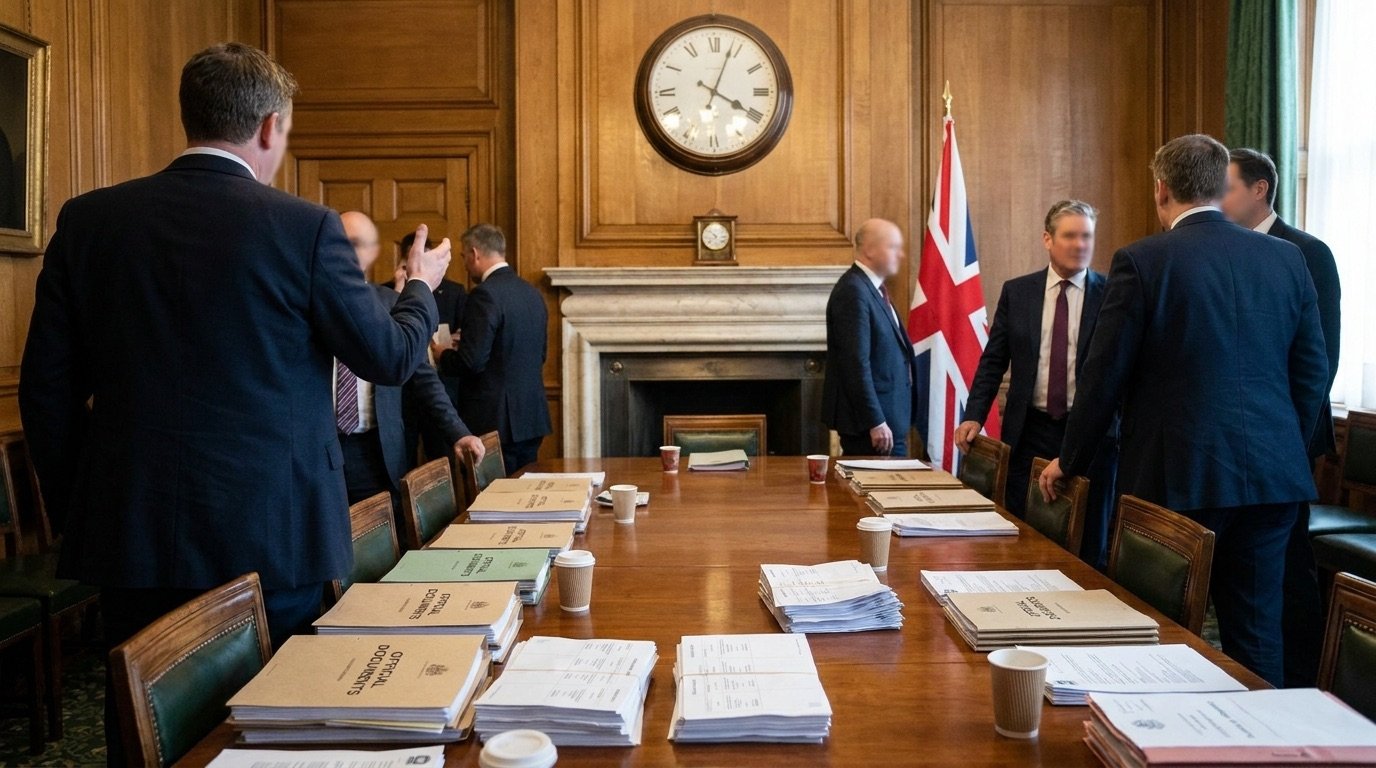
Five weeks to a new Prime Minister: the rules and timetable that will decide Labour's leader
With Sir Keir Starmer's resignation triggering a contest, the National Executive Committee has set a fast timetable: nominations open on 9 July and close on 16 July, with a contested result due by 1 September. Here is how the race actually works.
The runners and riders: who is standing to succeed Starmer, and what they are offering
Andy Burnham was first out of the gate, but the field for Labour's leadership is still taking shape. From cabinet veterans weighing a bid to figures lining up behind the frontrunner, here is where the contenders stand.
Frontrunner Burnham: from city-region mayor to Downing Street favourite
Andy Burnham enters the contest as the clear favourite, having won the Makerfield by-election with 54.8% of the vote and gathered more than 200 MP backers. But governing is not campaigning, and his rivals are not finished yet.
The seat that changed everything: how Makerfield put Burnham in contention
Andy Burnham could not have run for the leadership without a Commons seat. The story of how he got one, after the NEC blocked an earlier attempt and an MP stood aside, is central to understanding this contest.