HS2 to close the M42 and M6 for biggest motorway works yet this summer
Engineers will lift huge bridge structures over two of the West Midlands' busiest motorways across a series of weekend closures starting in late June.
Eleanor Whitfield
Writer ·
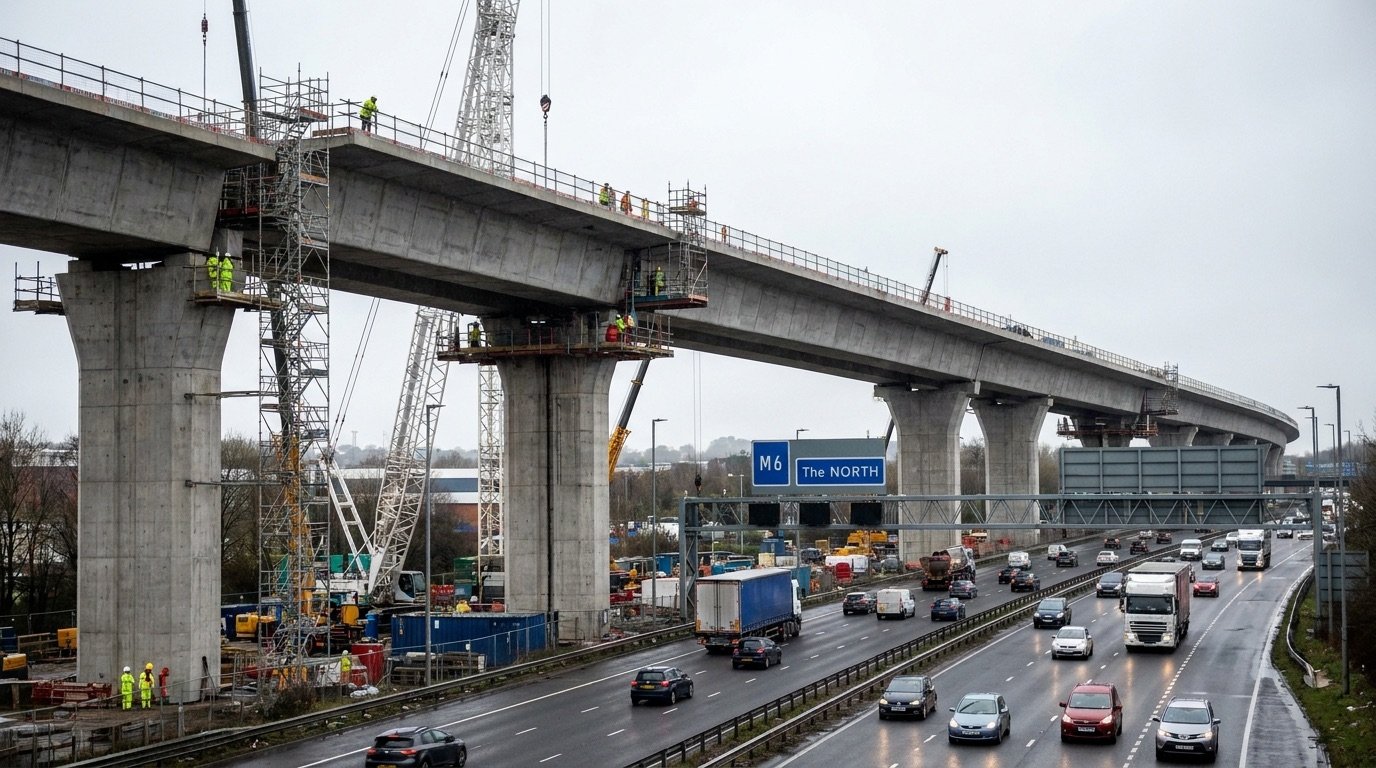
HS2 is preparing its largest programme of motorway engineering to date, with major operations over the M42 and M6 in the West Midlands taking place across weekend closures between late June and November. The works represent a significant moment for the high-speed rail project, which must thread its new line across some of the most heavily used roads in the region.
The first major operation begins on the evening of Friday 26 June, when engineers install the roof deck of a 300-metre twin-box structure carrying the high-speed line over the M42 near Birmingham Business Park. The work involves placing 175 individual beams, each weighing between 56 and 92 tonnes, in a precisely sequenced lifting operation that can only be carried out when the road below is closed to traffic.
These are among the most technically demanding tasks in the entire construction programme, requiring heavy cranes, exact positioning and tightly choreographed teams working through the night to meet strict deadlines for reopening the carriageways.
Fewer closures than first feared
The campaign was originally expected to require nine weekend closures, but planners have synchronised work on the twin box with the extension of two viaducts near Water Orton, reducing the total to six. A twin-track viaduct will also be installed over the M6 near Chelmsley Wood, adding to the sequence of major lifts scheduled through the autumn.
Combining operations that would otherwise have required separate road closures is intended to limit the cumulative disruption to drivers and to nearby communities. Project managers say bundling the works also improves efficiency on site, allowing specialist crews and equipment to be used more intensively over fewer weekends.
- First major operation begins on the evening of Friday 26 June over the M42
- A 300-metre twin-box structure requires 175 beams of 56 to 92 tonnes each
- A twin-track viaduct will be installed over the M6 near Chelmsley Wood
- Planning changes cut the number of weekend closures from nine to six
- Closures run from 9pm Friday to 5am Monday to limit disruption
How disruption will be managed
To limit disruption, junction and motorway closures will run only from 9pm on Friday evenings until 5am on Mondays. Diversion routes will be signposted, and drivers are being urged to plan ahead and allow extra time during affected weekends. The choice of overnight and weekend windows is intended to avoid the heaviest weekday commuter and freight flows on two of the region's most congested routes.
Local businesses and residents have been briefed on the schedule, with project teams emphasising that advance notice and coordination with traffic authorities should keep the impact manageable. Even so, the sheer scale of the lifts means some delay and rerouting is unavoidable for those travelling through the area.
Freight operators and logistics firms, which rely heavily on the M42 and M6 to move goods across the country, have been encouraged to factor the closures into their planning. The West Midlands sits at the heart of the national motorway network, and disruption there can ripple outwards to journeys well beyond the immediate works, making clear communication of dates and diversions especially important.
“Installing structures of this size over live motorways is among the most complex work on the route.”
— An HS2 project spokesperson
Background: a project under scrutiny
HS2 has been one of the most closely watched and frequently debated infrastructure schemes in Britain, dogged by questions over cost, scope and timetable. Against that backdrop, visible construction milestones such as these motorway crossings carry symbolic as well as practical weight, offering tangible evidence of progress on a line that has spent years in planning and earthworks.
The West Midlands sections are central to the project, linking key population centres and requiring the line to cross a dense network of existing road and rail infrastructure. Each successful crossing reduces the remaining engineering risk and moves the route closer to completion.
What happens next
Once complete, traffic will pass through the box structures while high-speed trains run overhead, in what HS2 describes as a major milestone for the new line. Drivers can expect a series of clearly signposted weekend closures through to November, after which the new structures will become a permanent and largely unnoticed part of the motorway landscape. For the project as a whole, completing these crossings marks meaningful progress on one of the most challenging stretches of the route.
Referenced coverage: Our reporting and analysis draws on coverage first reported by RailBusinessDaily. The NE Times publishes original reporting and independent analysis written by our editorial team. We credit and link the outlets whose primary reporting informed this article.
The NE Times is an independent news and analysis publisher. Our articles combine factual reporting with clearly-written, impartial analysis. Content is for general information and does not constitute professional advice. Disclaimer.
You may also like to read
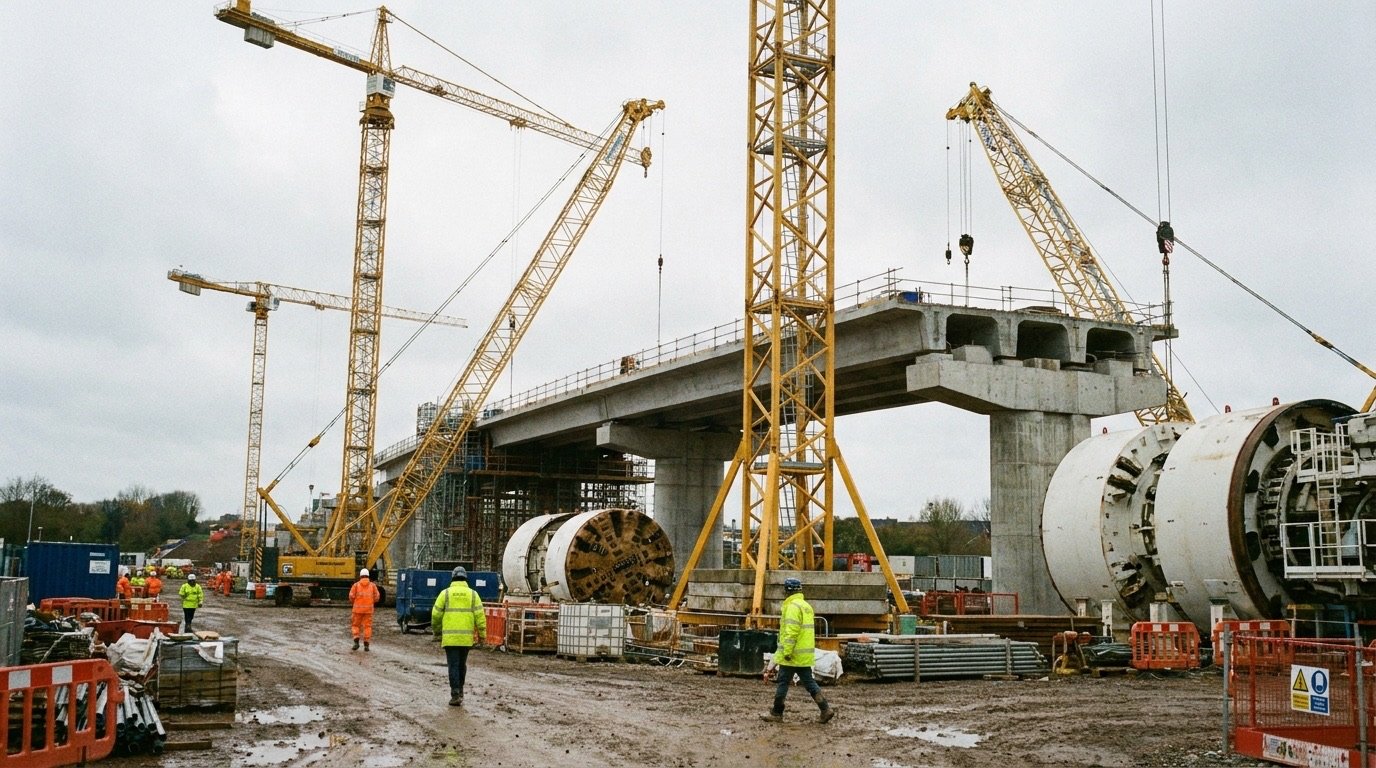
HS2 costs soar towards £103bn as first Birmingham trains pushed back to late 2030s
The latest official estimate puts the bill for completing HS2 as high as £102.7bn, with services between London and Birmingham now not expected until between 2036 and 2039.

Tube drivers' union digs in over four-day week as TfL dispute remains unresolved
London Underground services faced disruption after RMT members walked out over Transport for London's proposed four-day working week, with the union citing fatigue and safety fears and no lasting agreement yet reached.

CalMac races to restore island lifeline as ageing fleet returns to service
Scotland's west coast ferry operator is working through a timeline to bring its major vessels back into service after a third of the fleet was sidelined this spring, leaving island communities facing reduced capacity and renewed questions about the long-term reliability of their lifeline routes.
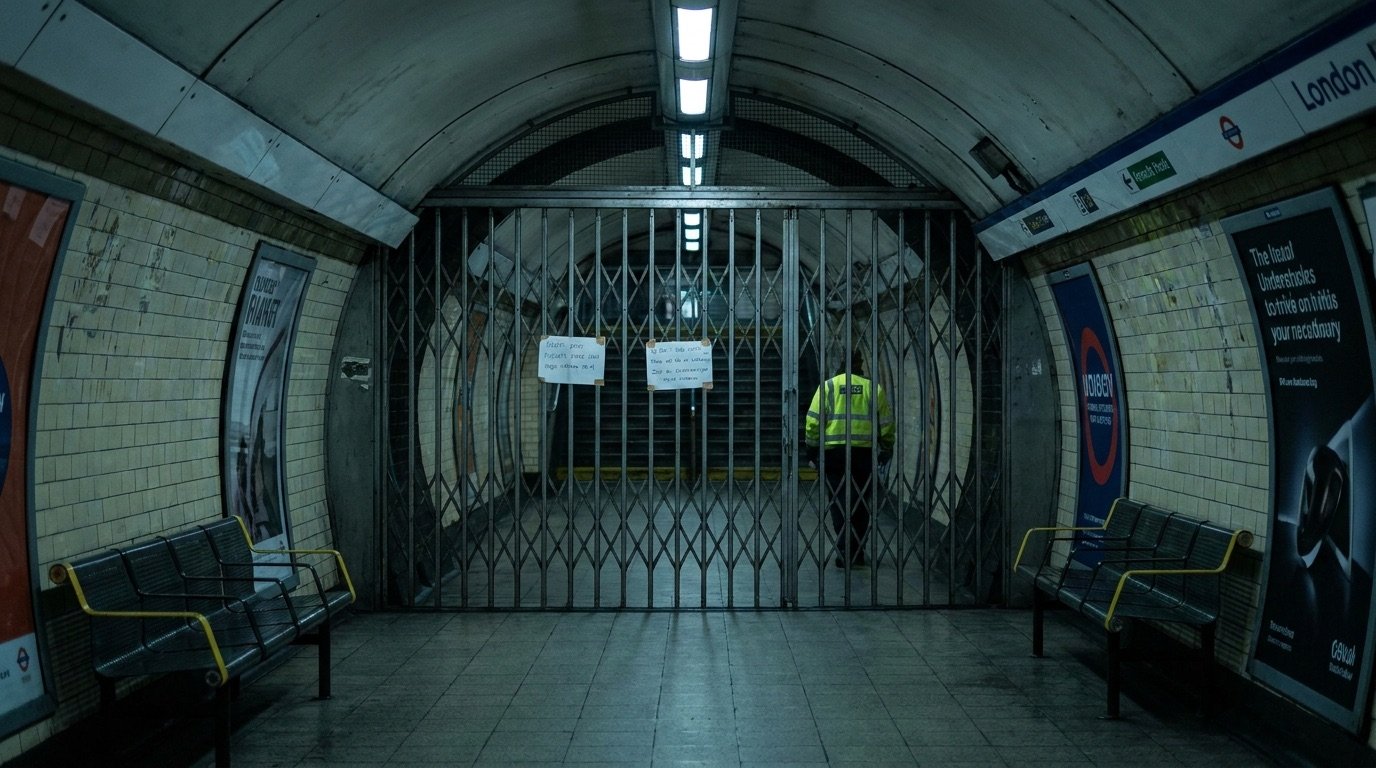
Tube drivers walk out twice over 'fake four-day week' as ridership slumps
London Underground was thrown into chaos at the start of June as RMT members staged two strikes over a compressed working week, with Tube usage falling sharply on the worst-hit days.