Tube drivers' union digs in over four-day week as TfL dispute remains unresolved
London Underground services faced disruption after RMT members walked out over Transport for London's proposed four-day working week, with the union citing fatigue and safety fears and no lasting agreement yet reached.
Eleanor Whitfield
Writer ·
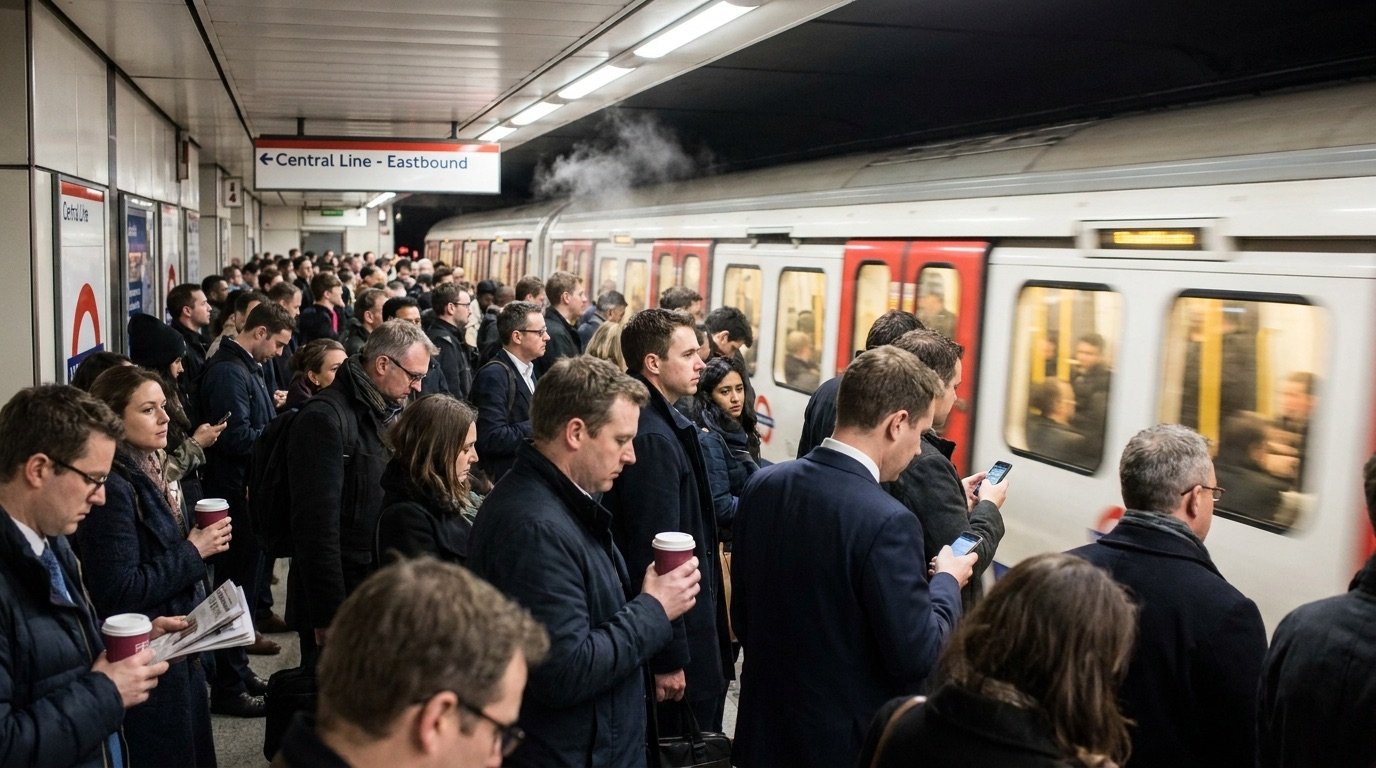
London's transport network has been gripped by a fresh standoff between the RMT union and Transport for London over proposals to introduce a compressed four-day working week for Tube drivers, with strike action causing significant disruption across the Underground earlier this month and no durable settlement yet in sight. The dispute has pitted TfL's drive to modernise working patterns against union warnings about driver fatigue and passenger safety.
The most recent walkouts brought disruption across all Underground lines, the kind of network-wide paralysis that forces millions of commuters onto buses, overground services and the streets. The RMT, which represents large numbers of Tube staff, says it balloted overwhelmingly in favour of action, reflecting deep concern among its members about how the new shift arrangements would work in practice.
For passengers, the episode is a reminder of how vulnerable the capital's economy is to industrial action on its busiest transport artery. For TfL and the union, it is the latest test of a relationship that has frequently been combative and that now turns on a question increasingly relevant to workplaces well beyond the railways: the shape of the working week itself.
What the dispute is about
At the centre of the row is TfL's proposal to move drivers to a four-day working week. On the surface a shorter week might sound like a benefit, but the RMT argues that compressing the same hours into fewer days raises the prospect of longer shifts, reduced flexibility and, critically, greater fatigue, which the union contends could compromise safety on a system carrying millions of passengers a day.
The union's stated concerns cluster around several themes:
- Longer individual shifts under a compressed four-day pattern
- The potential impact of fatigue on driver alertness and safety
- Reduced flexibility in working time arrangements
- A lack of firm assurances despite talks held at the conciliation service Acas
- Concern that the changes could be applied more widely over time
Talks without a breakthrough
Negotiations were held under the auspices of Acas, the conciliation service that typically brokers such disputes, but the two sides emerged without an agreement. The RMT said that despite its best efforts in those talks, TfL had failed to provide the assurances its members were seeking on fatigue, shift lengths and working arrangements, leaving it with little choice but to proceed with action.
TfL, for its part, expressed frustration at the breakdown, stressing that the four-day week proposals were intended to remain voluntary and that it had engaged extensively with the union. The transport authority described the decision to strike as disappointing given the hours spent in negotiation and the repeated assurances it said it had offered.
“Despite our best efforts in Acas talks, TfL have failed to provide assurances on our members' deeply held concerns around fatigue, reduced flexibility and shift lengths.”
— An RMT spokesperson
Background: a recurring flashpoint
The London Underground has a long history of industrial disputes, with successive rows over pay, pensions, staffing and conditions periodically bringing the network to a halt. The current confrontation differs in that it centres on the structure of the working week rather than purely on remuneration, placing it within a wider national conversation about flexible and compressed working in the post-pandemic era.
TfL operates under persistent financial pressure, and proposals to reshape working patterns are bound up with the broader challenge of running an affordable, reliable network. The union counters that efficiency cannot come at the expense of safety, and that the people who drive the trains are best placed to judge the practical effects of a new roster. That fundamental disagreement has proved difficult to bridge.
“It is bitterly disappointing that despite repeated assurances that the four-day working week proposals will remain voluntary, the RMT has chosen to continue with disruptive strike action.”
— A Transport for London spokesperson
What happens next
With no formal agreement reached, the dispute remains live, and further action cannot be ruled out should talks fail to produce a settlement acceptable to the union's members. Both sides have an incentive to avoid prolonged conflict: TfL needs a reliably functioning network, and the RMT must weigh the public's tolerance for repeated disruption against the strength of its members' grievances.
For Londoners, the practical advice during any walkout is to check before travelling, allow extra time and consider alternative routes, with bus and national rail services typically absorbing some of the displaced demand. Beyond the immediate inconvenience, the dispute is being watched as a bellwether for how the contentious idea of the four-day week plays out in a safety-critical, round-the-clock industry where the margins for error are slim.
Referenced coverage: Our reporting and analysis draws on coverage first reported by Time Out London. The NE Times publishes original reporting and independent analysis written by our editorial team. We credit and link the outlets whose primary reporting informed this article.
The NE Times is an independent news and analysis publisher. Our articles combine factual reporting with clearly-written, impartial analysis. Content is for general information and does not constitute professional advice. Disclaimer.
You may also like to read
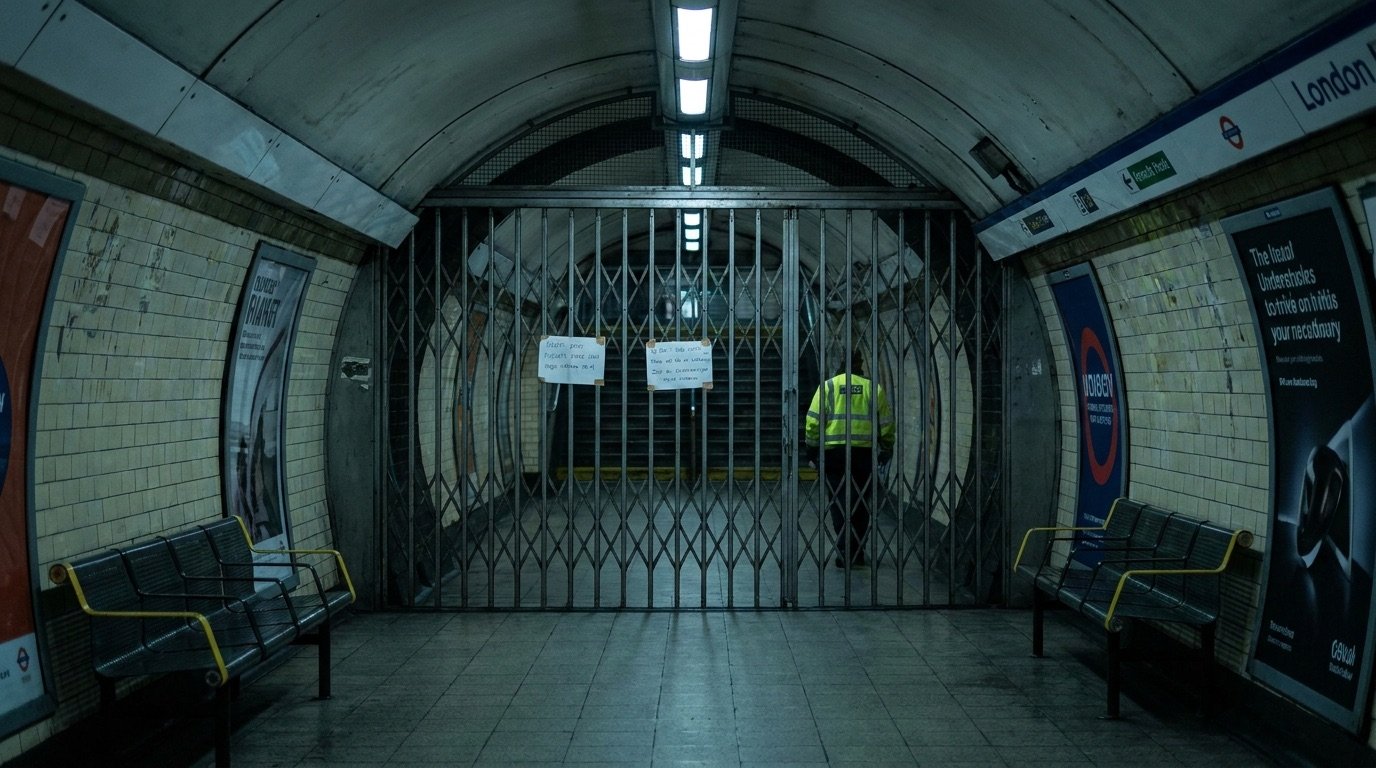
Tube drivers walk out twice over 'fake four-day week' as ridership slumps
London Underground was thrown into chaos at the start of June as RMT members staged two strikes over a compressed working week, with Tube usage falling sharply on the worst-hit days.
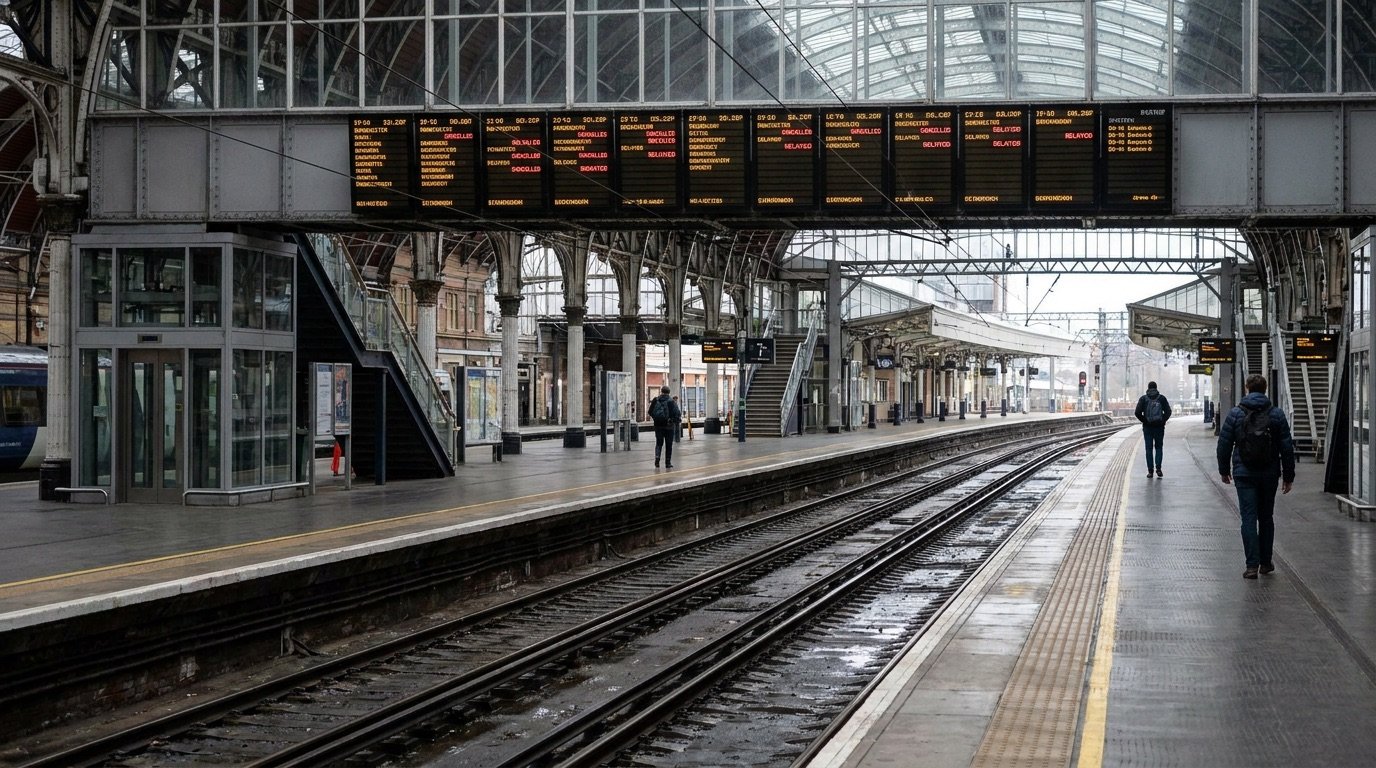
Three days of national rail strikes bring Britain's network to a standstill
Members of the RMT and ASLEF unions walked out across the rail network on 21, 23 and 25 June, with surviving services running only between 7am and 7pm and passengers warned to travel only if absolutely necessary.

Teachers Edge Towards Summer Strikes as Government Prepares Pay Verdict
With 96 per cent of National Education Union members rejecting an unfunded 6.5 per cent offer spread over three years, ministers face a fraught decision on the 2026 pay award that could trigger the first national school strikes since 2023.
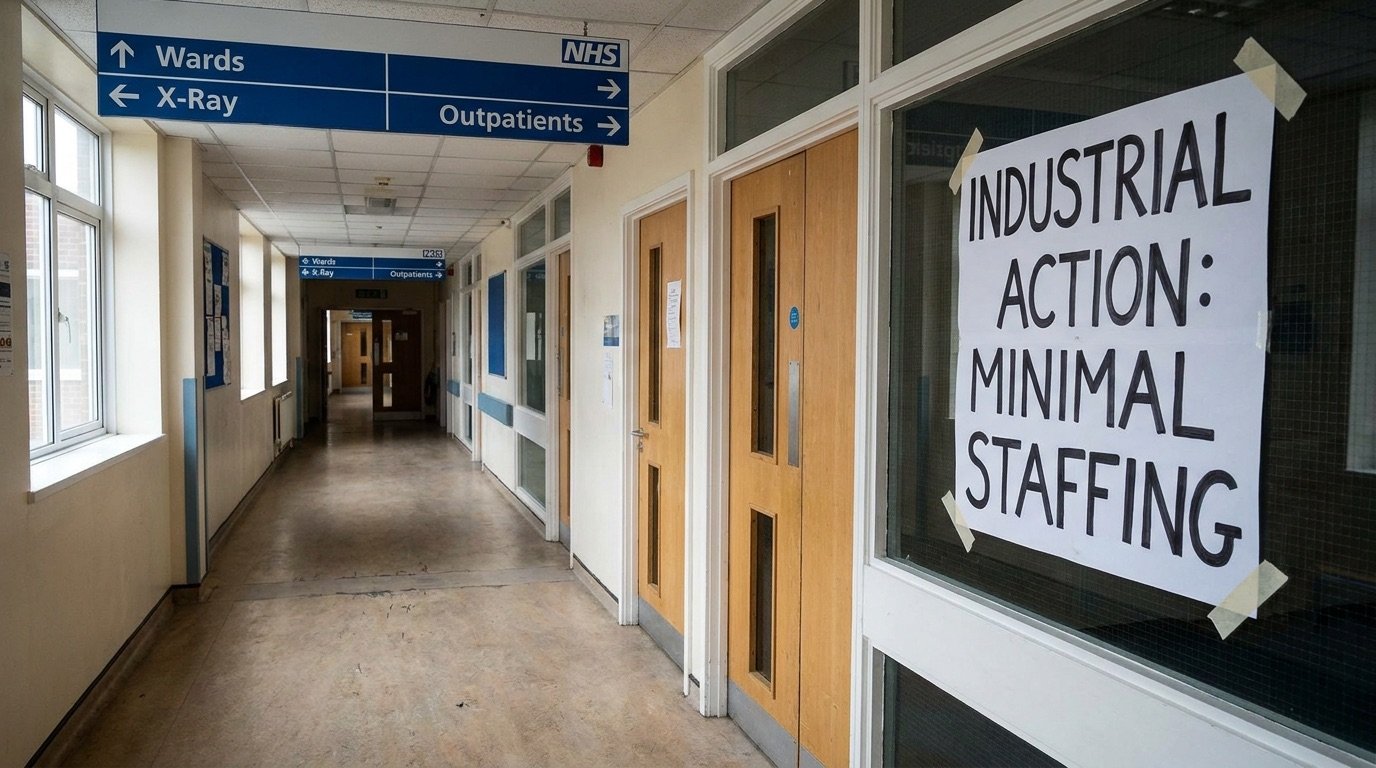
Resident doctors vote on pay offer that suspended four-day strike
A four-day walkout planned for the heatwave-hit week of 15 June was called off so that resident doctors in England could vote on a government offer worth an average 6.6 per cent and 4,500 new training places, with the ballot closing on 26 June.