France and Germany scrap flagship FCAS fighter jet after industrial deadlock
Europe's most ambitious defence programme, the sixth-generation Future Combat Air System, has been abandoned for its core jet after Airbus and Dassault failed to agree on who would lead the work.
Marcus Reeve
Writer ·
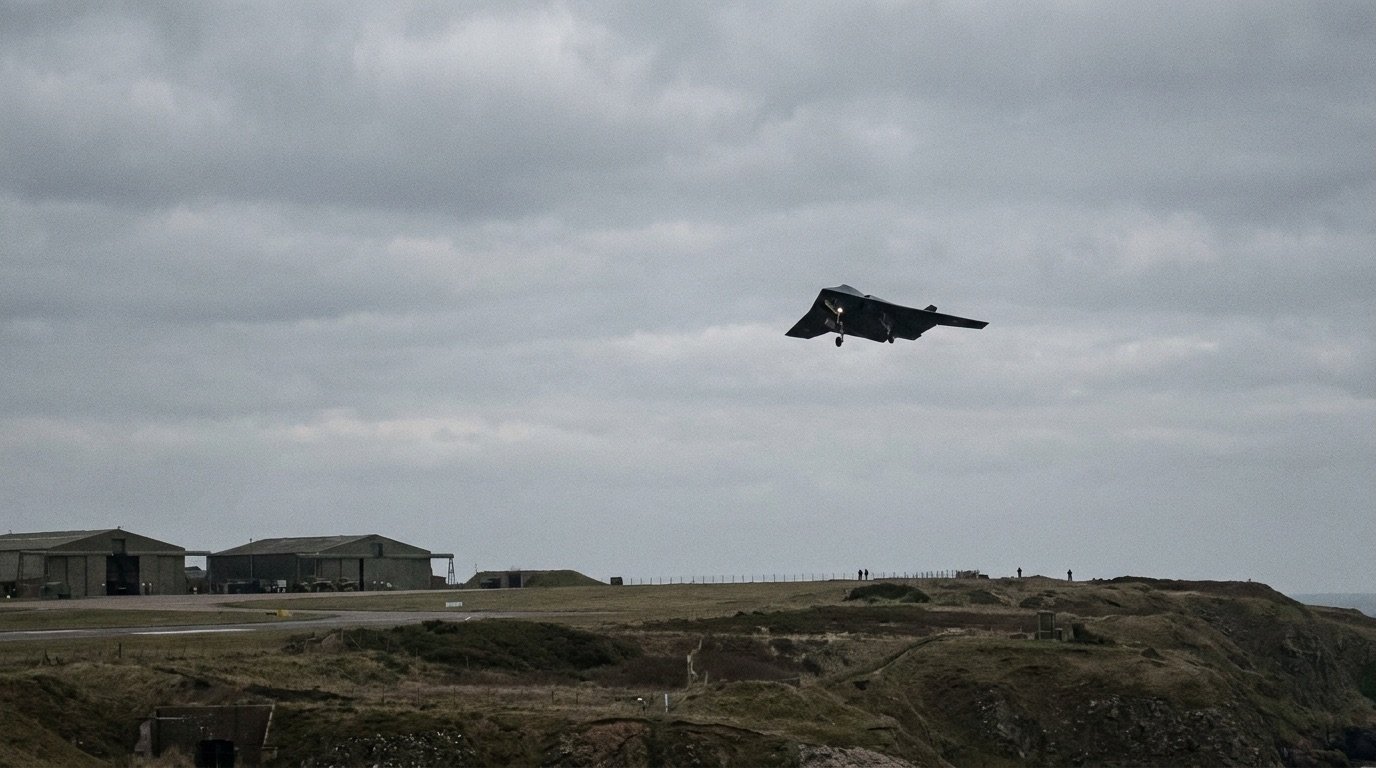
France and Germany have abandoned the centrepiece of the Future Combat Air System, the sixth-generation fighter jet that was meant to anchor European air power for decades, after a long and increasingly bitter dispute between the two countries' aerospace champions proved impossible to resolve. The decision, confirmed in early June, draws a line under one of the continent's most ambitious and expensive defence projects.
The collapse is a significant setback for European strategic autonomy at a moment when the continent is investing heavily in defence and debating how far it can rely on partners beyond its borders. The programme had been valued at well over 100 billion euros and was conceived as a joint Franco-German answer, later joined by Spain, to the next generation of combat aviation.
A dispute over leadership
At the heart of the breakdown was a contest over control. France's Dassault Aviation argued that it had the expertise to develop a combat aircraft, in its own framing, from A to Z, and pressed for a dominant role. Airbus, which represents German and Spanish industrial interests in the venture, insisted that a project of this scale demanded a more balanced partnership.
Layered on top of the leadership question were disagreements over export controls and diverging operational requirements between the partners. Months of diplomatic effort by Paris and Berlin failed to bridge the gap, and the rivalry between Airbus and Dassault ultimately could not be overcome.
“No amount of diplomatic pressure could resolve an impasse rooted in who leads and who controls exports.”
— A European defence industry analyst
What survives, and what does not
While the fighter jet itself has been scrapped, officials in Germany have suggested that other elements of the broader FCAS vision may yet endure. The programme was always more than a single aircraft: it envisaged a networked 'system of systems' linking crewed jets, drones and sensors.
Among the components that could survive are the secure 'combat cloud' intended to connect platforms on the battlefield, along with advanced sensors and other integrated technologies. Whether these can be developed meaningfully without the central jet, however, is an open question.
- Core sixth-generation fighter jet: cancelled
- Dispute centred on leadership between Dassault and Airbus, plus export-control and requirement differences
- Programme had been valued at over 100 billion euros
- Potential survivors: the secure 'combat cloud', sensors and integrated systems
- Spain was a partner alongside France and Germany in the wider initiative
Implications for European air power
The cancellation leaves Europe without a clear, jointly developed path to a next-generation fighter at a time when rivals are pressing ahead with their own sixth-generation efforts. It also raises the prospect that France and Germany could pursue separate national or differently configured projects, fragmenting effort and cost.
For an industry that has long argued that scale is essential to competing globally, the unravelling of FCAS is a cautionary tale about how industrial rivalries and questions of sovereignty can derail even the best-funded collaborations.
Background
FCAS was launched as a flagship of Franco-German cooperation, a symbol of the two countries' ability to lead European defence together. Spain later joined, and the programme came to represent Europe's bid to field a homegrown sixth-generation capability rather than depend on imports. Tensions over workshare and leadership had simmered for years, with warnings as early as late 2025 that the project was in danger.
The breakdown comes against a backdrop of heightened European defence spending and a strategic debate, sharpened by the war in Ukraine, about how self-reliant the continent should be.
FCAS was also bound up with the wider Franco-German relationship, often described as the engine of European integration. Joint defence ventures have long served a political purpose beyond their hardware, binding Paris and Berlin together in common projects. The failure of the fighter element therefore carries a symbolic sting as well as a practical one, exposing how industrial competition can strain even the closest political partnerships.
What happens next
The immediate questions are whether the salvageable technologies can be carried forward and whether France, Germany and Spain choose new, possibly separate, routes to a future fighter. Europe's competing fighter programme, led by other partners, may now attract renewed attention. What is clear is that the dream of a single, jointly built European sixth-generation jet has, for now, been grounded, and rebuilding that ambition will take years and a great deal of political will.
In the meantime, both countries will continue to rely on existing fleets, including the Rafale and Eurofighter, while assessing their options. The episode is likely to feed into a broader reckoning about how Europe organises its defence industry, whether through consolidation, clearer rules on leadership and exports, or a willingness to accept national specialisation rather than insisting on grand joint ventures that prove too unwieldy to deliver.
Referenced coverage: Our reporting and analysis draws on coverage first reported by Euronews. The NE Times publishes original reporting and independent analysis written by our editorial team. We credit and link the outlets whose primary reporting informed this article.
The NE Times is an independent news and analysis publisher. Our articles combine factual reporting with clearly-written, impartial analysis. Content is for general information and does not constitute professional advice. Disclaimer.
You may also like to read

France pushes through 2026 budget with defence boost as pension reform is shelved
Prime Minister Sébastien Lecornu used special constitutional powers to adopt a delayed budget that lifts military spending sharply, while suspending the contested rise in the retirement age.
NATO diplomacy tested by Iran war fallout
Summit preparations and senior officials' remarks place defence spending, Middle East instability and transatlantic cohesion under the same spotlight.
Germany rail outage strands passengers overnight
A nationwide communications fault halted trains across Germany, forcing Deutsche Bahn to hand out taxi and hotel vouchers.

Taiwan launches combat-readiness drills amid sustained regional pressure
The island has begun a new round of exercises designed to test military readiness, civil coordination and rapid response, as tension in the Taiwan Strait keeps deterrence at the centre of regional security debate.