Watchdog warning collides with the politics: large asylum sites 'cost more than hotels'
Auditors have found the Home Office's flagship large-site accommodation costs more per night than hotels while delivering fewer beds — a finding that lands as parties sharpen rival deportation pledges ahead of the next election.
Eleanor Whitfield
Writer ·
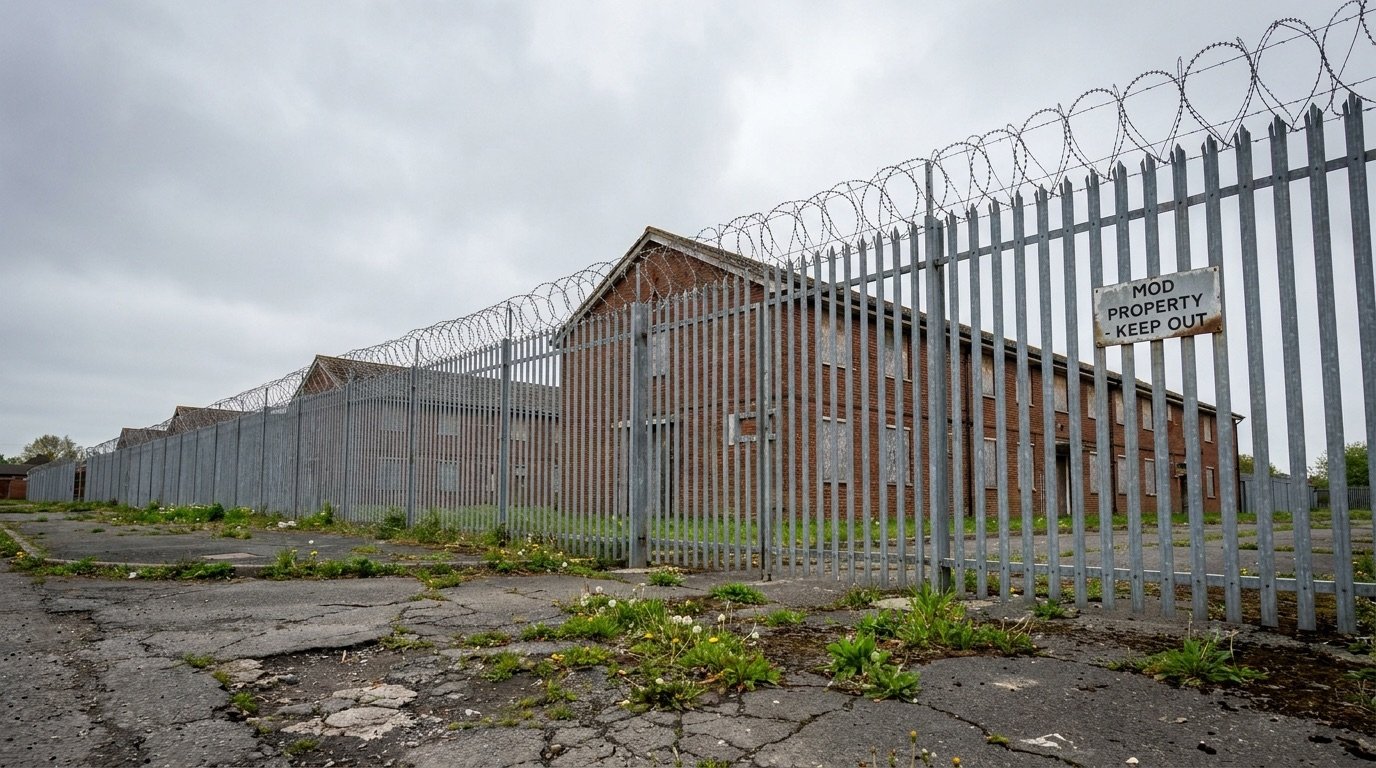
The Home Office's strategy of housing asylum seekers on large sites such as surplus military bases — promoted as a cheaper alternative to hotels — has been found by auditors to cost more per night while accommodating fewer people than planned.
Analysis of the large-scale accommodation programme concluded that the headline cost-saving rationale did not hold: officials reported a per-night cost of around £160 for one military site, above the average hotel cost of about £144 per night, even as the number of beds delivered fell short of targets.
The finding is awkward for a government that has positioned large sites as a route out of expensive hotels, and it sharpens an already heated political contest over the cost and control of the asylum system.
The value-for-money problem
The programme aimed to stand up thousands of beds across surplus military and disused sites, but auditors found delivery lagged the ambition while costs climbed. Wider accommodation contracts running to the end of the decade have ballooned, with the overall value of Home Office asylum accommodation contracts having risen sharply over their lifetime.
Officials argue that large sites can still play a role in reducing reliance on hotels and in signalling that accommodation is basic rather than generous. Critics counter that the economics do not support the policy and that the sites carry their own costs in security, transport and services.
- Auditors found large asylum sites cost more per night than hotels.
- One military site reported a cost of about £160 per night, versus roughly £144 for hotels.
- The programme delivered fewer beds than originally planned.
- Long-run Home Office accommodation contracts have risen sharply in value.
- The findings undercut the cost-saving rationale for moving away from hotels.
Sharpening the political contest
The accommodation debate is unfolding as opposition parties harden their immigration offers. The Conservatives have set out a 'Borders Plan' that includes a proposed ban on asylum claims for new illegal entrants, a dedicated 'Removals Force' aiming to remove 150,000 people a year, and faster deportation of new arrivals and foreign criminals.
Reform UK, which has led in some recent voting-intention polls, has pledged a programme of mass deportations should it win power at the next general election, not due until 2029. With polling consistently showing immigration among the public's top concerns, the cost and competence of the current system has become a central battleground.
“The promise was that large sites would save money. The figures tell a different story — they are costing more and delivering less.”
Background
Faced with rising arrivals and limited dispersed housing, the Home Office turned to hotels and then to large sites including former barracks and airfields as it sought to accommodate asylum seekers. Both approaches have attracted criticism — hotels over cost and local objections, large sites over conditions and now value for money.
Independent scrutiny of these programmes has repeatedly questioned whether stated savings materialise, feeding a broader argument about whether the asylum system can be made both cheaper and more humane at the same time.
What happens next: ministers face pressure to reconcile the audit findings with their pledge to end hotel use by the end of the decade, while opposition parties will continue to press their rival deportation plans as the next election draws nearer.
Referenced coverage: Our reporting and analysis draws on coverage first reported by Electronic Immigration Network. The NE Times publishes original reporting and independent analysis written by our editorial team. We credit and link the outlets whose primary reporting informed this article.
The NE Times is an independent news and analysis publisher. Our articles combine factual reporting with clearly-written, impartial analysis. Content is for general information and does not constitute professional advice. Disclaimer.
You may also like to read
Immigration becomes a fault line as Labour leadership race opens
With Sir Keir Starmer announcing his resignation, the battle to succeed him will be fought partly over asylum, deportations and whether Britain should stay in the ECHR.

US and Jamaica in talks over accepting third-country deportees, minister confirms
A proposed arrangement could see Jamaica take up to 25 people every fortnight from other nations, with details on housing and compensation still being worked out as opposition figures raise concerns.

Federal judge blocks key parts of Trump's mail voting order
A Boston court sided with states arguing that running elections is a matter for states and Congress, not the White House.
New independent asylum appeals body promised as tribunal backlog passes 139,000
Ministers want to lift asylum and human-rights appeals out of the overloaded courts and into a faster body of trained adjudicators. Lawyers warn speed must not come at the cost of fairness.