From landslide to lectern: what finally forced Starmer out
A historic election win curdled into open revolt as the local election rout, the rise of Reform UK and slumping approval ratings combined to end the Prime Minister's tenure.
Eleanor Whitfield
Writer ·
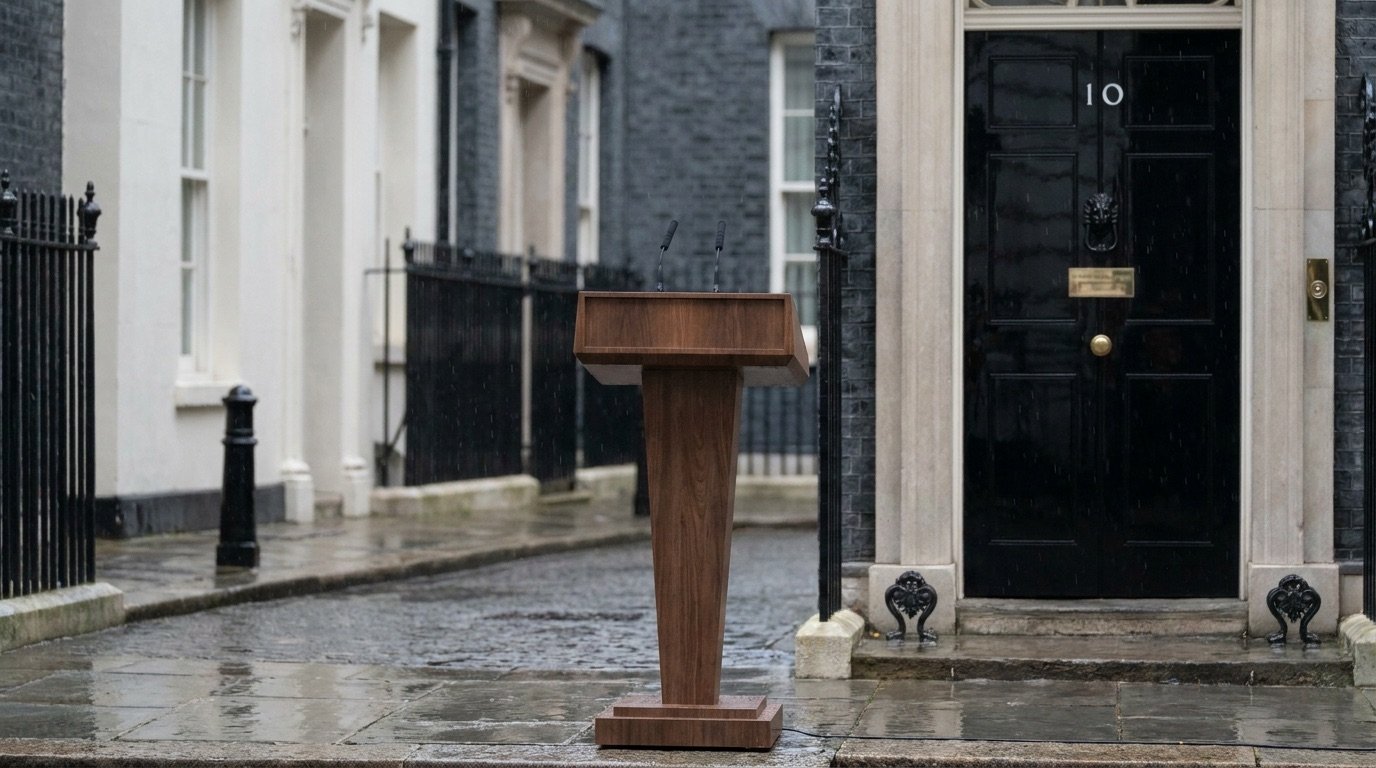
Less than two years after leading Labour to its biggest victory in a generation, Sir Keir Starmer has resigned. The collapse was not the product of a single event but of a slow accumulation of pressures that finally became impossible to withstand. Understanding why he went means tracing the steady erosion of his authority since the heady summer of 2024.
At the centre of the story is the rise of Reform UK and the sense, shared across Labour's ranks, that the party was haemorrhaging support in the very communities it had pledged to champion.
The local election rout
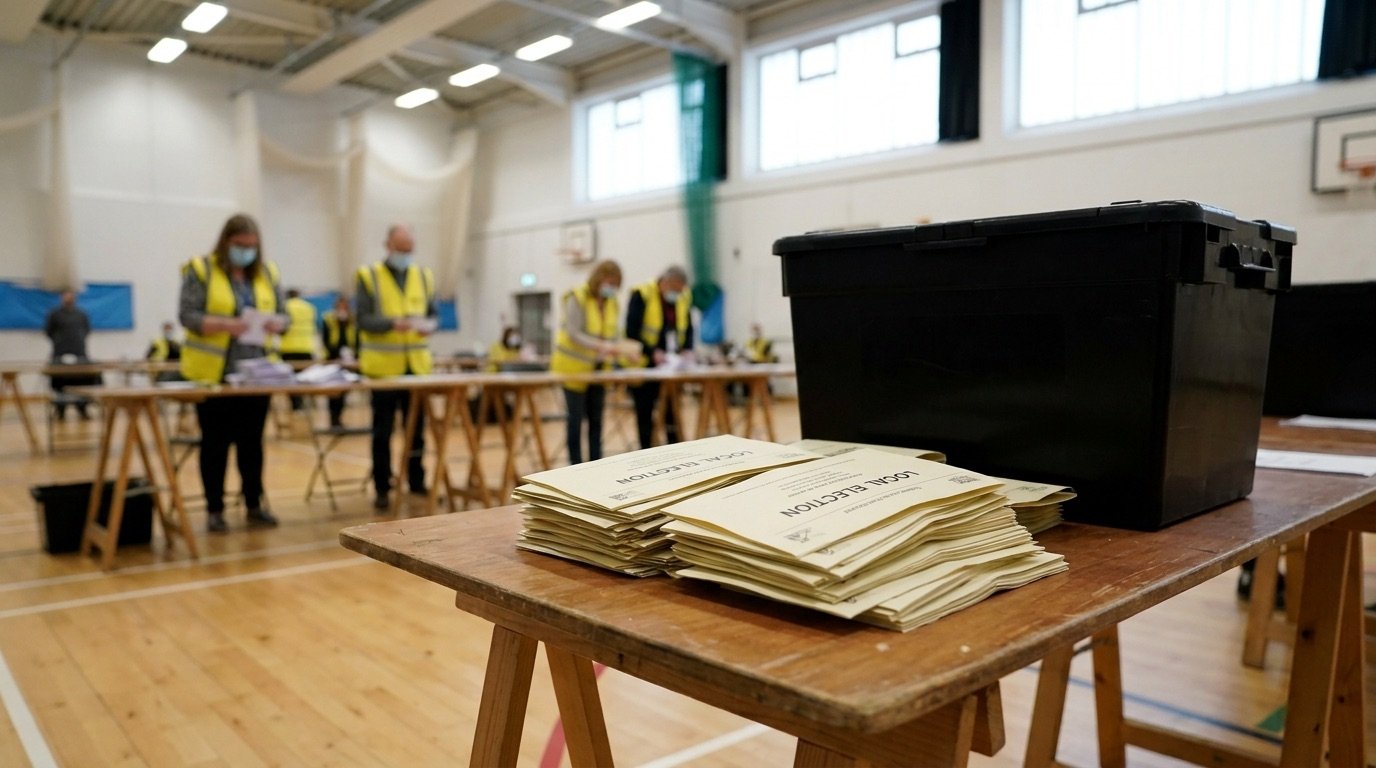
The decisive blow came in the May 2026 local elections. Labour lost close to 1,500 council seats, a result widely read as a repudiation of the government's record. Reform UK, by contrast, surged, gaining well over a thousand councillors and seizing control of a swathe of local authorities. The scale of the reverse left Labour MPs convinced that, under Sir Keir, they faced electoral catastrophe.
For many in the parliamentary party, the council results crystallised a fear that had been building for months: that the government had failed to deliver the change voters had been promised, and that the leadership had no convincing answer to Reform's advance in working-class and former industrial seats.
“Voters told us in May exactly what they thought of our record. We could not keep pretending the answer was more of the same.”
Approval ratings and policy strains
Sir Keir's personal approval ratings had slumped to historic lows. Polling suggested voters felt he had failed to deliver palpable improvements after the austerity and budget cuts of the previous Conservative years, and that the government's handling of immigration, welfare and defence spending had alienated parts of its own coalition.
The pound had already lost ground in the months before his departure as his grip on power weakened, a sign that markets, like MPs, had begun to price in a change at the top. By the time the formal pressure to set a timetable for his exit reached its peak, the political weather had turned decisively against him.
- Labour lost close to 1,500 council seats in the May 2026 local elections.
- Reform UK gained more than a thousand councillors and took control of multiple councils.
- Sir Keir's personal approval ratings fell to historic lows.
- Discontent over immigration, welfare and defence spending split Labour's coalition.
- Months of ministerial resignations and backbench pressure preceded his decision.
Background
The immediate prelude to the resignation was a coordinated manoeuvre by his critics. A sitting Labour MP stood down in Makerfield, near Manchester, to clear the way for Andy Burnham, the Greater Manchester mayor, to seek a return to the Commons. Burnham won the 18 June by-election decisively, giving the rebels a credible alternative leader with a Westminster platform from which to mount a challenge.
What happens next is that the grievances driving the revolt now become the agenda of the leadership contest. The candidates to succeed Sir Keir will have to explain how they intend to halt Reform's rise and win back the voters who deserted Labour, the very failures that brought down the man they hope to replace.
Referenced coverage: Our reporting and analysis draws on coverage first reported by NBC News. The NE Times publishes original reporting and independent analysis written by our editorial team. We credit and link the outlets whose primary reporting informed this article.
The NE Times is an independent news and analysis publisher. Our articles combine factual reporting with clearly-written, impartial analysis. Content is for general information and does not constitute professional advice. Disclaimer.
You may also like to read

Reform stretches lead to nine points as Labour's polling collapse deepens
With Sir Keir Starmer gone, the latest voting-intention figures put Nigel Farage's Reform UK on 27%, almost ten points clear of a Labour Party that has shed roughly a third of its 2024 support.
Reform UK extends polling lead as Labour and Conservatives trail
An Opinium survey put Nigel Farage's party on 29 per cent, well ahead of Labour and the Conservatives, underlining the fragmentation of British politics.
Sir Keir Starmer resigns as Prime Minister, triggering Labour leadership contest
The Prime Minister announced his departure outside Downing Street on Monday morning, ending a turbulent premiership and setting Britain on course for its seventh leader in a decade.
'With good grace': Starmer's resignation statement in full context
The outgoing Prime Minister's short address outside No 10 was reflective and unrepentant by turns, defending his record while accepting his party's verdict.