West End attendance tops 17.6 million as London outsells Broadway
Society of London Theatre data shows record footfall in 2025 even as average ticket prices held steady, with theatre outperforming football and cinema for audience growth.
Sophie Bennett
Writer ·
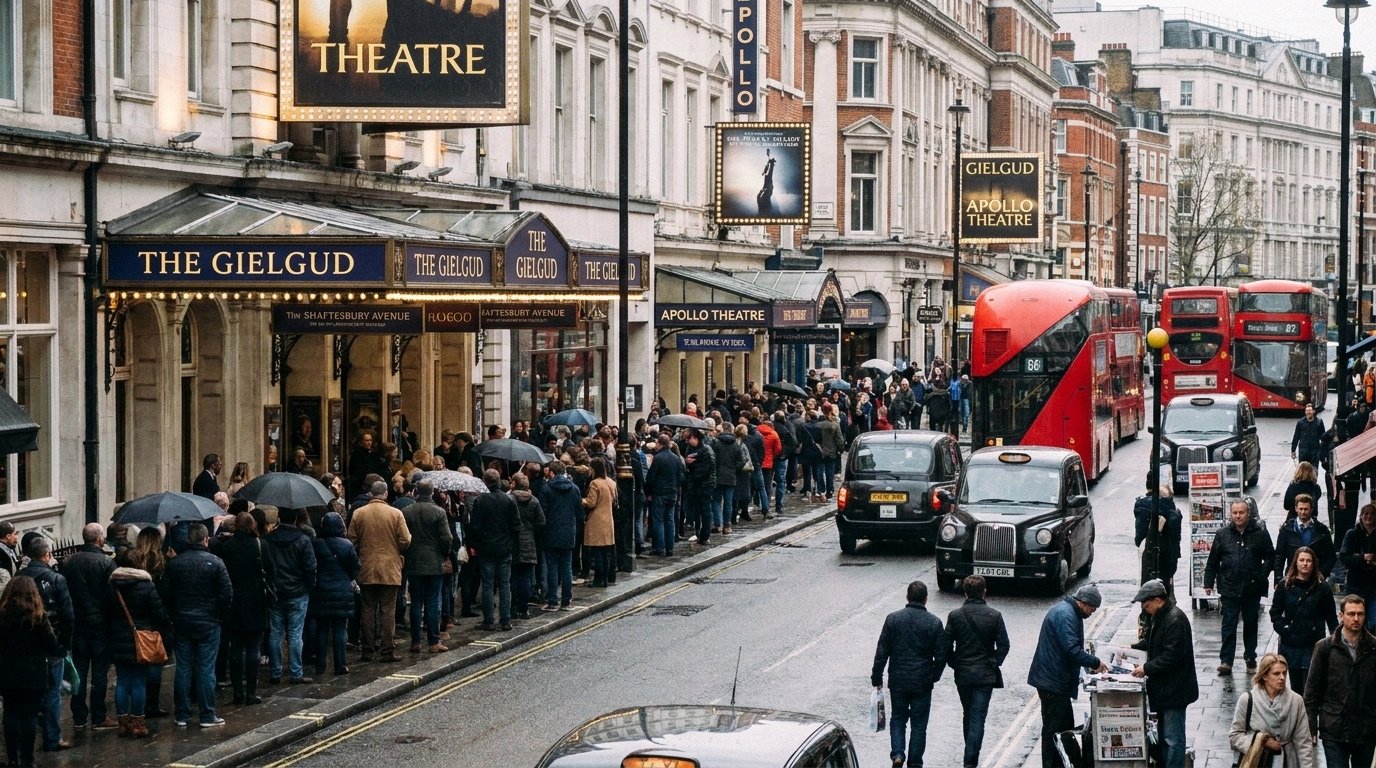
London's commercial theatre sector has posted another record year. Figures from the Society of London Theatre and UK Theatre show West End attendance reached 17.64 million in 2025, comfortably ahead of both Broadway and the Premier League's total gate. The milestone confirms the capital's standing as the world's pre-eminent commercial theatre market, and caps a recovery that has carried the sector from pandemic-era closures to record-breaking footfall in a remarkably short span.
Crucially for the sector's economics, the growth came without aggressive price inflation: the median ticket price paid held at 56 pounds for a second consecutive year, suggesting the rise was driven by genuine demand rather than yield management alone. That distinction matters, because growth built on rising prices is far more fragile than growth built on more people walking through the doors. The 2025 figures point to the latter, a healthier foundation for the years ahead.
The achievement is the more impressive for the company it keeps. Outperforming both Broadway and the Premier League on attendance places West End theatre among the most successful live-entertainment sectors anywhere, a position that carries real economic weight for London's wider visitor economy.
A bright spot in a soft leisure market
The data is striking against a wider backdrop of weakening discretionary spend. While West End audiences grew, cinema attendance fell sharply and London's visitor attractions saw an overall decline. Nearly one in four international visitors to the capital attended a performance, reinforcing theatre's role as a tourism anchor. In a period when households have grown cautious about how they allocate leisure budgets, theatre's continued growth stands out as a genuine outlier.
For producers and venue operators, the report offers reassurance that the post-pandemic recovery has matured into structural strength, even as cost pressures on staging and labour continue to squeeze margins. The sector's resilience appears to rest on the distinctive appeal of live performance, an experience that cannot be replicated at home and that audiences have shown a continued willingness to pay for even when other forms of out-of-home entertainment falter.
“Theatre attendance exceeded the Premier League by more than two million, while football's gate grew by just one per cent.”
— SOLT 2025 box office report
The headline figures
The report's central findings paint a picture of a sector growing on volume rather than price:
- West End attendance of 17.64 million in 2025, a record
- A median ticket price holding steady at 56 pounds for a second consecutive year
- Attendance ahead of both Broadway and the total Premier League gate
- Nearly one in four international visitors to London attending a performance
- Growth achieved against falling cinema attendance and declining visitor-attraction numbers
Background: from shutdown to record
The scale of the recovery is best appreciated against where the sector started. Theatre was among the hardest hit of all entertainment industries during the pandemic, with venues shuttered for extended periods and an entire freelance workforce left without income. The prospect of a full return to pre-pandemic attendance, let alone a surpassing of it, was far from assured in those darkest months. That the West End has not only recovered but reached new highs speaks to the durability of audience appetite for live performance.
The challenge has shifted accordingly. Where the sector once worried about whether audiences would return, the pressing concern now is whether producers can sustain profitability as the costs of staging, materials and labour continue to climb. Record attendance is welcome, but it does not automatically translate into healthy margins when the cost of putting on a show is rising in tandem.
What it means
The 2025 figures give the sector a powerful argument for its economic importance, both as a cultural institution and as a pillar of London's tourism economy. The combination of record attendance and stable pricing suggests demand that is broad and genuine rather than artificially inflated, a reassuring signal for investors weighing new productions. The open question is sustainability: with cost pressures persisting, the sector's task is to convert this hard-won audience strength into a financially durable model that can weather the next downturn in discretionary spending.
Referenced coverage: Our reporting and analysis draws on coverage first reported by London Theatre News. The NE Times publishes original reporting and independent analysis written by our editorial team. We credit and link the outlets whose primary reporting informed this article.
The NE Times is an independent news and analysis publisher. Our articles combine factual reporting with clearly-written, impartial analysis. Content is for general information and does not constitute professional advice. Disclaimer.
You may also like to read
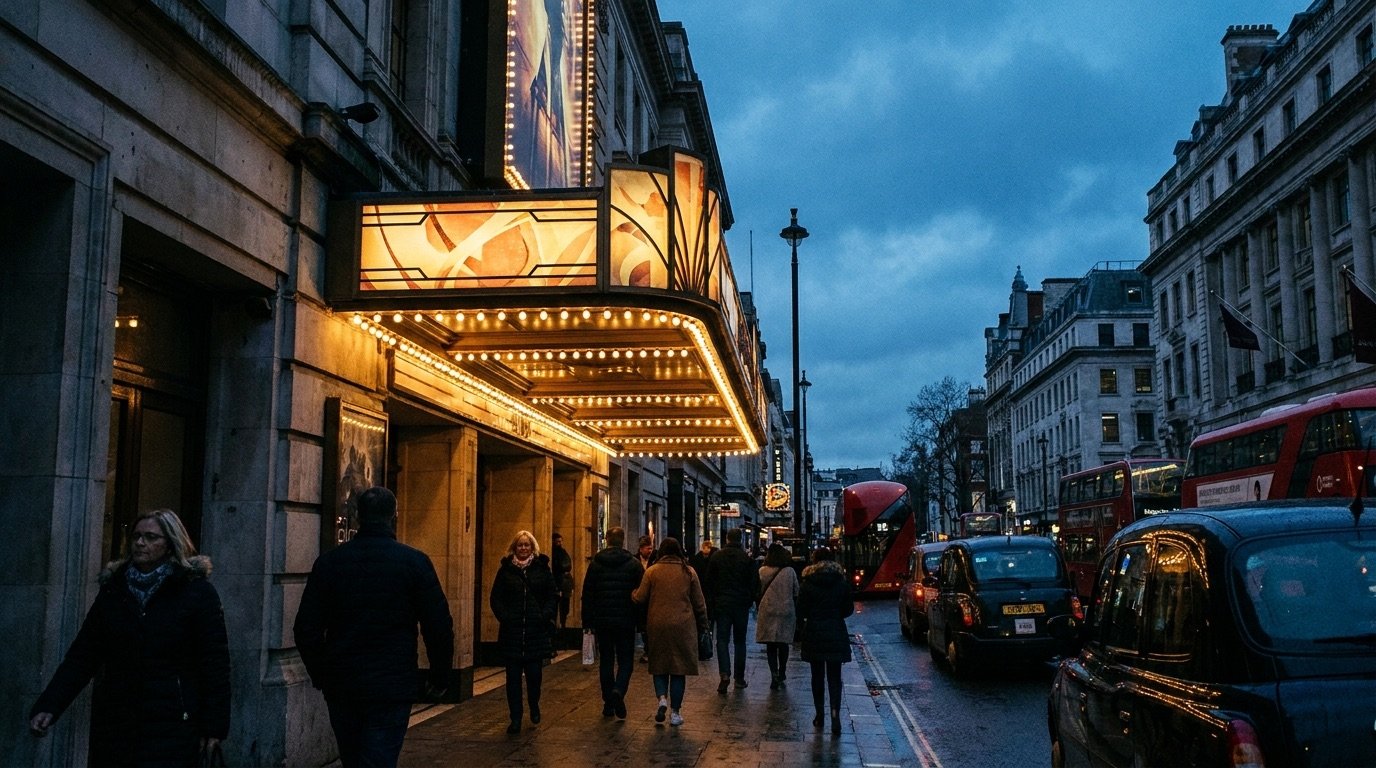
West End summer 2026: Sam Ryder's Superstar debut headlines a packed run of new openings
From Sam Ryder taking on Jesus at the Palladium to Stephen Mangan in The Truth and a free weekend of musicals in Trafalgar Square, London theatre is heading into a blockbuster summer.
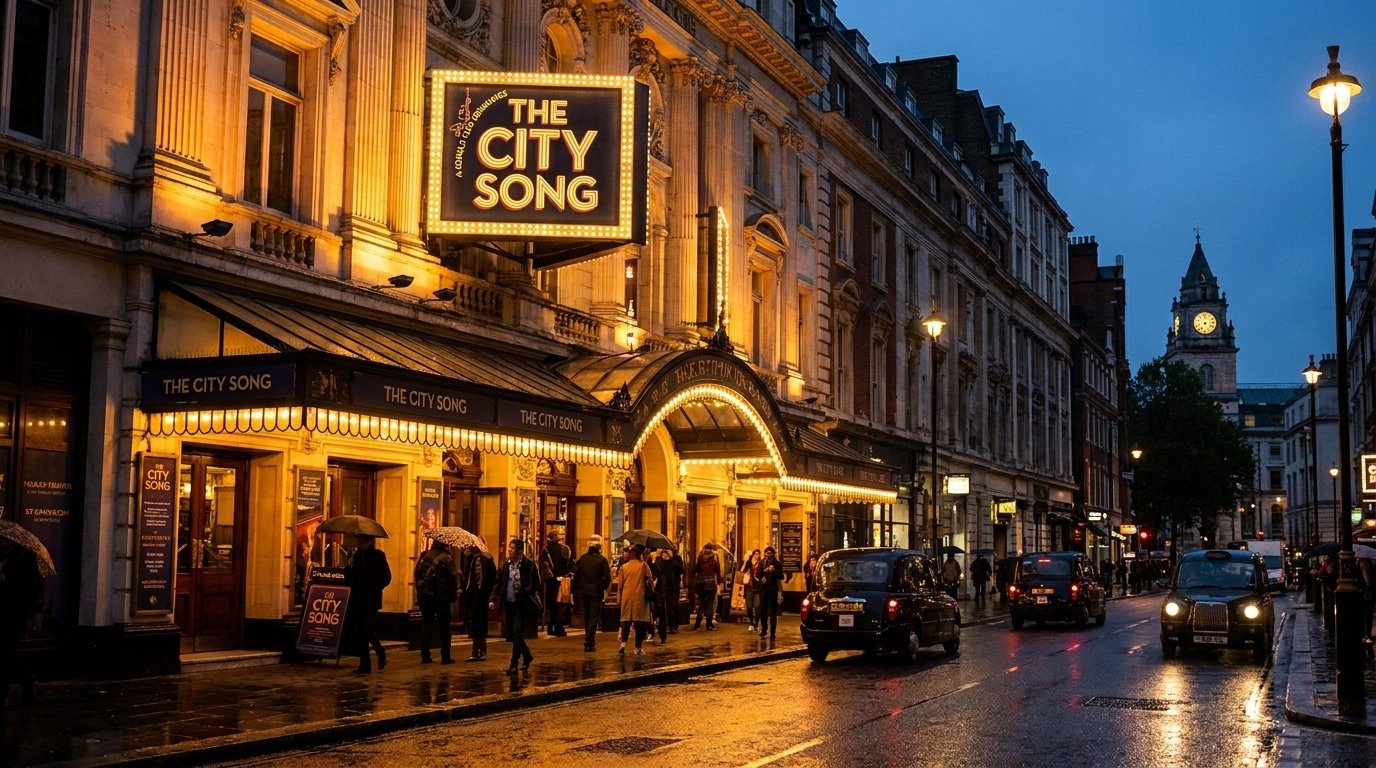
Sam Ryder leads a starry Jesus Christ Superstar revival at the Palladium
Andrew Lloyd Webber and Tim Rice's rock opera returns to the West End for a limited summer run, with a rotating cast of celebrity Herods and a Drury Lane transfer already booked.

Minions Edge Toy Story in a July Fourth Weekend That Reveals the Market's New Rules
Minions & Monsters topped the US chart with $36.4m over Toy Story 5's $31m — a win with caveats in a tighter, more international summer box office.

Toy Story 5 holds off Supergirl — and exposes the new box office hierarchy
Pixar's sequel took about $70m as Supergirl opened to roughly $38m, showing family animation's pull while superhero films must now earn trust film by film.