Royal Ascot 2026: King Charles and Queen Camilla lead the carriage procession down the course
The monarch and Queen revived the daily carriage procession from Windsor as the five-day meeting opened, with the King's racing colours once again on show at one of the calendar's social highlights.
Eleanor Whitfield
Writer ·
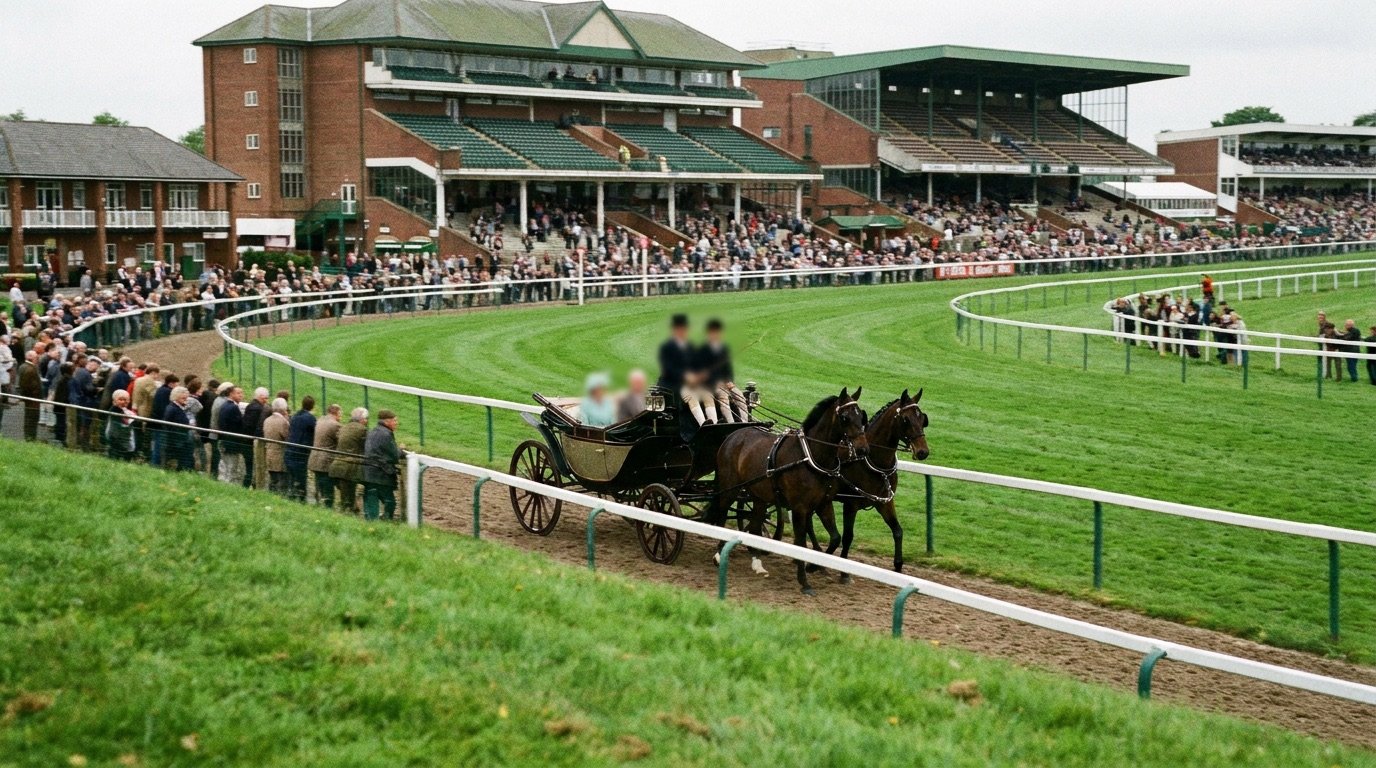
One of the most recognisable images of the British summer returned this week as King Charles III and Queen Camilla led the daily carriage procession at Royal Ascot. The 2026 meeting ran from 16 to 20 June, with the royal couple maintaining the tradition of arriving by horse-drawn carriage from Windsor Castle to the Berkshire racecourse.
The procession, in which a line of open landaus travels the length of the straight mile before the assembled grandstands, marks the formal start of each day's racing. It remains one of the few occasions when the public can see the monarch in such a relaxed and accessible ceremonial setting.
For the King, a keen follower of racing who inherited his late mother's deep interest in the sport, Ascot is among the more personal of the summer's set-piece events.
Pageantry on the straight mile
On one of the meeting's days, the King and Queen led the procession accompanied by the Earl of Snowdon, David Armstrong-Jones, and his partner, the inclusion of guests in the royal carriages being a long-standing feature of the event. The King wore traditional morning dress, with a grey morning coat, matching trousers and a black top hat.
Queen Camilla opted for an elegant tailored dress coat, completed with a historic brooch from the royal collection, in keeping with the heightened formality that the royal enclosure has long demanded of those attending.
The carriage procession is timed to precision and the horses are drawn from the Royal Mews, adding a note of state ceremony to a sporting fixture that is as much about social tradition as it is about the racing itself.
The composition of the procession changes from day to day, with different members of the Royal Family and invited guests sharing the carriages over the course of the week. The crowd's anticipation of who will appear in each landau has become part of the daily ritual, with onlookers tracking the arrivals as keenly as the form of the horses in the opening race.
A meeting steeped in fashion and form
Royal Ascot is as closely watched for its dress codes and millinery as for events on the track. The royal enclosure enforces a strict code, and the parade of hats and morning dress has become a defining feature of the meeting's public image.
This year's gathering again attracted a mix of racing enthusiasts, society figures and well-known faces, with attention divided between the runners and riders and the fashions on display in the enclosures.
The meeting draws tens of thousands of visitors across its five days and is one of the busiest fixtures in the flat racing season. For the racecourse and the surrounding area, it is also a significant economic occasion, with hospitality, retail and tourism all geared towards the influx of visitors that the royal connection helps to sustain.
- The 2026 meeting ran from 16 to 20 June at Ascot Racecourse
- King Charles and Queen Camilla led the daily carriage procession from Windsor
- Carriages drew guests including the Earl of Snowdon on one of the days
- The King wore traditional grey morning dress and a black top hat
- The royal enclosure maintained its long-standing formal dress code
A royal connection to the turf
The relationship between the Crown and Royal Ascot stretches back more than three centuries, since Queen Anne founded the course in the early eighteenth century. Successive monarchs have maintained racing interests, and the royal procession has become inseparable from the identity of the meeting.
The King has continued to run horses in his colours, sustaining a thread of royal involvement in the sport that has been unbroken across reigns and that lends the Ascot week its particular blend of competition and ceremony.
“The carriage procession remains one of the most photographed moments of the entire racing calendar.”
Background
Royal Ascot dates to 1711 and has been associated with the monarchy ever since. The daily procession in horse-drawn carriages was popularised in the nineteenth century and has been a fixture of the meeting in its modern form for generations.
The event combines top-class flat racing, including several of the season's most prestigious contests, with a strong social and ceremonial dimension that places it firmly within the cluster of royal summer engagements alongside Trooping the Colour and Garter Day.
“For the King, racing is among the most personal of his public interests, inherited from a lifelong family connection to the sport.”
What happens next: with Ascot concluded, the royal summer moves towards the tennis at Wimbledon and the season of garden parties, before the calendar quietens over the late-summer months.
Referenced coverage: Our reporting and analysis draws on coverage first reported by Country & Town House. The NE Times publishes original reporting and independent analysis written by our editorial team. We credit and link the outlets whose primary reporting informed this article.
The NE Times is an independent news and analysis publisher. Our articles combine factual reporting with clearly-written, impartial analysis. Content is for general information and does not constitute professional advice. Disclaimer.
You may also like to read
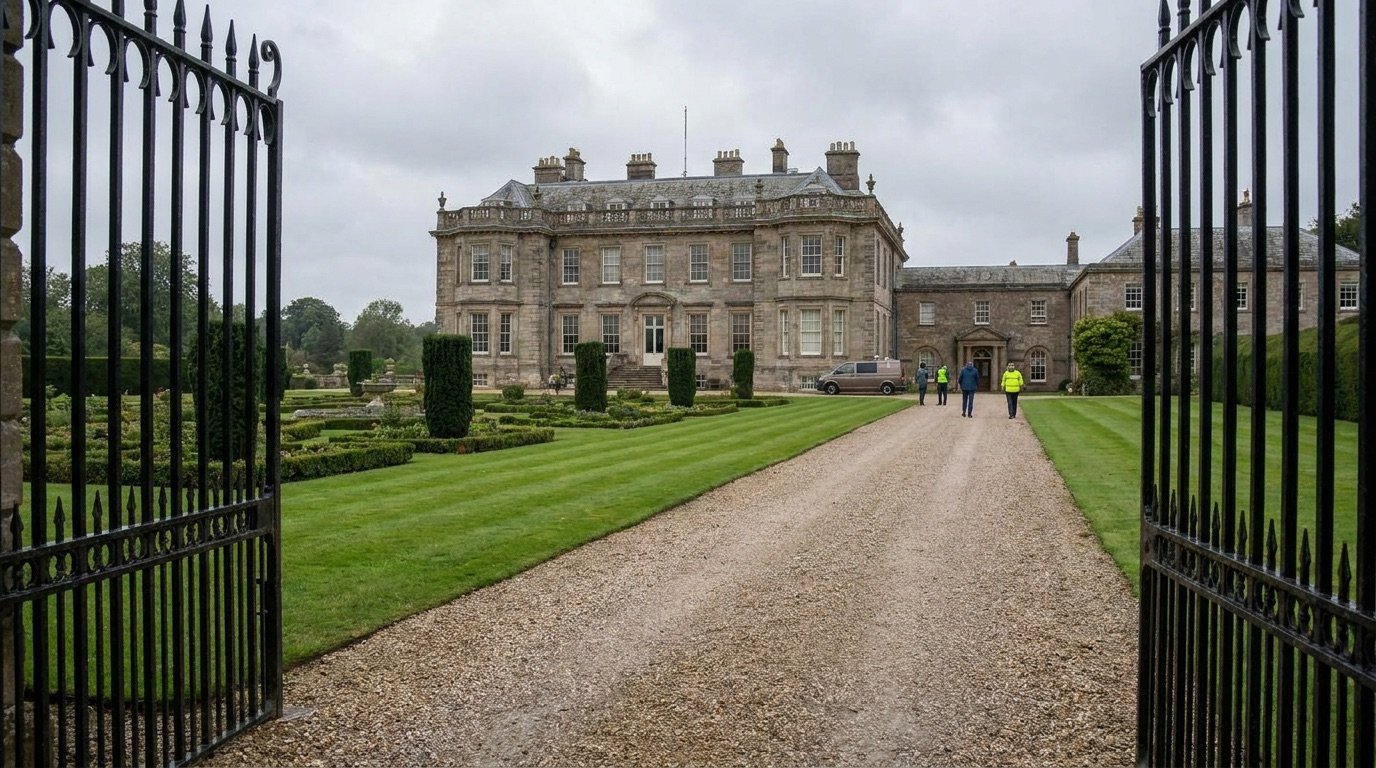
King Charles offers Sussexes royal accommodation for summer UK visit amid signs of a thaw
Reports suggest the King has offered Prince Harry and his family quarters on a secure royal estate for a July trip tied to Invictus Games events, in a gesture seen as easing a long-strained relationship.
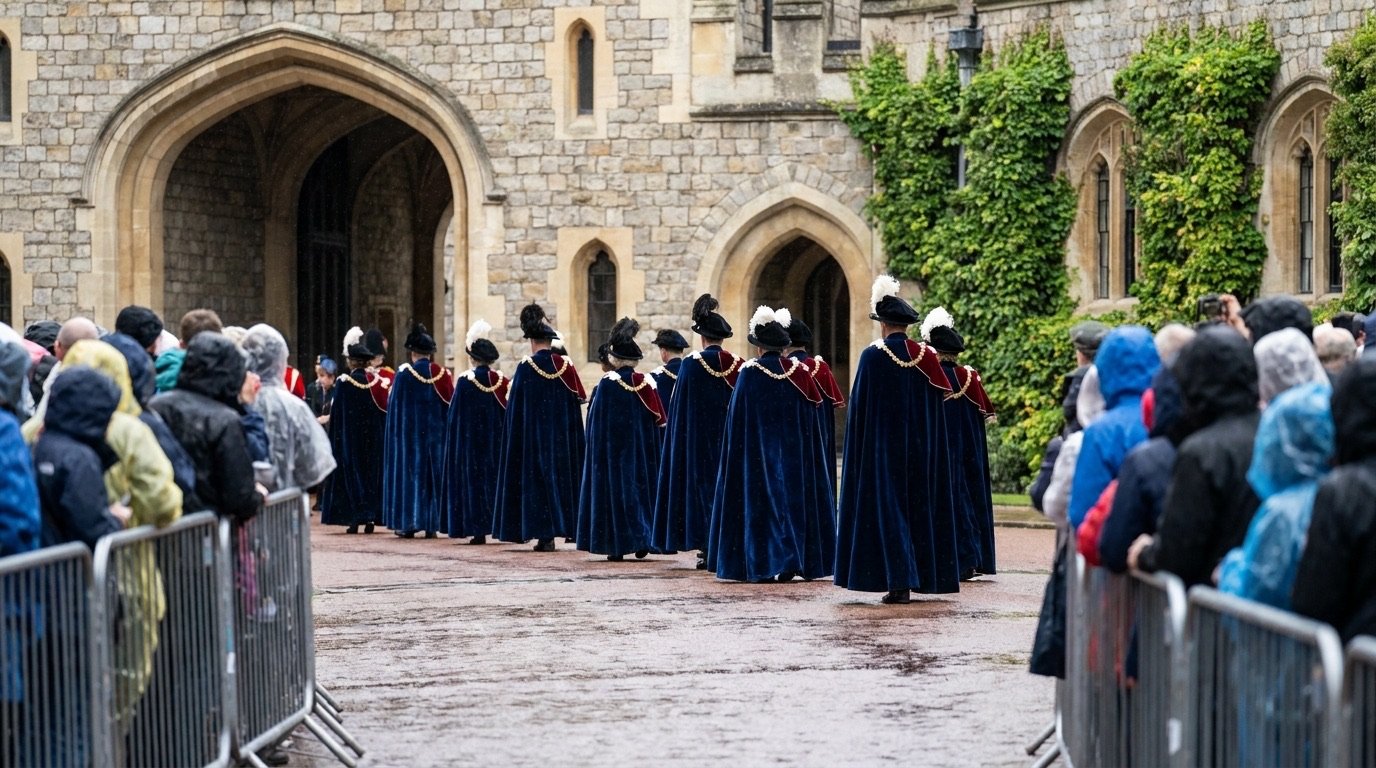
Garter Day 2026: King Charles leads procession at Windsor as three new knights are installed
Members of the Royal Family joined the Knights and Ladies Companion in their blue velvet robes for the centuries-old service at St George's Chapel, the oldest ceremony of British chivalry.
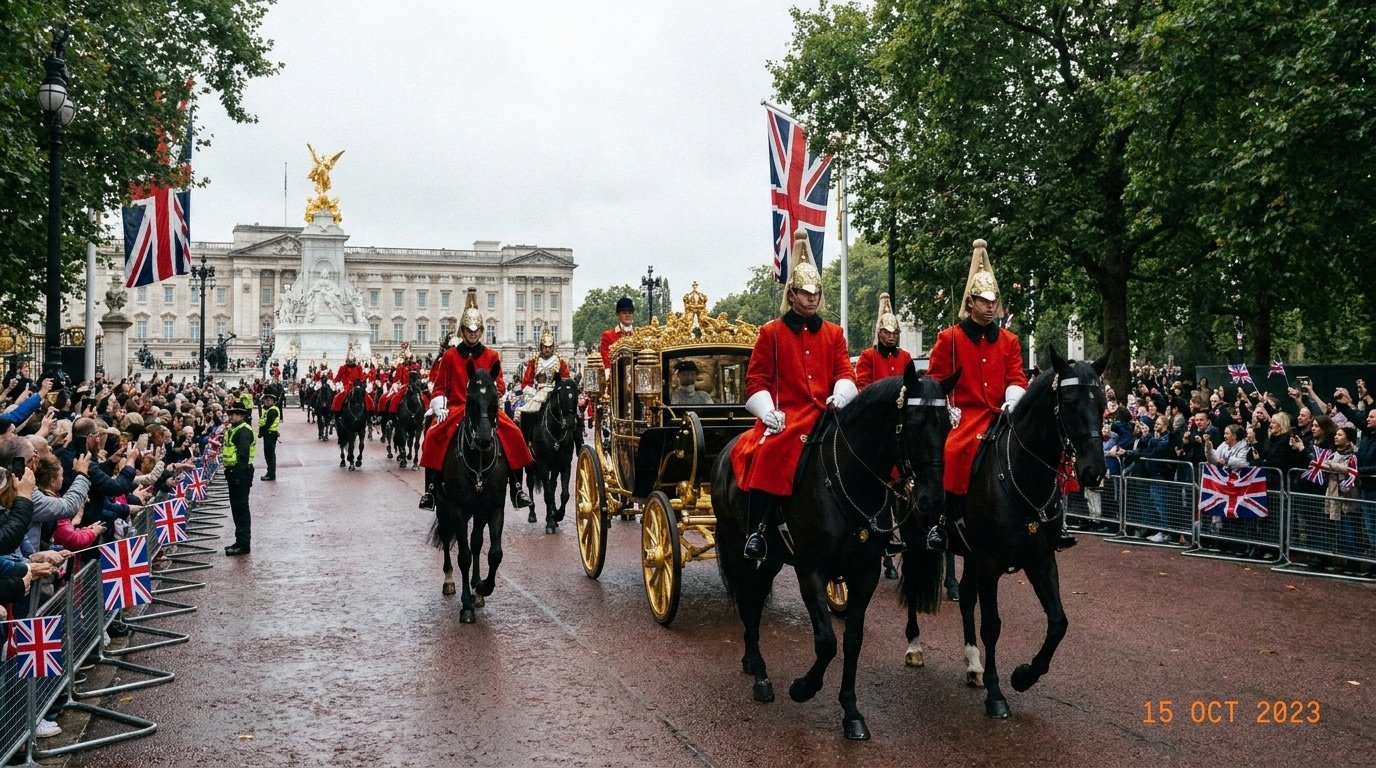
King Charles marks official birthday at Trooping the Colour as family gathers in red
The monarch travelled by carriage once again for the annual parade as the Royal Family appeared in coordinating uniforms and outfits on Horse Guards Parade.
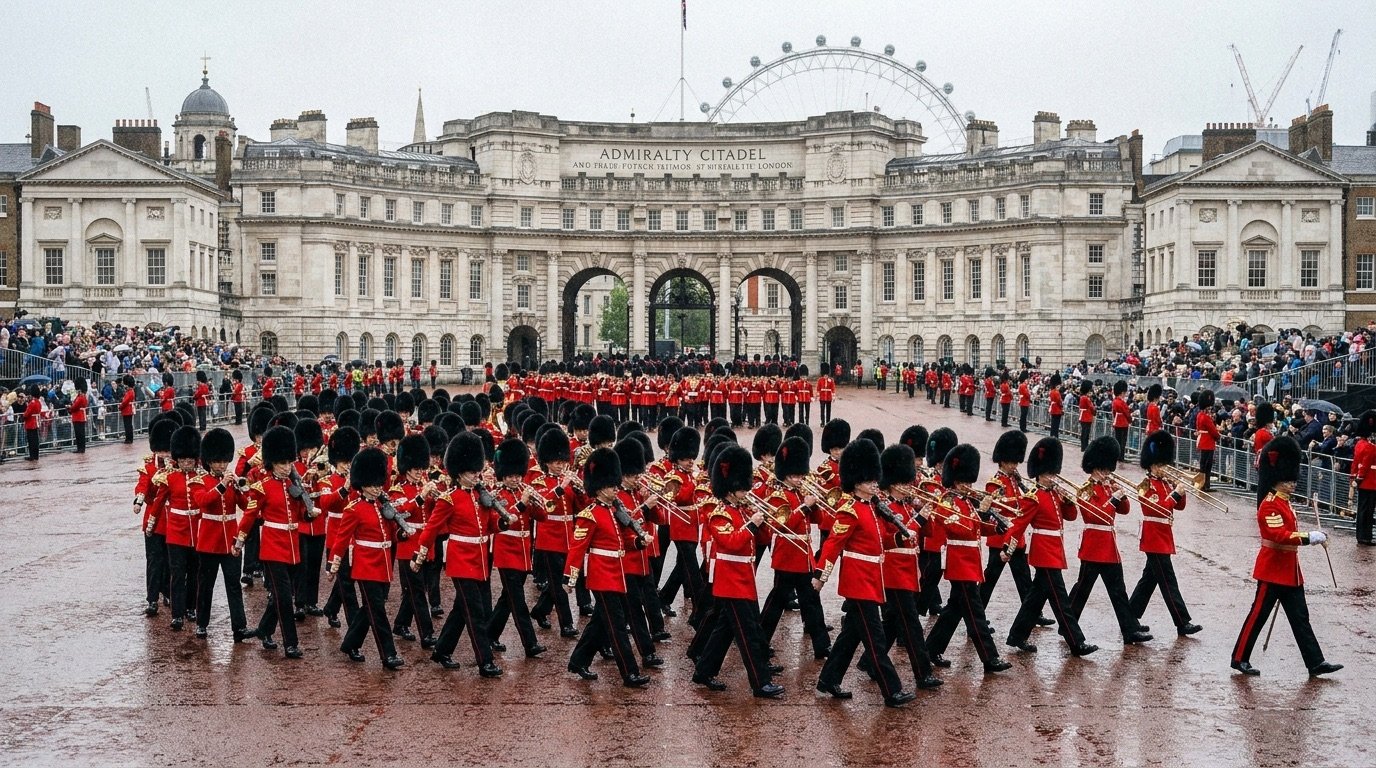
Trooping the Colour 2026: King Charles leads Horse Guards spectacle as Wales children join the balcony
More than 1,350 soldiers paraded on Horse Guards as the King's Company, 1st Battalion Grenadier Guards trooped their Colour in a display of pageantry watched by crowds along The Mall.