Net migration falls to 171,000 as work and study arrivals drop
Official estimates show net migration has nearly halved year on year, extending a steep decline from the 2023 peak — with both British and EU flows now negative.
Eleanor Whitfield
Writer ·
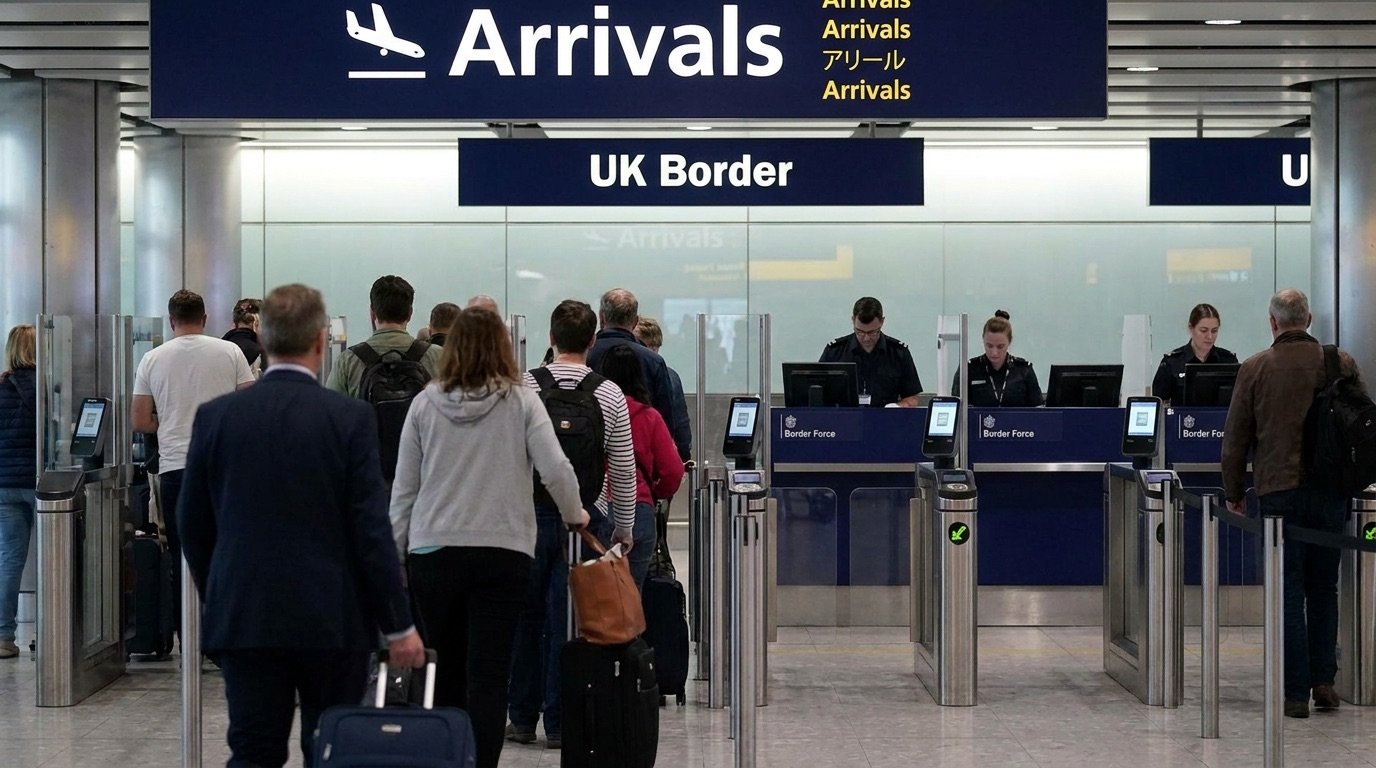
- Net migration of 171,000 in the year to December 2025
- Down from 331,000 a year earlier and 944,000 at the 2023 peak
- Non-EU net migration down by two-thirds since 2023
- Work-related arrivals from outside the EU almost halved
“”
Referenced coverage: Our reporting and analysis draws on coverage first reported by Office for National Statistics. The NE Times publishes original reporting and independent analysis written by our editorial team. We credit and link the outlets whose primary reporting informed this article.
The NE Times is an independent news and analysis publisher. Our articles combine factual reporting with clearly-written, impartial analysis. Content is for general information and does not constitute professional advice. Disclaimer.
You may also like to read

Visa 'brake' blocks student and worker applications from four countries
A new mechanism lets ministers freeze visa routes from nationalities deemed high-risk for asylum claims, starting with Afghanistan, Cameroon, Myanmar and Sudan.

UK inflation holds at 2.8% in May as cheaper food offsets soaring transport costs
The Office for National Statistics says the headline rate was unchanged from April, defying forecasts of a rise, as falling grocery prices balanced out the steepest jump in transport costs in more than three years.

Belfast counts the cost as week of disorder grips Northern Ireland
Several nights of violence that left families homeless and dozens of officers injured have prompted soul-searching across Northern Ireland, with politicians condemning attacks that spread from Belfast to other towns.

School Attendance Edges Up but Severe Absence Keeps Heads Awake
The latest figures show attendance in England's state schools has crept above 93 per cent this year, a slow recovery from the pandemic, yet persistent and severe absence remain stubbornly higher than before Covid, with secondaries lagging primaries.