Gatwick presses ahead with second runway as expansion gathers momentum
London Gatwick is advancing its £2.2bn plan to bring its northern runway into routine use, lifting capacity towards 80 million passengers a year as new airlines and routes arrive at the airport.
Eleanor Whitfield
Writer ·
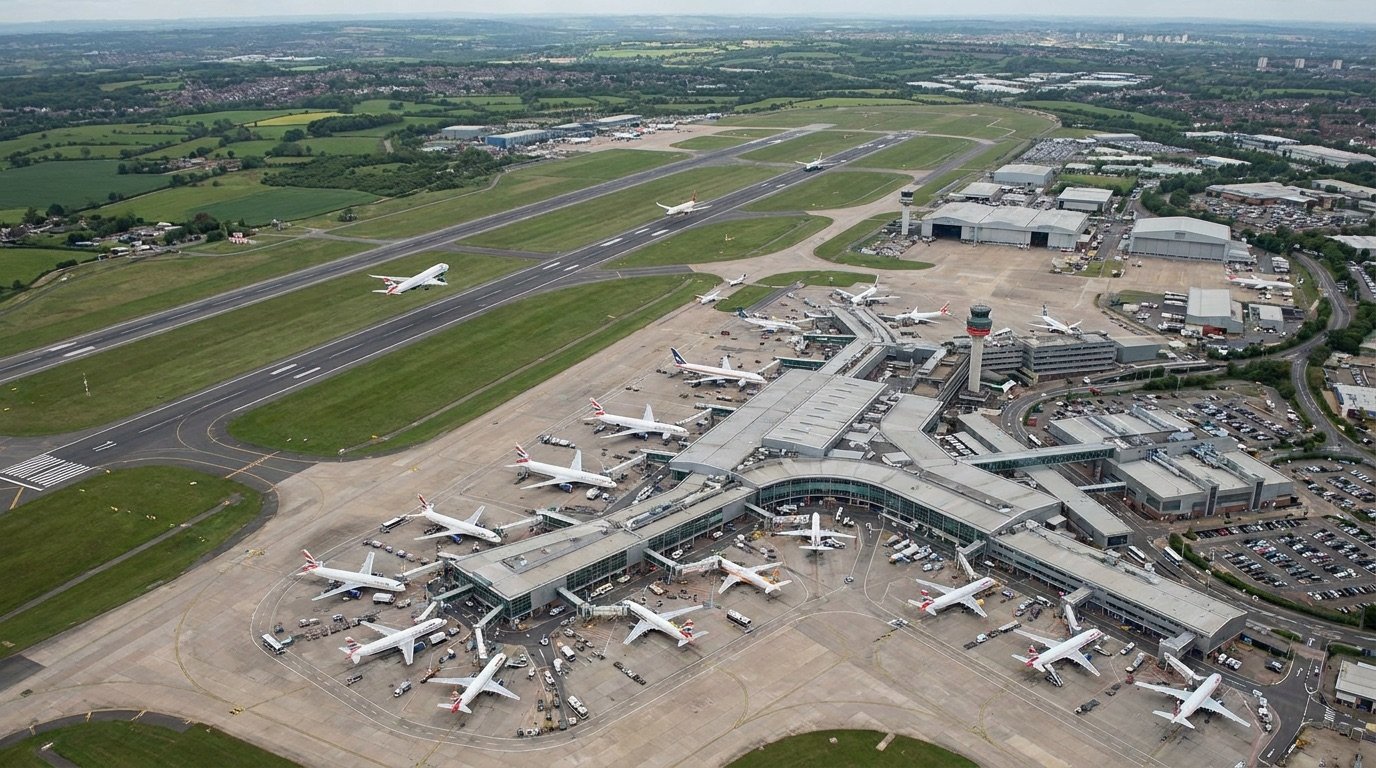
London Gatwick is pressing ahead with its long-held ambition to bring its northern runway into routine use, advancing a £2.2bn privately financed scheme that would allow the airport to operate as a genuine two-runway hub. The project would lift Gatwick's capacity towards 80 million passengers a year.
Development consent for the northern runway project was granted in 2025, and a correction order issued early in 2026 tidied up the formal paperwork, clearing the way for the airport to push on with detailed planning and preparation.
The plan involves relocating the existing northern runway and expanding terminal facilities so that both runways can be used for departures and arrivals, rather than the second strip serving only as a standby.
What the project delivers
By bringing the northern runway into routine use, Gatwick says it can significantly increase the number of flights it handles, supporting more aircraft movements each hour and accommodating millions more passengers as demand for air travel recovers and grows.
The airport has framed the expansion as a way to strengthen its role in the South East's aviation network and to deliver economic benefits, all without the public subsidy that surrounds some other major infrastructure projects, since the scheme is privately financed.
- £2.2bn privately financed northern runway project.
- Capacity to rise towards 80 million passengers a year.
- Development consent granted in 2025, with a correction order early in 2026.
- Existing northern runway to be relocated and brought into routine use.
- More aircraft movements per hour as the airport grows.
New airlines and routes
The expansion comes as Gatwick attracts new business. The airline Jet2 began operations at the airport earlier this year, basing aircraft there and offering flights to a substantial list of destinations, while other carriers have added or announced new long-haul services.
Airport bosses say the combination of fresh capacity and new airline commitments points to a busier, better-connected Gatwick in the years ahead, with the runway project underpinning future growth.
The airport has also been investing in technology and terminal improvements designed to speed passengers through security and reduce queues, part of a wider effort to handle higher volumes without a corresponding decline in the passenger experience. Improved rail and road links to the airport form a key plank of the plan, with operators keen to encourage more travellers to arrive by train.
“Making routine use of our northern runway is the most sustainable way to grow, using our existing infrastructure to deliver more flights, more choice and significant economic benefits without relying on taxpayer money.”
Opposition and concerns
The plan has not been without controversy. Environmental groups and some local residents oppose the expansion, citing concerns about noise, road traffic around the airport and the climate impact of additional flights, echoing the wider debate over airport growth in the South East.
Campaigners argue that expanding multiple airports simultaneously, including the parallel push for a third runway at Heathrow, raises serious questions about how the aviation sector's growth can be reconciled with national emissions targets.
“Every extra flight adds to the noise over our communities and to the country's carbon emissions. Approving expansion at one airport after another simply cannot be squared with the climate commitments we have made.”
Background
Gatwick has long operated with a single main runway despite being one of the busiest airports in the country, with its second strip used only when the main runway is unavailable. The airport has pursued the routine use of the northern runway as a less disruptive alternative to building an entirely new one.
The scheme sits within a wider national conversation about airport capacity in the South East, where Heathrow, Gatwick and others are all seeking room to grow.
What happens next: with consent secured, attention turns to the detailed planning, financing and construction needed to bring the northern runway into routine service, with completion envisaged around the turn of the decade. The project will continue to draw scrutiny over its environmental impact even as the airport positions itself for sustained growth.
Referenced coverage: Our reporting and analysis draws on coverage first reported by London Gatwick Airport. The NE Times publishes original reporting and independent analysis written by our editorial team. We credit and link the outlets whose primary reporting informed this article.
The NE Times is an independent news and analysis publisher. Our articles combine factual reporting with clearly-written, impartial analysis. Content is for general information and does not constitute professional advice. Disclaimer.
You may also like to read
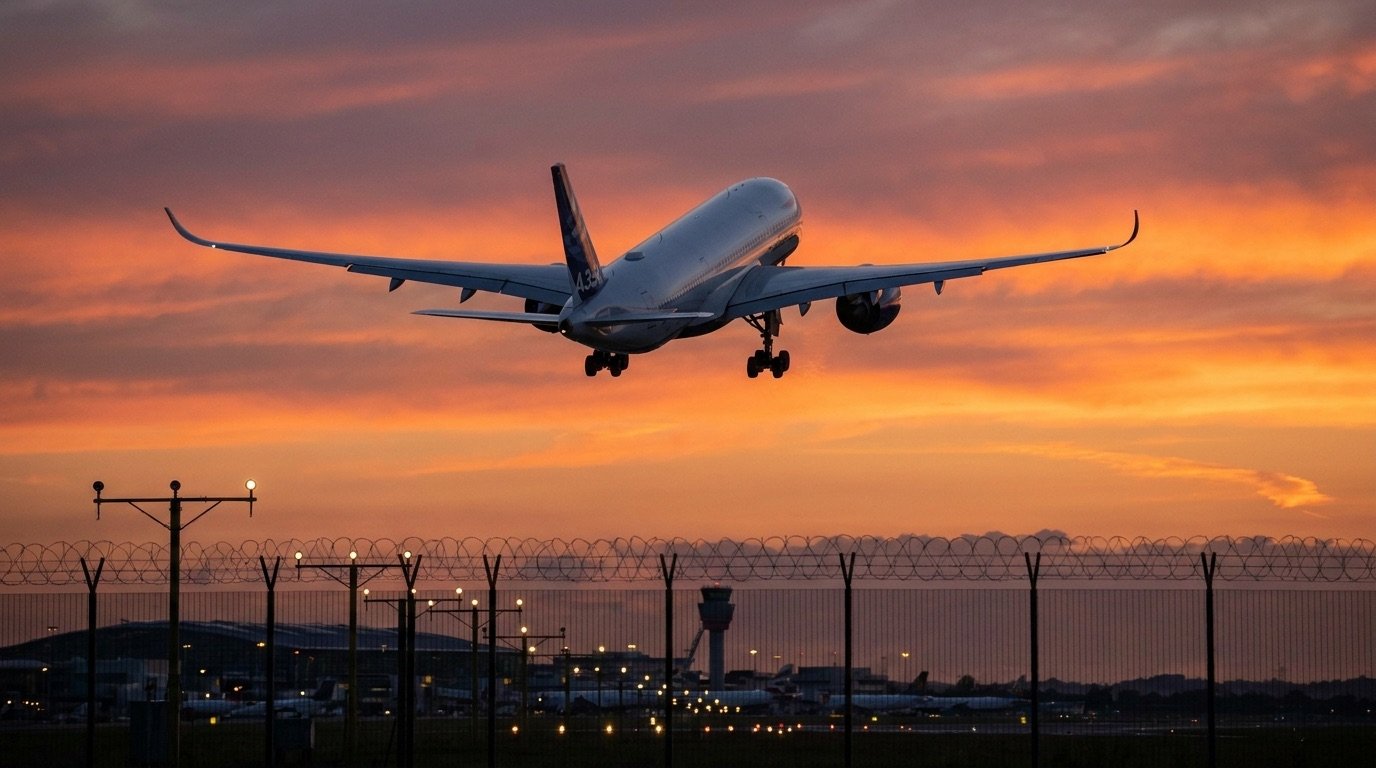
Government launches Heathrow third runway consultation as £49bn expansion advances
Ministers have published a draft national policy statement on Heathrow expansion and opened a 10-week public consultation, in the clearest signal yet that the long-stalled third runway is moving forward.

Gatwick expansion gains momentum as campaigners lose court battle
A ruling against opponents of the airport's growth plans has reinvigorated a contested infrastructure scheme, even as arguments over noise, emissions and capacity remain firmly alive.
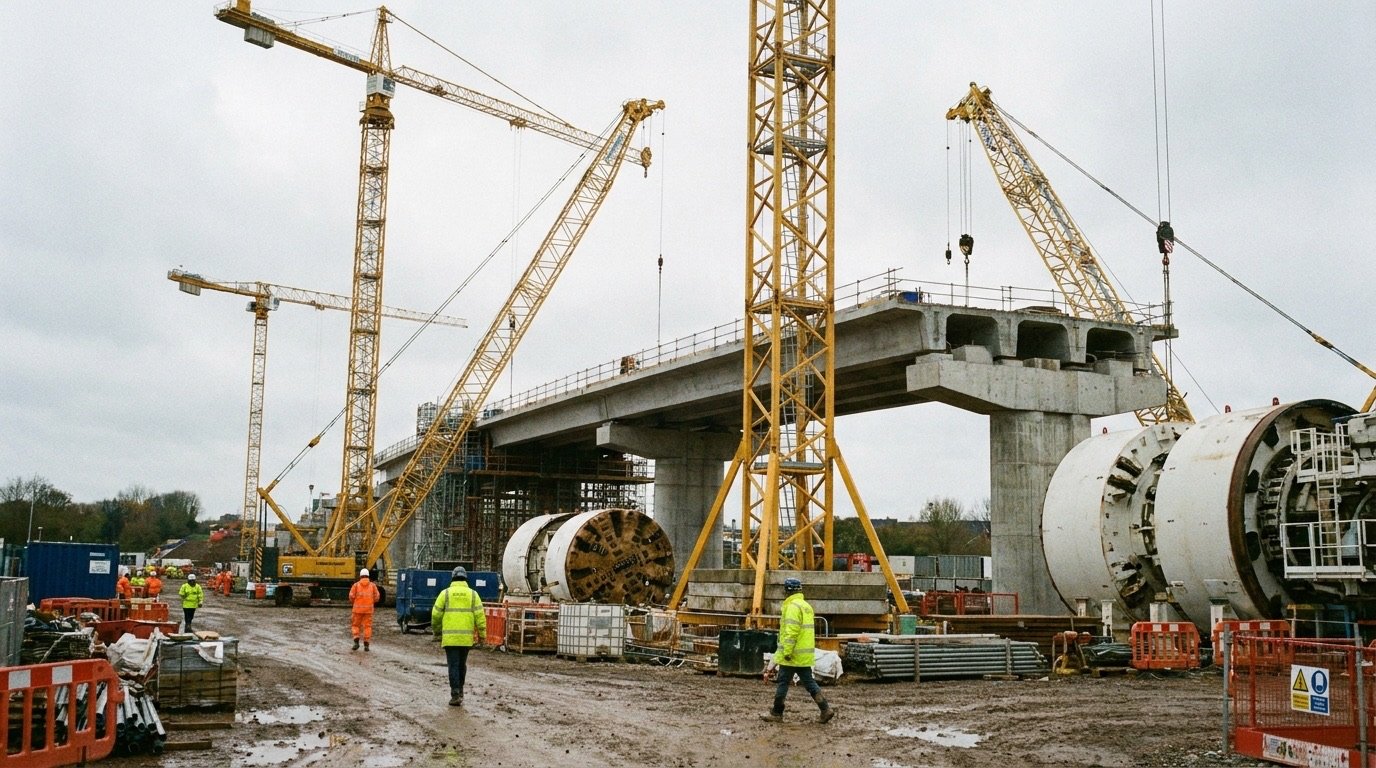
HS2 costs soar towards £103bn as first Birmingham trains pushed back to late 2030s
The latest official estimate puts the bill for completing HS2 as high as £102.7bn, with services between London and Birmingham now not expected until between 2036 and 2039.
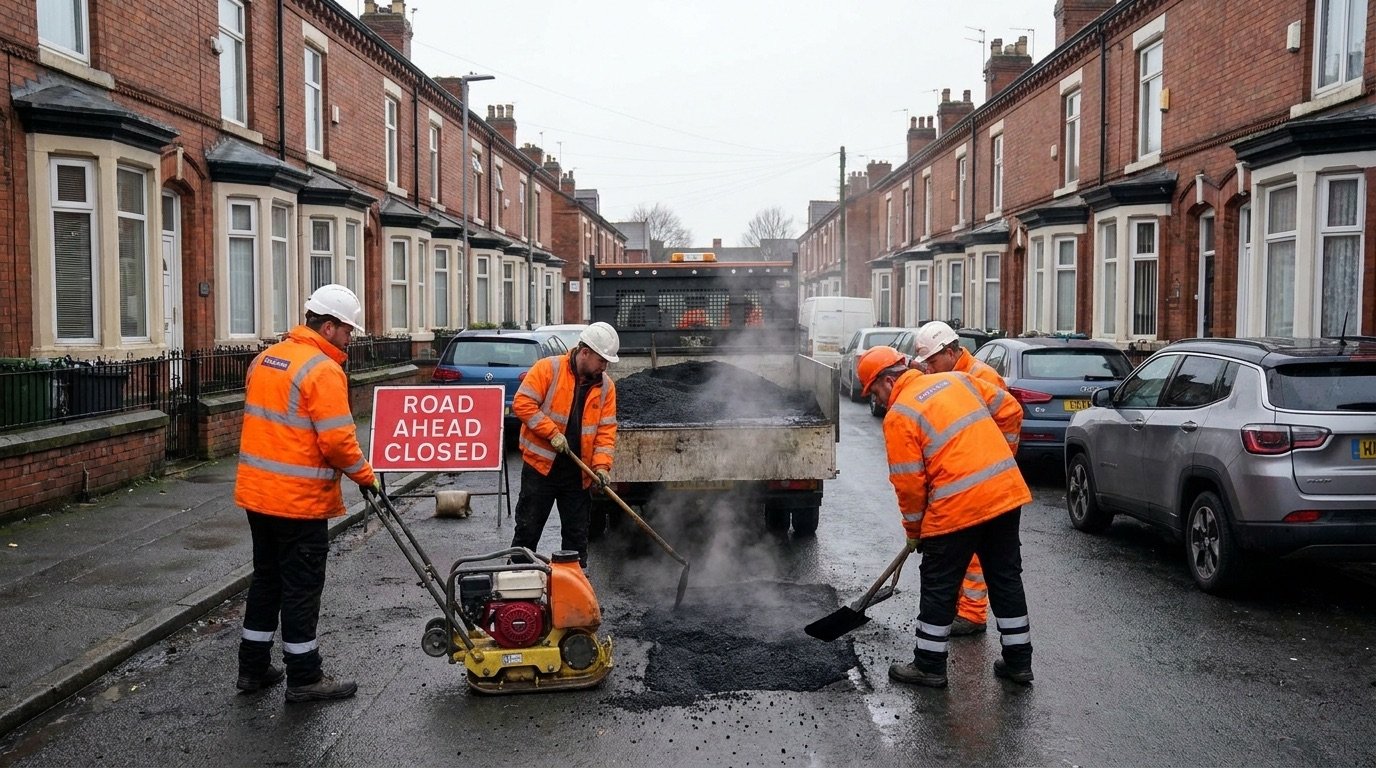
Councils warned they risk losing pothole cash unless they prove roads are improving
Local authorities in England could forfeit around a third of their £1.6bn road maintenance funding unless they demonstrate the money is being spent effectively, as the pothole crisis tops drivers' concerns.