UK economy shrinks as growth stalls and stagflation fears mount
Official figures show output contracting after a strong start to the year, with services, manufacturing and construction all falling and economists warning of an uncomfortable mix of weak growth and stubborn inflation.
Eleanor Whitfield
Writer ·
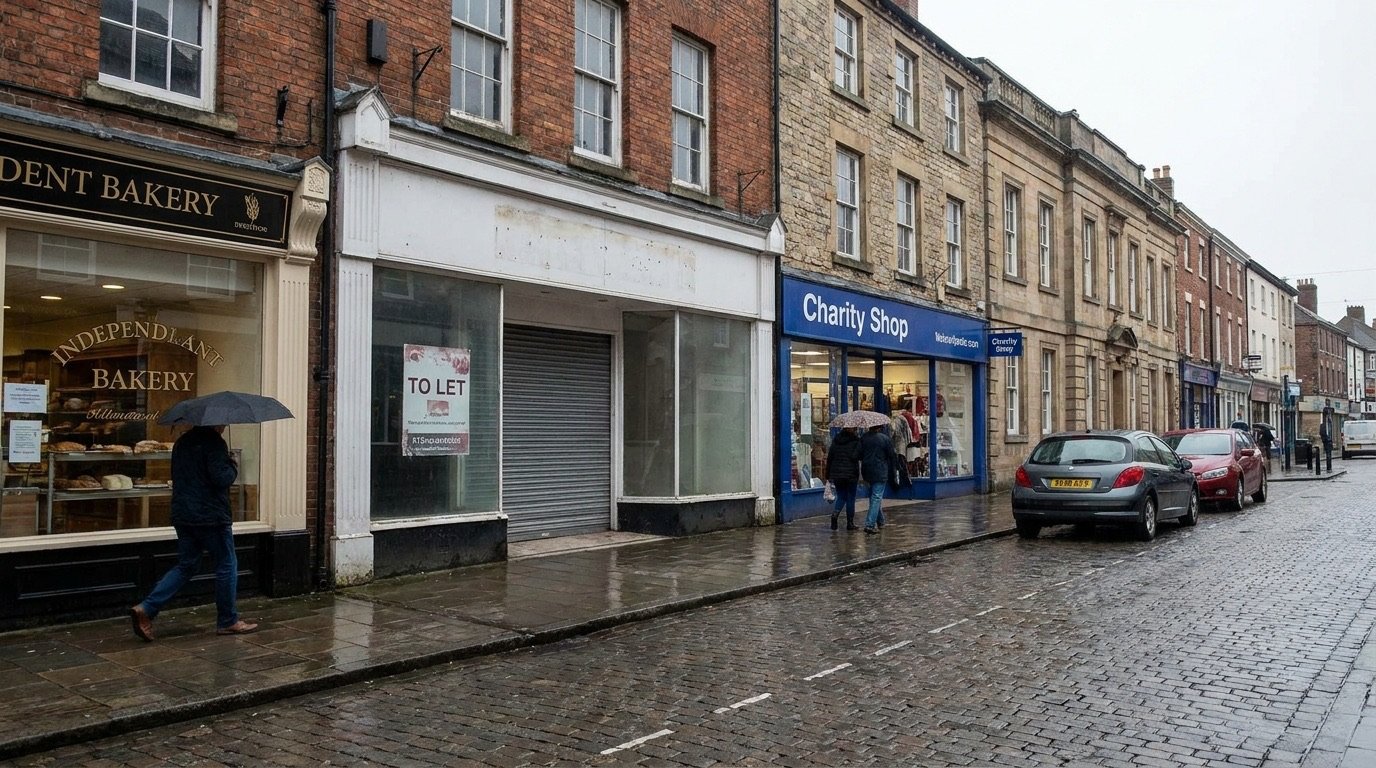
The UK economy contracted over the latest quarter, official figures showed, raising fears that Britain is sliding into a damaging combination of stagnant growth and persistent inflation that economists call stagflation.
Gross domestic product shrank 0.1% in the second quarter, a sharp reversal from the 0.8% expansion recorded in the first three months of the year, according to the Office for National Statistics. The slowdown was broad-based, touching almost every major sector of the economy.
The figures land at a delicate moment for the Chancellor, who has staked her credibility on reviving growth, and for the Bank of England, which is trying to tame inflation without tipping the economy into a deeper downturn.
A broad-based decline
The contraction was driven by weakness across the board. The dominant services sector, which accounts for around four-fifths of the economy, fell over the quarter, while production and construction also went into reverse.
Manufacturing was a notable drag, hit by softer global demand and rising input costs, while construction declined for the first time in months as higher borrowing costs continued to weigh on new projects.
Economists had expected a slowdown but the scale of the reversal from the buoyant first quarter caught some by surprise, underlining how quickly momentum has drained from the economy.
The first quarter's strength had been flattered in part by businesses bringing activity forward, and the subsequent payback has been sharper than many anticipated. Stripping out that distortion, the underlying trend points to an economy that has been broadly flat for some time.
The stagflation worry
What makes the figures particularly uncomfortable is the backdrop. With inflation holding at 2.8% and energy bills set to rise again in July, the economy is weakening at the same time as price pressures persist, a combination that leaves policymakers with few easy options.
Cutting interest rates to support growth risks fanning inflation, while keeping them high to bear down on prices risks deepening the slowdown. That dilemma is at the heart of Thursday's Bank of England decision.
Stagflation is especially corrosive because it erodes living standards from both directions at once. Pay packets are squeezed by rising prices while job security weakens as growth stalls, leaving households worse off and policymakers with no straightforward remedy.
- GDP fell 0.1% in the second quarter, down from 0.8% growth in the first
- Services output declined over the period
- Manufacturing and wider production fell
- Construction contracted for the first time in months
- Inflation remains at 2.8%, above the Bank's 2% target
“This is exactly the scenario the Treasury feared: an economy losing steam while inflation refuses to fall back to target. There is no painless way out of stagflation.”
Political pressure builds
The contraction piles pressure on the government, which has made faster growth the centrepiece of its economic agenda. Opposition critics seized on the figures as evidence that its strategy is faltering.
Ministers insisted the underlying picture remained more resilient than a single quarter suggests, pointing to longer-term plans on planning reform, investment and infrastructure that they argue will lift growth over time.
Business groups, meanwhile, urged the government to act decisively, warning that confidence among firms is fragile and that further increases in costs or taxes could deter the investment needed to revive the economy. They called for stability and clarity above all else.
Background
The UK has struggled with sluggish growth for much of the past decade, with productivity stuck below pre-financial-crisis trends. Successive governments have promised to break the cycle, but living standards have risen only slowly.
Quarterly GDP figures are closely watched as the headline measure of the economy's health, and two consecutive quarters of contraction would meet the technical definition of recession. Early estimates are also frequently revised as more complete data arrives, so the initial reading can change in either direction.
What happens next
Revised GDP data and further monthly readings will show whether the second-quarter dip is the start of a sustained downturn or a temporary stumble. With the autumn Budget approaching, the figures intensify the debate over whether the answer lies in tax rises, spending restraint or measures to kick-start investment.
The independent forecaster's next assessment will be pivotal, feeding directly into the Chancellor's room for manoeuvre. A weaker growth outlook would shrink the headroom against her fiscal rules, raising the stakes for the choices she sets out in the autumn.
Referenced coverage: Our reporting and analysis draws on coverage first reported by Office for National Statistics. The NE Times publishes original reporting and independent analysis written by our editorial team. We credit and link the outlets whose primary reporting informed this article.
The NE Times is an independent news and analysis publisher. Our articles combine factual reporting with clearly-written, impartial analysis. Content is for general information and does not constitute professional advice. Disclaimer.
You may also like to read
UK economy shrinks in April as Middle East conflict drags on activity
Official figures show output fell 0.1% in April, the first monthly decline since last summer, with businesses blaming disruption from the conflict in the Middle East.
KPMG trims UK growth forecast to 0.8% as Middle East conflict adds risk
The consultancy expects the economy to expand by just 0.8 per cent this year, warning that disruption to energy markets from the Iran conflict could push up inflation and weigh on output.

UK inflation holds at 2.8% in May as cheaper food offsets soaring transport costs
The Office for National Statistics says the headline rate was unchanged from April, defying forecasts of a rise, as falling grocery prices balanced out the steepest jump in transport costs in more than three years.
Bank of England poised to hold rates at 3.75% as Middle East crisis stokes inflation fears
The Bank of England's Monetary Policy Committee is widely expected to keep interest rates at 3.75% on 18 June, with energy-driven inflation risks dividing the panel and dampening hopes of cuts later this year.