Renting? The headline figure hides where costs are really soaring - and where they're falling
The average new let now costs £1,321 a month, up 2.1% in a year, but Zoopla's data shows rents climbing fastest in the cheapest areas while pricier postcodes cool.
Sophie Bennett
Writer ·
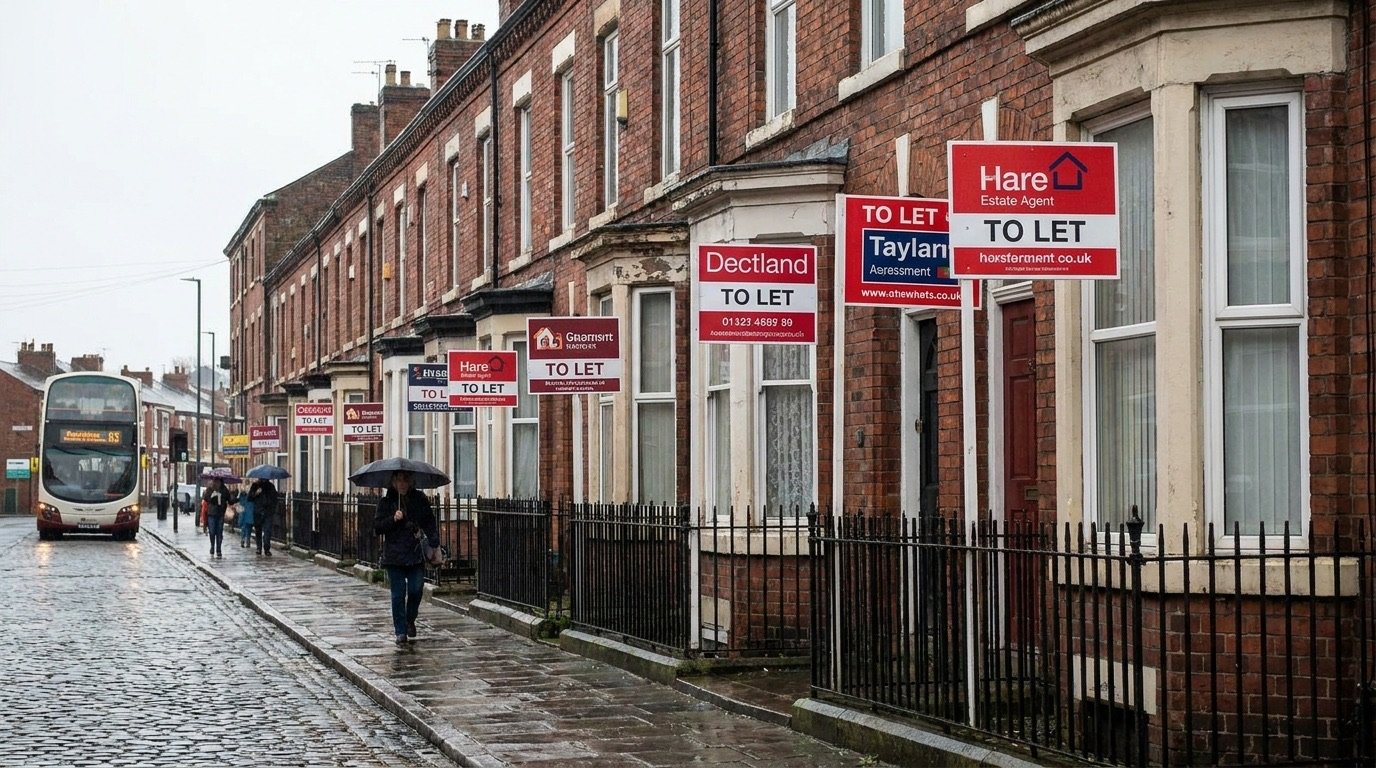
The average rent on a new tenancy in the UK has reached £1,321 a month, a rise of 2.1% or about £30 over the past year, according to Zoopla's latest rental market report. On the surface that looks like the gentlest increase in years, but the headline number disguises a far less comfortable reality for many renters.
The pain is concentrated where budgets are tightest. Areas with rents below £750 a month are seeing increases of nearly 5%, roughly double the national rate, while the priciest postcodes above £1,250 are growing at or below the average. In other words, the people with the least room to manoeuvre are facing the steepest rises.
That divergence is the real story behind the data. A single national average can suggest a market that is calming down, but it averages together a cooling at the top with an acceleration at the bottom. For a renter in a low-cost area, the experience of the past year has been anything but gentle, and the slowdown reported in the headlines may feel like it belongs to someone else's housing market.
A patchwork map of winners and losers
Regionally the picture is wildly uneven. Carlisle, Kilmarnock and Halifax lead the increases with rises between 6.5% and 9%, while Birmingham, Nottingham and Bournemouth have actually seen rents edge down. Excluding London, the average new let costs £1,082, up 2%.
What unites the fastest-rising areas is affordability relative to incomes. When rents start from a low base, even a modest cash increase translates into a large percentage rise, and demand in cheaper markets has been swollen by people priced out of dearer ones nearby. The cities where rents have edged down, by contrast, tend to be those that saw the sharpest increases earlier in the cycle and have now reached the ceiling of what local tenants can pay.
For anyone trying to make sense of the map before a move, a few patterns are worth holding in mind.
- Cheaper areas are rising fastest in percentage terms, so a low advertised rent today may not stay low at renewal.
- Higher-end postcodes are cooling, which can mean more room to negotiate at the top of the market.
- Stripping out London changes the national picture considerably, with the rest of the UK averaging £1,082.
- Regional outliers like Carlisle and Kilmarnock show that local supply and demand can diverge sharply from the national trend.
- A handful of major cities are seeing falls, a reminder that rents do not only move in one direction.
“Rents are rising faster than the national average in 75% of local areas.”
— Richard Donnell, Executive Director of Research, Zoopla
The supply problem behind the numbers
Donnell points to a structural shortage as the root cause, with around a quarter fewer rental homes available than before the pandemic. That scarcity is the engine driving rents upward even as the rate of increase slows: when there are far more would-be tenants than available properties, landlords hold the whip hand on price, and competitive bidding for desirable homes becomes the norm rather than the exception.
Several forces have thinned the supply of rental stock. Some landlords have sold up in the face of higher mortgage costs and a shifting tax and regulatory landscape, while others have moved properties into the short-let market. New building has not kept pace with demand, and the result is a private rented sector that is structurally tighter than it was a few years ago. Until that imbalance eases, upward pressure on rents is likely to persist regardless of what the headline growth rate does in any given quarter.
What renters can do about it
For renters, the takeaway is to widen the search radius where possible and to weigh up staying put, given that sitting tenants are often shielded from the sharpest moving costs. The gap between the rent on a new tenancy and what an existing tenant pays can be considerable, which means a move that looks like an upgrade can quietly become an expensive one once the higher market rate is applied.
Flexibility on location is the single biggest lever most renters have. Looking a few stops further out on a transport line, or considering a neighbouring town where rents start from a lower base, can open up options that a narrow search would miss, though it pays to remember that some of those cheaper areas are exactly where rents are rising fastest. Timing matters too, as the market tends to be busiest and most competitive over the summer.
What happens next
The near-term outlook depends largely on whether supply recovers. Most analysts expect the slowdown in headline rent growth to continue gradually, but few foresee outright falls across the board while the shortage of available homes persists. The likeliest scenario is more of the same uneven picture, with cheaper areas continuing to bear the brunt.
For households planning a move in the coming months, the practical message is to budget for the market rate rather than the headline average, to negotiate harder at the top end where landlords have less leverage, and to think carefully before giving up a tenancy where the rent has lagged behind the wider market. In a sector this tight, the cost of moving is often the cost that the headline figure conveniently leaves out.
Referenced coverage: Our reporting and analysis draws on coverage first reported by Zoopla. The NE Times publishes original reporting and independent analysis written by our editorial team. We credit and link the outlets whose primary reporting informed this article.
The NE Times is an independent news and analysis publisher. Our articles combine factual reporting with clearly-written, impartial analysis. Content is for general information and does not constitute professional advice. Disclaimer.
You may also like to read
UK house prices fall for first time this year as north-south divide widens
A surprise monthly drop reported by Nationwide has confirmed a cooling property market, with prices sliding in the south while northern regions and the devolved nations continue to climb.

Aldi named the UK's cheapest supermarket for the fifth month running
A Which? basket of 95 everyday groceries cost almost 40% less at Aldi than at Waitrose in May, with Lidl close behind in the race for shoppers' pounds.

Trump calls off housing bill signing and blindsides Republicans
The president abruptly scrapped a planned ceremony for a bipartisan housing bill, surprising allies who had hailed it as a win.
Energy bills set to jump 13% in July as price cap climbs back above £1,860
Households face a £221 increase in typical annual energy costs from 1 July after the regulator confirmed a 13% rise in the price cap, driven by higher wholesale gas prices linked to renewed conflict in the Middle East.