Ancient Tyre Counts the Cost as Fragile Lebanese Ceasefire Holds
The Unesco-listed port city is trying to rebuild after weeks of Israeli airstrikes, but residents remain wary that the latest pause in fighting will last.
Marcus Reeve
Writer ·
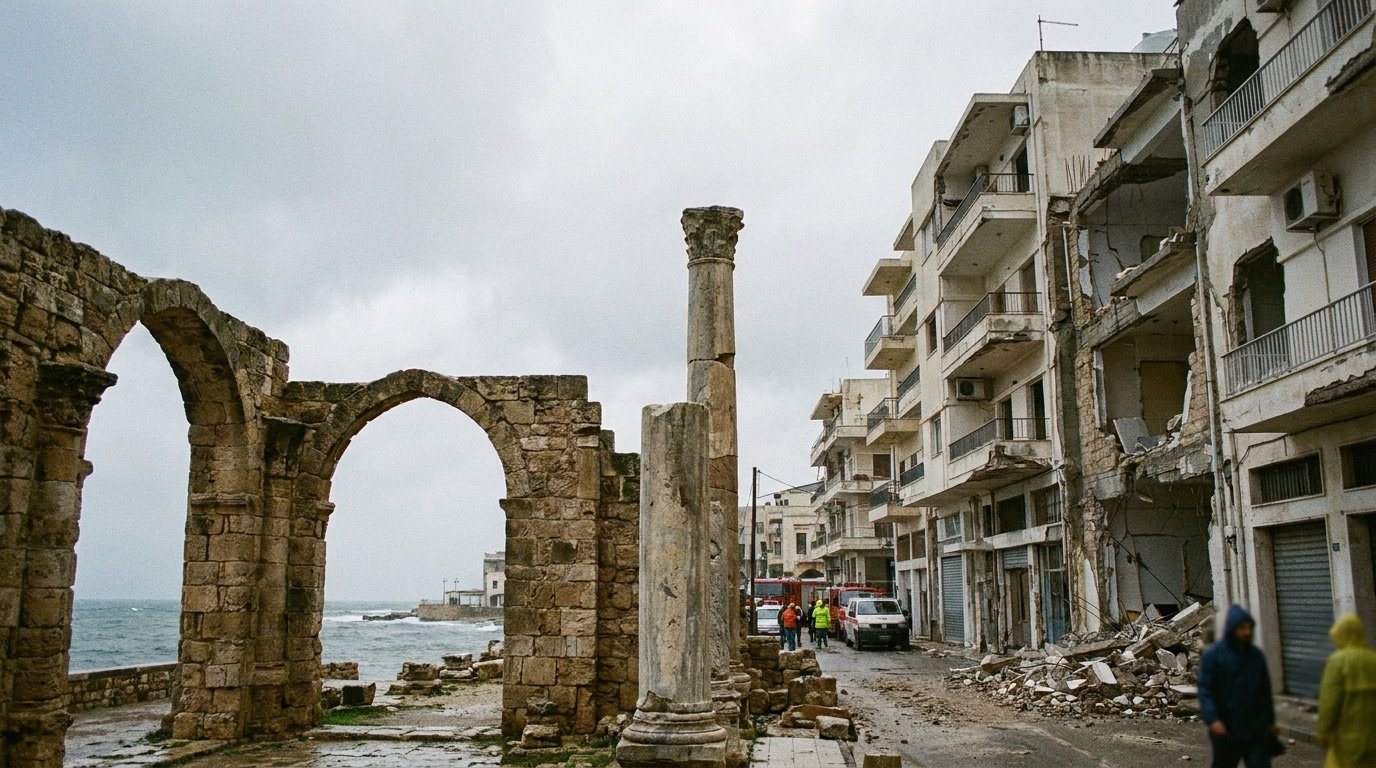
Lebanon's ancient coastal city of Tyre is struggling to recover after weeks of Israeli airstrikes left residents displaced, fearful and uncertain whether a new ceasefire will endure.
A Unesco World Heritage site layered with Roman and Phoenician history, Tyre has been drawn into the wider Israel-Hezbollah conflict that intensified in the wake of fighting between Israel and Iran.
Israeli forces say their strikes targeted Hezbollah positions. Residents describe something broader: a city in which daily life, commerce and heritage have all been shaken.
A city on edge
Reporting from Tyre describes damaged neighbourhoods, hospitals stretched thin and families reluctant to return fully despite a period of relative calm. Many of the displaced have sought shelter within the city itself.
Israeli military positions to the south continue to cast a shadow over the truce, and the recent history of collapsed ceasefires helps explain why quiet has not yet hardened into confidence.
Damage beyond the buildings
The harm is not only structural. Tyre's identity as a heritage city rests on tourism, fishing, its markets and its historic sites. When conflict reaches that landscape, the consequences ripple through livelihoods and collective memory as well as masonry.
For shopkeepers and fishing families, the calculation is stark: whether it is safe enough to reopen, rebuild and resume.
Watching the wider talks
Residents are following US-Iran discussions and Lebanon-Israel negotiations for any sign of a more durable pause. Their attention reflects a hard-won lesson that announcements of diplomacy do not always translate into safety on the ground.
“Even when major powers talk of peace, it is the cities closest to the fighting that count the damage street by street.”
Tyre's predicament captures the human cost of regional escalation, in which the places nearest the front line are left to measure recovery one block at a time.
Referenced coverage: Our reporting and analysis draws on coverage first reported by Associated Press. The NE Times publishes original reporting and independent analysis written by our editorial team. We credit and link the outlets whose primary reporting informed this article.
The NE Times is an independent news and analysis publisher. Our articles combine factual reporting with clearly-written, impartial analysis. Content is for general information and does not constitute professional advice. Disclaimer.
You may also like to read
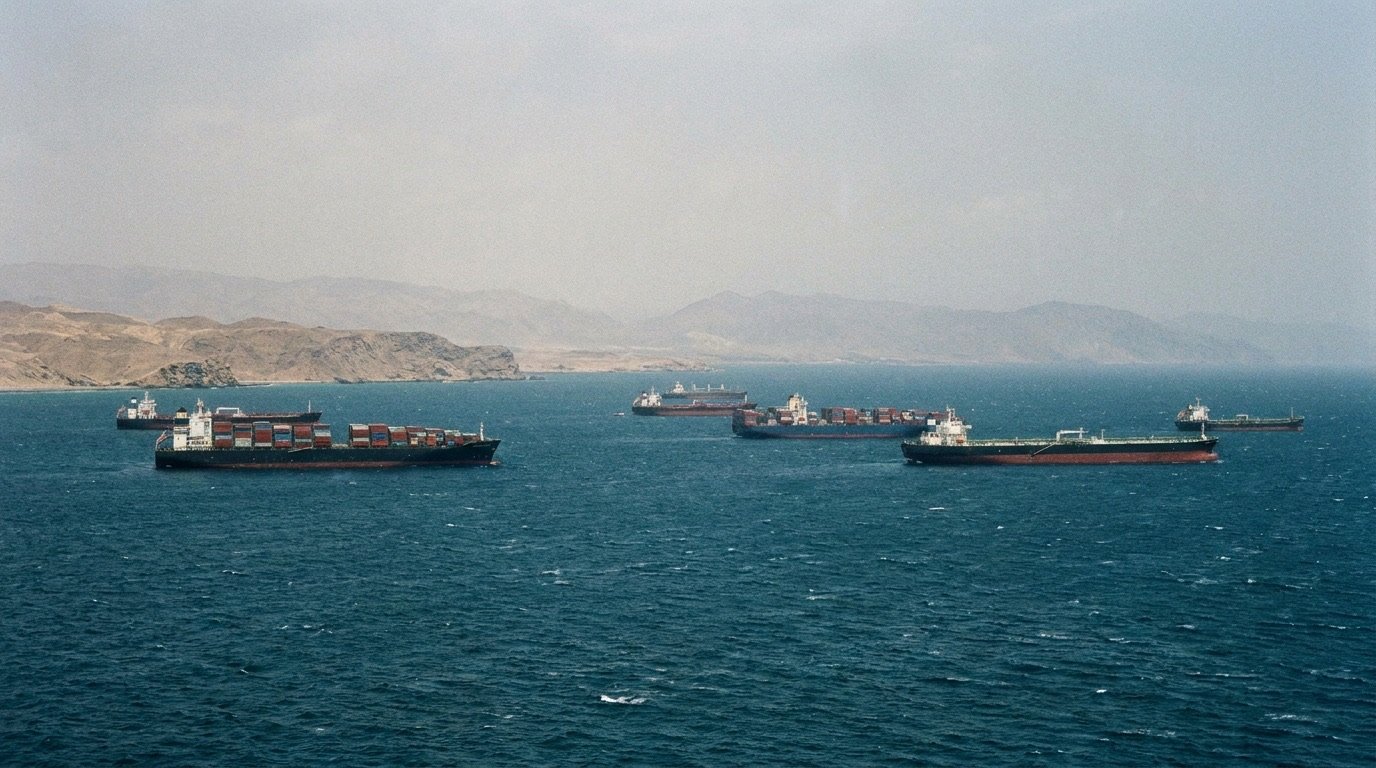
Iran and US agree memorandum to end war and reopen Strait of Hormuz
Mediators say a 14-point understanding, due to be signed in Switzerland, would end more than 100 days of fighting, lift the US naval blockade and extend a ceasefire that reaches into Lebanon.
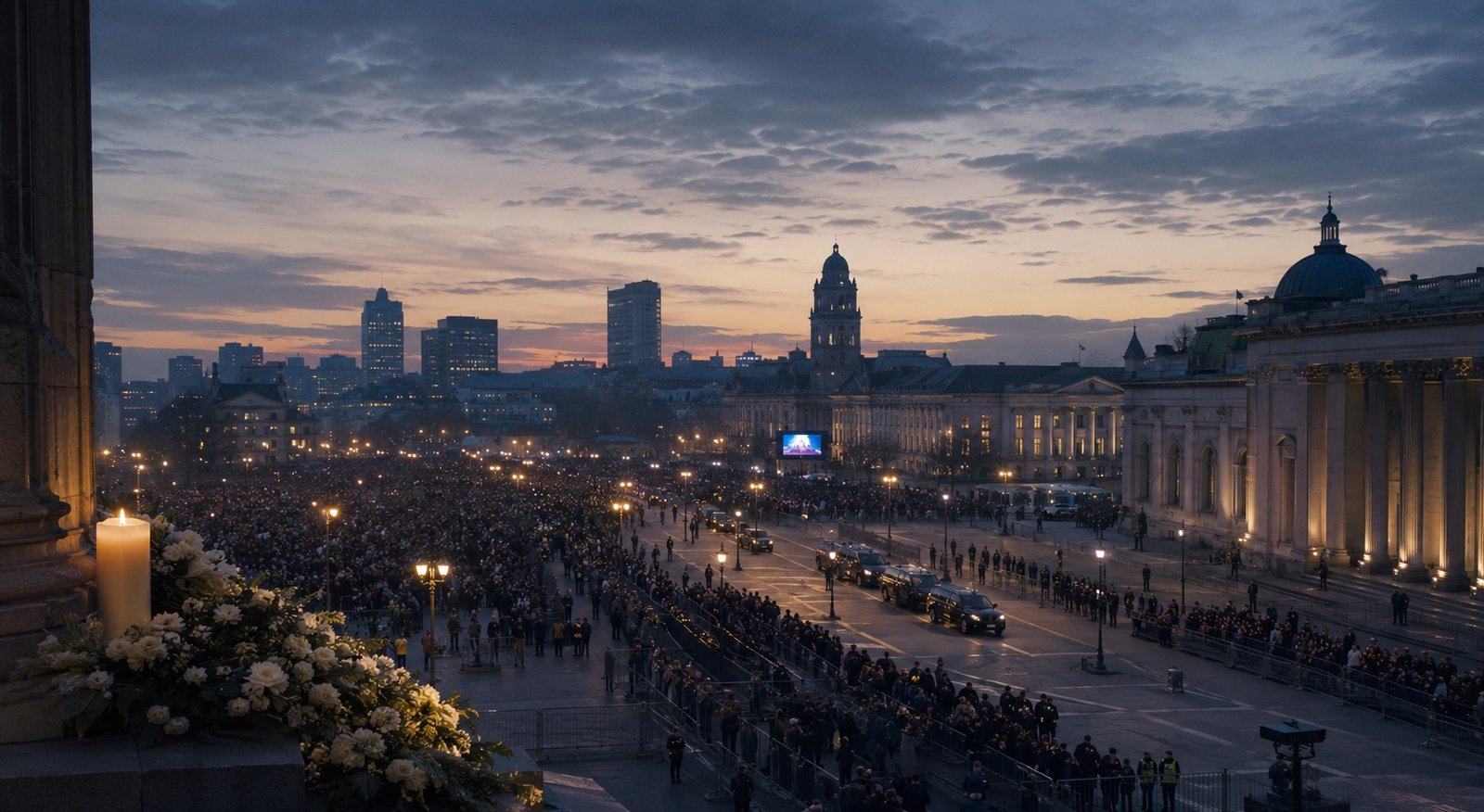
Khamenei's Funeral Turns National Mourning Into a Test of Iran's Political Continuity
Iran's state funeral for Ayatollah Khamenei is more than ceremony: a managed display of continuity amid war, succession doubt and fragile diplomacy.

Former Israeli Security Figures Urge Inquiry Into Possible Gaza War Crimes
More than 30 ex-officials reportedly called on the attorney general to investigate alleged war crimes in Gaza, adding pressure on accountability from voices with national-security backgrounds.
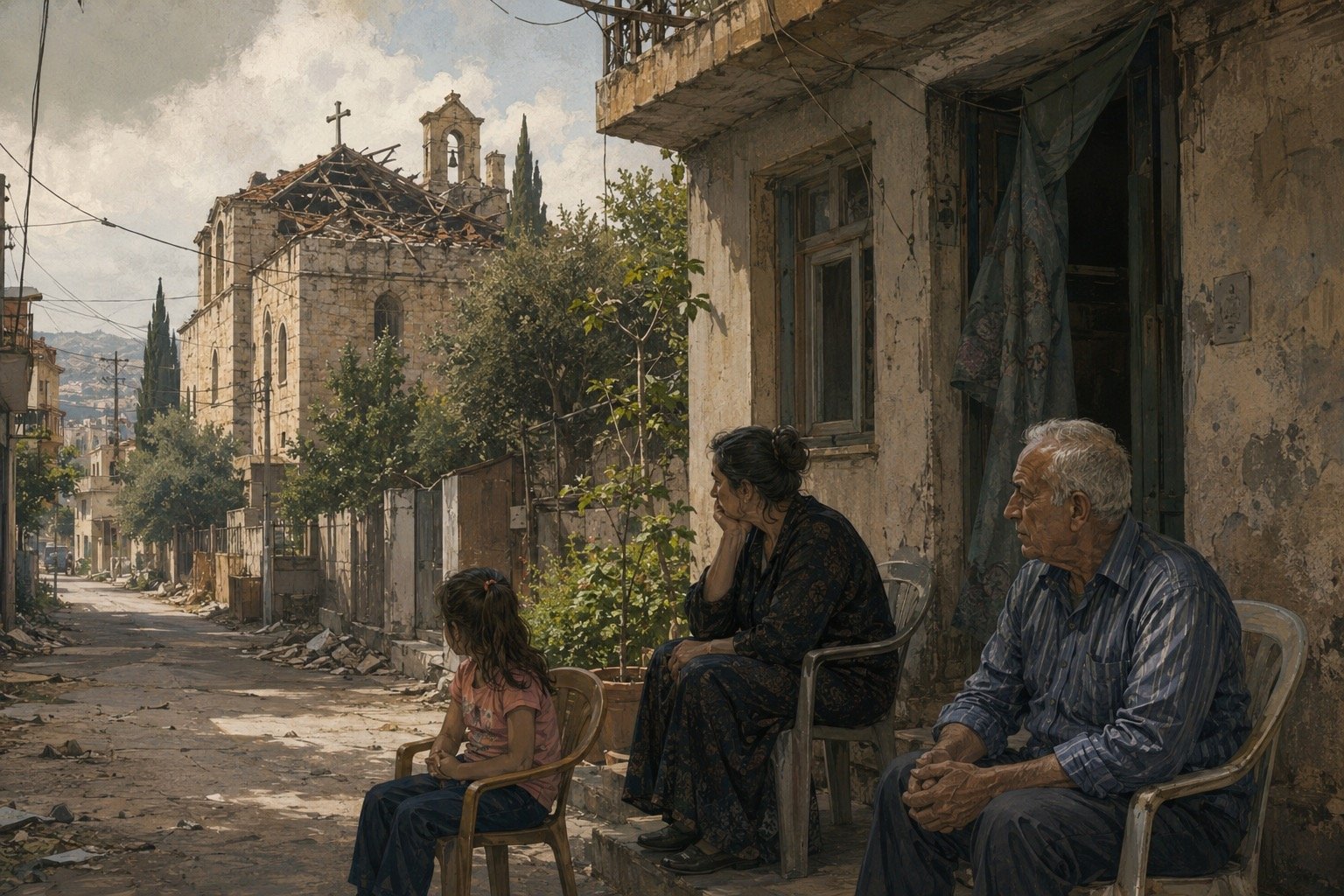
Lebanon Border Communities Live With Fear and Rising Tensions
Residents near Israel's occupation zone describe damaged community spaces and growing unease in southern towns such as Jdeidat Marjayoun.