Scotland's travelling support becomes the World Cup's feel-good story across the United States
The Tartan Army's good humour and colour have been hailed as a reminder of football's shared joy, offering a warm counterpoint to wider rows over ticket costs and tournament politics.
Daniel Fletcher
Writer ·
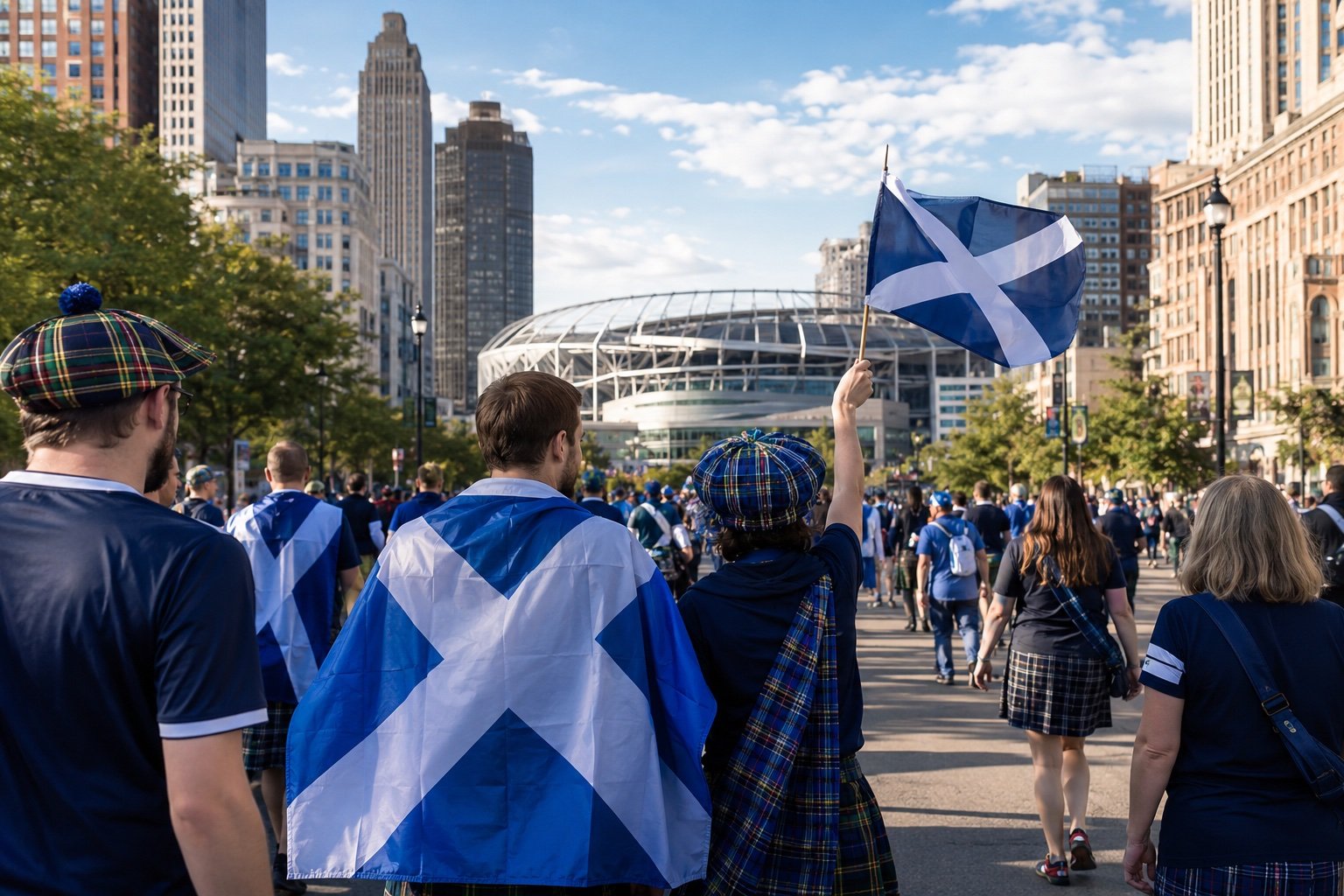
Scotland's supporters have emerged as one of the genuine feel-good stories of the World Cup, their travelling presence across the United States winning praise as an example of football at its most joyful. Amid a tournament shadowed by disputes over pricing and politics, the Tartan Army has offered a refreshing reminder of why fans matter.
From city squares to stadium concourses, the colour, songs and good nature of the Scottish following have become a recurring highlight, drawing warmth from neutrals and locals alike.
A welcome contrast
While much of the coverage around the tournament has focused on commercial pressure and administrative wrangling, the behaviour of Scotland's fans has cut through as something simpler and more uplifting. Their celebrations have been less about results than about the experience of being there at all.
In a competition that can feel increasingly corporate, that spirit has resonated.
Why it strikes a chord
The appeal of the Scottish support lies in its accessibility, a reminder that the heart of the game still beats in the stands.
- Atmosphere: singing and colour that lift the mood of host cities.
- Goodwill: friendly interactions with locals and rival fans.
- Authenticity: a fan culture built on enjoyment rather than entitlement.
- Contrast: a human counterpoint to debates over money and politics.
“Sometimes the best advert for the game is not a goal or a trophy, but a crowd determined simply to enjoy themselves.”
Background
Scotland's relationship with major tournaments has long carried a particular romance, with the travelling support famed for turning trips abroad into communal celebrations. Their presence at the expanded 2026 finals has continued that tradition on an unfamiliar but receptive stage.
What happens next
As the tournament rolls on, the question is whether the goodwill can be sustained and whether the on-pitch fortunes of the team will match the spirit in the stands. Either way, the Tartan Army has already left a mark that the wider controversies have struggled to dim.
Referenced coverage: Our reporting and analysis draws on coverage first reported by The Guardian. The NE Times publishes original reporting and independent analysis written by our editorial team. We credit and link the outlets whose primary reporting informed this article.
The NE Times is an independent news and analysis publisher. Our articles combine factual reporting with clearly-written, impartial analysis. Content is for general information and does not constitute professional advice. Disclaimer.
You may also like to read
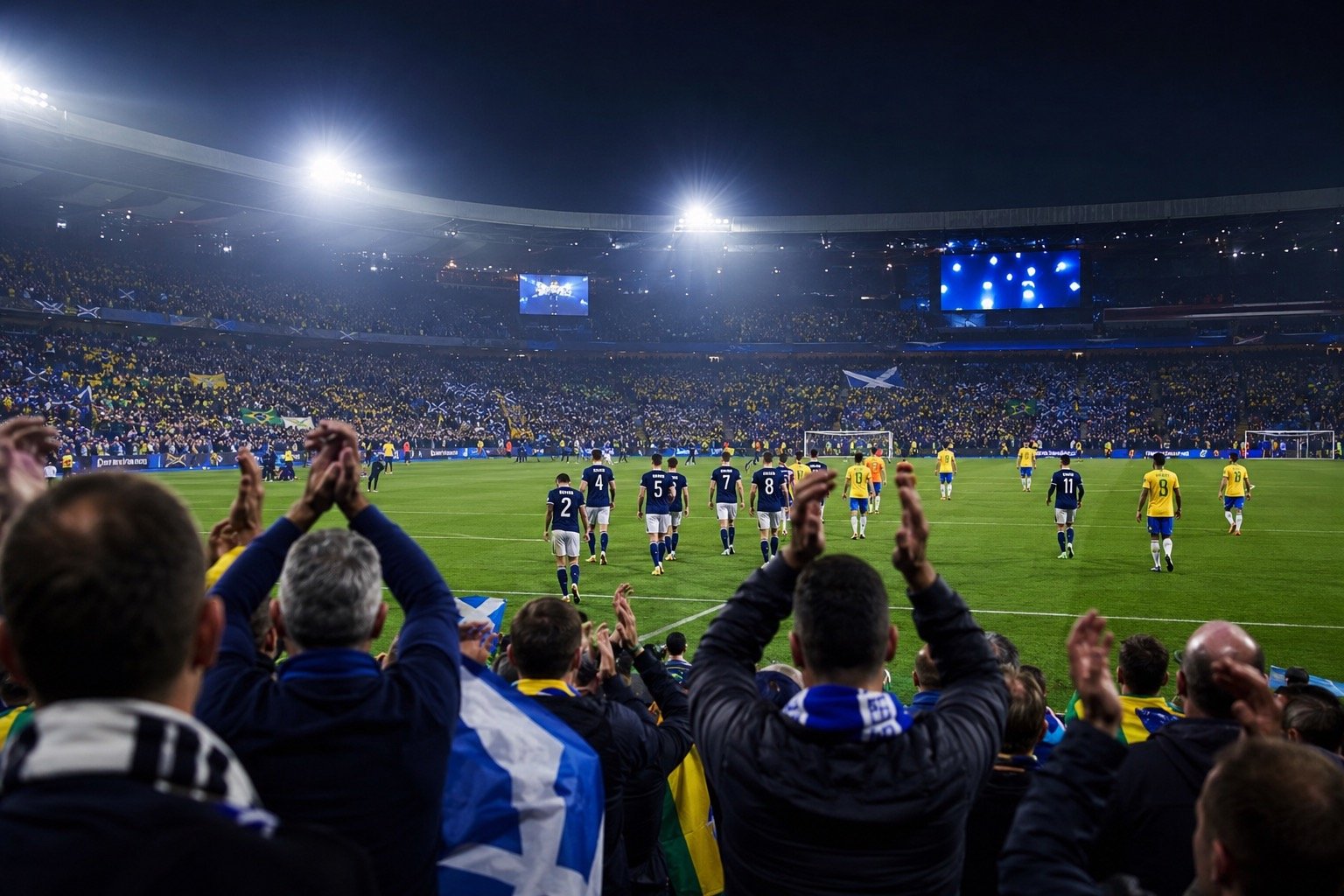
Scotland Face Anxious World Cup Wait After 3-0 Brazil Defeat in Miami
Steve Clarke's side are left relying on results elsewhere after a chastening loss to Carlo Ancelotti's Brazil exposed defensive frailties at the 2026 finals.
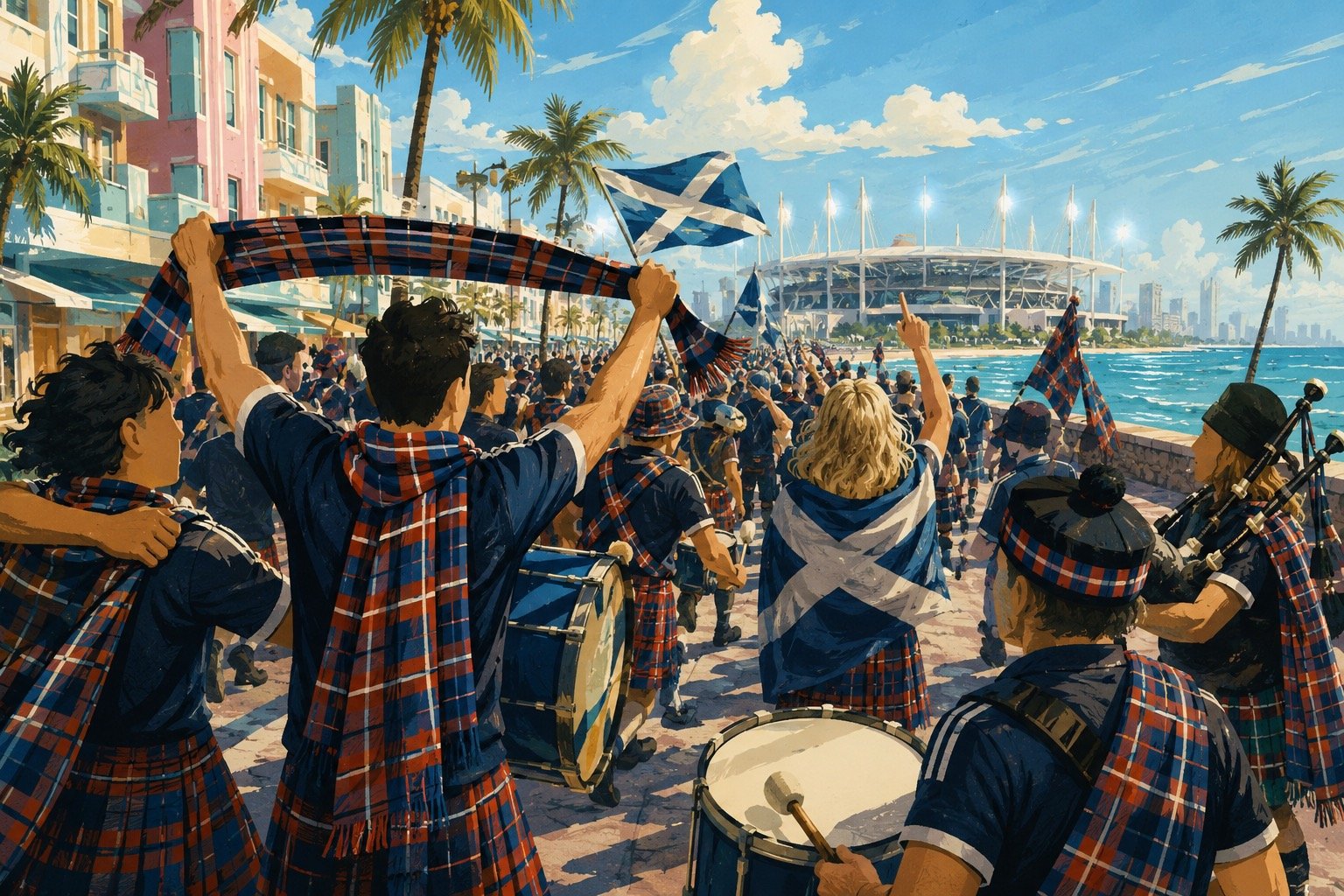
Tartan Army Turns Miami's Ocean Drive Into A Scotland World Cup Party
Scottish supporters transformed Miami's Ocean Drive into a World Cup gathering point before the Brazil game, giving Scotland's campaign a vivid fan-culture dimension of music, travel and national identity.

McGinn ends 36-year wait as Scotland beat Haiti to open World Cup with victory
John McGinn's deflected first-half strike gave Steve Clarke's side a 1-0 win over Haiti in Boston — Scotland's first victory at a World Cup finals since 1990 and a result that briefly put the Tartan Army top of Group C.
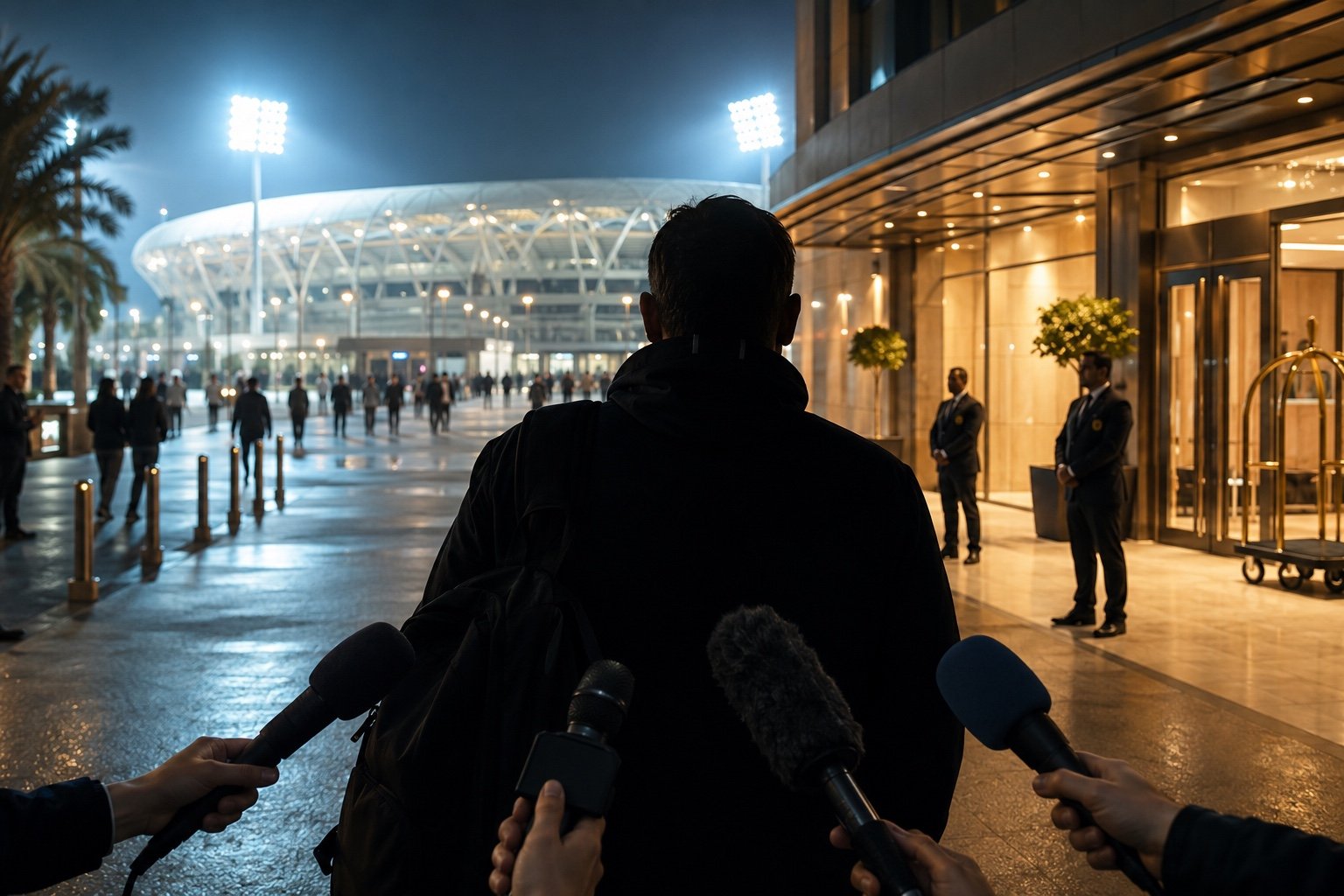
The Hossam Hassan Dallas incident shows how World Cup security is now part of the story
Egypt's coach says a hotel confrontation with Dallas police is resolved — but the episode shows the fragile line between security and football culture.