Qatar Gas Terminal Blast Kills 13 During Restart Work, Reviving Gulf Energy Fears
At least 13 people were killed and dozens injured in an explosion and fire at the Barzan gas facility in Qatar's Ras Laffan industrial zone, as crews worked to bring the plant back online after disruption tied to the recent Iran conflict.
Marcus Reeve
Writer ·
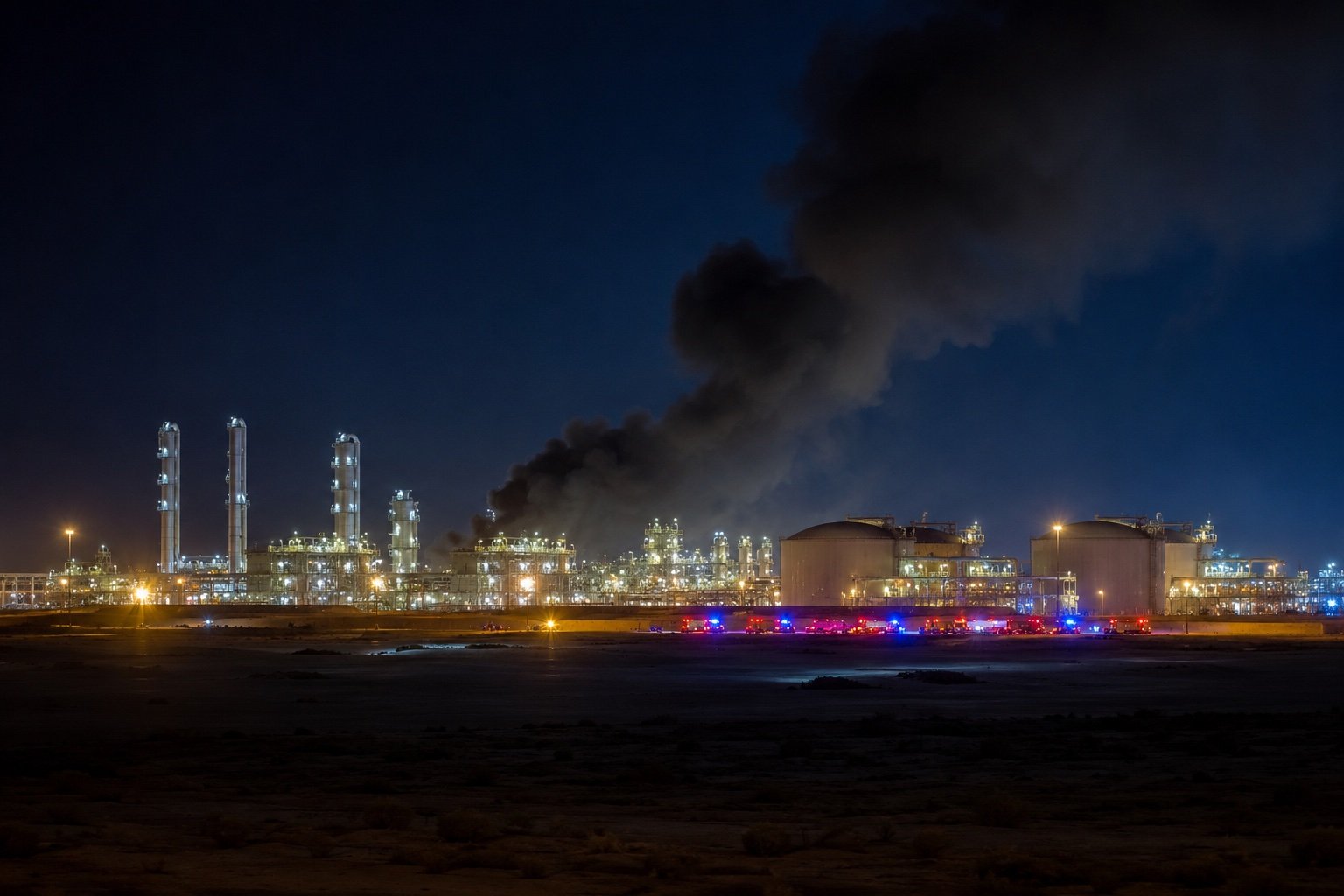
A deadly explosion at Qatar's Ras Laffan industrial area has revived concern over the security of Gulf energy infrastructure, striking just as crews worked to return a key facility to operation. At least 13 people were killed and dozens injured after a blast and subsequent fire at the Barzan gas facility, according to Associated Press reporting based on Qatari officials.
The incident occurred while workers were attempting to restart operations following disruption linked to the recent conflict with Iran and to shipping pressures around the Strait of Hormuz. The timing has compounded the sense of vulnerability around a sector central to the country's economy.
An industrial accident under investigation
QatarEnergy described the event as an industrial accident. Officials cautioned that the full scale of the damage was still being assessed in the immediate aftermath, leaving open questions about the cause and the extent of the destruction.
For now, the priority on the ground is rescue work, the recovery of casualties and a thorough investigation into what went wrong as the plant was being brought back into service.
Why the Barzan facility matters
The Barzan plant forms part of Qatar's critical gas network, a system that underpins far more than exports. It supports domestic power generation and water supply, alongside the country's role as a major supplier of liquefied natural gas to global markets.
“The facility is part of Qatar's critical gas network, a sector that underpins domestic power, water supply and global liquefied natural gas exports.”
Markets watching closely
The disaster threatens to inject fresh uncertainty into energy markets already sensitive to tensions across the Middle East. Any prolonged disruption at a facility of this importance carries implications well beyond Qatar's borders.
For Doha, the task ahead is twofold: managing the human cost of the tragedy while restoring confidence in one of the world's most important gas export systems. How quickly it can do both will shape both the recovery effort and the wider market response.
Referenced coverage: Our reporting and analysis draws on coverage first reported by Associated Press. The NE Times publishes original reporting and independent analysis written by our editorial team. We credit and link the outlets whose primary reporting informed this article.
The NE Times is an independent news and analysis publisher. Our articles combine factual reporting with clearly-written, impartial analysis. Content is for general information and does not constitute professional advice. Disclaimer.
You may also like to read
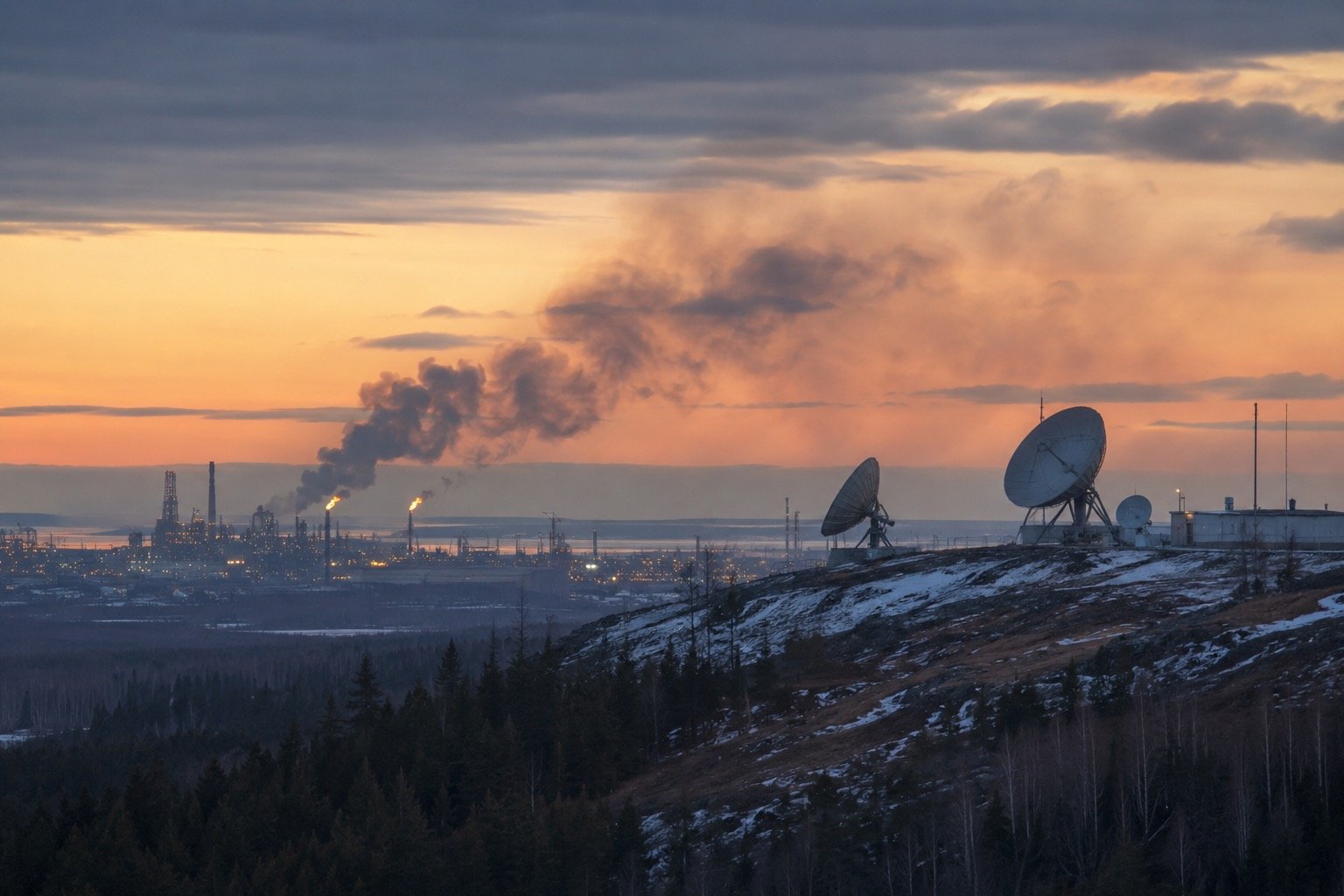
Ukraine says long-range strikes hit Russian gas plant and satellite sites
Kyiv widens its campaign against infrastructure it describes as supporting Moscow's war effort, targeting energy and space-linked facilities.

Rainbow-trimmed robe at World Cup turns rights message into global story
Exiled Qatari doctor Nasser Mohamed used a traditional bisht with rainbow trim to make a peaceful call for equal rights at the tournament.
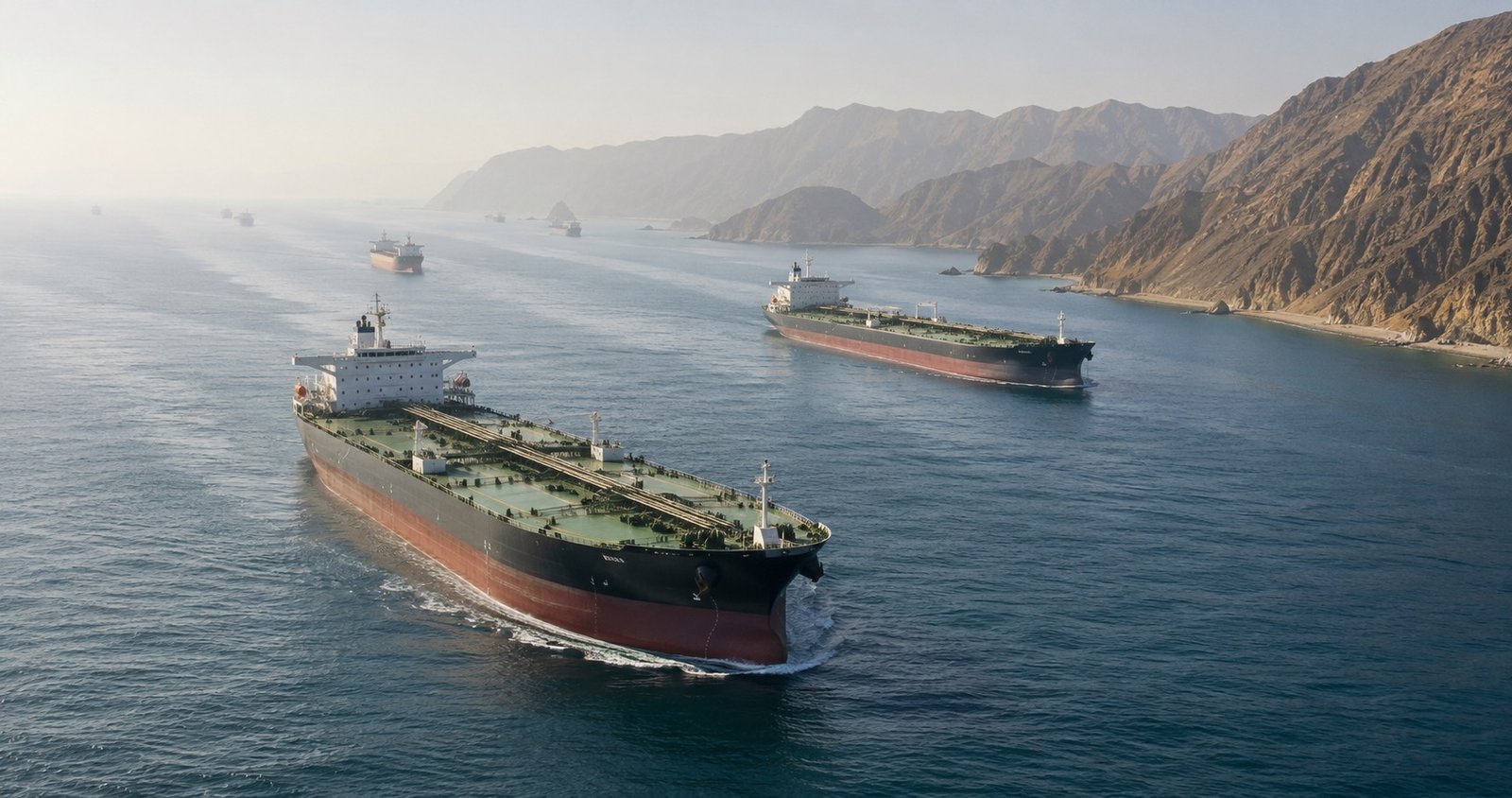
Oil prices ease as more tankers exit the Strait of Hormuz
Brent crude slipped back below pre-war levels as vessel traffic through the strait doubled, calming fears of a prolonged energy crunch.

Qatar's Assim Madibo handed five-match ban for World Cup tackle that broke Kone's leg
FIFA disciplinary action over the challenge that fractured Canada midfielder Ismael Kone's leg becomes one of the tournament's defining safety cases.