One million young people offered MenB jab after deadly meningitis outbreaks
Year 13 pupils and new students will be offered a two-dose meningitis B vaccine from late July, in an emergency programme launched after the UK's largest and fastest-growing MenB outbreak.
Sophie Bennett
Writer ·
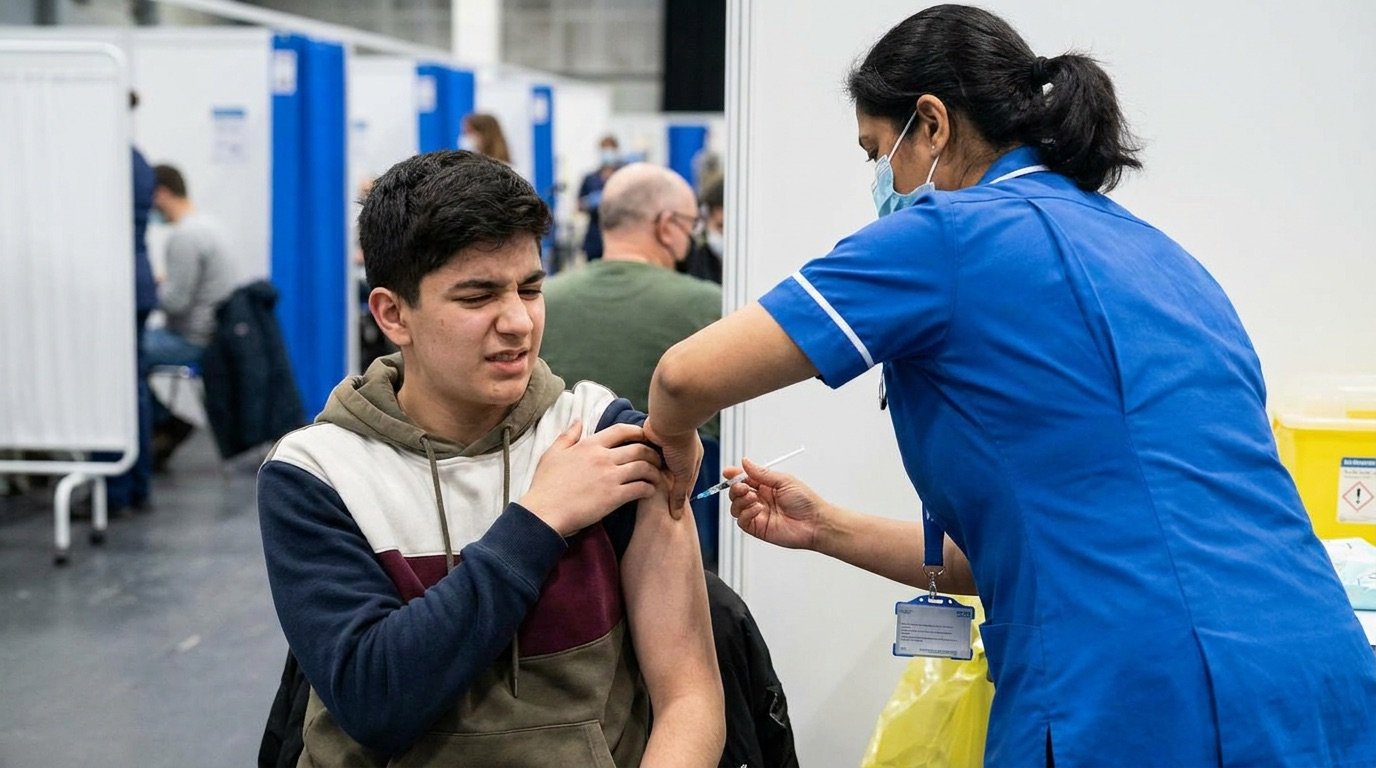
Around one million young people in the UK are to be offered a meningitis B vaccine before the new academic year, in a one-off emergency programme launched after a cluster of outbreaks that health officials describe as the country's largest and fastest-growing to date. Year 13 pupils and many new university and college students will be eligible for two doses, with the first available from late July.
The move follows a series of cases earlier in 2026, including fatalities, that prompted ministers to act ahead of a full review of the evidence by the Joint Committee on Vaccination and Immunisation. Health officials said recent patterns suggested a possible change in the way MenB is affecting people, and that the priority was to protect those at highest immediate risk before the autumn term, when students mix in large numbers in halls and lecture theatres.
This article is general information about a public-health programme and is not medical advice. Anyone worried about meningitis symptoms should seek urgent medical help without delay.
Who is eligible
The programme targets the age groups most exposed as they start higher education and move into shared accommodation. Officials note that students in their first year of university have a risk of meningococcal disease roughly seven times higher than peers of a similar age who do not go to university, largely because of the close contact that comes with campus life.
- Year 13 students in England and Wales, S6 in Scotland and the equivalent year in Northern Ireland
- Undergraduate freshers starting university in autumn 2026
- Students moving into further-education halls of residence for the first time this autumn
- International students within the eligible age range
- Two doses required, given at least 28 days apart
First doses will be offered from late July, with the second dose available from August, and the full course taking around six weeks. Eligible young people can get a first dose up to 31 December 2026 and a second dose up to 31 March 2027, giving flexibility for those who start university slightly later or miss the initial window.
Why officials acted now
The decision to launch ahead of the JCVI's full review reflects the speed and severity of the recent outbreaks. Health leaders judged that waiting for the complete evidence assessment risked leaving a vulnerable cohort unprotected through the high-risk autumn period. The programme is therefore framed as a precautionary, time-limited response rather than a permanent change to the routine immunisation schedule.
Meningitis B can progress with frightening speed, and survivors can be left with serious long-term consequences. That combination of rapid onset and lasting harm is part of why a relatively narrow but high-risk group is being prioritised for emergency vaccination.
“Meningitis can move from mild-seeming symptoms to a medical emergency in hours, so the value of getting eligible young people protected before term starts is hard to overstate.”
— a clinician in public health
Knowing the symptoms
Even with a vaccination programme in place, awareness of the warning signs remains vital, because no vaccine offers complete protection and not everyone will be covered. Meningococcal disease can cause meningitis, an inflammation of the lining around the brain and spinal cord, and septicaemia, blood poisoning. Symptoms can include a high temperature, severe headache, stiff neck, dislike of bright lights, confusion and a rash that does not fade under pressure, though the rash can appear late or not at all.
Health officials urge young people and those around them to trust their instincts and seek urgent help if someone becomes rapidly unwell, rather than waiting for every classic symptom to appear.
Background
MenB is already covered for babies through the routine childhood immunisation schedule, but older teenagers and young adults have not generally been offered it. The new programme addresses that gap for the current high-risk cohort. It was introduced after outbreaks earlier in the year that drew significant public attention and prompted international monitoring of the situation in the UK.
What happens next
Eligible young people will be contacted with details of how to get vaccinated, with delivery expected through a mix of school, GP and university-linked routes. The JCVI's wider review will determine whether any longer-term change to the vaccination schedule is warranted. In the meantime, officials are urging those who qualify to take up both doses as early as possible so that protection is in place before the new term begins.
Referenced coverage: Our reporting and analysis draws on coverage first reported by UK Health Security Agency. The NE Times publishes original reporting and independent analysis written by our editorial team. We credit and link the outlets whose primary reporting informed this article.
The NE Times is an independent news and analysis publisher. Our articles combine factual reporting with clearly-written, impartial analysis. Content is for general information and does not constitute professional advice. Disclaimer.
You may also like to read

Heat-health alert issued as second heatwave grips southern England
The UK Health Security Agency has warned of health risks across London, the South East and parts of eastern and central England as temperatures climb, with older and unwell people most at risk.
MenB jab to be offered to school leavers and new students after Kent outbreak
Health officials have announced a one-off MenB vaccination drive for Year 13 pupils and young people starting university this autumn, following a meningitis outbreak in Kent.

France's heatwave death surge turns climate adaptation into a public health test
Deaths rose 29.1% — 2,025 excess deaths — in France's record June heatwave week, exposing how homes, health systems and cities fail in extreme heat.
Rising child drownings turn summer water safety into a public health priority
Child drowning deaths have climbed since the pandemic, and doctors say the lesson travels: prevention depends on layers of protection, not one glance.