Time Out crowns the new London Museum its top thing to do in 2026
The reborn museum, heading to Smithfield Market with a fresh look and a ceramic pigeon logo, tops Time Out's list of the capital's most anticipated openings.
Sophie Bennett
Writer ·
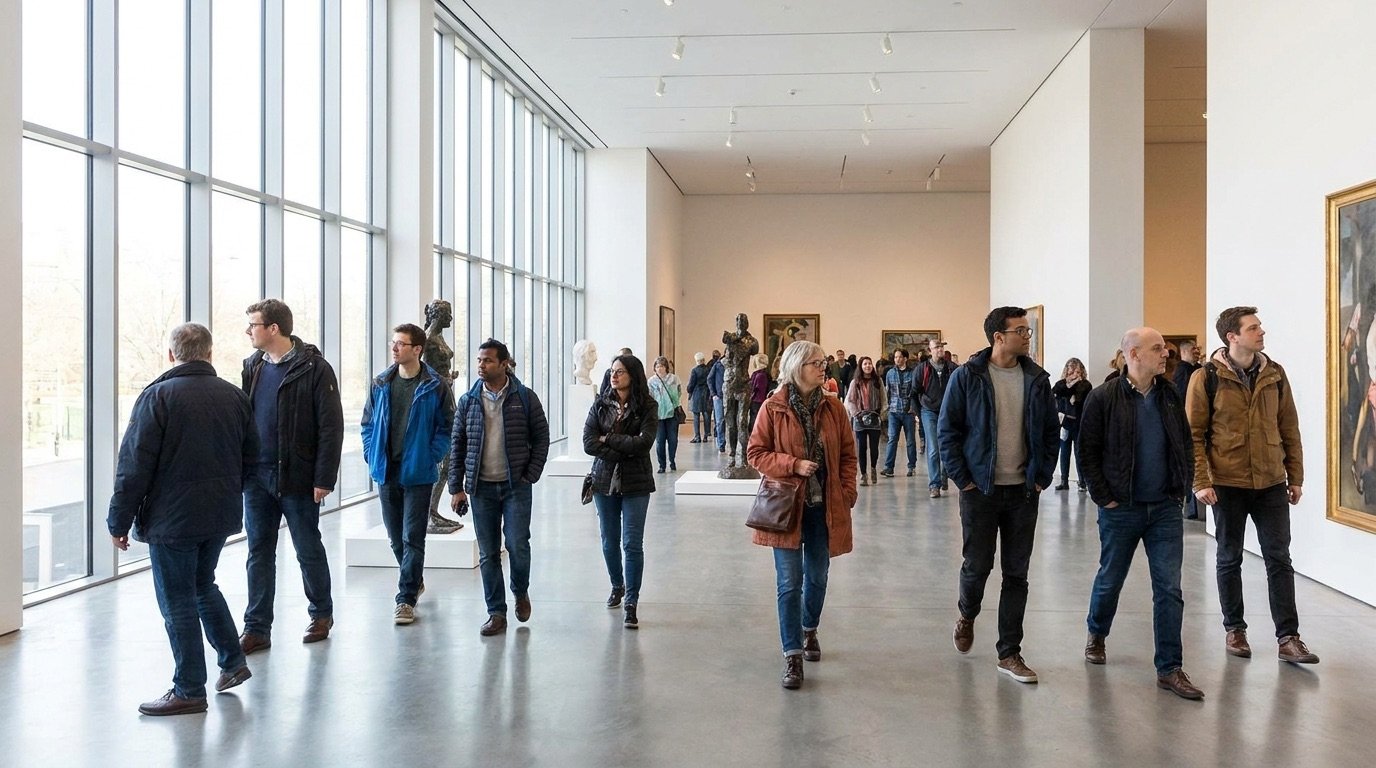
After more than three years away, London's biggest museum about the city itself is preparing for a dramatic return, and Time Out has named it the single best new thing to do in the capital in 2026. The accolade caps a long and carefully managed transformation that has kept Londoners waiting and cultural commentators speculating about what the institution will look like when it finally throws open its doors.
The institution, formerly known as the Museum of London, closed its old home at London Wall back in December 2022. Its long-awaited successor, the London Museum, is set to open in a new base inside the historic Smithfield Market towards the end of the year, timed to coincide with its 50th anniversary.
The relocation is among the most ambitious cultural projects the city has seen in years, repurposing a cluster of Victorian market buildings that have stood at the heart of London life for centuries into a museum designed to tell the story of the metropolis to a new generation.
What to expect from the new home
The redevelopment has been roughly a decade in the making, transforming the Victorian market buildings into a modern visitor attraction. Highlights are set to include an underground gallery in the former Great Northern Railway depot and a large window in the old salt store, where visitors will be able to watch trains rumble through nearby Farringdon station. The architects have sought to preserve the character of the original structures while opening them up to the public for the first time in their history.
- A new home in the historic Smithfield Market
- An underground gallery in the old railway depot
- A window onto trains passing through Farringdon
- A bold rebrand featuring a ceramic pigeon logo
The makeover also brings a fresh identity, with a cheeky new ceramic pigeon logo and a stated aim to connect visitors with the London of today rather than treating the city's story as a museum piece. The pigeon, a ubiquitous and faintly irreverent symbol of urban life, signals the museum's intention to be playful and accessible rather than stuffy or reverential.
Curators have spoken of wanting the museum to feel like a living part of the city, reflecting the experiences of ordinary Londoners alongside the grand sweep of history. The new spaces are designed to draw on the building's industrial past, with the rhythm of passing trains and the bones of the old market becoming part of the visitor experience rather than something to be hidden away.
The scale of the project has been considerable, drawing on public funding, philanthropic donations and the expertise of architects and conservation specialists tasked with marrying old and new. The aim throughout has been to create a destination that can hold its own among the capital's world-famous attractions while telling a story that none of them tells quite so directly: the story of London itself, in all its sprawling, contradictory glory.
“We want people to walk out feeling that this is their city, and that its story is still being written.”
— A museum spokesperson
Background and context
Smithfield has been a site of trade for the better part of a thousand years, best known in modern times as London's historic wholesale meat market. As the market's commercial operations wound down and relocated, questions arose over the future of its striking buildings, and the decision to make them the new home of the city's museum was seen as a way of securing their long-term future while opening them to the public.
The original Museum of London, formed half a century ago, built a substantial collection charting the capital's development from prehistory to the present day. The move to Smithfield is intended not just to rehouse that collection but to reimagine how it is presented, with far more of the holdings expected to be on display than was possible at the old London Wall site.
What happens next
For now, the museum is staying tight-lipped about its opening exhibitions, leaving plenty for Londoners to look forward to. But with a striking new setting and a confident new look, Time Out's verdict suggests it could be the cultural highlight of the year. As the opening date approaches, anticipation is likely to build, and the museum's first season will be watched closely as a test of whether its bold reinvention lives up to the billing. For a city that prides itself on constant reinvention, a museum that aims to capture not just London's past but its restless present feels fittingly ambitious, and its success could set the tone for how the capital tells its own story for years to come.
Referenced coverage: Our reporting and analysis draws on coverage first reported by Time Out. The NE Times publishes original reporting and independent analysis written by our editorial team. We credit and link the outlets whose primary reporting informed this article.
The NE Times is an independent news and analysis publisher. Our articles combine factual reporting with clearly-written, impartial analysis. Content is for general information and does not constitute professional advice. Disclaimer.
You may also like to read
Sandra Oh's Misanthrope run brings star power to the National Theatre
Sandra Oh is leading a National Theatre production of The Misanthrope in London from 16 June to 1 August 2026, a sharp reimagining of Moliere's social satire that anchors a high-profile season.
Pont Neuf Cavern turns a Paris bridge into a multisensory artwork
Artist JR has wrapped Paris's oldest standing bridge in a free, cave-like installation of sound, scent and printed rock, open above the Seine until 28 June.
First-of-its-kind Chinese queer museum opens in San Francisco's Chinatown
The new space amplifies Chinese LGBTQ+ artists, sitting at the intersection of cultural memory, migration, identity and public space.
Misan Harriman to step down as Southbank Centre chair after free-speech row
The photographer and filmmaker says his autumn 2026 exit was decided in January, not driven by recent scrutiny of his social media posts.