How Britain gets its next prime minister: the handover process explained
With Sir Keir staying on as caretaker, attention turns to the rules of the Labour leadership contest, the role of the King, and the timetable that will decide who enters No 10.
Eleanor Whitfield
Writer ·
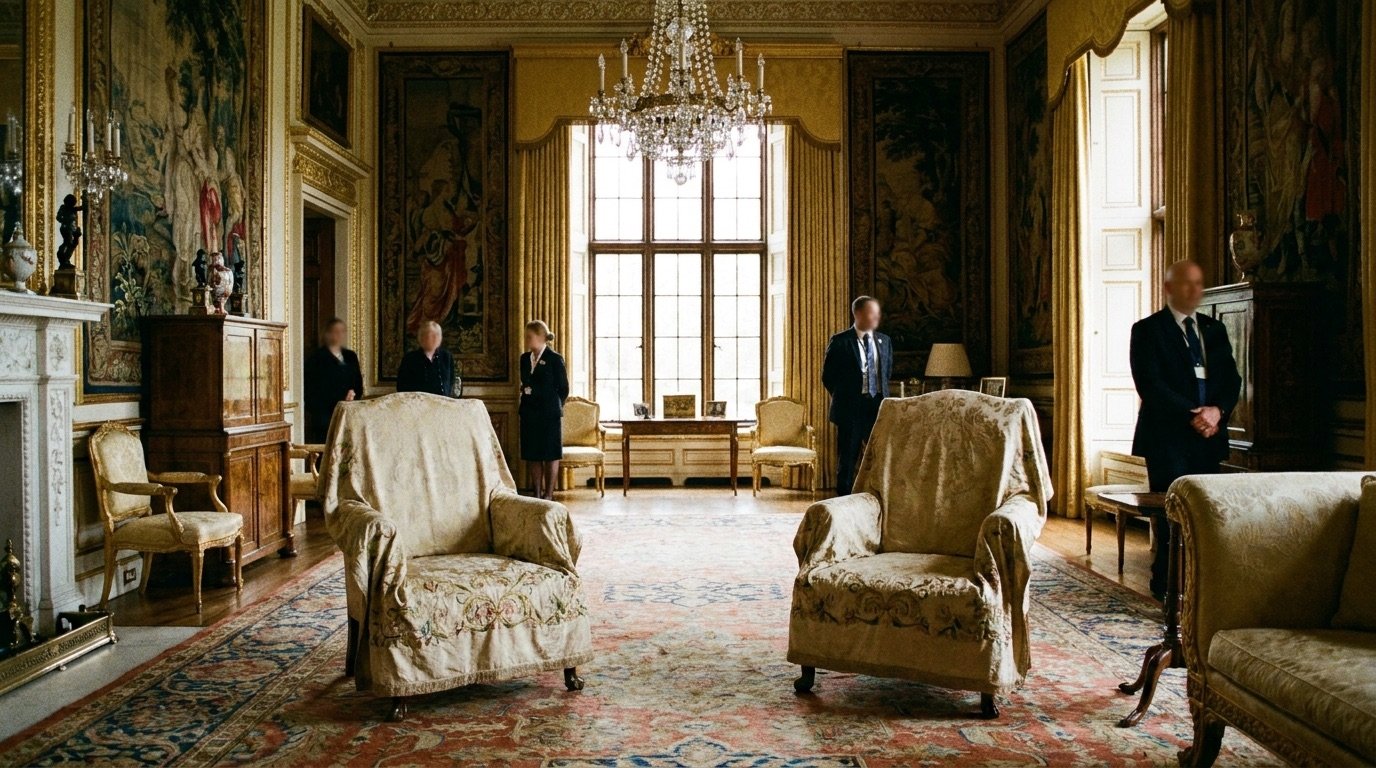
Sir Keir Starmer's resignation does not, by itself, change who lives in Downing Street. Because the prime minister is the leader of the largest party in the House of Commons, the question of who succeeds him is, in the first instance, a matter for the Labour Party. Only once Labour has chosen a new leader will there be a formal change of government, marked by an audience with the King.
Until that point, Sir Keir remains in office as a caretaker prime minister, leading the government but expected to avoid major new commitments while the contest plays out.
The timetable
Labour has set out a clear schedule. Nominations for the leadership are due to open on 9 July and to close on 16 July, when Parliament rises for its summer recess. If more than one candidate qualifies, the contest will run over the summer, with the aim of having a new leader in place before MPs return in September.
To get onto the ballot, a candidate needs the backing of a significant share of Labour MPs, reported to be at least 81, equivalent to a fifth of the parliamentary party. If two or more clear that threshold, the final choice falls to the wider membership in a ballot, with longstanding members able to take part.
“The prime minister remains in office until they resign to the Sovereign, at which point the King invites the person best able to command the confidence of the Commons to form a government.”
The role of the King
The monarch's part in the process is formal but essential. Sir Keir informed King Charles III of his intention to resign on Monday morning, but he will not tender his actual resignation until Labour has a new leader ready to take over. At that moment the King will accept Sir Keir's resignation and invite the new Labour leader to form a government, a sequence designed to ensure the country is never without a prime minister.
This is the convention that has governed every recent change of prime minister between general elections, and it is why an outgoing leader stays on rather than leaving an immediate vacuum at the top of government.
- Sir Keir remains caretaker prime minister until a new Labour leader is chosen.
- Leadership nominations open on 9 July and close on 16 July 2026.
- Candidates need the backing of at least 81 Labour MPs to stand.
- If there is a contest, Labour members decide in a ballot over the summer.
- A new leader is expected to be in place before Parliament returns in September.
Background
The procedure echoes recent Conservative leadership changes, when prime ministers stayed on as caretakers while their parties ran internal contests to choose a successor. The UK has no separate election for prime minister; the office is held by whoever can command the confidence of the Commons, which in practice means the leader of the governing party. Andy Burnham, having won a Commons seat in the Makerfield by-election, is now eligible to stand and is the early frontrunner.
What happens next is the formal opening of nominations in July. If Burnham faces a credible challenger the contest will run into the summer; if rivals stand aside, as some early signals suggested, the party could install its new leader, and the country its new prime minister, considerably sooner.
Referenced coverage: Our reporting and analysis draws on coverage first reported by ABC News. The NE Times publishes original reporting and independent analysis written by our editorial team. We credit and link the outlets whose primary reporting informed this article.
The NE Times is an independent news and analysis publisher. Our articles combine factual reporting with clearly-written, impartial analysis. Content is for general information and does not constitute professional advice. Disclaimer.
You may also like to read
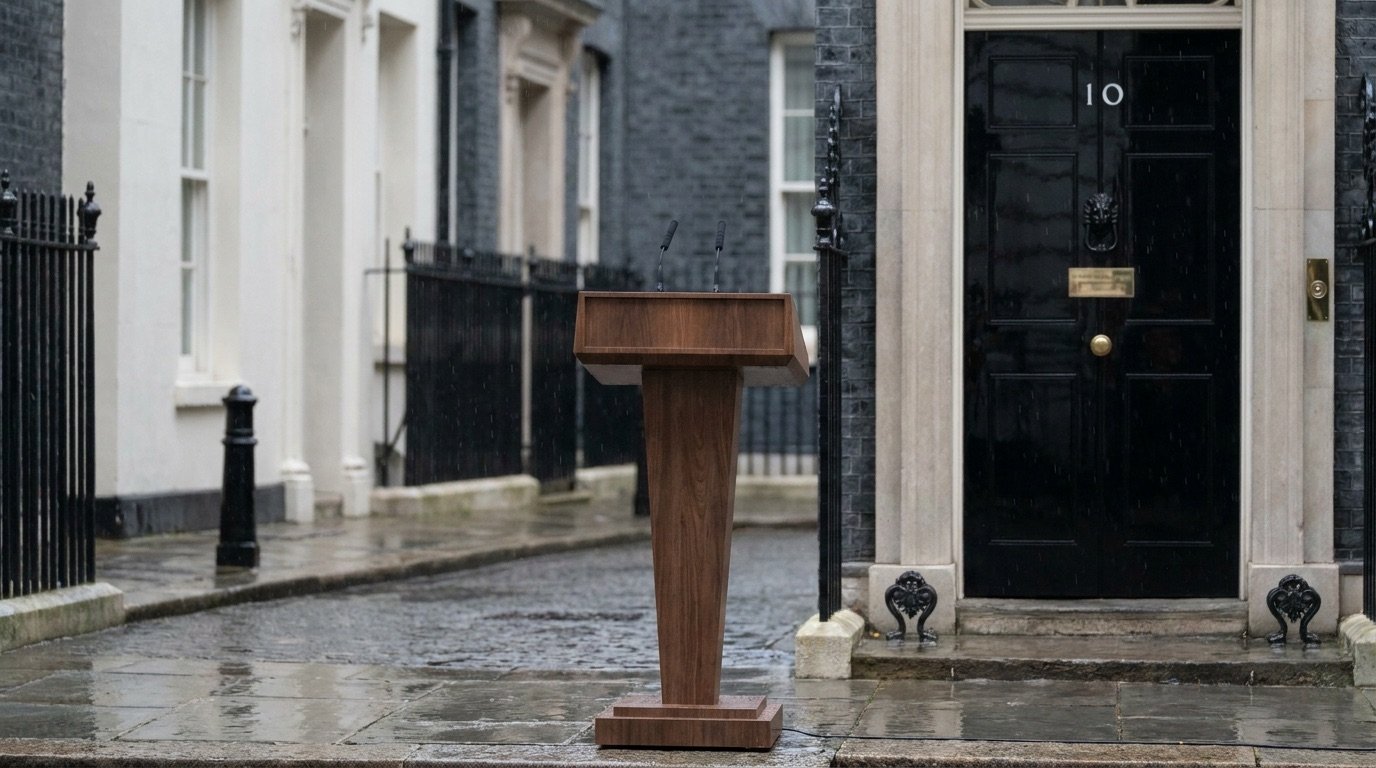
Sir Keir Starmer resigns as Prime Minister, triggering Labour leadership contest
The Prime Minister announced his departure outside Downing Street on Monday morning, ending a turbulent premiership and setting Britain on course for its seventh leader in a decade.
Westminster reacts: Farage demands election as rivals circle after Starmer quits
Reform UK called immediately for a general election and the Conservatives went on the attack, while Labour figures lined up behind the frontrunner to succeed the departing Prime Minister.
Will Britain go to the polls? The election-timing question facing the next PM
Sir Keir Starmer's successor will inherit a Commons majority but no personal mandate — and the frontrunner has already left the door to an early general election ajar.
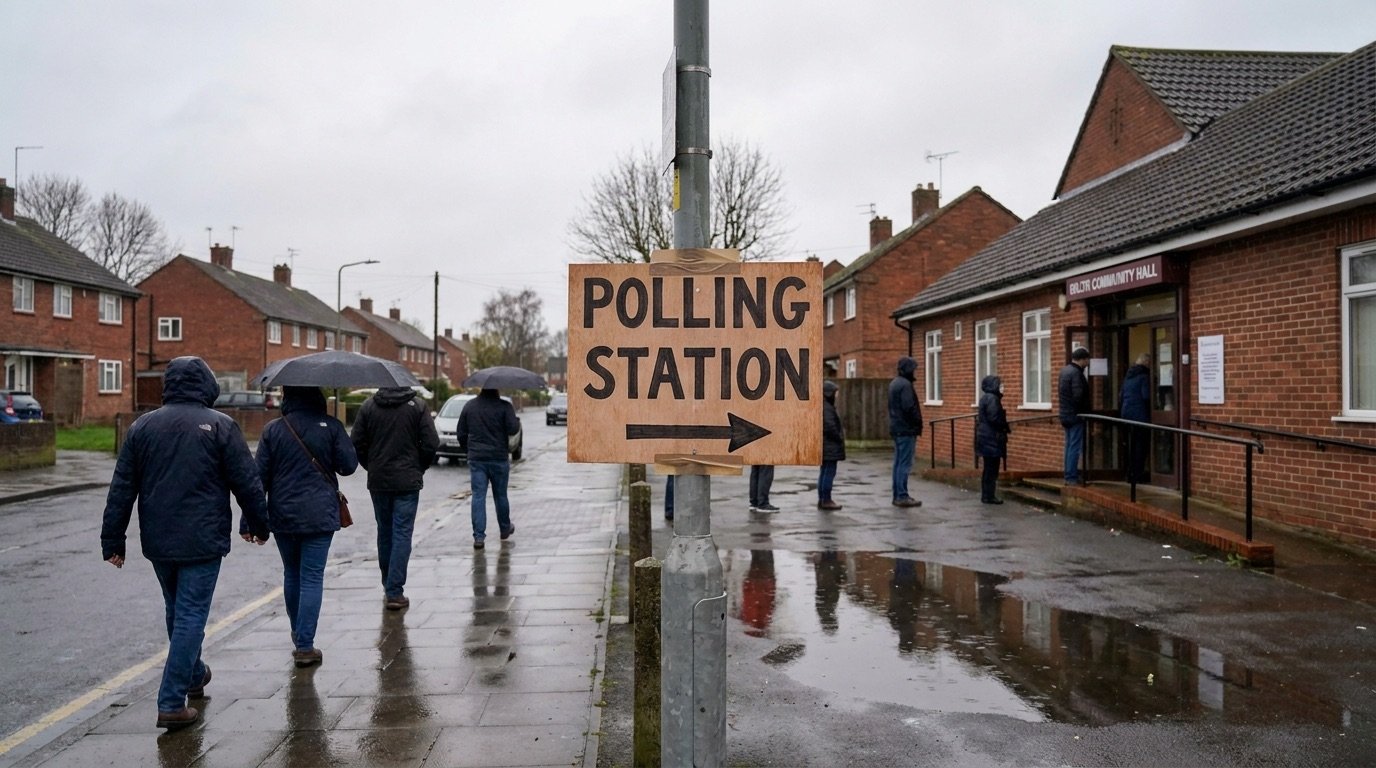
Makerfield goes to the polls in a by-election that could decide Starmer's future
Andy Burnham is seeking a return to the Commons on 18 June, and victory would clear his path to challenge the Prime Minister for the Labour leadership.