The Cure crown a nostalgia-soaked Isle of Wight Festival
Reviews from the 2026 Isle of Wight Festival placed The Cure's headline set at the centre of a weekend built on heritage, scale and communal release, underlining the enduring pull of legacy artists.
Sophie Bennett
Writer ·
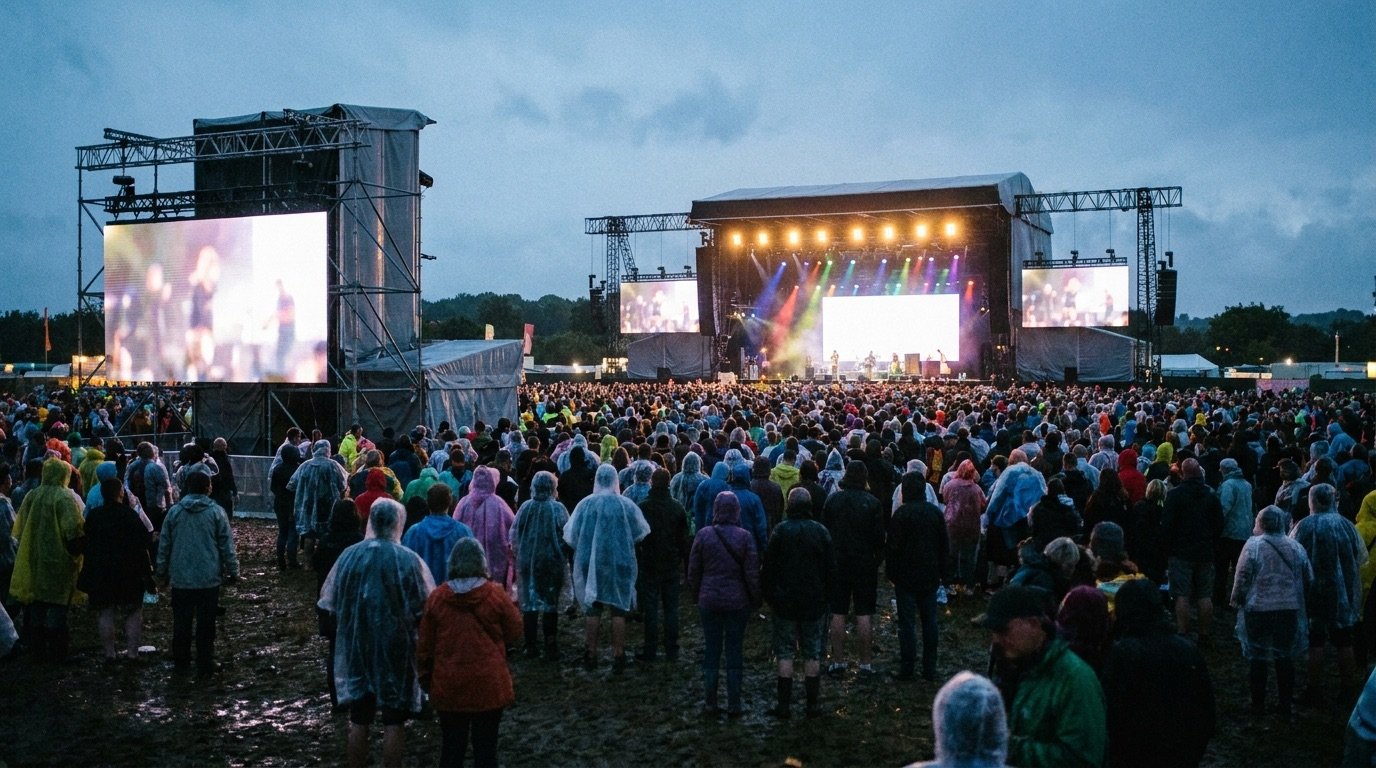
The Cure emerged as the defining act of this year's Isle of Wight Festival, with reviews placing their headline set at the heart of a weekend built on nostalgia, scale and a sense of shared release.
One of Britain's longest-running music events, the festival has often traded on its feeling of continuity. The 2026 edition leaned firmly into that identity, pairing heritage acts with the kind of crowd rituals that make the island weekend feel less like a trend-chasing event and more like a recurring national gathering.
It is an approach that sets the Isle of Wight apart from rivals chasing the buzziest new names, and this year the gamble paid off in the reception that greeted its biggest booking.
A headline set that matched the setting
The Cure's performance was received as the high point precisely because it suited the moment: expansive, emotionally weighty and built around songs that have travelled across generations. The band's knack for commanding a festival field without sanding down their darker edges remains central to their appeal.
Reviewers also noted the wider atmosphere of the weekend, where familiar singalongs and mass participation sat comfortably beside more serious moments of musical craft.
The commercial case for legacy acts
That balance is core to the Isle of Wight brand. The festival does not need to be the newest name on the calendar; it succeeds when it makes long-established acts feel immediate again.
For British live music, the reaction is another reminder of the commercial strength of heritage artists. With festival bills under pressure from rising costs and shifting audience habits, a headliner with deep catalogue loyalty can still anchor an entire event.
That matters at a difficult moment for the sector, in which several smaller festivals have struggled or folded, and promoters are increasingly reliant on a handful of dependable, draw-everything headliners to balance the books.
Why the island still matters
The Cure's set appears to have done exactly that, handing the weekend a defining memory while reinforcing why the Isle of Wight remains a fixture of the UK festival season.
For an event whose identity is rooted in longevity rather than novelty, a headline performance like this is the clearest possible argument for its continued place at the heart of the British summer.
Referenced coverage: Our reporting and analysis draws on coverage first reported by The Independent. The NE Times publishes original reporting and independent analysis written by our editorial team. We credit and link the outlets whose primary reporting informed this article.
The NE Times is an independent news and analysis publisher. Our articles combine factual reporting with clearly-written, impartial analysis. Content is for general information and does not constitute professional advice. Disclaimer.
You may also like to read
Tiny UK Festivals Draw the Crowds During Glastonbury's Fallow Year
With the festival giant on a break, grassroots events offering intimacy and eccentric line-ups are winning over fans seeking a less corporate experience.
Hayley Williams turns her Roundhouse show into a restless solo statement
At a charged London gig, the Paramore frontwoman framed her solo catalogue as a defiantly genre-fluid body of work, moving between rock, pop, R&B and punk energy in a set praised for its intimacy and intent.
Becky Hill answers fans after surprise TRNSMT set draws mixed reaction
Singer responds to reports that sections of the crowd booed when she used a surprise appearance at Scotland's festival to debut new music rather than the familiar hits.
Nottingham's Splendour Festival prepares for its final weekend
Organisers say rising costs and a tougher festival market have made the long-running Wollaton Park event unsustainable.