Iran's footballers granted earlier US entry for World Cup tie after travel-rule complaints
The Department of Homeland Security will let Iran's national team arrive two days before their fixture, easing a tighter restriction that critics said undermined preparation and competitive fairness.
Daniel Fletcher
Writer ·
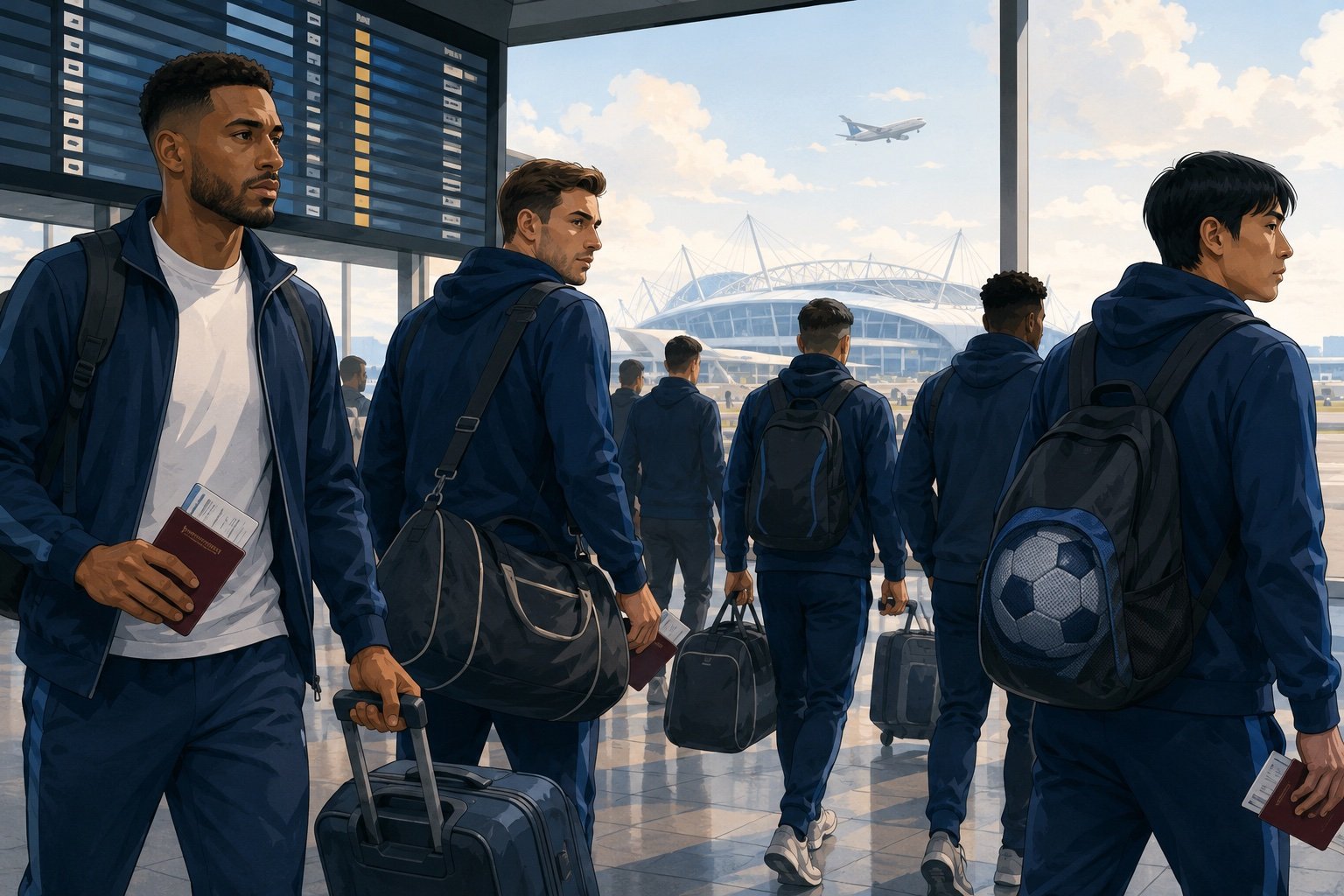
The United States will allow Iran's national football team to enter the country two days before their World Cup fixture, softening a stricter travel rule that had threatened to complicate the squad's preparation. The Department of Homeland Security's adjustment follows complaints that the original limit placed Iran at a competitive disadvantage.
The change is a notable concession at a tournament where geopolitics and logistics have repeatedly brushed up against the football, underlining the unusual challenges of staging a global event across tightly regulated borders.
What the rule change allows
Under the revised arrangement, Iran's players and staff will be permitted to arrive earlier than the previous window allowed, giving them time to acclimatise, recover from travel and train on site before kick-off. Officials had argued that the tighter restriction risked sending Iran into a match underprepared relative to opponents.
For a squad travelling long distances into an unfamiliar environment, those extra hours can carry real sporting significance.
Why it matters for the tournament
Organisers have been keen to project an image of a level playing field, and disputes over access threatened to muddy that message. The concession addresses concerns that administrative hurdles, rather than form on the pitch, could shape results.
- Preparation: additional time to train and adapt to local conditions before the fixture.
- Recovery: a buffer to recover from a demanding international journey.
- Fairness: alignment with the access afforded to other competing nations.
- Logistics: smoother coordination of accommodation, travel and security.
“Teams should be decided by what happens on the pitch, not by how many hours they were allowed on the ground beforehand.”
Background
Hosting the World Cup across the United States has placed immigration and security policy unusually close to the sporting spotlight. Travel restrictions affecting certain nations have drawn scrutiny throughout the build-up, with critics warning that bureaucratic friction could clash with the tournament's promise of open, global competition.
What happens next
Attention now turns to whether similar accommodations will be extended to other squads facing comparable constraints, and how organisers manage the balance between national security requirements and competitive equity as the tournament progresses.
Referenced coverage: Our reporting and analysis draws on coverage first reported by The Guardian. The NE Times publishes original reporting and independent analysis written by our editorial team. We credit and link the outlets whose primary reporting informed this article.
The NE Times is an independent news and analysis publisher. Our articles combine factual reporting with clearly-written, impartial analysis. Content is for general information and does not constitute professional advice. Disclaimer.
You may also like to read
Scotland Face Anxious World Cup Wait After 3-0 Brazil Defeat in Miami
Steve Clarke's side are left relying on results elsewhere after a chastening loss to Carlo Ancelotti's Brazil exposed defensive frailties at the 2026 finals.

Trionda World Cup ball under scrutiny as goalkeepers caught out
Research into the Adidas Trionda's flight suggests the ball can enter a drag-crisis regime, leaving keepers struggling to read its pace at the 2026 World Cup.
Iran protests after Taremi held up at US airport
Iran says footballer Mehdi Taremi and an assistant coach were delayed by US officials at an airport, turning a travel hold-up into a sports-diplomacy row.

Socceroo urges schools and workplaces to screen Australia's World Cup decider
Defender Jason Geria has called for people to be allowed to watch the Socceroos' crucial group finale against Paraguay, with the midday kick-off and a place in the last 32 fuelling national interest.