Councils to distribute new crisis fund as Household Support Fund is replaced
From April 2026 a new crisis and resilience fund replaces the long-running Household Support Fund, offering essentials and cash payments of up to £300 to struggling households.
Eleanor Whitfield
Writer ·
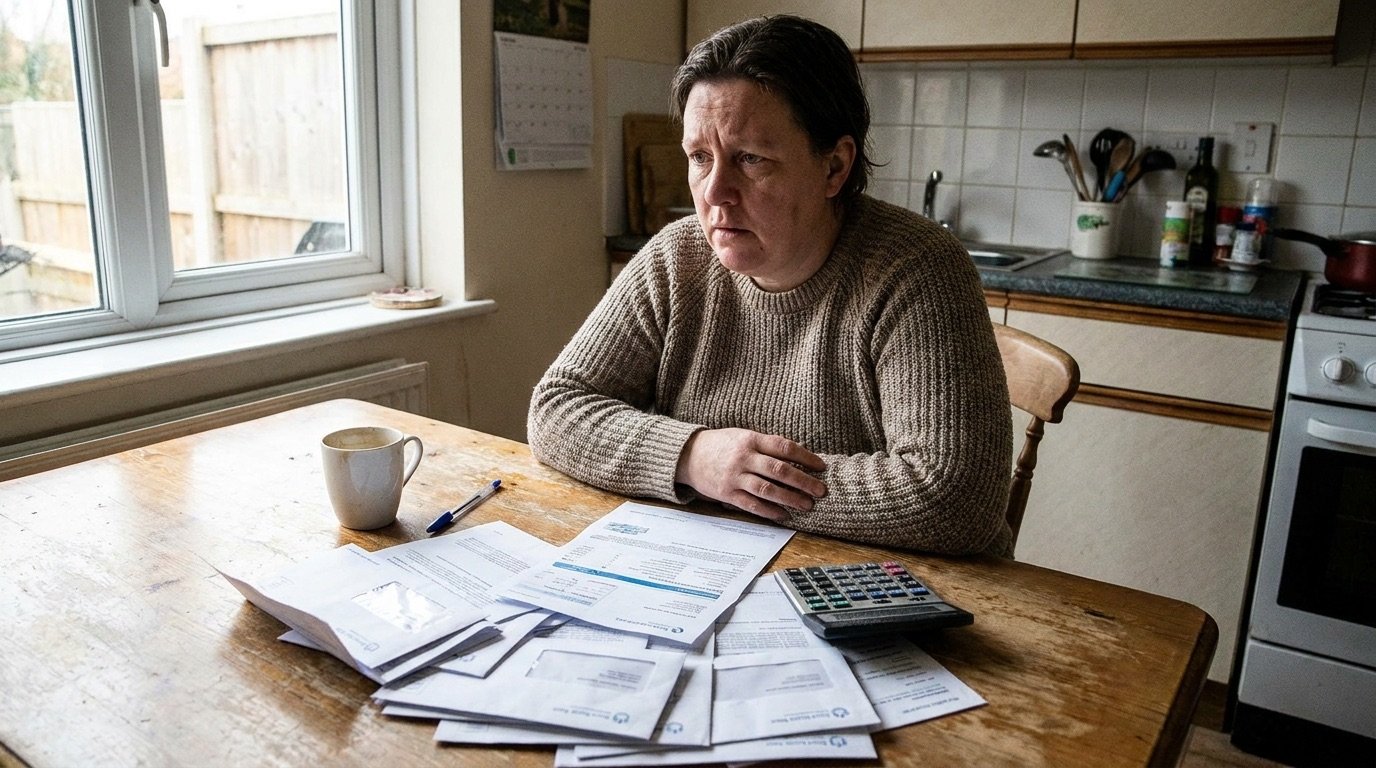
The long-running Household Support Fund, channelled to vulnerable households through local councils, has been replaced from April 2026 by a new crisis and resilience fund, marking a shift in how emergency cost-of-living help is delivered in England. The change ends a scheme that had been repeatedly extended since its introduction and reshapes the way local authorities support struggling residents.
Under the scheme, eligible households can access support including essential appliances, contributions towards utility bills and direct cash payments of up to £300, with local authorities responsible for assessing need and distributing the money. As before, councils retain considerable discretion over how funds are allocated, allowing them to tailor support to local circumstances.
The new fund is intended to focus help on those in acute crisis while also supporting longer-term household resilience, a dual emphasis reflected in its name. How that balance plays out in practice will depend heavily on the choices made by individual councils.
Pressure on household budgets
The change comes amid continuing financial strain for many families. The energy price cap fell to £1,641 for the April to June period, down around £117, while eligible households could still claim a one-off £150 discount through the Warm Home Discount scheme. Even with these reductions, energy and food costs remain substantially higher than a few years ago, keeping pressure on lower-income households.
For many families, the gap between income and the cost of essentials has not closed despite the easing of headline inflation. Fixed costs such as rent, energy and council tax continue to absorb a large share of household budgets, leaving little margin to absorb unexpected expenses.
- Cash payments of up to £300 available to eligible households
- Support also covers essential appliances and utility bill contributions
- Councils assess need and distribute funds at their discretion
- Energy price cap fell to £1,641 for April to June, down about £117
- A one-off £150 Warm Home Discount remained available to some households
How the new fund differs
While the practical offer to households looks broadly similar to its predecessor, the rebranding signals an intended shift in emphasis towards helping people build resilience and avoid repeated crises, rather than simply providing one-off relief. In principle this could mean more focus on measures such as replacing inefficient appliances or addressing the underlying causes of hardship.
Because delivery is devolved to councils, the exact form of support, eligibility criteria and application processes vary from area to area. Residents are generally advised to check their local authority's website or contact its welfare team to understand what is available where they live.
Concerns from campaigners
Campaigners say the need remains acute. Energy arrears have more than doubled over the past five years, and surveys suggest millions of adults have gone without food because they could not afford it. Advice and charity organisations report sustained demand for help with basics such as food and fuel, underscoring that the cost-of-living pressures of recent years have not fully receded.
“The crisis on the ground has not gone away, even as headline inflation has eased.”
— A welfare charity spokesperson
Some campaigners have welcomed the continuation of local discretionary support but have called for clarity on funding levels and longevity, arguing that short-term or uncertain budgets make it harder for councils to plan and for residents to rely on help when they need it.
Background: an evolving safety net
The Household Support Fund was introduced as a temporary measure to help households through a period of rising costs and was extended several times as financial pressures persisted. Its replacement reflects an attempt to put localised crisis support on a more defined footing, though the underlying reliance on councils to identify and reach those in need continues.
What it means
The government has confirmed no new universal cost-of-living payments will be issued for the rest of 2026, placing greater weight on the targeted local fund. For households in difficulty, the practical message is that help is increasingly channelled through local councils rather than nationwide payments, making it more important than ever to know what local support exists and how to apply. The effectiveness of the new fund will be judged on whether that targeted approach reaches the people who need it most.
Referenced coverage: Our reporting and analysis draws on coverage first reported by The Conversation. The NE Times publishes original reporting and independent analysis written by our editorial team. We credit and link the outlets whose primary reporting informed this article.
The NE Times is an independent news and analysis publisher. Our articles combine factual reporting with clearly-written, impartial analysis. Content is for general information and does not constitute professional advice. Disclaimer.
You may also like to read
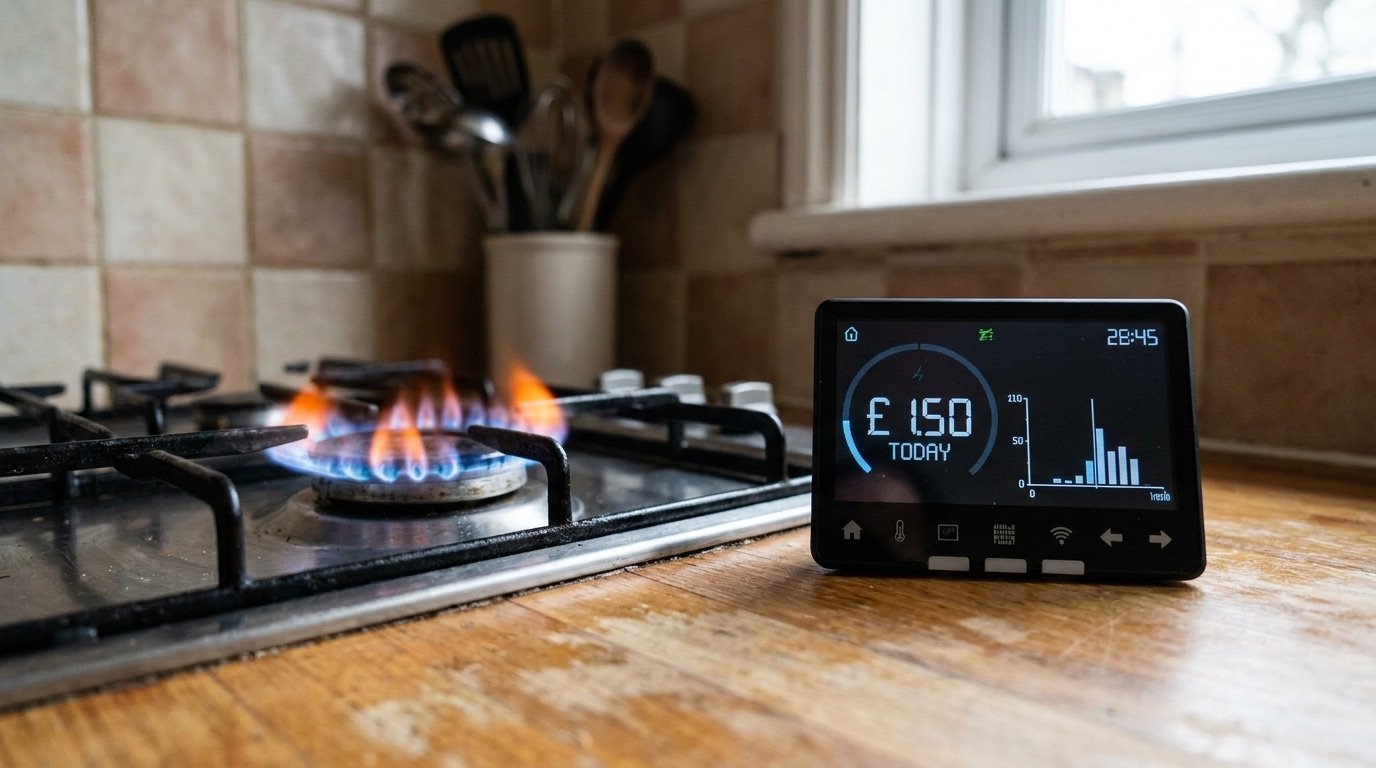
Energy bills set to jump 13% in July as price cap climbs back above £1,860
Households face a £221 increase in typical annual energy costs from 1 July after the regulator confirmed a 13% rise in the price cap, driven by higher wholesale gas prices linked to renewed conflict in the Middle East.

Food inflation eases to 2.2% as grocery price pressure finally loosens its grip
Annual food and drink inflation slowed from 3.0% to 2.2% in the year to May, the latest tracking shows, offering tentative relief to households even as the weekly shop remains far dearer than it was three years ago.
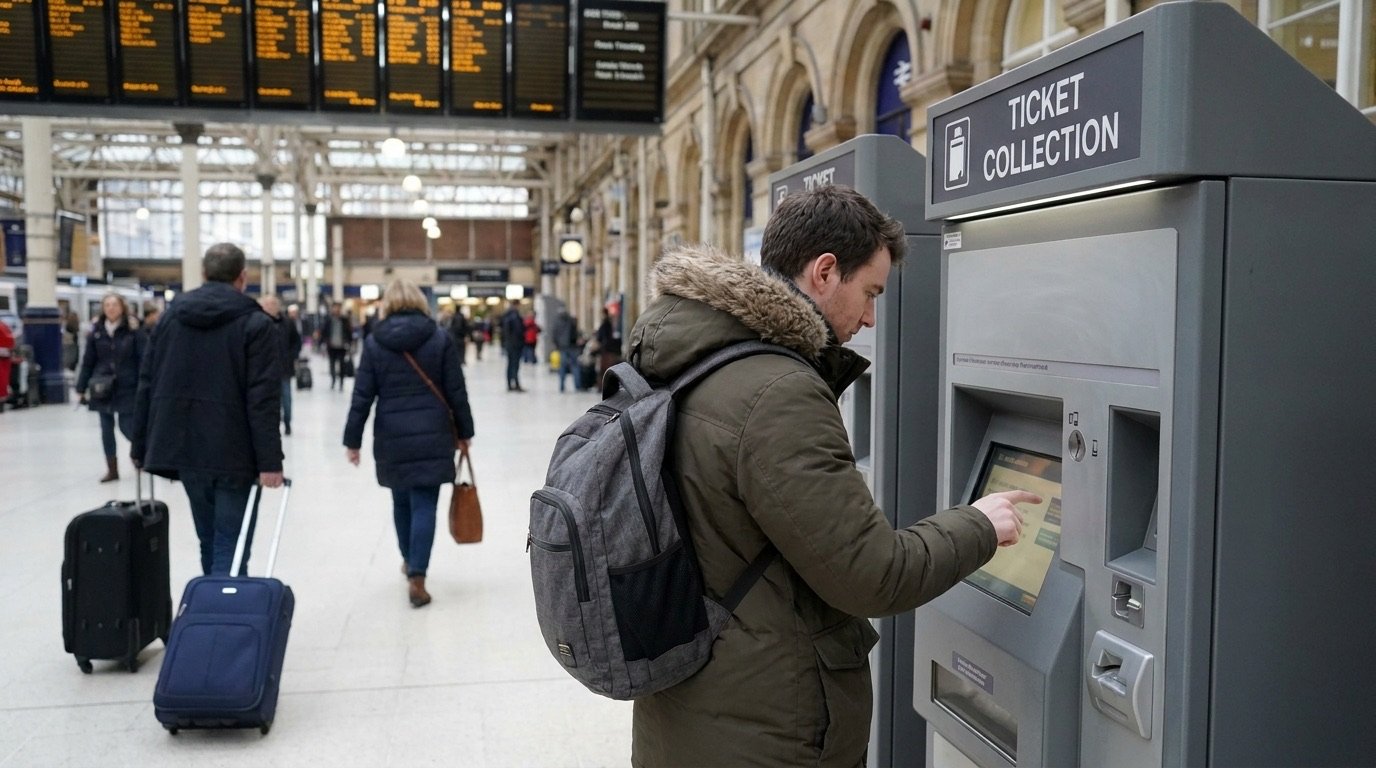
Regulated rail fares frozen for first time in 30 years as ministers seek to ease cost of living
The Government has confirmed that regulated rail fares in England will be held flat in 2026, marking the first freeze in three decades, though London Underground and Elizabeth line passengers face rises.

UK inflation holds at 2.8% in May as cheaper food offsets soaring transport costs
The Office for National Statistics says the headline rate was unchanged from April, defying forecasts of a rise, as falling grocery prices balanced out the steepest jump in transport costs in more than three years.