Hollywood races into microdramas as phone-first storytelling goes mainstream
Major studios, streamers and creator-led companies are moving into short vertical dramas, a format once treated as a social-video sideshow but now drawing serious investment.
Sophie Bennett
Writer ·
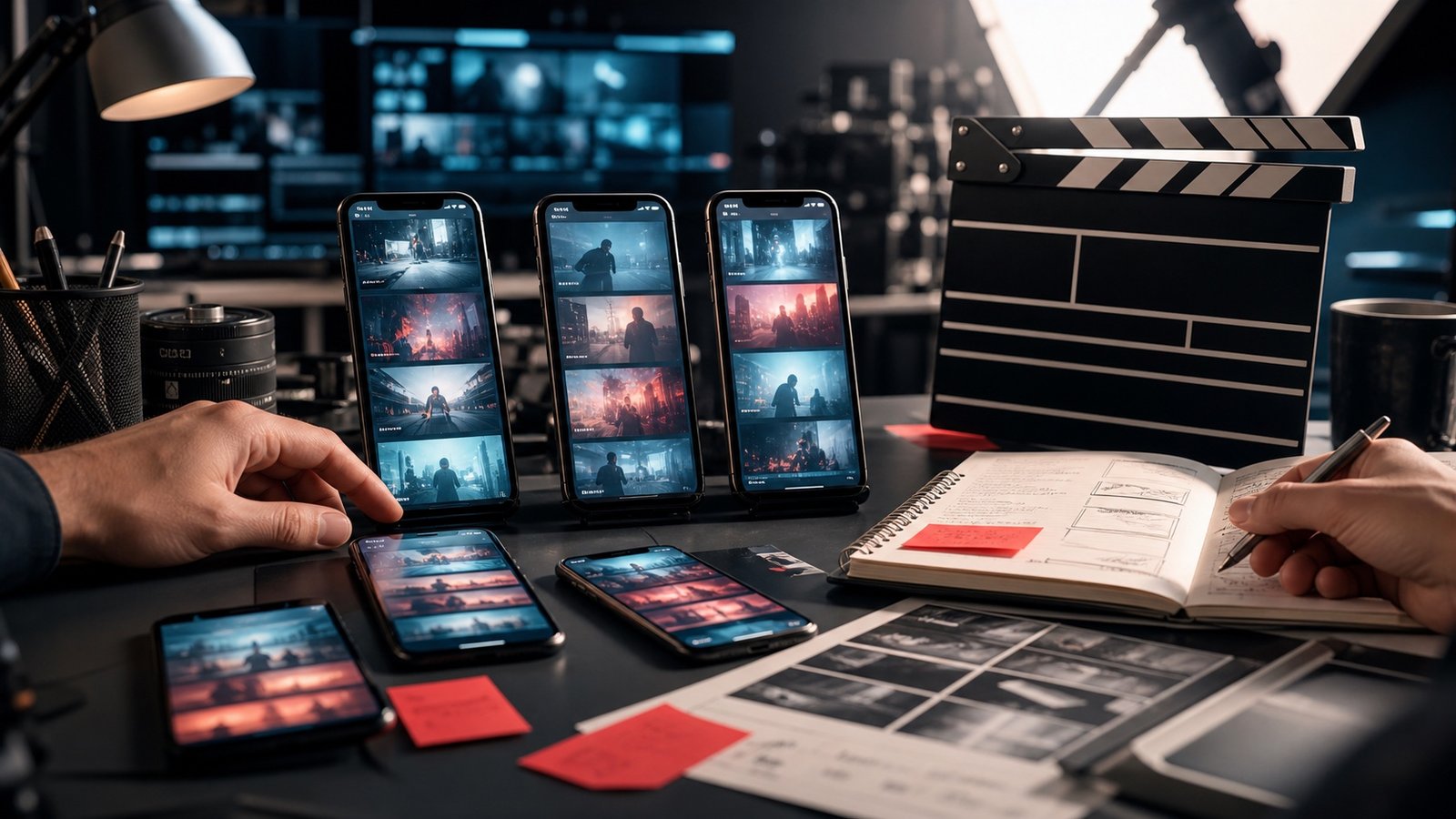
Hollywood's next format fight is happening on the phone. Microdramas - short, vertical, serialized episodes usually built for minutes rather than half-hours - are drawing investment from studios, streamers, celebrities and creator-owned companies.
The format grew quickly in China before gaining wider attention in the United States, where entertainment companies are now trying to understand whether mobile-first storytelling can become a durable business rather than a viral novelty.
Why studios are paying attention
Short production cycles and lower budgets make microdramas attractive at a time when traditional television has become expensive and risk-averse. A concept can be tested with audiences quickly, refined from viewer response and scaled if it finds momentum.
- Episodes are usually designed for vertical viewing on smartphones.
- Platforms can release stories in fast, bingeable runs.
- Creators can test characters and worlds before committing to larger formats.
- Studios see the category as a possible pipeline for future intellectual property.
The Associated Press reports that Peacock, Fox Entertainment, TikTok-backed projects and Issa Rae's Hoorae Media are among those exploring the space. That range matters: microdramas are no longer just an independent creator economy story.
Creators want control
The format is also shifting bargaining power. Creators who build direct audiences on social platforms may not need to wait for studio approval, and some are choosing to retain ownership instead of licensing or selling shows too early.
For the wider entertainment industry, the lesson is plain: audience behaviour is changing faster than legacy release models. The phone is not just a marketing screen anymore; it is becoming a development lab, a distribution channel and, for some viewers, the primary stage.
Referenced coverage: Our reporting and analysis draws on coverage first reported by AP News. The NE Times publishes original reporting and independent analysis written by our editorial team. We credit and link the outlets whose primary reporting informed this article.
The NE Times is an independent news and analysis publisher. Our articles combine factual reporting with clearly-written, impartial analysis. Content is for general information and does not constitute professional advice. Disclaimer.
You may also like to read
Backrooms Goes Home: The Viral Horror Hit Faces Its Streaming Audit
A24's $81.5m internet-born horror phenomenon arrives on premium VOD on 7 July — the next test of whether viral fandom can outlast the opening weekend.
Enola Holmes 3, Madonna and Elle: the streaming week that proves range beats scale
A Netflix detective sequel, a Legally Blonde prequel, Madonna's Confessions II and hit thriller Obsession show how streaming now sells a menu, not a moment.

Vin Diesel's Fast Forever update turns franchise patience into the main story
Vin Diesel's set message confirms the final Fast and Furious film is grinding towards 2028 — and shows how legacy franchises now manage fan trust.

Beyoncé's surprise Morning Dew drop turns the B'Day anniversary into a streaming-era event
Her first new song in two years, dropped without warning on 4 July, opens the countdown to a 20th-anniversary B'Day reissue — pop monetising memory.