Defence Secretary John Healey quits over military funding, deepening Starmer's crisis
John Healey resigned as Defence Secretary on 11 June, warning that the government's spending plan would leave Britain less safe, with armed forces minister Al Carns walking out hours later.
Eleanor Whitfield
Writer ·
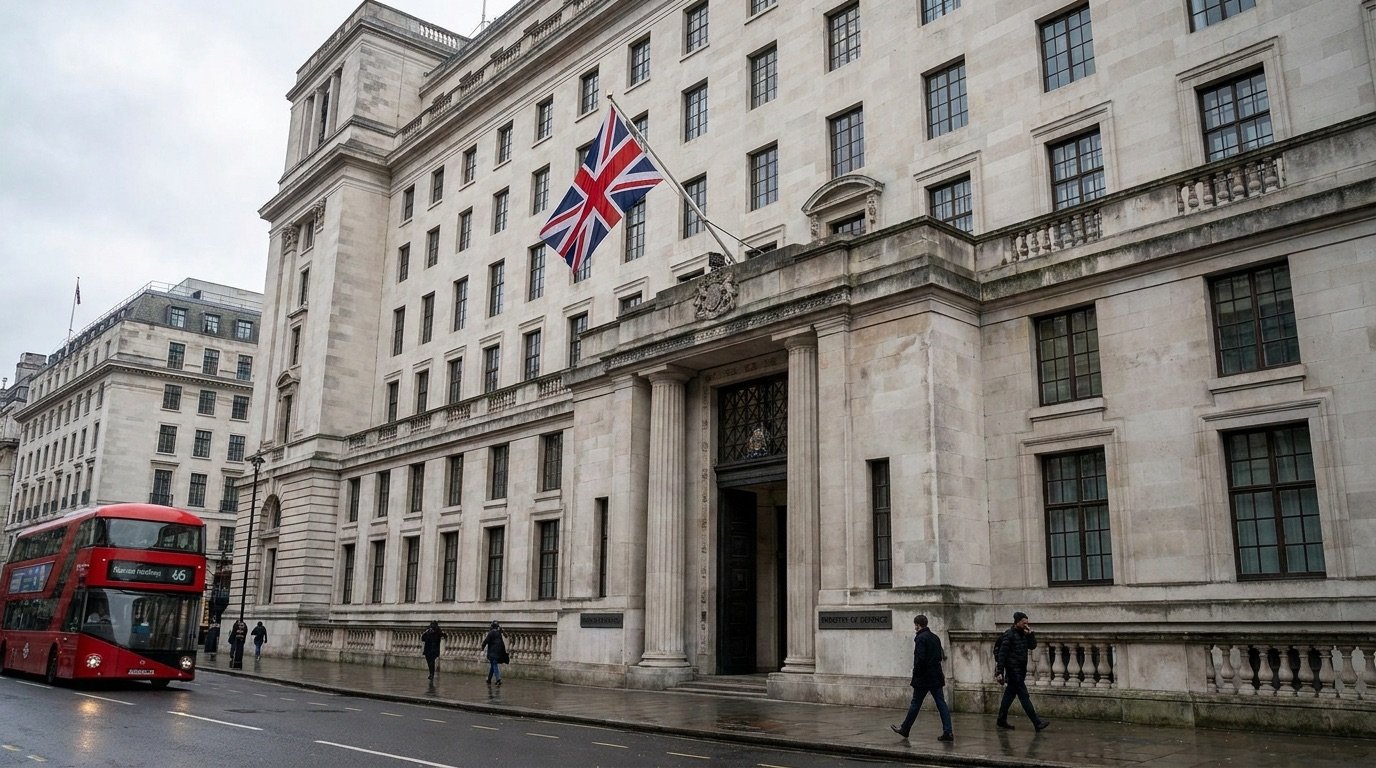
John Healey resigned as Defence Secretary on 11 June, dealing a fresh blow to Sir Keir Starmer and exposing deep divisions within the Labour government over how much Britain should spend on its armed forces. The departure of one of the most experienced figures in the Cabinet removes a steadying hand from a department that has been at the centre of fraught negotiations with the Treasury for months.
In his departure, Healey argued that the defence investment plan agreed with the Treasury did not go far enough, warning that the level of funding would reduce the readiness of the armed forces. He said the agreed path would take spending to around 2.68% of GDP by 2030, while he believed the country needed to reach 3% to meet the threats Britain now faces.
His resignation letter, while measured in tone, was unambiguous about the substance of the disagreement. Healey said he could not stand at the despatch box and defend a settlement he did not believe matched the scale of the challenge, framing his decision as a matter of principle rather than personal ambition. Allies described the move as a deliberate warning shot intended to force a rethink at the heart of government.
A second resignation within hours
Healey's exit was followed within hours by the resignation of armed forces minister Al Carns, who described the delayed Defence Investment Plan as neither transformative enough nor sufficiently funded. The twin departures came at a politically delicate moment, ahead of a NATO summit and a closely watched by-election, and turned what might have been an isolated disagreement into something resembling a coordinated rebellion within the defence team.
Carns, a former Royal Marines officer, carried particular weight on questions of military capability, and his exit lent credibility to the argument that the concerns were operational as well as political. Together the resignations left the Ministry of Defence without its two most senior ministers at a time when Britain's allies were looking for reassurance about the country's commitment to collective security.
“Defence and security is the number one priority for me as Prime Minister.”
— Sir Keir Starmer, Prime Minister
Defending his position, Sir Keir insisted he had already taken difficult decisions to free up money for the military, saying cuts had been made to the long-term capital budgets of every cabinet department to support defence. He cast the dispute as one of timing and fiscal realism rather than ambition, arguing that the trajectory of spending was rising even if it was not rising as fast as some in his party wanted.
Why the numbers matter
The gap between 2.68% and 3% of GDP may sound narrow, but in cash terms it represents many billions of pounds spread across procurement, recruitment and the maintenance of existing platforms. Defence economists point out that a substantial share of any increase is quickly absorbed by inflation in specialist equipment, the cost of munitions and the long lead times involved in major programmes such as shipbuilding and combat aircraft.
The dispute also reflects a wider strategic argument that has been building across Western capitals. With the war in Ukraine continuing to reshape assumptions about European security, and with NATO members under pressure to demonstrate higher levels of commitment, the question of how much a mid-sized power such as Britain should devote to defence has moved from the margins to the centre of political debate.
- John Healey resigned as Defence Secretary on 11 June over the level of defence funding
- Armed forces minister Al Carns followed him out of government within hours
- The agreed plan would reach around 2.68% of GDP by 2030, short of the 3% Healey favoured
- The resignations came ahead of a NATO summit and the Makerfield by-election
- Sir Keir Starmer insisted defence remained his top priority and vowed to press on
Background to the crisis
The resignations add to a turbulent period for the government following heavy losses in May's local elections, and have intensified questions about Labour's internal cohesion. Since those results, the administration has been buffeted by a series of departures and public expressions of doubt about the Prime Minister's leadership, with the parliamentary party visibly split between those urging change and those counselling discipline.
For Sir Keir, the defence row is especially damaging because it touches on territory he had hoped to claim as his own. He had sought to present Labour as a reliable steward of national security, contrasting his approach with the volatility of recent years. A resignation explicitly framed around Britain being left less safe cuts directly against that message.
“These departures are less about a single budget line and more about a government struggling to hold its own ranks together.”
— A Westminster analyst
What happens next
Attention now turns to who Sir Keir appoints to fill the vacancies and whether a new defence team can rebuild confidence both within the armed forces and among allies. A successor will inherit not only the unresolved argument over spending but also the task of steadying a department that has just lost its political leadership in dramatic fashion.
More broadly, the episode has sharpened the existential question hanging over the government: how long Sir Keir can absorb high-profile resignations before the cumulative damage becomes unsustainable. With a by-election imminent and a NATO summit on the horizon, the Prime Minister has little room to recover, and the coming days are likely to test his authority as severely as any point in his premiership.
Referenced coverage: Our reporting and analysis draws on coverage first reported by ITV News. The NE Times publishes original reporting and independent analysis written by our editorial team. We credit and link the outlets whose primary reporting informed this article.
The NE Times is an independent news and analysis publisher. Our articles combine factual reporting with clearly-written, impartial analysis. Content is for general information and does not constitute professional advice. Disclaimer.
You may also like to read
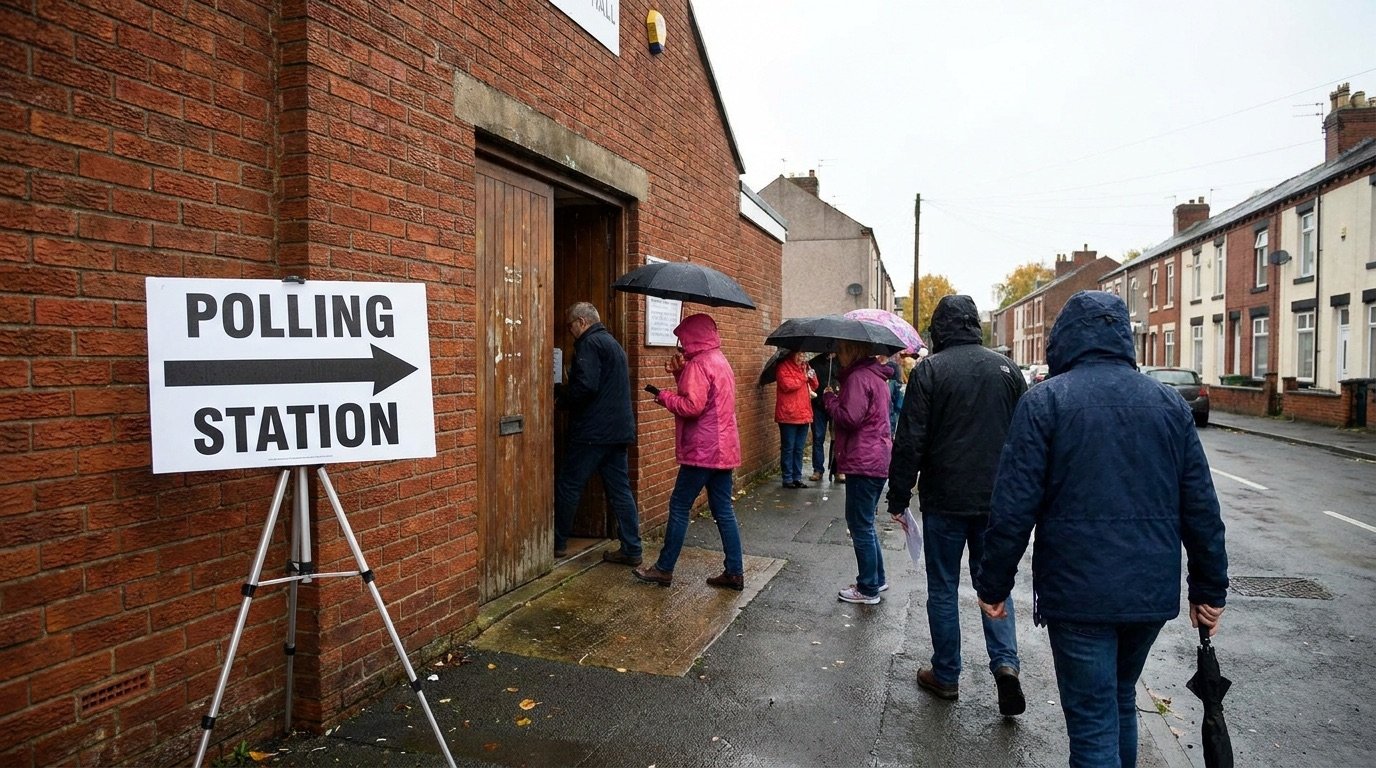
Makerfield by-election: Andy Burnham bids for Commons seat in gamble that could topple Starmer
The Greater Manchester mayor is the clear favourite as voters go to the polls in a contest seen as the launchpad for a Labour leadership challenge.

Starmer fights for survival as Labour leadership crisis deepens
Almost a hundred Labour MPs have called on the prime minister to go, but Sir Keir insists he will stay the course and fight any challenge.
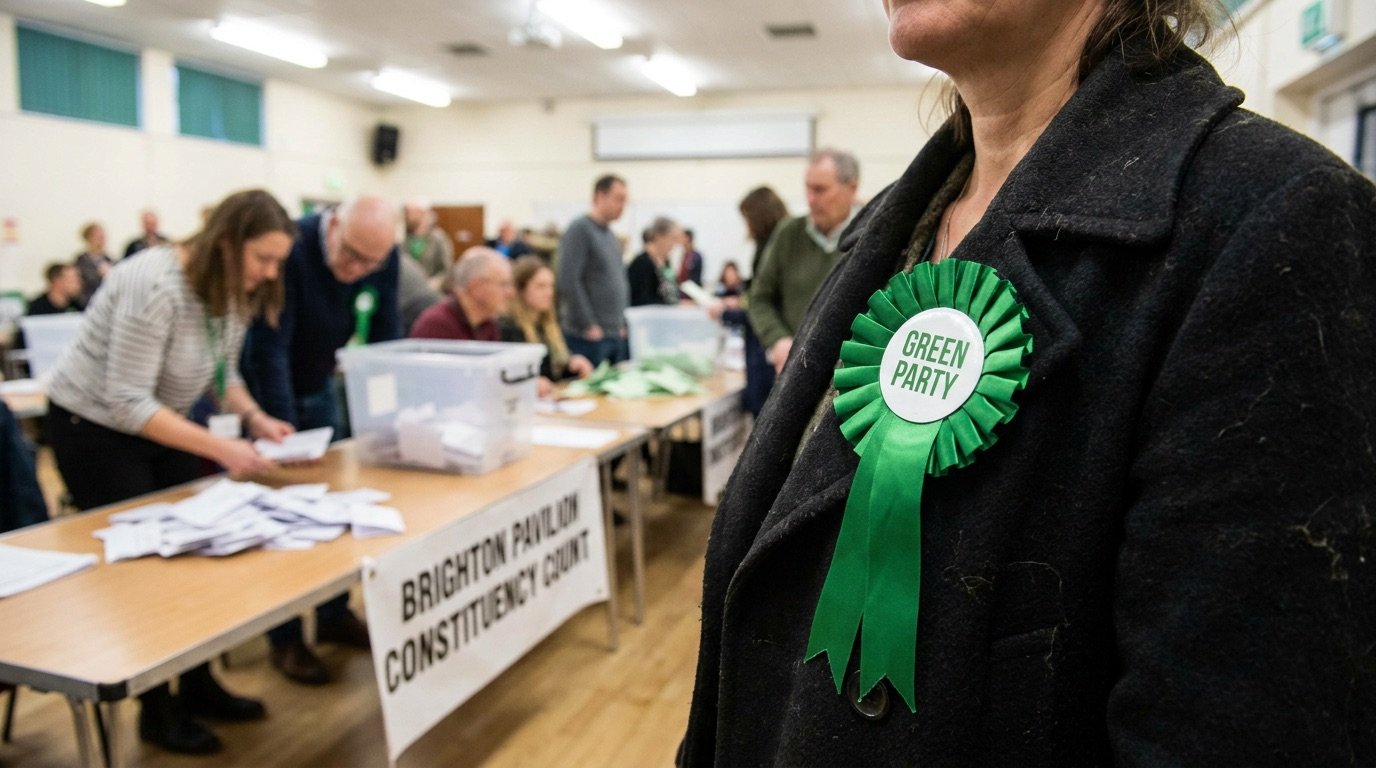
Greens ride high after historic Gorton and Denton by-election win
The party's first northern Westminster victory pushed Labour into third place and reshaped the political map ahead of a knife-edge summer.
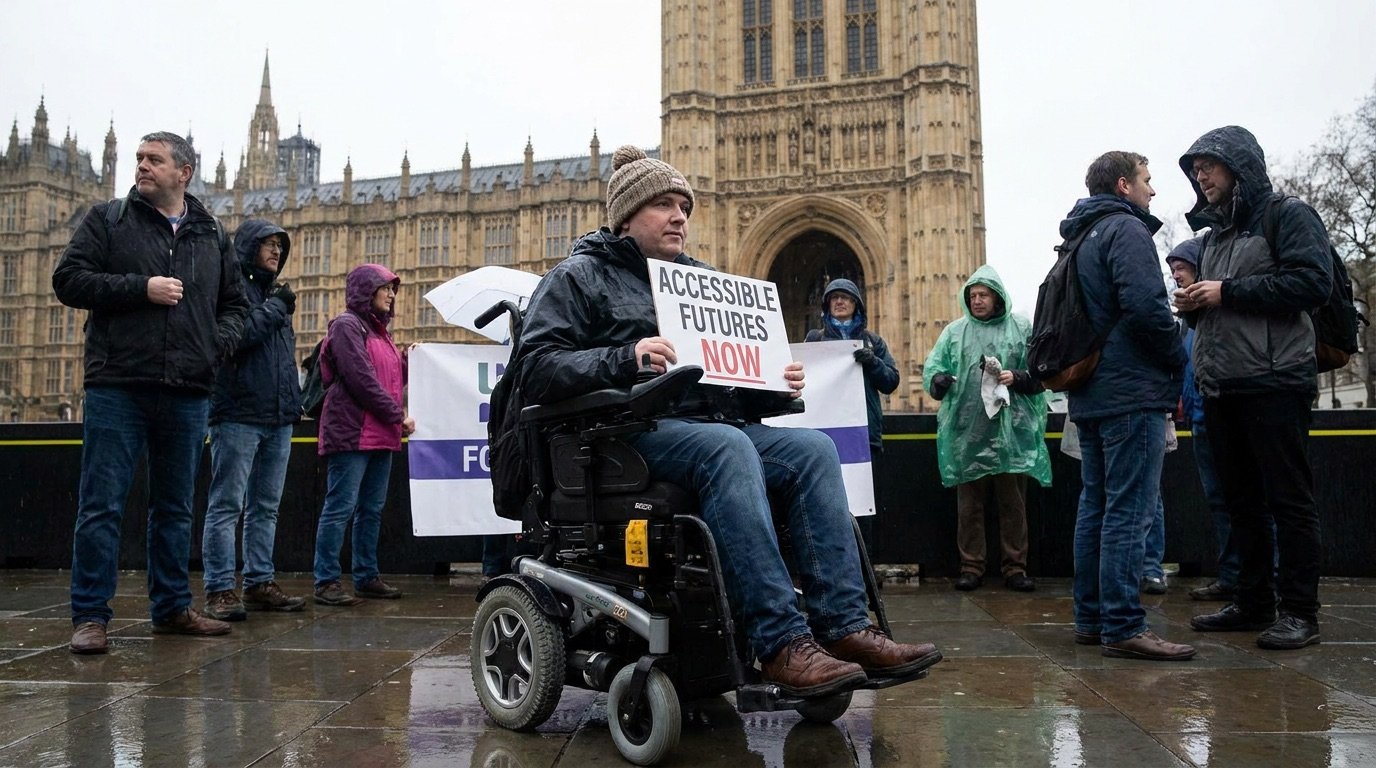
Government retreats on disability benefit cuts after backbench revolt
Ministers stripped contentious changes to Personal Independence Payment from welfare legislation after pressure from MPs, carers and disabled people.